Getting a nose pierced with a ring is indeed possible, but there are important factors to consider. While many people often start with a stud, opting for a ring can be a stylish and unique choice. However, it’s essential to understand the different types of piercings, the right jewelry materials, and the healing process to ensure a safe and successful experience.
Understanding Nose Piercing Types
There are various types of nose piercings, including nostril, septum, and bridge piercings, each suitable for different styles of rings.
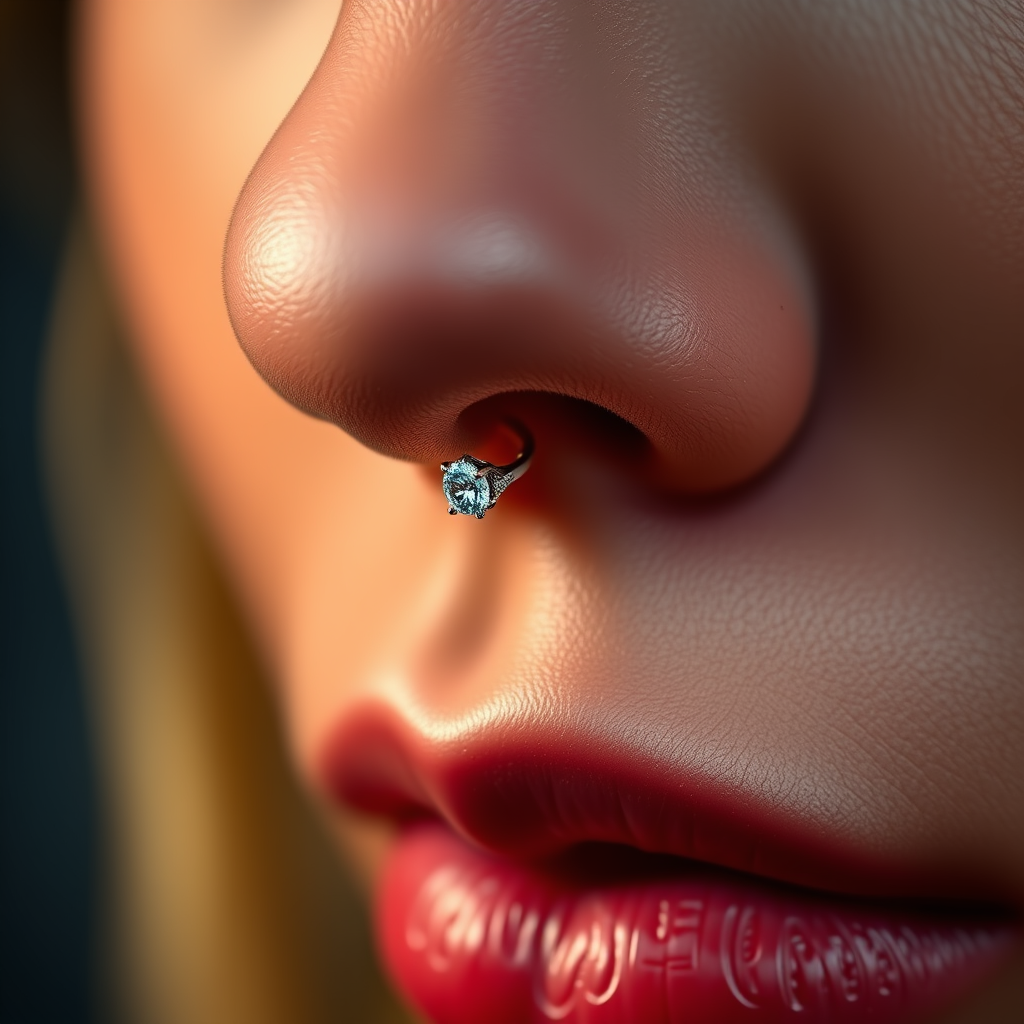
– Nostril Piercing: This is the most common type, typically located on the outer rim of the nostril. It can accommodate a variety of ring styles, including hoops and captive bead rings.
– Septum Piercing: Located in the cartilage between the nostrils, septum piercings can be adorned with circular barbells or septum clickers, offering a bold statement.
– Bridge Piercing: This piercing goes horizontally across the bridge of the nose and is less common, but can also be adorned with a ring.
Selecting the right piercing location can significantly influence your choice of jewelry. For instance, if you prefer a more subtle look, a nostril piercing with a small hoop may be ideal, while a septum piercing allows for larger, more decorative rings. Understanding these options can help you make an informed decision that aligns with your personal style.
Choosing the Right Jewelry
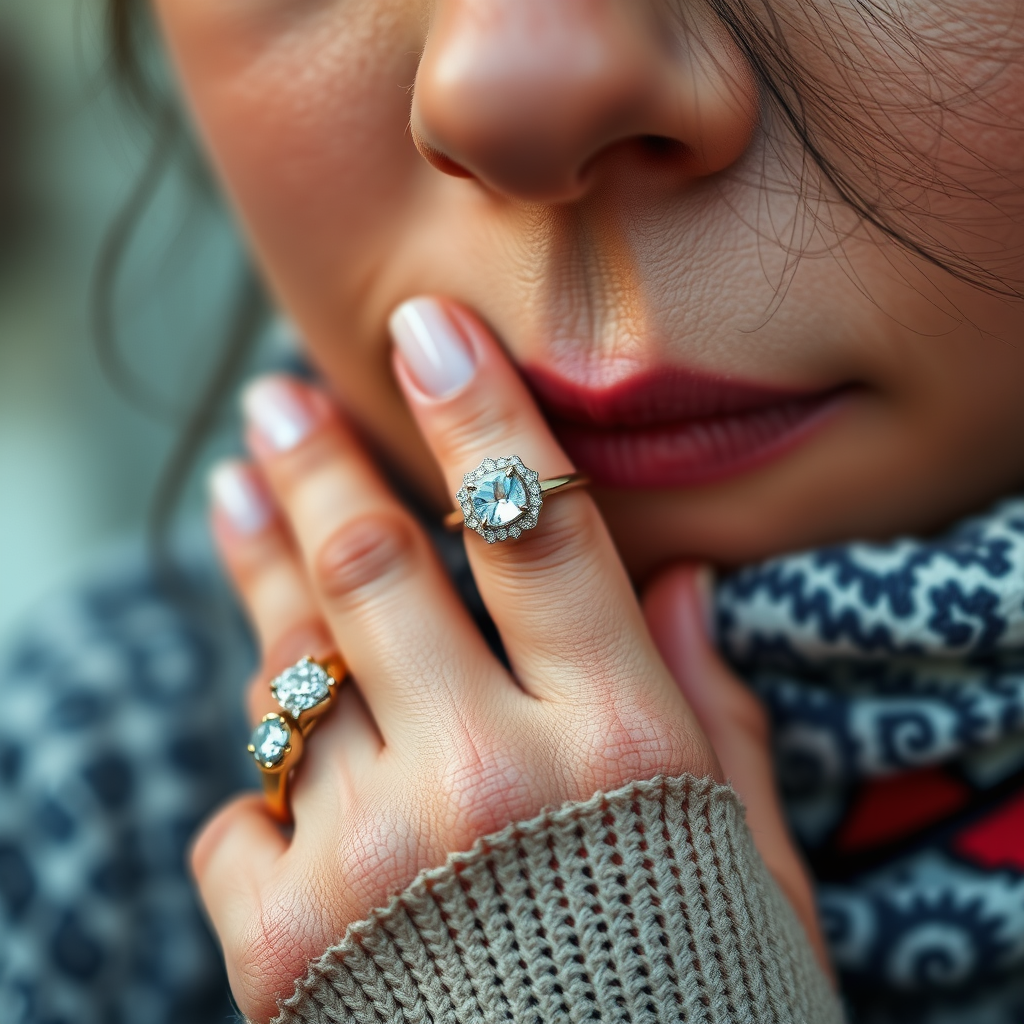
When considering a nose ring, material quality is crucial. Opt for hypoallergenic materials like surgical steel, titanium, or solid gold to minimize the risk of allergies or infections.
– Surgical Steel: Known for its durability and resistance to tarnishing, surgical steel is an excellent choice for initial piercings.
– Titanium: This material is lightweight, corrosion-resistant, and often recommended for individuals with sensitive skin.
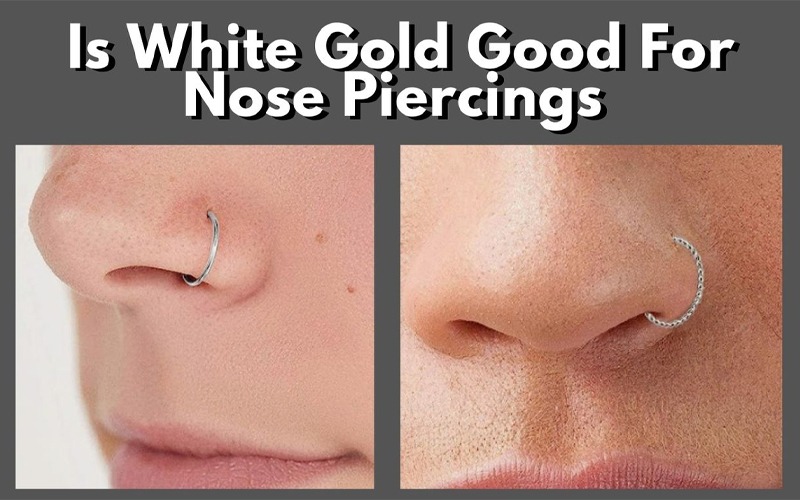
– Gold: If you choose gold, ensure it is solid or at least 14k to avoid reactions from lower karat gold alloys that may contain nickel.
In addition to material, consider the size and gauge of the ring. A standard gauge for nostril piercings is typically between 20 and 18 gauge, with smaller gauges indicating thicker jewelry. Ensuring the right fit is essential; a ring that is too tight may cause discomfort, while one that is too loose may lead to irritation or complications during the healing process.
Benefits of Getting a Nose Ring
Choosing a ring over a stud can provide a unique style and aesthetic appeal. Rings can enhance your look and allow for a more dynamic expression of personal style.
– Versatility in Design: Rings come in various shapes, sizes, and designs, from simple hoops to intricate designs featuring gems or charms. This allows for greater personalization compared to traditional studs.
– Trendy Appeal: Nose rings are often seen as edgy and fashionable, appealing to those who wish to make a statement. They can complement various styles, from bohemian to punk, making them a versatile accessory.
Additionally, rings can be rotated or changed easily, allowing for quick updates to your look without needing a complete jewelry overhaul. This flexibility is particularly appealing for individuals who enjoy experimenting with their style.
Healing Process and Aftercare
Rings can take longer to heal than studs, often requiring about 6-8 weeks for nostril piercings. Healing times may vary based on individual factors such as skin type, lifestyle, and aftercare practices.
Proper aftercare is crucial to minimize the risk of infection and ensure successful healing. Clean the area regularly using saline solution or a mild sea salt solution, and avoid touching the piercing with dirty hands.
It’s also advisable to avoid changing the jewelry too soon; premature switching can lead to irritation and complications. Additionally, you should refrain from swimming in pools or hot tubs during the healing process, as these can introduce bacteria to the piercing site.
Potential Challenges
While rings offer many benefits, there are also potential challenges to consider.
– Increased Risk of Getting Caught: Rings may have a higher chance of getting caught on clothing or hair, leading to irritation or even tearing of the piercing. It’s essential to be mindful of your surroundings, especially in the initial healing phase.
– Placement Issues: If not placed correctly, rings might cause discomfort or complicate the healing process. An improperly sized ring can also lead to issues, such as embedding into the skin or shifting out of place.
Being aware of these challenges can help you take proactive measures to avoid complications. Consulting with a professional piercer can also provide insights into achieving the best placement and minimizing risks.
Professional vs. DIY Piercing
While the idea of a DIY piercing may seem appealing, professional piercers use sterile equipment and are trained to ensure proper placement, significantly reducing the risk of complications.
– Benefits of Professional Piercing: Professionals can assess your anatomy to determine the best placement and provide sterile conditions to minimize infection risks. They can also offer valuable advice on jewelry selection and aftercare.
– Risks of DIY Piercing: Attempting to pierce your nose at home can lead to serious risks, including infections, scarring, and improper placement. Without the right tools and training, it’s easy to make mistakes that can have long-lasting effects.
For the best results, it’s often safer and more beneficial to go to a professional. This investment not only ensures your safety but also increases the likelihood of achieving the desired aesthetic.
When to Change Your Jewelry
It’s vital to wait until the piercing is fully healed before switching to a ring, as premature changes can lead to irritation or infection.
– Consultation with Your Piercer: Aftercare guidelines vary by individual, so consult with your piercer about the best time to change jewelry. They can provide insights based on your healing progress and skin type.
– Transition Tips: When transitioning to a new ring, choose a design that is light and easy to wear. This will help reduce any stress on the piercing during the early days of wearing a new piece.
In general, patience is key; waiting for complete healing will ensure that you can enjoy your new ring without complications.
Getting a nose pierced with a ring is a stylish option that comes with its own set of considerations. By understanding the different types of piercings, choosing the right materials, and following proper aftercare, you can ensure a successful and aesthetically pleasing experience. If you’re thinking about getting your nose pierced, reach out to a professional piercer to discuss your options and start your journey toward a new look!
Frequently Asked Questions
Can you get a nose piercing with a ring instead of a stud?
Yes, you can get a nose piercing with a ring, but it’s important to consider the timing and healing process. Most professional piercers recommend starting with a stud for the initial healing period, as it allows for less movement and irritation. Once the piercing has fully healed, typically after 6-8 weeks, you can switch to a ring if you prefer that style.
What type of nose ring is best for a new piercing?
The best type of nose ring for a new piercing is a small, lightweight, and hypoallergenic option, such as a titanium or surgical stainless steel ring. These materials are less likely to cause allergic reactions and irritation. Additionally, a seamless hoop or a captive bead ring can be a good choice, but always consult with your piercer for personalized recommendations based on your anatomy.
How long should I wait before switching to a nose ring?
It’s generally recommended to wait about 6 to 8 weeks before switching from a stud to a nose ring. This timeframe allows your piercing to heal properly, reducing the risk of irritation or infection. Always listen to your body; if the area is still tender or showing signs of irritation, it may be best to wait longer before making the switch.
Why do some people prefer nose rings over studs?
Many people prefer nose rings over studs for various reasons, including personal style, comfort, and versatility. Nose rings can offer a wider range of designs and colors, allowing for more self-expression. Additionally, some individuals find that rings are more comfortable to wear compared to studs, especially if they have a more active lifestyle.
Which is better for sensitive skin: a nose ring or a nose stud?
For individuals with sensitive skin, a nose stud is often recommended initially because it tends to stay in place more securely and reduces movement during the healing process. However, once the piercing has healed, many find that wearing a hypoallergenic nose ring made from materials like titanium or surgical steel can be just as comfortable and less irritating. Always consult with a professional piercer to choose the best option for your skin type and lifestyle.
References
- Nose piercing
- https://www.ncbi.nlm.nih.gov/pmc/articles/PMC7739053/
- Epilepsy: Symptoms, Causes, and Treatment
- https://www.healthline.com/health/nose-piercing-guide
- https://www.cdc.gov/nceh/lead/health_effects.htm
- https://www.aaom.org/faq/nose-piercing-and-body-piercing-101
- https://www.mayoclinic.org/healthy-lifestyle/adult-health/in-depth/body-piercing/art-20046469