Getting a nose ring right away is generally possible, but there are several factors to consider before proceeding. While immediate nose piercings are common, it is vital to understand the different types of piercings, the healing process, aftercare requirements, and personal readiness. This article will guide you through the important details to help you decide if getting a nose ring immediately is right for you.
Understanding Nose Piercings

Nose piercings come in several styles, each with its unique characteristics and considerations. The most common types include nostril piercings, septum piercings, and bridge piercings.
1. Nostril Piercings: This is arguably the most popular type of nose piercing. It involves piercing the fleshy part of the nostril and typically has a moderate pain level. The healing time for a nostril piercing ranges from 4 to 6 months.
2. Septum Piercings: This piercing goes through the cartilage that separates the nostrils and can be a little more painful than a nostril piercing. Healing time can take anywhere from 6 to 8 weeks.
3. Bridge Piercings: Located at the top of the nose between the eyes, bridge piercings are less common and can be more painful due to the structure of the skin in that area. Healing times can vary, often taking 8 to 12 weeks.
Understanding the type of piercing you are considering can help you prepare for the experience, both mentally and physically. Pain tolerance varies among individuals, so it’s essential to know your limits.
Choosing the Right Professional

Selecting a qualified piercer is crucial to ensure a safe and satisfactory experience. Not all studios are created equal, and a skilled professional can make all the difference in the outcome of your piercing.
When searching for a piercer, consider asking the following questions:
– What is your experience level?: Inquire about their training, years of experience, and any certifications they may hold.
– Can I see your portfolio?: A professional piercer should have a portfolio of their work to showcase their skill and the quality of their piercings.
– What are your sterilization practices?: Ensure that the studio adheres to strict hygiene standards and utilizes sterilized equipment to minimize the risk of infection.
– What jewelry do you recommend for initial piercings?: A good piercer will provide guidance on the best jewelry options, prioritizing safety and comfort.
Choosing a qualified professional not only enhances your experience but also significantly lowers the chances of complications during the healing process.
Aftercare Essentials
Proper aftercare is critical for the successful healing of a nose piercing. Adhering to recommended aftercare practices will minimize the risk of infection and other complications.
Here are some essential aftercare tips:
– Clean the area: Use a saline solution or a saline wound wash to clean your piercing twice a day. Avoid using alcohol or hydrogen peroxide, as these can irritate the skin and delay healing.
– Avoid touching: Keep your hands away from the piercing to prevent transferring bacteria. If you must touch it, ensure your hands are clean.
– Avoid swimming: Steer clear of swimming pools, hot tubs, and natural bodies of water for at least a month after getting pierced to reduce the risk of infection.
– Watch for signs of infection: Symptoms such as increased redness, swelling, pus, or a fever may indicate an infection. If you experience any of these symptoms, consult your piercer or a healthcare professional for advice.
Investing time and attention in aftercare ensures that your piercing heals correctly, resulting in a beautiful and healthy nose ring.
Timing Considerations
Several factors can influence when it’s appropriate to get a nose ring. Before making your decision, consider personal health history, recent surgeries, or allergies.
– Recent surgeries: If you have had facial or nasal surgery, it is advisable to wait until you’ve fully healed before getting a nose piercing. This will prevent complications and excessive discomfort.
– Allergies: If you have allergies to metals or certain materials, it’s crucial to consider this before getting pierced, as it can affect your choice of jewelry and the healing process.
– Lifestyle factors: Consider your lifestyle and whether you can commit to the aftercare required for a new piercing. If you know you’ll be traveling or engaging in activities that could irritate the piercing, it may be wise to postpone.
Understanding these factors helps you make a more informed decision about the timing of your nose ring.
Jewelry Options
Choosing the right jewelry for your new nose piercing is essential not only for aesthetics but also for safety and comfort. For initial piercings, consider the following types:
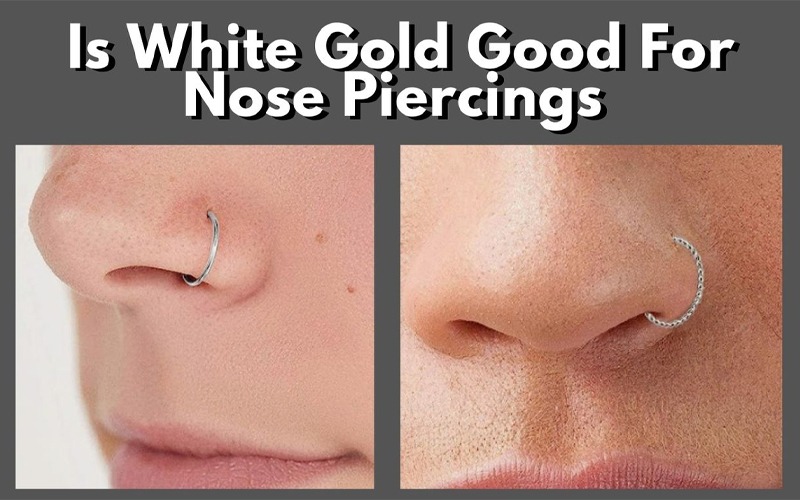
– Materials: Surgical stainless steel, titanium, and 14k gold are excellent choices for initial jewelry as they are hypoallergenic and less likely to cause irritation. Avoid cheap metals and plated jewelry, which can lead to allergic reactions and infections.
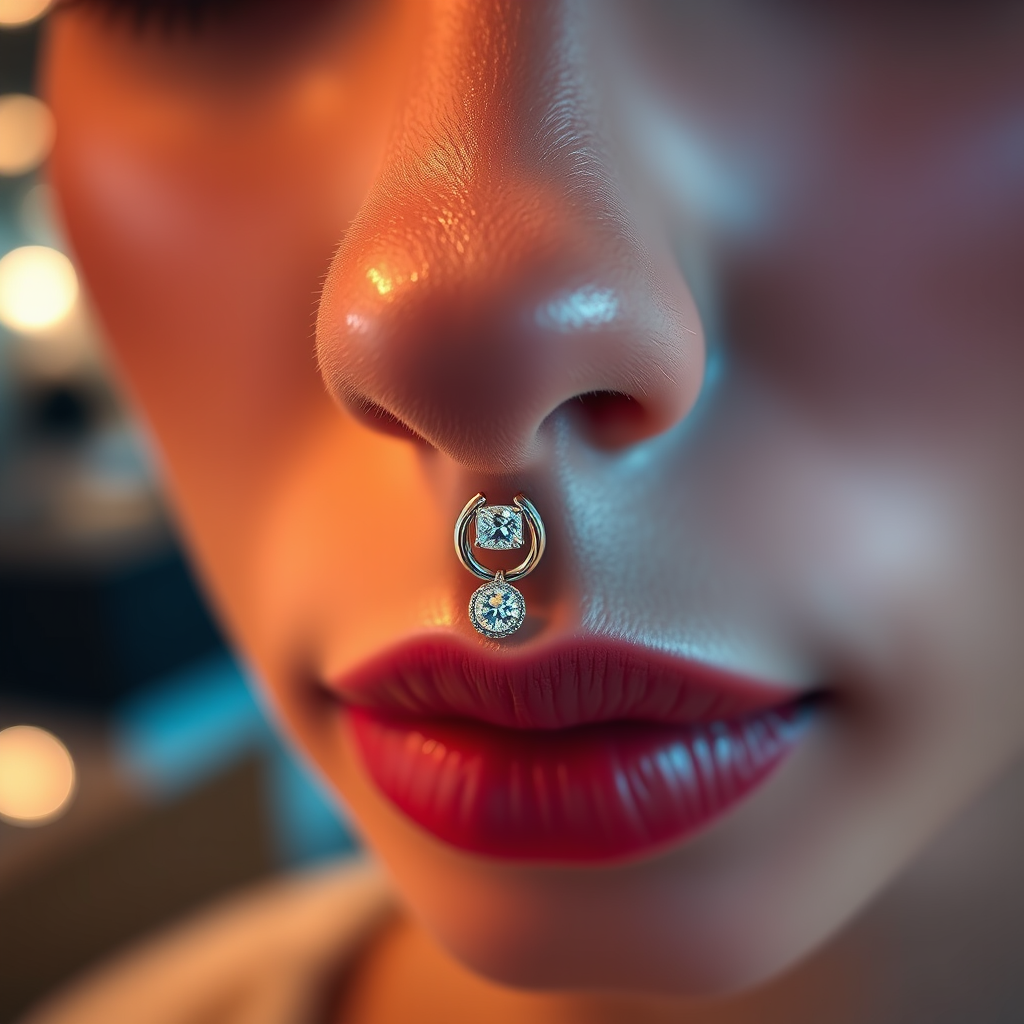
– Styles: For nostril piercings, stud earrings or small hoops are popular choices. Septum piercings often utilize circular barbells or captive bead rings. Bridge piercings typically look great with flat-back studs. Choosing the right style can enhance your facial features and reflect your personal style.
Ensuring that you opt for hypoallergenic materials is particularly important if you have sensitive skin or a history of metal allergies.
Personal Readiness
Before getting a nose ring, it’s essential to assess your personal readiness. This includes evaluating your comfort level and understanding the significance of the piercing.
– Comfort level: Reflect on your pain tolerance and whether you feel mentally prepared for the piercing process. If you’re anxious, it might be beneficial to discuss your feelings with friends or the piercer for reassurance.
– Cultural or personal significance: For many, getting a nose ring can hold cultural significance or be a form of self-expression. Understanding why you want the piercing can add to your excitement and commitment to the aftercare process.
Being personally ready can enhance your experience and help you fully appreciate the meaning behind your new nose ring.
Cost and Commitment
The cost of getting a nose ring can vary significantly based on several factors, including the type of piercing, the jewelry chosen, and the location of the piercing studio.
– Average costs: Expect to pay anywhere from $30 to $100 for the piercing itself, with additional costs for the jewelry. High-quality jewelry may range from $20 to $100 or more, depending on the material and design.
– Long-term commitment: Remember that a nose piercing requires ongoing care. In addition to aftercare during the healing process, you may need to invest in jewelry changes and maintenance. Being prepared for this commitment ensures a smoother experience.
Understanding the financial implications and commitment involved in getting a nose ring is crucial for making an informed decision.
Making the decision to get a nose ring immediately can be an exciting step, but it is crucial to be well-informed about the process and its implications. Understanding the type of piercing, selecting a skilled professional, and committing to proper aftercare can lead to a successful and satisfying experience. If you’re ready to take the plunge, ensure you do your research and prepare for this beautiful form of self-expression!
Frequently Asked Questions
Can you get a nose ring immediately after piercing?
Yes, you can get a nose ring immediately after piercing. Most professional piercers will insert a nose ring, typically a stud or hoop, during the piercing process. This ensures that you leave the studio with your new jewelry in place, but it’s crucial to follow aftercare instructions to prevent infection and promote healing.
How long after a nose piercing can you change the ring?
You should wait at least 6 to 8 weeks before changing your nose ring after a piercing. This period allows for the initial healing process to take place, minimizing the risk of irritation or infection. Always consult with your piercer before changing jewelry, as they can provide personalized advice based on your healing progress.
Why do some people choose to get a nose ring right away after piercing?
Many people opt to get a nose ring right away after piercing for convenience and aesthetic reasons. Having a nose ring inserted immediately allows them to enjoy their new look without delay. Additionally, it can help to stabilize the piercing during the initial healing phase, reducing the likelihood of migration or rejection.
What type of nose ring is best for a new piercing?
The best type of nose ring for a new piercing is generally a stud made of hypoallergenic materials such as titanium, surgical stainless steel, or niobium. These materials are less likely to cause allergic reactions and promote faster healing. It’s advisable to avoid rings with complex designs or materials like plastic that can irritate the piercing.
Which aftercare steps are important after getting a nose ring?
After getting a nose ring, it’s essential to follow specific aftercare steps to ensure proper healing. Clean the area with a saline solution or a gentle saline spray twice daily, avoid touching or twisting the jewelry, and refrain from swimming in pools or hot tubs. Monitoring for signs of infection, such as excessive redness or discharge, is also crucial; if these occur, consult your piercer or a healthcare professional.
References
- Nose piercing
- https://www.ncbi.nlm.nih.gov/pmc/articles/PMC5756775/
- https://www.healthline.com/health/nose-piercing-care
- https://www.verywellhealth.com/nose-piercing-5196050
- https://www.cdc.gov/nceh/ehs/docs/body_art.pdf