Yes, you can get pierced with a nose ring, and it is one of the most sought-after forms of body modification today. As nose piercings have gained immense popularity, they offer individuals a way to express their personal style and individuality. This article will delve into the various types of nose piercings available, outline what to expect during the piercing procedure, and provide essential aftercare tips to ensure a smooth and safe healing process.
Types of Nose Piercings

– Nostril Piercing: The nostril piercing is the most common type of nose piercing and is typically performed on one side of the nose. It is versatile and can accommodate a variety of jewelry styles, ranging from simple studs to elaborate hoops. Nostril piercings are highly customizable, allowing wearers to choose pieces that reflect their unique personalities.
– Septum Piercing: The septum piercing is located between the nostrils, in the thin tissue that separates them. This type of piercing has gained significant popularity in recent years due to its edgy aesthetic and the wide variety of jewelry options available, including circular barbells and decorative retainers. Septum piercings can be a great choice for those looking to make a bold statement while still having the option to conceal the piercing if desired.
What to Expect During the Piercing Procedure

– Consultation: Before the piercing, a professional piercer will conduct a thorough consultation to discuss your options and assess whether you are a good candidate for the procedure. This conversation may include topics such as your medical history, any previous piercings, and your jewelry preferences. A reputable piercer will answer any questions you have and ensure you feel comfortable throughout the process.
– The Piercing Process: The actual piercing process is typically quick and straightforward. Initially, the area around the nose will be cleaned and sterilized to minimize the risk of infection. The piercer will then mark the exact spot where the needle will go, allowing you to confirm its placement before proceeding. Using a sterile needle, the piercer will swiftly create the hole, inserting the jewelry immediately afterward. Most experienced piercers can complete this procedure in a matter of minutes.
Pain Level and Healing Time
– Pain Assessment: The pain associated with nose piercings can vary from person to person, but most individuals report a quick, sharp sensation that subsides almost immediately. The overall discomfort is generally manageable, and many describe it as less painful than anticipated. For those particularly concerned about pain, speaking with the piercer about numbing options may help alleviate anxiety.
– Healing Duration: Healing times for nose piercings can vary based on individual factors, but generally, nostril piercings take about 4-6 months to fully heal, while septum piercings may heal in approximately 6-8 weeks. During this time, it is crucial to follow proper aftercare guidelines to promote healing and prevent complications.
Aftercare Tips for Nose Piercings
– Cleaning Routine: Maintaining a consistent cleaning routine is vital for the healing of your new nose piercing. It is recommended to use a saline solution or a specialized piercing cleaner to gently clean the area twice daily. Avoid using alcohol or hydrogen peroxide, as these can irritate the piercing and delay healing.
– Avoiding Irritation: It is essential to be cautious with makeup, hair products, and even sleeping positions that might disturb the piercing. Avoid touching the piercing unnecessarily, and if you wear makeup, be careful to keep it away from the area during the healing process. Additionally, consider sleeping on your back to avoid pressing the piercing against a pillow, which can cause irritation.
Choosing the Right Jewelry
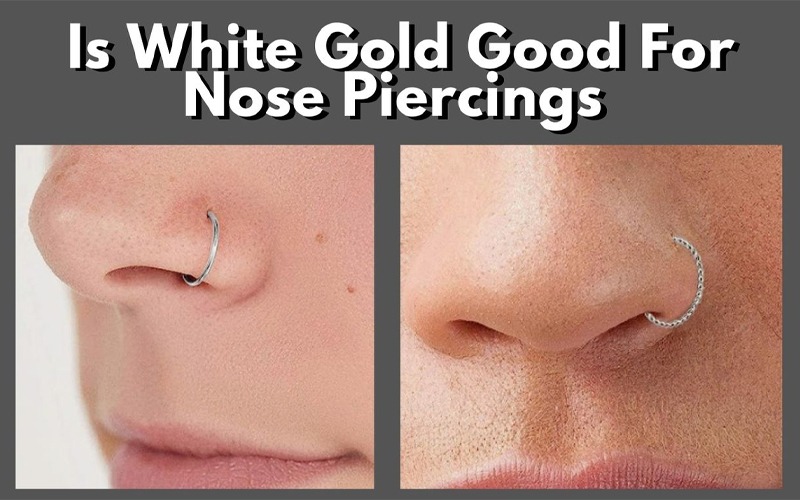
– Material Options: When selecting jewelry for your new nose piercing, it is crucial to choose high-quality materials that minimize the risk of irritation or allergic reactions. Hypoallergenic options, such as titanium or surgical stainless steel, are highly recommended. Avoid nickel and other materials known to cause allergic reactions in some individuals.
– Style Choices: Jewelry styles for nose piercings are incredibly varied, ranging from minimalist studs to bold hoops. When selecting your jewelry, consider your personal style as well as the healing process; initial piercings should ideally feature simple designs that won’t snag or irritate the piercing.
Potential Risks and Complications
– Infection Risk: One of the primary risks associated with any piercing is infection. To minimize this risk, adhering to a strict aftercare regimen is essential. If you notice signs of infection, such as increased redness, swelling, or discharge, it’s vital to consult a healthcare professional promptly.
– Allergic Reactions: While many people enjoy their piercings without issues, some may experience allergic reactions to certain metals. If you have a known sensitivity to specific materials, be sure to discuss this with your piercer and choose jewelry accordingly.
Finding a Professional Piercer
– Research and Reviews: To ensure a positive piercing experience, it is crucial to find a certified and reputable piercer. Look for studios with positive customer reviews and testimonials, as these can provide insights into the quality of service and professionalism of the piercers.
– Cleanliness and Safety: Before committing to a studio, visit in person to assess cleanliness and safety practices. A professional piercing studio should follow stringent hygiene protocols, including the use of sterilized equipment and gloves, to ensure a safe environment for your piercing.
Getting a nose ring can be a fulfilling way to express your individuality, but it’s crucial to know what to expect and how to care for your new piercing. By understanding the different types of nose piercings, the procedure itself, and the importance of aftercare, you can make an informed decision about your body modification journey. If you’re ready to take the plunge, research reputable piercers in your area and prepare for this exciting new chapter in your self-expression.
Frequently Asked Questions
Can you get pierced with a nose ring instead of a traditional stud?
Yes, you can get pierced with a nose ring, but it’s essential to understand that most professional piercers recommend starting with a stud. Nose rings, such as hoops or captive bead rings, can be more challenging during the initial healing process. A stud typically allows for better healing as it reduces movement and irritation in the piercing.
How long should you wait to switch to a nose ring after getting a nose piercing?
It is generally recommended to wait at least 6 to 8 weeks before switching to a nose ring after getting your nose pierced. Healing times can vary based on individual factors, but ensuring that the piercing has fully healed before changing jewelry is crucial to avoid complications like infection or irritation.
Why do some people prefer nose rings over studs for their piercings?
Many people prefer nose rings over studs for aesthetic reasons, as they can add a unique touch to personal style. Nose rings, including hoops and other decorative options, often offer more variety in terms of design and can complement different facial shapes and features, making them a popular choice among those looking to express their individuality.
What type of nose ring is best for sensitive skin?
For sensitive skin, hypoallergenic materials such as titanium, surgical stainless steel, or niobium are the best options for nose rings. These materials are less likely to cause allergic reactions or irritation, making them ideal for initial piercings and for individuals with sensitivities. Always consult with a professional piercer to ensure you choose the right material for your needs.
Which aftercare practices are essential when switching to a nose ring?
When switching to a nose ring, proper aftercare is crucial to prevent infection and promote healing. Clean the area with a saline solution or a gentle antiseptic recommended by your piercer, and avoid touching or twisting the jewelry unnecessarily. Additionally, keep an eye on any signs of irritation or allergic reactions, and consult your piercer if you experience unusual symptoms.
References
- Nose piercing
- https://www.ncbi.nlm.nih.gov/pmc/articles/PMC6057010/
- https://www.cdc.gov/nceh/hsb/chemicals/body_piercing.htm
- Pregnancy after 35: Healthy pregnancies, healthy babies – Mayo Clinic
- https://www.hopkinsmedicine.org/health/conditions-and-diseases/body-piercing-risk-factors-and-complications