Wearing a nose ring during surgery is generally not recommended. Most medical professionals advise removing all body jewelry, including nose rings, before undergoing surgical procedures to minimize the risk of complications. This precaution is rooted in the need for a sterile environment and the potential hazards that body jewelry may pose during surgery. In this article, we will explore the reasons behind this recommendation, the various risks involved, and best practices for managing body jewelry prior to your surgical procedure.
Understanding Surgical Protocols

Surgeons and medical staff prioritize a sterile environment in the operating room to prevent infections and complications. Jewelry, including nose rings, can harbor bacteria and other pathogens, which may increase the risk of postoperative infections. The presence of body jewelry may also interfere with the surgical procedure itself, obstructing the surgeon’s access to the surgical site. For instance, during procedures that require close proximity to the face or head, a nose ring could impede visibility and access, complicating the operation. Medical professionals typically have strict protocols in place to ensure that all non-essential items are removed prior to surgery, which includes a thorough check for piercings.
Additionally, the potential for certain types of jewelry to catch on surgical instruments or drapes poses a further risk. This can not only disrupt the surgery but may also lead to unintended injury to both the patient and the surgical team. As such, the general consensus in the medical community is to remove all forms of body jewelry before any surgical intervention.
Risks of Wearing a Nose Ring

The risks associated with wearing a nose ring during surgery are manifold. One of the primary concerns is the increased risk of infection. If a nose ring is not removed, bacteria can accumulate around the piercing, which could be introduced into the body during the surgical procedure. This risk is particularly concerning in surgeries that involve areas close to the nose, such as facial or cranial surgeries.
Moreover, the potential for physical injury is significant. The surgical environment is often chaotic, with numerous instruments and personnel moving in close quarters. A nose ring could be inadvertently pulled, leading to trauma to the nasal area. Such an injury can complicate the healing process and lead to additional medical interventions.
In summary, the presence of a nose ring during surgery not only raises concerns about infection but also increases the likelihood of physical injury, making its removal essential for patient safety.
Alternatives to Consider
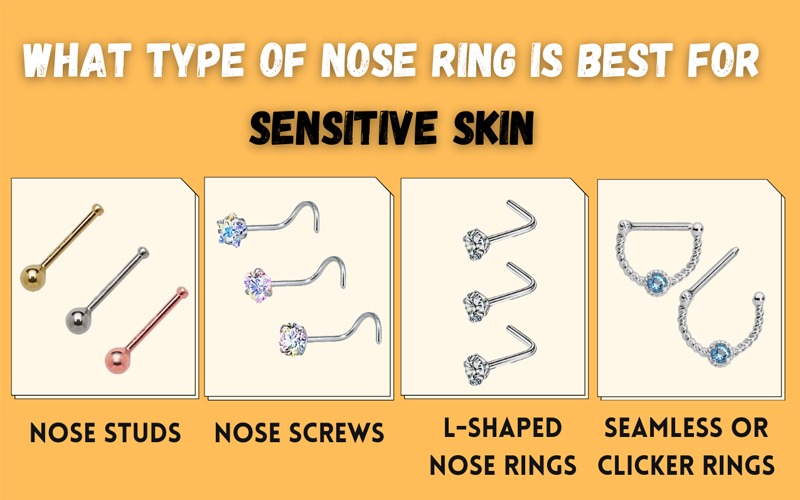
Before your surgery, it’s crucial to have a discussion with your surgeon regarding body jewelry. Some medical professionals may suggest alternative options for those who are hesitant to remove their nose rings completely. Temporary jewelry or retainers designed specifically for surgical settings may be available, offering a compromise for patients who wish to maintain their piercings.
For example, certain types of bioplast or medical-grade silicone retainers can be worn during surgery without posing the same risks as traditional jewelry. These materials are generally considered safe and can help keep the piercing open during recovery. However, it’s essential to consult closely with your medical team to determine the best course of action based on your specific situation and the type of surgery you will undergo.
Communicating with Your Medical Team
Effective communication with your medical team is paramount when preparing for surgery, especially if you have piercings or body modifications. Always disclose any existing piercings to your healthcare providers during your pre-operative consultations. This information is vital as it allows the medical team to tailor their approach to your surgery and ensure your safety.
Following their advice on jewelry removal is critical for optimal safety. Surgeons may provide specific instructions on when to remove the jewelry, and it’s advisable to adhere to these guidelines closely. If you have concerns about your piercing or the possibility of complications, don’t hesitate to voice these with your healthcare team. They can provide additional insights and peace of mind regarding your surgery.
Post-Surgery Care for Piercings
After your surgery, it’s essential to understand the care needed for your nose piercing as it heals. Depending on the surgery and any potential trauma to the area, your piercing may require special attention. Keep the area clean and avoid touching it with unwashed hands to minimize the risk of infection.
Monitor the piercing closely for any signs of infection, such as increased redness, swelling, or discharge. If you notice any of these symptoms, contact your healthcare provider promptly. Depending on the surgery, your doctor may recommend waiting for a specific period before reintroducing jewelry into the piercing. Following their advice will help ensure a smooth recovery and reduce the chances of complications.
Special Considerations for Different Types of Surgeries
The necessity of removing jewelry can vary significantly depending on the type of surgery being performed. For instance, elective surgeries such as cosmetic procedures may have different protocols compared to urgent surgeries like appendectomies. In some cases, surgeries involving the head, neck, or face may have stricter requirements regarding body jewelry, as these areas are more susceptible to complications from retained jewelry.
Discussing your specific surgery type with your surgeon can provide clarity on the necessity of removing your nose ring and any precautions that may be needed. In some instances, certain surgeries might allow for retainers or alternative options, while others may strictly require complete removal.
In summary, addressing body jewelry issues before surgery is critical for ensuring patient safety and the success of the surgical procedure. Always consult with your medical team to navigate these considerations appropriately.
In summary, it’s best to remove your nose ring before surgery to prevent complications and ensure your safety. Always consult with your healthcare providers to discuss your specific situation and any concerns you may have. Taking these steps will help you prepare effectively for your surgery, allowing you to focus on your recovery with peace of mind.
Frequently Asked Questions
Can I wear a nose ring during surgery?
Generally, it is not recommended to wear a nose ring during surgery. Most medical professionals advise removing all body piercings, including nose rings, to minimize the risk of infection and complications. Additionally, metal jewelry can interfere with surgical instruments and imaging equipment, making it safer to leave your jewelry at home.
Why do doctors ask patients to remove jewelry before surgery?
Doctors request that patients remove jewelry, including nose rings, before surgery to prevent potential complications. Jewelry can harbor bacteria that increase infection risk, and it may interfere with surgical procedures or imaging. Furthermore, removing jewelry helps ensure that the surgical site is clean and safe for the operation.
How should I prepare for surgery if I have a nose ring?
If you have a nose ring and are preparing for surgery, the best approach is to inform your surgical team ahead of time. They may provide specific instructions on when to remove your jewelry, often suggesting that you do it before arriving at the facility. Always ensure that your nose ring is safely stored to avoid loss or damage.
What if I can’t remove my nose ring before surgery?
If you are unable to remove your nose ring due to swelling or other issues, it’s crucial to communicate this to your healthcare provider. They may have alternative solutions, such as using a clear retainer or other materials that are safe for surgery. However, it is ultimately up to the surgical team to determine if you can keep it in place.
Are there any special considerations for wearing a nose ring after surgery?
After surgery, it is essential to follow your doctor’s recommendations regarding wearing a nose ring. Depending on the type of surgery and where it was performed, your doctor may advise waiting several weeks to allow for proper healing. It’s crucial to keep the area clean and monitor for signs of infection as you reintroduce any jewelry.
References
- https://www.ncbi.nlm.nih.gov/pmc/articles/PMC6313442/
- https://www.mayoclinic.org/tests-procedures/surgery/about/pac-20377622
- https://www.verywellhealth.com/nose-piercing-5193154
- https://www.healthline.com/health/nose-piercing-care
- https://www.plasticsurgery.org/news/blog/what-to-know-before-getting-a-piercing