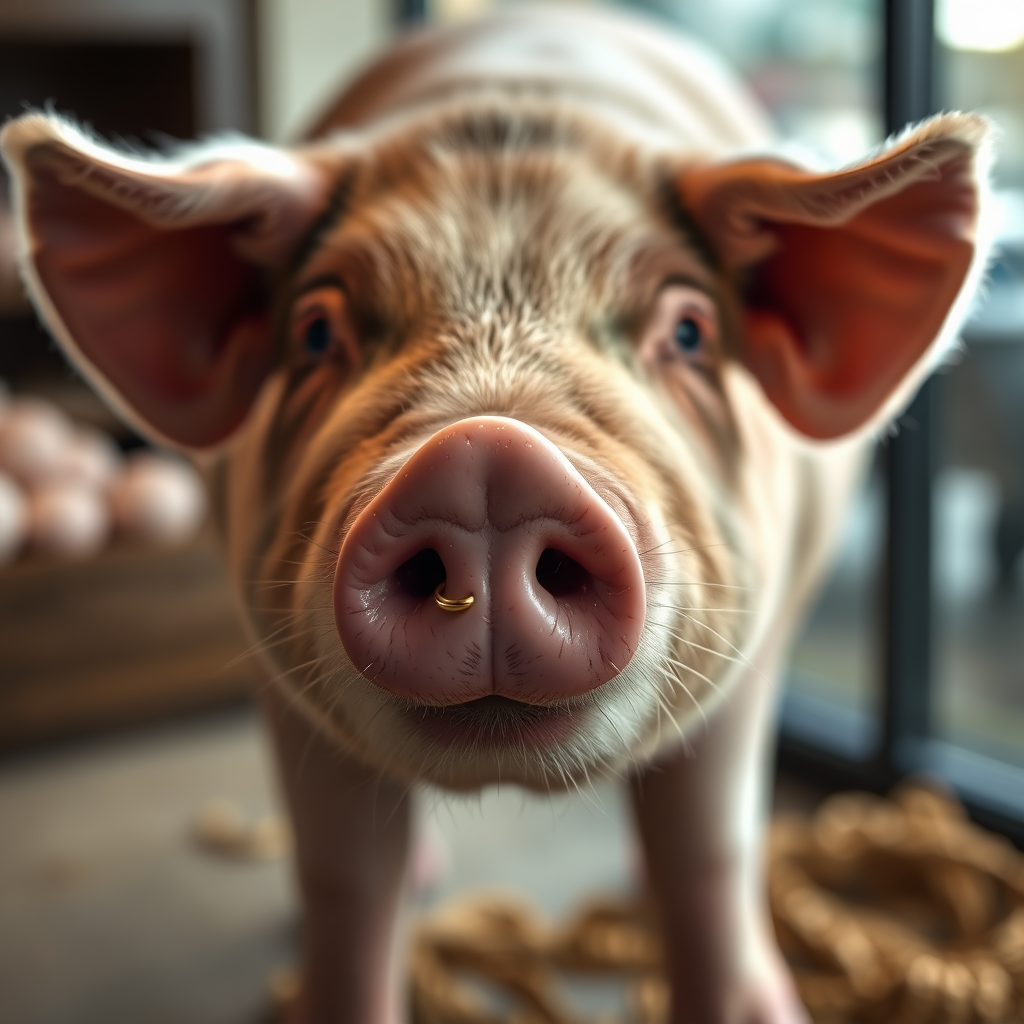
Pigs often do have nose rings, and they are primarily used as a means of controlling their behavior, especially in farming environments. These rings can help prevent rooting, which is a natural behavior for pigs that can cause significant damage to land. The use of nose rings raises important questions about animal welfare, ethical farming practices, and the long-term implications for both pigs and the agricultural industry. In this article, we’ll explore the reasons behind the use of nose rings, their effectiveness, and some ethical considerations surrounding their use.
The Purpose of Nose Rings
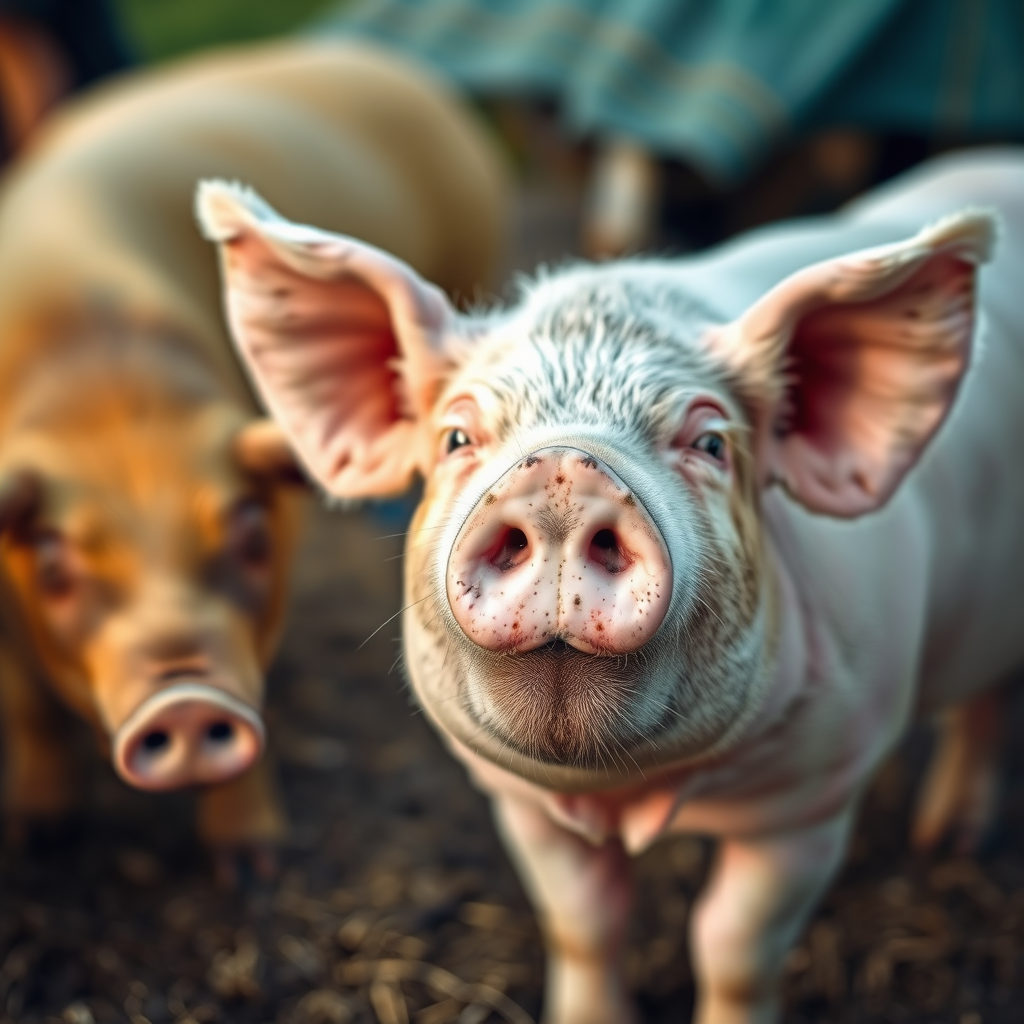
Nose rings serve a crucial role in managing pigs’ natural behaviors, particularly their tendency to root in the soil. This rooting behavior is instinctual for pigs, as they use their snouts to uncover food, search for roots, and explore their environment. However, in a farming setting, this behavior can lead to severe damage to crops and land, resulting in economic losses for farmers.
By using nose rings, farmers can mitigate this behavior. The discomfort caused by the ring when pigs attempt to root discourages them from engaging in this activity, thus preserving the integrity of the land. Additionally, nose rings can help maintain order within a herd by preventing aggressive behaviors associated with competition for food. Overall, the primary purpose of nose rings is to facilitate better management of pigs in agricultural settings while ensuring that the land remains productive.
Types of Nose Rings
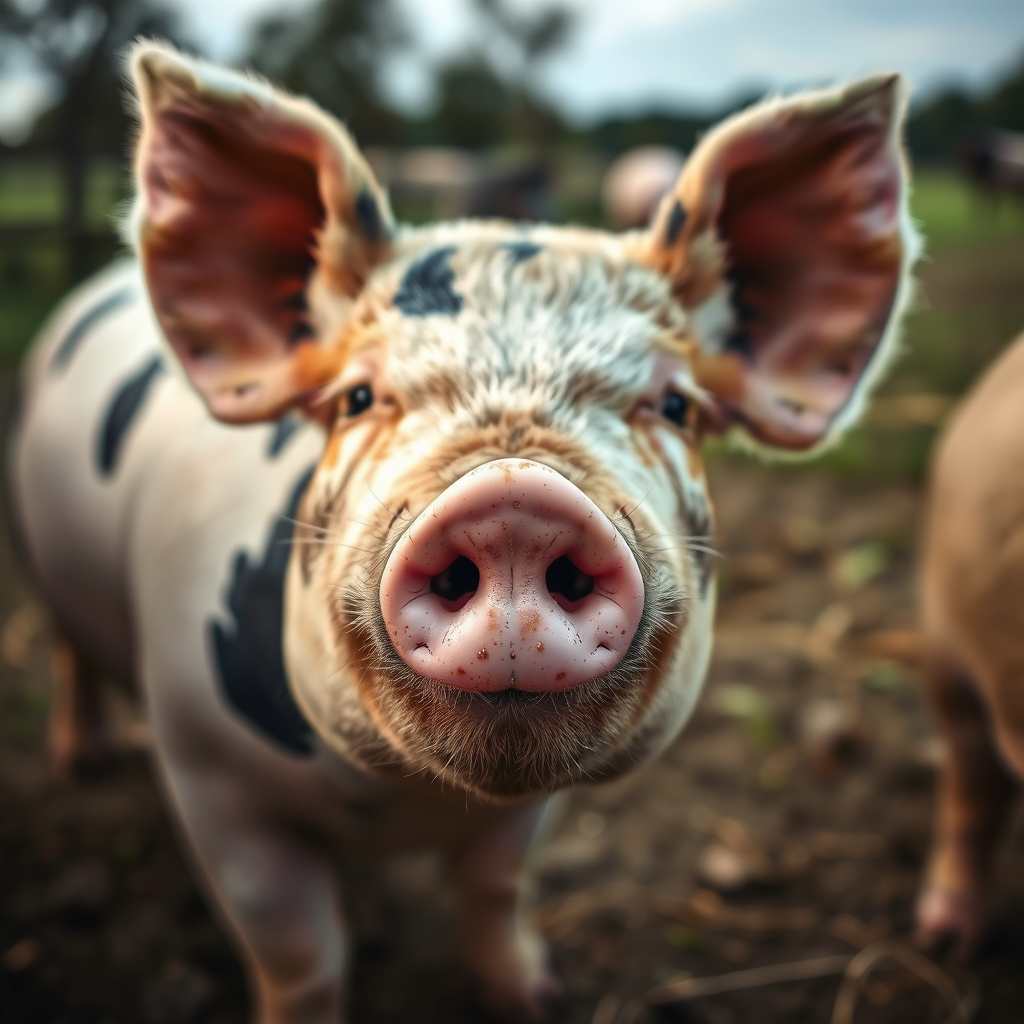
There are several types of nose rings available, each designed for specific purposes and varying in materials, size, and design. The most common materials used for nose rings are metal and plastic, with metal rings typically being more durable and suitable for long-term use. Plastic rings, on the other hand, may be preferred for younger pigs or those in less aggressive environments due to their lighter weight and reduced risk of injury.
Nose rings come in various sizes to accommodate different breeds and ages of pigs. Some rings are designed with specific features, such as a wider diameter to minimize pain or special locking mechanisms to prevent accidental removal. The choice of nose ring will depend on the specific needs of the farm and the behavior of the pigs being managed. Understanding the different types of nose rings available can aid farmers in selecting the most appropriate option for their livestock.
How Nose Rings Are Used
The installation of nose rings is a process that requires careful attention to the animal’s welfare and comfort. Farmers typically begin by choosing the right size and type of ring for their pigs. Once the appropriate ring is selected, the installation usually involves a quick procedure where a specialized tool is used to pierce the nasal septum. It is crucial that this procedure is performed by trained professionals to minimize stress and pain for the animals.
Training pigs to accept nose rings is equally important. Gradual introduction is recommended, often starting with familiarization with the equipment before actual installation. Farmers can use positive reinforcement techniques to create a positive association with the nose ring, helping the pigs adjust more comfortably. This careful approach not only ensures compliance with farming practices but also respects the animals’ well-being.
Health and Well-being Considerations
While nose rings are effective in controlling behavior, there are potential health impacts that must be considered. Pigs with nose rings may experience discomfort, particularly if the ring is not fitted correctly or if it becomes infected. Long-term use of nose rings can also lead to issues such as nasal injuries or chronic pain, which raise significant concerns regarding animal welfare.
Farmers should be vigilant in monitoring the health of pigs wearing nose rings, ensuring that any signs of distress or injury are addressed promptly. Additionally, alternatives to nose rings should be explored. Options such as improved fencing, environmental enrichment, and behavioral training can provide effective management strategies without the need for invasive equipment. By examining these alternatives, farmers can prioritize the well-being of their animals while still achieving desired behavioral outcomes.
Ethical Perspectives on Nose Rings
The use of nose rings in farming has sparked a debate around animal welfare and ethical practices. Proponents argue that nose rings are a necessary tool for effective livestock management, preventing damage to crops and ensuring the economic viability of farming operations. They emphasize that, when used properly, nose rings do not cause significant harm and can be seen as part of responsible farming.
Conversely, critics of nose rings highlight the discomfort and pain that can accompany their use. They argue that such methods reflect outdated practices that prioritize economic gain over the welfare of animals. As public awareness of animal rights grows, there is increasing pressure on farmers to adopt more humane approaches to livestock management. This ongoing dialogue around the ethics of nose rings underscores the need for continuous evaluation and improvement of farming practices to ensure that animal welfare remains a priority.
Regulatory Guidelines and Best Practices
In many regions, the use of nose rings is subject to regulatory guidelines aimed at ensuring animal welfare. These regulations may stipulate the types of nose rings that can be used, the procedures for installation, and the conditions under which they may be employed. Farmers are encouraged to stay informed about local laws and guidelines to ensure compliance and ethical practice.
Best practices for the ethical use of nose rings include regular health assessments of pigs, ongoing education for farmers about animal welfare, and the exploration of alternative management strategies. Maintaining clear communication with veterinarians and animal welfare organizations can also help farmers implement the most humane and effective solutions for behavioral control. By adhering to these guidelines, farmers can contribute to a more responsible and ethically sound agricultural industry.
In conclusion, while nose rings are commonly used in pig farming to manage behavior and prevent land damage, they raise important ethical and health considerations. As awareness of animal welfare increases, exploring alternative methods becomes essential. If you’re involved in farming or animal care, consider educating yourself about best practices and alternatives to ensure the well-being of pigs. The future of livestock management may depend on our ability to balance agricultural needs with the ethical treatment of animals, prompting a shift towards more humane and sustainable farming practices.
Frequently Asked Questions
Do pigs have nose rings for a specific purpose?
Yes, pigs often have nose rings for several practical purposes. Primarily, they are used to prevent rooting behavior, which can damage pastures and crops. By placing a ring in the pig’s snout, farmers can deter them from digging into the ground, thus protecting their land and ensuring better management of their livestock.
How are nose rings applied to pigs, and is the process painful?
Nose rings are typically applied to pigs using a specialized tool that inserts the ring through the cartilage of the snout. While there may be some discomfort during the procedure, it is generally quick and can be done with minimal stress to the animal. Proper handling and care during the application can help reduce pain and ensure the pig’s well-being.
Why do some farmers choose not to use nose rings on pigs?
Some farmers opt against using nose rings due to ethical concerns regarding animal welfare and the potential for pain or infection. Additionally, they may prefer alternative methods for managing rooting behavior, such as providing adequate space, enriching the pig’s environment, or using fencing techniques that prevent damage without the need for rings.
What are the alternatives to nose rings for managing pig behavior?
Alternatives to nose rings include providing adequate space for pigs to roam, using enriched environments with toys and obstacles, and implementing proper training techniques. Some farmers also use electric fencing or designated rooting areas to satisfy the pigs’ natural behaviors while preventing damage to crops and pastures.
Which breeds of pigs are most commonly associated with nose rings?
Nose rings are commonly associated with commercial pig breeds, such as the Yorkshire, Landrace, and Duroc breeds. These breeds are often raised for intensive farming purposes where managing rooting behavior is crucial. However, it’s important to note that the use of nose rings can vary by region and farming practices, with some farmers choosing to forgo them entirely.
References
- Pig
- https://www.humanesociety.org/resources/pigs
- https://www.peta.org/issues/animals-used-for-food/factory-farming/facts-pigs/
- https://www.ncbi.nlm.nih.gov/pmc/articles/PMC4913725/
- https://www.extension.purdue.edu/extmedia/AS/AS-598-W.pdf
- https://www.thepigsite.com/articles/what-is-the-purpose-of-nose-rings-in-pigs
- Vaccine – ABC News