Getting a nose ring right away is possible, but there are important factors to consider before you proceed. This article will guide you through the essential details about getting a nose piercing, including timing, healing, and aftercare, ensuring you make an informed decision.
Understanding the Piercing Process
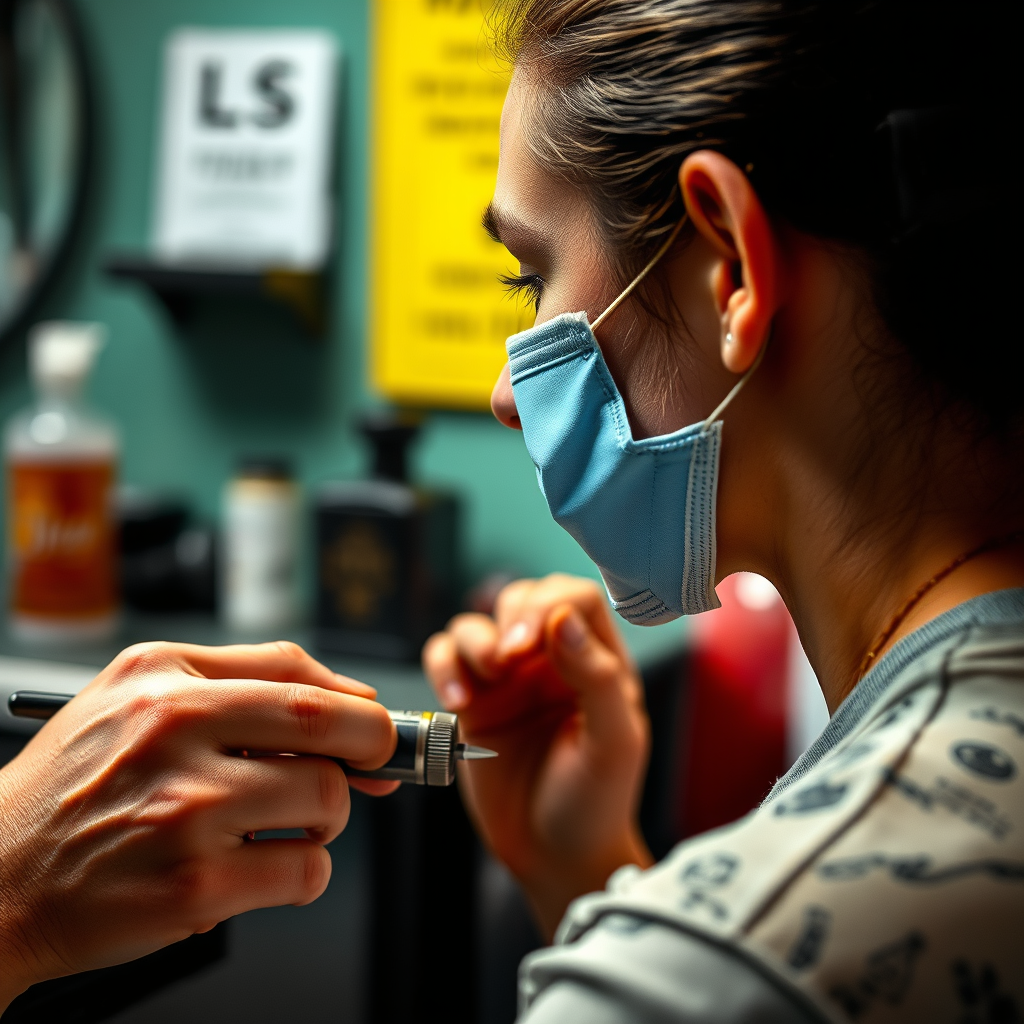
Piercing studios often allow immediate piercings if you’re of legal age or have parental consent. Upon arrival at the studio, you will typically be required to complete a consent form and may need to provide identification. It’s crucial to understand that the piercing process involves both the physical act of puncturing the skin and the selection of appropriate jewelry. The type of jewelry used for initial piercings can significantly impact your healing experience; materials like titanium, surgical steel, or niobium are favored because they minimize the risk of allergic reactions and infections. Some studios may even provide a selection of jewelry options during your appointment, allowing you to choose a style that aligns with your aesthetic preferences while ensuring safety.
Age and Consent Requirements

Most studios require you to be at least 18 years old to get a nose piercing on your own. If you are younger, you will need to obtain parental consent. This often means that a parent or guardian must accompany you to the studio to sign the necessary forms. It’s advisable to check the specific regulations of your local area, as laws can vary. To avoid any issues, bring proper identification, such as a driver’s license or a student ID, that verifies your age. Being prepared with all necessary paperwork not only expedites the process but also ensures that you can proceed with your piercing without unnecessary delays.
Choosing the Right Piercing Studio
Selecting the right piercing studio is crucial for a safe and satisfactory experience. Research reputable studios by looking for those that prioritize good hygiene practices and employ trained professionals. A clean environment is essential; the studio should use sterilized equipment and single-use needles. Reading reviews on platforms such as Google or Yelp can provide insight into the experiences of previous clients, helping you gauge the quality of service. Additionally, asking for recommendations from friends or family who have had successful piercings can lead you to trustworthy piercers. Don’t hesitate to visit the studio beforehand to inquire about their procedures and to get a feel for their professionalism and customer service.
Aftercare Essentials
Aftercare is a key component of the piercing process that can greatly influence healing and overall satisfaction with the piercing. Follow specific aftercare instructions provided by your piercer diligently. This usually includes cleaning the piercing with a saline solution or a specialized piercing aftercare spray, which helps to prevent infections. It’s crucial to avoid touching the piercing with dirty hands, as this can introduce bacteria and lead to complications. Additionally, refrain from changing the jewelry until the piercing is fully healed, as doing so prematurely can irritate the area and disrupt the healing process. Maintaining a clean environment around the piercing will aid in quicker recovery and ensure that your new nose ring looks great.
Pain and Healing Time
Be prepared for some discomfort during and after the piercing, although pain levels can vary significantly from person to person. While the actual piercing may cause a quick sting, most individuals find the pain manageable. Post-piercing soreness is common and can last for several days. Healing typically takes 4-6 weeks for a nostril piercing, but this timeline can vary based on factors such as individual health, lifestyle, and aftercare practices. It’s important to monitor the piercing during this time for any signs of infection, such as excessive redness, swelling, or discharge. If you experience any of these symptoms, consult with your piercer or a healthcare professional.
Jewelry Options for Initial Piercings
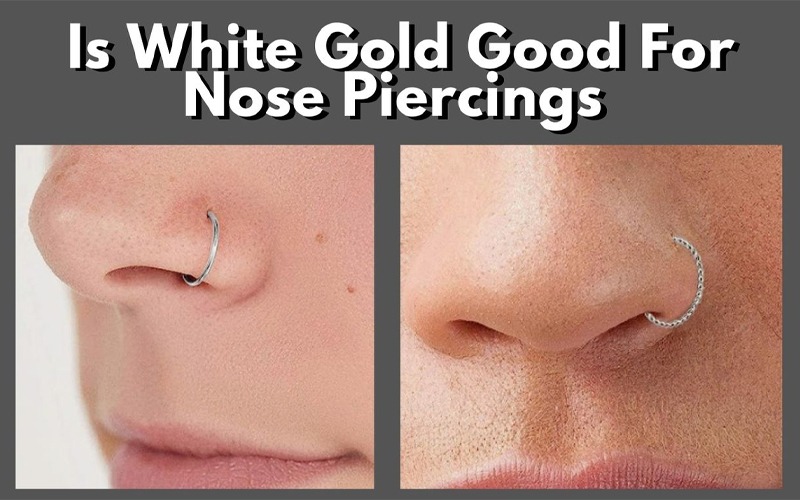
When selecting jewelry for your initial nose piercing, opting for hypoallergenic materials is essential. Titanium and surgical steel are excellent choices due to their durability and low risk of causing allergic reactions. Avoid jewelry made from cheaper metals or non-sterilized materials, as these can lead to irritation or infections. In addition to material, consider the size and style of the jewelry; simple studs or small hoops are often recommended for initial piercings since they tend to be less intrusive and more comfortable while healing. As you become accustomed to your nose ring, you can explore more elaborate designs and styles that reflect your personal aesthetic.
Risks and Considerations
As with any body modification, it’s important to understand the risks involved in getting a nose piercing. Possible complications include infections, allergic reactions, and keloids (raised scars), all of which can occur if proper care is not taken. Additionally, consider the potential impact on your personal or professional life; some workplaces may have policies against visible piercings. Take time to assess if you’re ready for the commitment of a nose piercing, which is not only a fashion statement but can also require ongoing care and attention. If you have any underlying health conditions or concerns about the procedure, consult with a healthcare provider prior to making your decision.
Summarizing the key points, getting a nose ring right away is feasible with the right knowledge and preparation. Ensure you choose a reputable studio, follow aftercare guidelines, and understand the potential risks involved. If you’re ready, schedule your appointment and enjoy your new look!
Frequently Asked Questions
Can you get a nose ring right away after piercing?
Yes, you can get a nose ring immediately after piercing, as most professional piercers will insert the jewelry during the procedure. It’s crucial to choose a reputable piercing studio that uses high-quality materials to minimize the risk of allergic reactions and ensure proper healing.
How long does it take for a nose piercing to heal before changing the ring?
A nose piercing typically takes 2 to 4 months to heal fully, depending on individual factors like skin type and aftercare practices. During this healing period, it’s advisable to keep the original nose ring in place to prevent irritation and ensure the piercing remains open. Changing the jewelry too soon can lead to complications such as infections or closing of the piercing.
Why do some people experience pain after getting a nose ring?
Experiencing pain after getting a nose ring is common and can result from several factors, including the body’s natural healing response, irritation from the jewelry, or improper aftercare. Ensuring you follow the piercer’s aftercare instructions—such as cleaning the area and avoiding touching it—can help reduce discomfort and promote healing.
What type of nose ring is best for new piercings?
The best type of nose ring for new piercings is typically a stud made from hypoallergenic materials like titanium, surgical stainless steel, or gold. These materials minimize the risk of infection and allergic reactions, making them ideal for sensitive skin. It’s also advisable to choose a simpler design, as intricate styles may irritate the healing tissue.
Which factors should you consider before getting a nose ring?
Before getting a nose ring, consider factors such as your pain threshold, lifestyle, and job or school policies regarding body jewelry. Additionally, research reputable piercing studios, check their hygiene practices, and review the aftercare instructions. Understanding these elements can help ensure a positive piercing experience and a smoother healing process.
References
- https://www.ncbi.nlm.nih.gov/pmc/articles/PMC6529066/
- https://www.healthline.com/health/nose-piercing-aftercare
- https://www.verywellhealth.com/nose-piercing-5190915
- https://www.aafp.org/pubs/afp/issues/2006/0415/p1343.html
- https://www.mayoclinic.org/tests-procedures/nose-piercing/about/pac-20391810