Getting a nose ring to close can take anywhere from a few hours to several weeks, depending on various factors such as how long you’ve had the piercing and your body’s healing process. For those who have recently removed their nose jewelry, the closure may begin almost immediately. However, for more established piercings, the timeframe can extend significantly. Understanding the dynamics of piercing closure is essential for anyone considering the removal of their nose ring, whether due to lifestyle changes or personal preferences. In this article, you will learn the different time frames for closure, factors that influence this duration, and what you can do to manage the process effectively.
Understanding Piercing Healing Times

Most nose piercings take approximately 4 to 6 months to fully heal, during which time the body undergoes various biological processes to repair the tissue. Initially, when a piercing is made, the body views it as an injury and begins the healing process, which involves inflammation and the formation of scar tissue. In the early stages, the piercing is delicate and can close very quickly if the jewelry is removed. If the jewelry is taken out within the first few days, the hole may close in just a matter of hours or days. Conversely, after several months, if the jewelry is removed, the closure process can take significantly longer—sometimes weeks or even months—as the tissue has formed a stronger bond around the jewelry.
It’s important to note that even after the initial healing period, the piercing can still be sensitive and susceptible to closing. Factors such as the location of the piercing and individual body responses to trauma can also play a role in determining how long it will take for a nose ring to close.
Factors Influencing Closure Time
Several factors impact how quickly a nose ring will close after removal. One of the primary considerations is the duration of the piercing. Generally, the longer you have worn the piercing, the longer it will take to close. For instance, a piercing that has been in place for several years may take weeks to close, while a new piercing may close within days.
Individual healing factors also significantly influence closure time. Age can play a role, as younger individuals tend to heal faster than older adults. Additionally, overall health—including the presence of medical conditions or nutritional status—can affect the healing process. For example, individuals with conditions such as diabetes or autoimmune disorders may experience slower healing times. Skin type is another crucial factor; those with thicker skin may find their piercings take longer to close due to the increased tissue density.
What Happens When You Remove the Jewelry
When you remove the jewelry from your nose piercing, the body immediately begins the process of healing the wound. In many cases, the hole may start to close quickly after removal, especially if the piercing is new. Within the first few hours, you may notice that the opening has already begun to shrink.
However, rapid closure can sometimes lead to complications. If a piercing that has been in place for a long time closes too quickly, it can result in scarring. This scarring may be more pronounced if the piercing was larger or if the jewelry had been thick. Scarring can be particularly problematic for those who may want to re-pierce the area in the future, as it can alter the skin structure and make it more difficult to achieve a clean second piercing.
To mitigate these risks, it’s advisable to follow specific care practices immediately after removing the jewelry to minimize complications and promote healthy closure.
Tips for Managing a Closed Piercing
Maintaining hygiene is paramount during the closure process. Keeping the area clean can prevent infections that may delay healing and complicate closure. Use a mild saline solution or an antiseptic specifically designed for piercings to clean the area regularly without causing irritation.
If you anticipate needing to remove your nose ring temporarily—perhaps for a job interview or an event—consider using a retainer. A retainer is a small piece of jewelry made from biocompatible materials like plastic or titanium that can help maintain the piercing’s integrity. This option allows you to remove the visible jewelry while still keeping the hole open.
Additionally, staying hydrated and maintaining a balanced diet can support your body’s healing processes. Incorporating foods rich in vitamins C and E can enhance skin health and support regeneration.
Signs of Infection or Complications
While it is normal for a piercing to experience some inflammation during the healing process, certain signs may indicate an infection or complication. Redness, swelling, and discharge are common symptoms that should not be ignored. If you notice these symptoms persisting for more than a few days or if they worsen, it’s crucial to seek medical advice promptly. Infections can lead to prolonged healing times and potentially permanent scarring.
Additionally, if you experience fever, increased pain, or a change in the color of the discharge—especially if it turns yellow or green—these could be signs of a more serious infection that requires immediate attention.
What to Do if You Want to Re-Pierce Later
If you decide to re-pierce your nose after removing the jewelry, patience is key. It is essential to wait for the piercing to close completely before considering re-piercing to avoid complications. The timeline for this can vary significantly, depending on individual healing factors and how long the piercing was originally worn.
Once you notice that the hole has completely closed, it is wise to consult a professional piercer. A skilled piercer can assess the area and provide insights on the best placement for the new piercing. They may also suggest waiting longer if they observe any scarring or changes in the skin texture to ensure the best possible outcome for your new piercing.
In summary, understanding the closure process of a nose ring is crucial for anyone considering the removal of their piercing. The duration can vary widely based on several factors, including how long the piercing has been in place and individual healing characteristics. By maintaining proper hygiene, considering retainers, and being vigilant about signs of infection, you can effectively manage the closure process. If you have further questions or are considering getting a piercing, consulting a professional for personalized advice is always recommended.
Frequently Asked Questions
How long does it take for a nose ring to close after removal?
The time it takes for a nose ring to close after removal varies widely among individuals, typically ranging from a few hours to several months. Generally, if the piercing is fresh (less than a year old), it may close within a few hours to a couple of days. For older piercings, especially those that have been in place for years, it can take weeks or even longer for the hole to completely close.
What factors influence how quickly a nose ring hole closes?
Several factors influence how quickly a nose ring hole closes, including the age of the piercing, individual healing rates, and skin type. Younger piercings tend to close faster than those that have been healed for years. Additionally, people with oily skin or those who have had other piercings may experience different closure times due to their unique body chemistry and healing processes.
Why does a nose ring hole close up quickly?
A nose ring hole can close up quickly due to the body’s natural healing response, which aims to repair any openings in the skin. The skin cells regenerate rapidly, and when a piercing is removed, the body begins to seal the hole almost immediately. This is particularly pronounced in newer piercings, where the tissues are still adjusting to the presence of the jewelry.
What should I do if my nose ring hole is closing but I want to keep it open?
If your nose ring hole is starting to close but you want to keep it open, consider reinserting a clean, sterilized nose ring as soon as possible. Gently twisting the jewelry can help maintain the opening. If the hole is too tight, you might need to use a taper or a smaller gauge earring to gradually expand the hole back to its original size while ensuring you maintain proper hygiene to prevent infection.
Which type of nose ring is best for minimizing closure time?
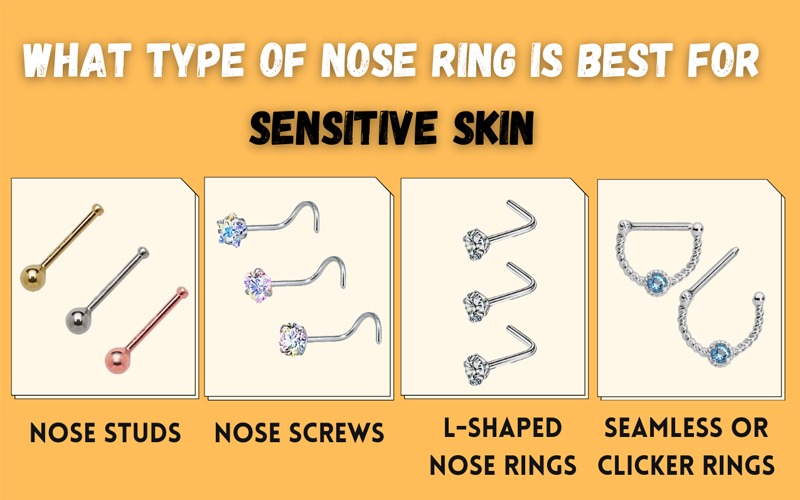
The best type of nose ring for minimizing closure time is often a stud or hoop made of high-quality materials such as titanium or surgical stainless steel. These materials are less likely to irritate the skin and can help keep the piercing open without causing inflammation. Additionally, wearing a nose ring continuously, without long breaks, helps maintain the integrity of the hole, making it less likely to close quickly.
References
- Body piercing
- https://www.ncbi.nlm.nih.gov/pmc/articles/PMC6708884/
- https://www.healthline.com/health/nose-piercing-care
- https://www.verywellhealth.com/nose-piercing-care-5106261
- https://www.webmd.com/beauty/what-to-know-about-nose-piercings
- https://www.mayoclinic.org/healthy-lifestyle/adult-health/in-depth/piercings/art-20045292
- https://www.health.harvard.edu/staying-healthy/piercings-and-tattoos-skin-safety-tips