Healing time for a nose ring typically ranges from 6 to 8 weeks, but factors like individual healing rates and proper care can influence this period. The nose piercing healing process is not uniform; it varies significantly from person to person. Understanding the stages of healing, adhering to aftercare tips, and recognizing potential complications can facilitate a smoother and more effective healing journey. In this article, we will delve into the intricacies of the healing process, factors that may affect healing time, and essential care practices to promote optimal recovery.
Understanding the Healing Process
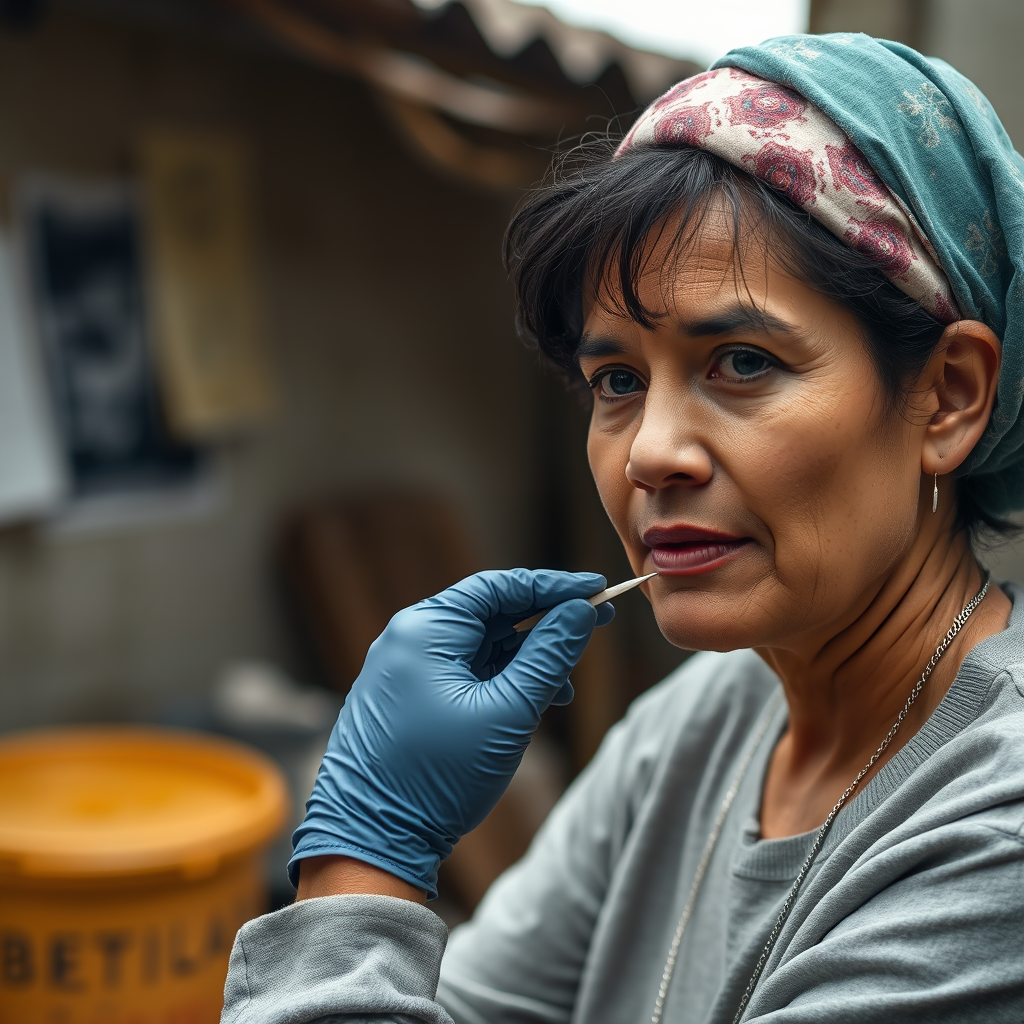
The healing process of a nose ring can be divided into several stages, each critical for the successful integration of the jewelry into the body. Initially, when the piercing is made, the body reacts with inflammation, which is a natural response to injury. This stage typically lasts for a few days and is characterized by mild swelling and redness around the piercing site.
Following the initial inflammation, the body begins the tissue repair phase, where the skin starts to regenerate and the piercing begins to stabilize. During this time, it’s crucial to monitor the site for any signs of complications. Complete healing can take anywhere from 6 to 8 weeks for nostril piercings, while septum piercings may take slightly longer, often up to 10 weeks or more, due to their unique anatomy and placement. Understanding these stages can help you set realistic expectations for your healing journey and encourage you to take care of your piercing properly.
Factors Affecting Healing Time
Several individual and environmental factors can influence the healing time of a nose ring. Age plays a significant role; younger individuals often heal more quickly than older adults due to a more robust regenerative capacity. Additionally, pre-existing health conditions such as diabetes or autoimmune disorders can impede healing, making it essential for individuals with these conditions to consult with a healthcare professional before getting a piercing.
Skin type also affects healing. For instance, individuals with oily skin may experience different healing dynamics compared to those with dry skin. Environmental factors, such as exposure to bacteria and irritants, significantly impact healing as well. Frequent contact with dirty hands or environments rich in pollutants can introduce harmful bacteria to the piercing site, increasing the risk of infection.
Personal hygiene practices are paramount in this regard. Regular cleaning and monitoring of the piercing can mitigate the risks associated with these environmental factors. Therefore, understanding the interplay of these elements can help you take proactive measures to ensure a smoother healing process.
Aftercare Tips for Nose Ring Healing
Proper aftercare is vital for ensuring that your nose ring heals correctly. Begin by cleaning the area regularly with a saline solution or a recommended cleaning product—usually a mild, alcohol-free antiseptic. This routine should be performed at least twice a day during the healing period. It’s crucial to avoid using harsh chemicals or alcohol-based products, as they can irritate the piercing and prolong healing.Moreover, it is essential to avoid touching or changing the jewelry frequently. Each time you touch the piercing, you risk introducing bacteria, which can lead to complications. If you are tempted to change the jewelry, it is advisable to wait until the piercing is fully healed to prevent irritation and potential infection. Additionally, choose high-quality materials for your jewelry, such as surgical stainless steel, titanium, or 14k gold, as these materials are less likely to cause allergic reactions.
Lastly, maintaining a clean environment around your piercing can help eliminate potential irritants. Avoid sleeping on the side of the piercing until it has healed, and consider using clean pillowcases to minimize contact with bacteria.
Common Symptoms During Healing
During the healing process, it is normal to experience mild swelling, redness, and tenderness around the piercing site. These symptoms are typically temporary and should gradually decrease within the first few weeks. However, it is essential to keep an eye on these symptoms to ensure they do not escalate into something more concerning.
When to Seek Professional Help
Knowing when to seek professional help is key to managing your nose ring’s healing process effectively. If symptoms persist beyond the expected healing time or worsen, it is advisable to consult a professional piercer or a healthcare provider. They can assess the situation, provide appropriate treatment, and make necessary jewelry adjustments to facilitate healing.
In some cases, persistent issues may require medical intervention. If an infection is suspected, a healthcare professional may prescribe antibiotics to help clear the condition. Additionally, if the jewelry is not suitable for your skin type or if an allergic reaction is suspected, a professional can recommend the best course of action, including switching to hypoallergenic materials.
Lifestyle Adjustments for Faster Healing
Making some lifestyle adjustments can significantly enhance the healing process of your nose ring. A balanced diet rich in vitamins and minerals, particularly Vitamin C and zinc, supports skin health and can expedite healing. Foods such as citrus fruits, leafy greens, and nuts are excellent additions to your diet during this period.
Moreover, limiting activities that may irritate the piercing is crucial. Swimming in pools or hot tubs should be avoided until the piercing is fully healed, as they can expose the site to bacteria and irritants. Similarly, while exercising, be mindful of your environment to avoid unnecessary contact with dirty hands or surfaces.
Stress management is also a vital component of the healing process. High-stress levels can weaken the immune system, potentially prolonging healing times. Engaging in relaxation techniques such as yoga, meditation, or deep-breathing exercises can contribute positively to your overall health and healing.
In summary, taking proactive steps towards a healthy lifestyle can not only enhance your healing process but also improve your overall well-being.
By understanding the healing process, adhering to aftercare guidelines, and recognizing when to seek help, you can ensure a successful healing journey for your nose ring. Remember, healing is a personal experience that varies from individual to individual, so being attentive to your body’s signals is essential. Emphasizing proper care and monitoring throughout this period will aid in achieving a healthy and beautiful nose piercing.
Frequently Asked Questions
How long does it typically take for a nose ring to heal?
The healing time for a nose ring can vary, but it generally takes about 4 to 6 months for a nostril piercing to fully heal. During this period, it’s crucial to keep the area clean and avoid unnecessary manipulation of the piercing to prevent complications. Individual factors, such as skin type and aftercare practices, can influence the healing duration.
What are the signs that my nose ring is healing properly?
Signs of proper healing include minimal discomfort, slight redness that fades over time, and no discharge or only a small amount of clear fluid. As healing progresses, you should notice a reduction in swelling and sensitivity. If you experience excessive pain, persistent swelling, or green/yellow discharge, it may indicate an infection, and you should consult a professional piercer or healthcare provider.
Why is my nose ring taking longer to heal than expected?
Several factors can contribute to a prolonged healing time for your nose ring, including improper aftercare, allergic reactions to the jewelry material, or underlying health conditions. Additionally, if the piercing is frequently irritated or if the jewelry is too tight, it can lead to extended healing. Ensuring proper hygiene and following aftercare guidelines can help expedite the healing process.
What is the best aftercare routine for a healing nose ring?
The best aftercare routine for a healing nose ring includes cleaning the area twice a day with a saline solution or a gentle, non-alcoholic antiseptic. Avoid touching or twisting the jewelry and steer clear of swimming in pools or hot tubs until fully healed. Additionally, opting for high-quality jewelry made of materials like titanium or surgical stainless steel can reduce the risk of irritation and promote faster healing.
Which type of nose ring is best for minimizing healing time?
When choosing a nose ring for your piercing, opt for jewelry made from hypoallergenic materials such as titanium or surgical stainless steel, as these materials are less likely to cause allergic reactions. Additionally, consider starting with a simple stud rather than a hoop, as studs tend to cause less irritation during the healing process. Properly sized jewelry that fits well and allows room for swelling will also help minimize healing time.
References
- https://en.wikipedia.org/wiki/Nose_piercing
- https://www.ncbi.nlm.nih.gov/pmc/articles/PMC4897448/
- https://www.healthline.com/health/nose-piercing-healing-time
- https://www.webmd.com/beauty/nose-piercing-healing
- https://www.mayoclinic.org/healthy-lifestyle/adult-health/expert-answers/nose-piercing/faq-20057967
- https://www.verywellhealth.com/nose-piercings-5088463