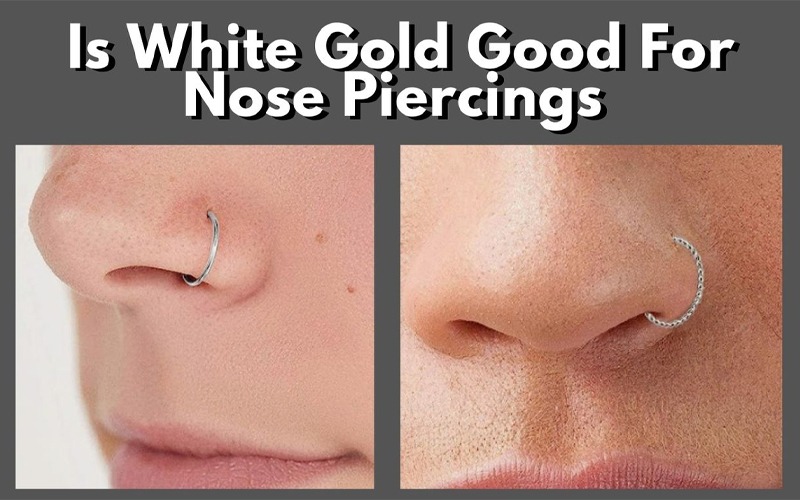
Inserting a corkscrew nose ring can be a straightforward process if you follow the right steps. With proper preparation and technique, you can comfortably and effectively place a corkscrew nose ring in your piercing. This guide offers detailed insights and techniques to ensure a successful insertion and tips to avoid common pitfalls experienced by many.
Preparing for Insertion
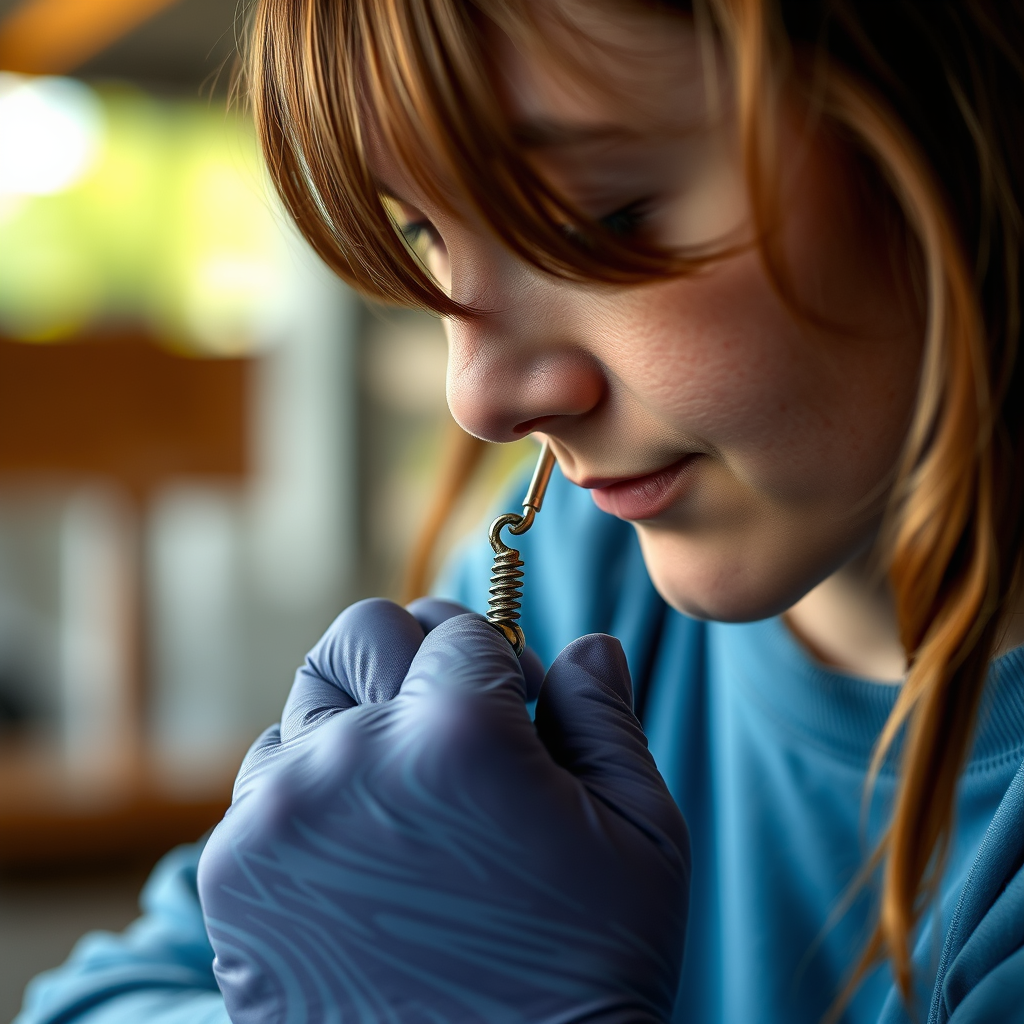
Before you dive into the insertion process, preparation is key to ensuring a smooth experience. Start by thoroughly cleaning your hands with soap and water. This step is crucial as it minimizes the risk of infection during the insertion process. Next, gather your corkscrew nose ring, a mirror, and, if available, a pair of gloves for added hygiene. A clean space and good lighting will enhance visibility, which is essential for accurately aligning the nose ring with your piercing. If you’re using a corkscrew made from a non-irritating material, such as surgical stainless steel or titanium, it will help reduce the occurrence of allergic reactions and promote healing.
Finding the Right Angle

Positioning yourself correctly is vital for a successful insertion. Stand or sit in front of a well-lit mirror where you can easily see your nostril. Tilt your head slightly to one side; this angle provides a clearer view of your piercing and allows for easier access. Take a moment to relax and steady your breathing, as tension can make the process more difficult. If you’re unsure about the exact location of your piercing, gently feel around the area to locate it before beginning the insertion.
Inserting the Corkscrew
Now that you’re prepared and positioned, it’s time to insert the corkscrew nose ring. With one hand, gently hold your nostril open to create a clear pathway for the ring. This action will help you avoid unnecessary pressure or discomfort during the insertion. With your other hand, take the corkscrew tip and align it with the opening of your piercing. Gently push the tip through the hole, applying a small amount of pressure. It’s essential to be patient during this step; if you feel resistance, do not force the ring through as this could cause irritation or injury to the tissue. Instead, slightly adjust the angle or reposition your hand for a better fit.
Securing the Nose Ring
Once the tip of the corkscrew is through your piercing, it’s time to secure the nose ring in place. Carefully rotate the corkscrew using your fingers, which will help guide the rest of the ring through the nostril. Make sure that the ring is not too tight, as this can cause discomfort, but it should fit securely enough to avoid falling out. Check to ensure that the corkscrew is positioned correctly, with the spiral part facing inward, which helps to keep the ring securely in place. If you experience any pain during the process, it’s best to remove the ring and consult a professional piercer.
Post-Insertion Care
After successfully inserting your corkscrew nose ring, proper aftercare is essential to promote healing and prevent infection. Start by cleaning the area around your piercing with a saline solution, which can be made by mixing salt with warm water. Avoid using alcohol or hydrogen peroxide, as these can irritate the sensitive tissue. For the first few days, refrain from touching or twisting the nose ring to allow your body to adjust to the new jewelry. Monitor your piercing for any signs of infection, such as increased redness, swelling, or discharge. If any of these symptoms occur, consult a healthcare professional or a piercer for guidance.
Troubleshooting Common Issues
Even with careful preparation, issues can arise during the process of inserting a corkscrew nose ring. If you experience pain or swelling after insertion, it might indicate that the jewelry is too tight or the wrong size for your piercing. In this case, consider seeking advice from a professional piercer who can assess the situation and recommend suitable alternatives. If your corkscrew ring doesn’t stay in, double-check the size and shape. Corkscrew designs vary, and some may not be appropriate for all piercings. It’s always better to consult with an expert if you’re uncertain about the fit or if you encounter persistent issues.
In summary, inserting a corkscrew nose ring involves a series of straightforward steps that, when followed carefully, can lead to a successful and comfortable experience. Always prioritize hygiene and proper aftercare to ensure your piercing heals correctly. If you encounter any difficulties, don’t hesitate to reach out to a professional for assistance. By following these guidelines, you’ll be well on your way to enjoying your new nose ring. Happy piercing!
Frequently Asked Questions
How do I insert a corkscrew nose ring properly?
To insert a corkscrew nose ring, first ensure your hands are clean to prevent infection. Hold the corkscrew shaped end, gently insert the straight end into the piercing from the inside of your nostril, and rotate the corkscrew part so it rests securely against the inside of your nose. Once in place, gently pull on the outer end to ensure it is secure and comfortable.
Why does my corkscrew nose ring keep falling out?
If your corkscrew nose ring keeps falling out, it may be due to improper insertion or the corkscrew not being twisted securely enough. Additionally, if your nose swells or if the piercing is new, the jewelry might not fit well. It’s essential to ensure the corkscrew is tightly coiled and to consult with a professional piercer if the problem persists, as they can recommend the best fitting jewelry for your nose.
What are the benefits of using a corkscrew nose ring over other types?
Corkscrew nose rings offer several benefits, including a secure fit due to their twisted design, which reduces the risk of them slipping out compared to other types like studs or hoops. They are also less likely to irritate the piercing as they sit snugly against the inside of the nostril. Additionally, corkscrew nose rings come in various materials and styles, making them a versatile option for different personal aesthetics.
Which material is best for a corkscrew nose ring?
The best materials for a corkscrew nose ring include surgical stainless steel, titanium, and gold. Surgical stainless steel is hypoallergenic and widely recommended for new piercings, while titanium is even lighter and less likely to cause irritation. Gold options are also popular, but ensure it’s at least 14k to minimize the risk of allergic reactions. Always choose materials that are safe for sensitive skin to promote healing.
How can I tell if my corkscrew nose ring is the right size?
To determine if your corkscrew nose ring is the right size, check that it fits snugly without causing discomfort or excessive pressure. The straight end should go through the piercing easily, and the corkscrew should not be overly tight against the inside of your nostril. If you experience pain, redness, or swelling, it may be a sign that the ring is the wrong size, so consulting a professional piercer for proper fitting is advisable.
References
- Nose piercing
- https://www.ncbi.nlm.nih.gov/pmc/articles/PMC5052185/
- https://www.healthline.com/health/nose-piercing-care
- https://www.verywellhealth.com/nose-piercing-5115243
- https://www.aaaai.org/conditions-and-treatments/library/allergy-library/nose-piercing-and-allergies
- https://www.hopkinsmedicine.org/health/conditions-and-diseases/piercing-safety-what-you-need-to-know