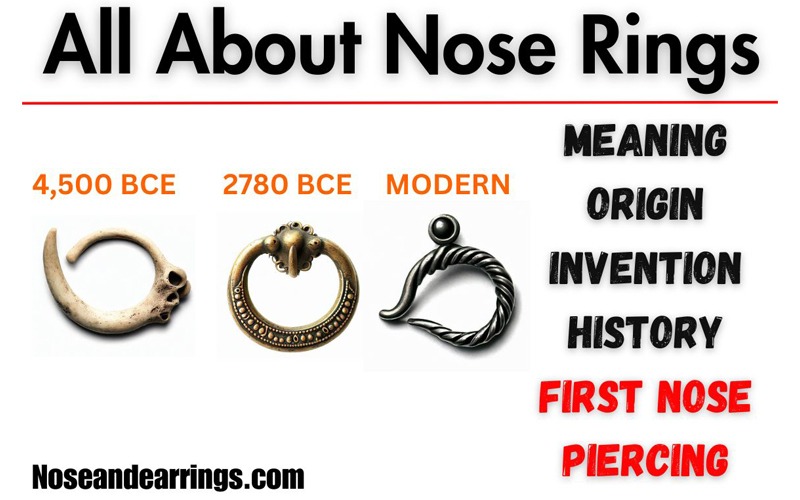
Nose rings have a deep-rooted history that spans thousands of years, primarily originating in the Indian subcontinent and the Middle East. These adornments have served both aesthetic and cultural purposes, evolving through various societies and traditions. This article delves into the historical significance, cultural meanings, and evolution of nose rings, providing insights into their journey through time and across cultures.
Ancient Beginnings
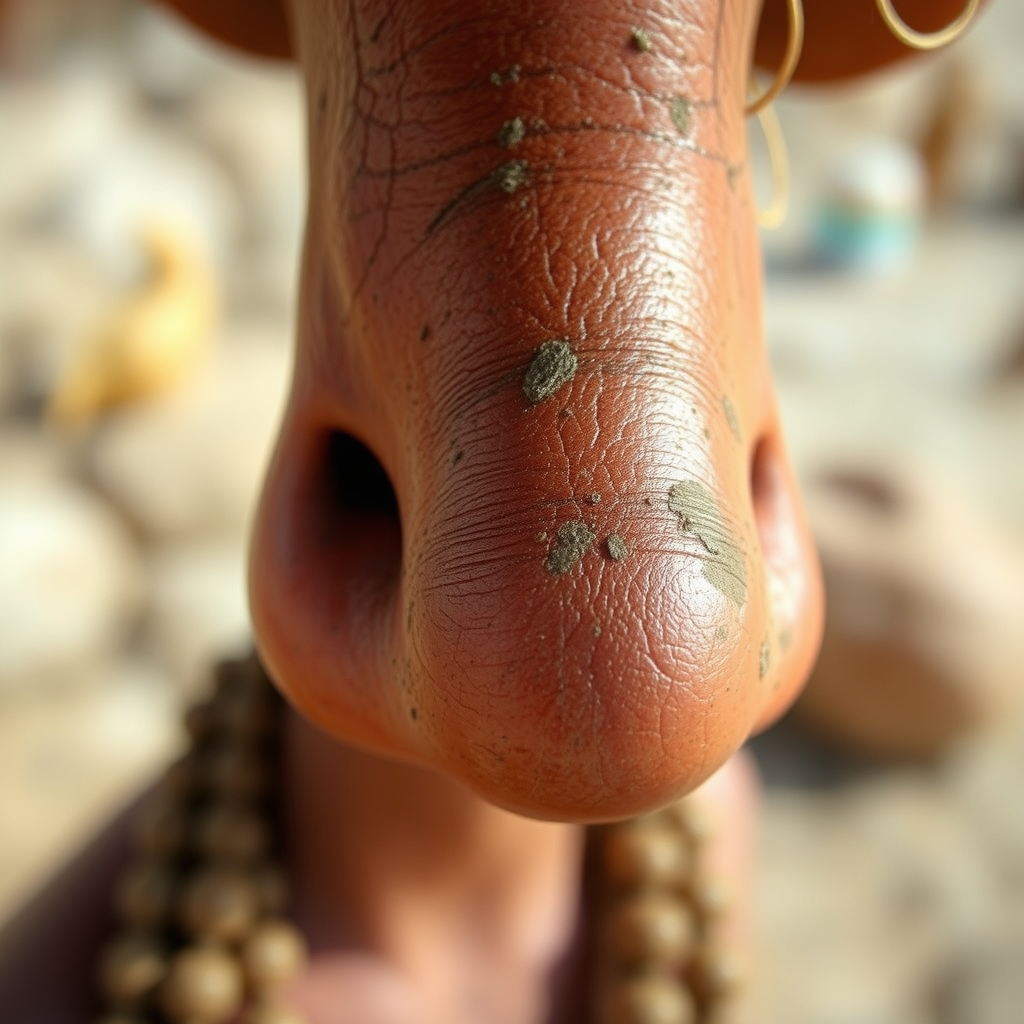
Nose rings can be traced back to at least 4,000 years in the Indian subcontinent, particularly within the context of Hinduism, where they are referred to as “nath.” This ancient practice highlights the intricate relationship between adornment and spirituality. Nose rings were not merely decorative; they symbolized various beliefs, including the connection to the divine and femininity.
In ancient Middle Eastern cultures, nose rings held a different yet significant place. They were often associated with wealth and social status, acting as indicators of affluence. Wealthy families adorned their daughters with nose rings as a form of social currency, reflecting their family’s standing within the community. As trade routes expanded, the exchange of ideas and materials allowed for the evolution of nose ring designs, enriching their historical context and significance.
Cultural Significance in India

In India, the significance of nose rings transcends mere fashion; they are deeply woven into the fabric of cultural identity and marital customs. Traditionally known as “nath,” these ornaments are integral to Indian bridal attire, symbolizing marital status and the transition into womanhood. The nath is often showcased during wedding ceremonies, intricately designed and adorned with gemstones that reflect regional artistry and craftsmanship.
The cultural symbolism of the nose ring extends beyond weddings. In many Indian communities, the nath is viewed as a protective talisman that wards off evil spirits. Additionally, the placement of the nose ring is often tied to Ayurvedic beliefs, suggesting that piercing the left nostril can ease childbirth and enhance female reproductive health. This multi-faceted significance makes the nose ring a powerful emblem of femininity and strength, deeply embedded in the cultural narrative of India.
Nose Rings in Middle Eastern Traditions
Middle Eastern traditions also celebrate the nose ring, albeit through different cultural lenses. In various nomadic tribes, women wore nose rings as indicators of beauty and fertility. For example, in Bedouin culture, the nose ring is traditionally worn by brides as a symbol of their readiness for marriage and motherhood. The aesthetic appeal of these adornments was matched by their practical applications, as they were often crafted from materials readily available in the environment.
Historically, the practice of wearing nose rings has been linked to the broader context of body adornment, where jewelry served as a marker of identity and status. In some regions, such as Yemen, nose rings became symbolic of tribal affiliation, with distinct designs representing different clans. This historical perspective underscores how nose rings functioned not only as personal adornments but also as communal identifiers within Middle Eastern societies.
Global Adoption and Modern Trends
In contemporary society, nose rings have transcended geographic and cultural boundaries, becoming a widespread fashion trend embraced globally. Their adoption spans various subcultures, including punk and goth movements, where they serve as symbols of rebellion and individualism. The resurgence of body piercings in popular culture can be attributed to a growing acceptance of diverse forms of self-expression, challenging traditional norms surrounding beauty and adornment.
The rise of social media has significantly influenced the contemporary styles and designs of nose rings, enabling individuals to showcase unique interpretations of this age-old adornment. Platforms like Instagram and TikTok have popularized various trends, from minimalist studs to elaborate hoops embellished with gemstones. This exposure has made nose rings more accessible and diverse, allowing for an array of designs that cater to different tastes and identities.
Health and Safety Considerations
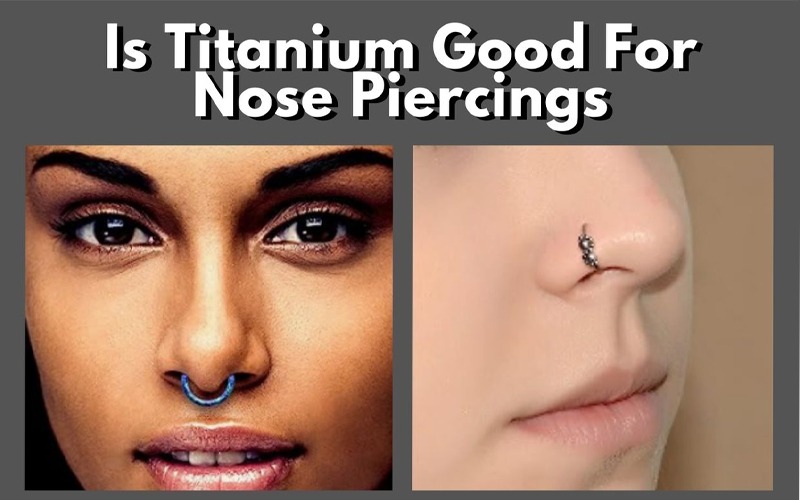
While the allure of nose rings is undeniable, it is essential to prioritize health and safety when considering a nose piercing. Proper hygiene and care are crucial to prevent infections and complications associated with piercings. It is advisable to consult professional piercers who adhere to safety protocols, utilize sterilized equipment, and recommend high-quality materials, such as titanium or surgical steel, to minimize allergic reactions.
Aftercare instructions are equally vital for promoting healing. This includes cleaning the piercing with saline solution, avoiding the use of harsh chemicals, and steering clear of touching the piercing with unwashed hands. By following these guidelines, individuals can enjoy their nose rings without the risk of adverse effects, ensuring that this beautiful form of self-expression remains safe and enjoyable.Personal Expression and Identity
In today’s world, nose rings have evolved into a powerful form of self-expression, allowing individuals to showcase their personal style, beliefs, and cultural identity. For many, wearing a nose ring transcends mere decoration; it embodies a statement of autonomy and individuality. The act of piercing one’s nose can signify rebellion against societal norms or a celebration of cultural heritage, particularly among those who draw inspiration from their ancestral roots.
Moreover, nose rings often serve as symbols of cultural pride. For individuals of South Asian descent, wearing a nath can be a way to honor their heritage and embrace their identity. Conversely, in Western cultures, the adoption of nose rings by various subcultures reflects a broader movement towards inclusivity and acceptance of diverse forms of beauty. This evolution of the nose ring demonstrates its capacity to transcend boundaries, fostering connections among individuals from different backgrounds.
The history of nose rings is a fascinating blend of culture, identity, and artistry. As they continue to evolve in modern fashion, they remain a significant form of expression for many. Whether you’re considering getting a nose ring or are simply interested in its origins, understanding its cultural roots can enhance your appreciation for this timeless adornment. The journey of the nose ring is a testament to the enduring power of personal expression and the rich tapestry of human culture, showcasing how a simple adornment can carry immense historical and cultural weight.
Frequently Asked Questions
Where do nose rings originate from?
Nose rings have a rich history that dates back thousands of years, with origins found in various cultures around the world. The practice is believed to have started in the Middle East, specifically in ancient Persia, where nose piercings were a symbol of wealth and status. Over time, the tradition spread to other regions, including India, where nose rings are still prevalent today, often signifying marital status.
What cultural significance do nose rings hold?
Nose rings carry diverse cultural meanings depending on the region. In many South Asian cultures, they are associated with femininity and marital status, often worn by brides during ceremonies. In contrast, in some indigenous cultures, nose rings can symbolize bravery or tribal affiliation, showcasing the variety in significance across different societies.
How have nose ring styles evolved over time?
Nose ring styles have evolved significantly from their ancient origins to modern trends. Initially, nose rings were often simple and made from natural materials like bone or metal. Today, they are available in various designs, including hoops, studs, and septum rings, made from materials such as gold, silver, and even synthetic options, reflecting contemporary fashion and personal expression.
Why are nose rings becoming more popular in Western cultures?
The rise in popularity of nose rings in Western cultures can be attributed to several factors, including the influence of celebrities and social media. As more public figures showcase their nose piercings as a fashion statement, many individuals are embracing this form of self-expression. Additionally, the growing acceptance of body modifications in society has made nose rings a trendy choice for people looking to enhance their personal style.
Which types of nose rings are best for beginners?
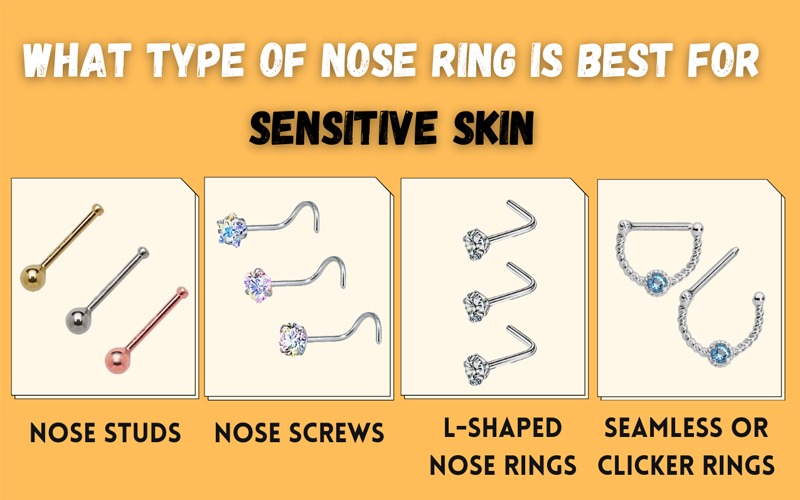
For beginners, the best types of nose rings are typically studs or seamless hoops, as they are easier to wear and less likely to irritate the piercing. Surgical stainless steel, titanium, or gold are recommended materials due to their hypoallergenic properties, reducing the risk of allergic reactions. It’s also advisable to choose designs with secure closures to prevent losing the jewelry during the healing process.
References
- Nose ring
- https://www.bbc.com/culture/article/20201204-why-nose-piercings-are-more-than-just-a-trend
- https://www.ncbi.nlm.nih.gov/pmc/articles/PMC3558796/
- https://www.history.com/topics/ancient-history/body-piercing
- https://www.mentalfloss.com/article/64612/history-body-piercing
- https://www.ancient.eu/Nose_Piercing/
- https://www.verywellhealth.com/nose-piercing-5193688