Nose rings carry deep cultural and personal significance, serving as symbols of identity, individuality, and tradition. From ancient customs to modern fashion trends, nose rings encapsulate a rich tapestry of meanings that vary across different cultures and personal narratives. This article will explore the historical contexts of nose rings, their cultural significance, personal expression, and the implications they hold for wearers today.
Historical Context of Nose Rings
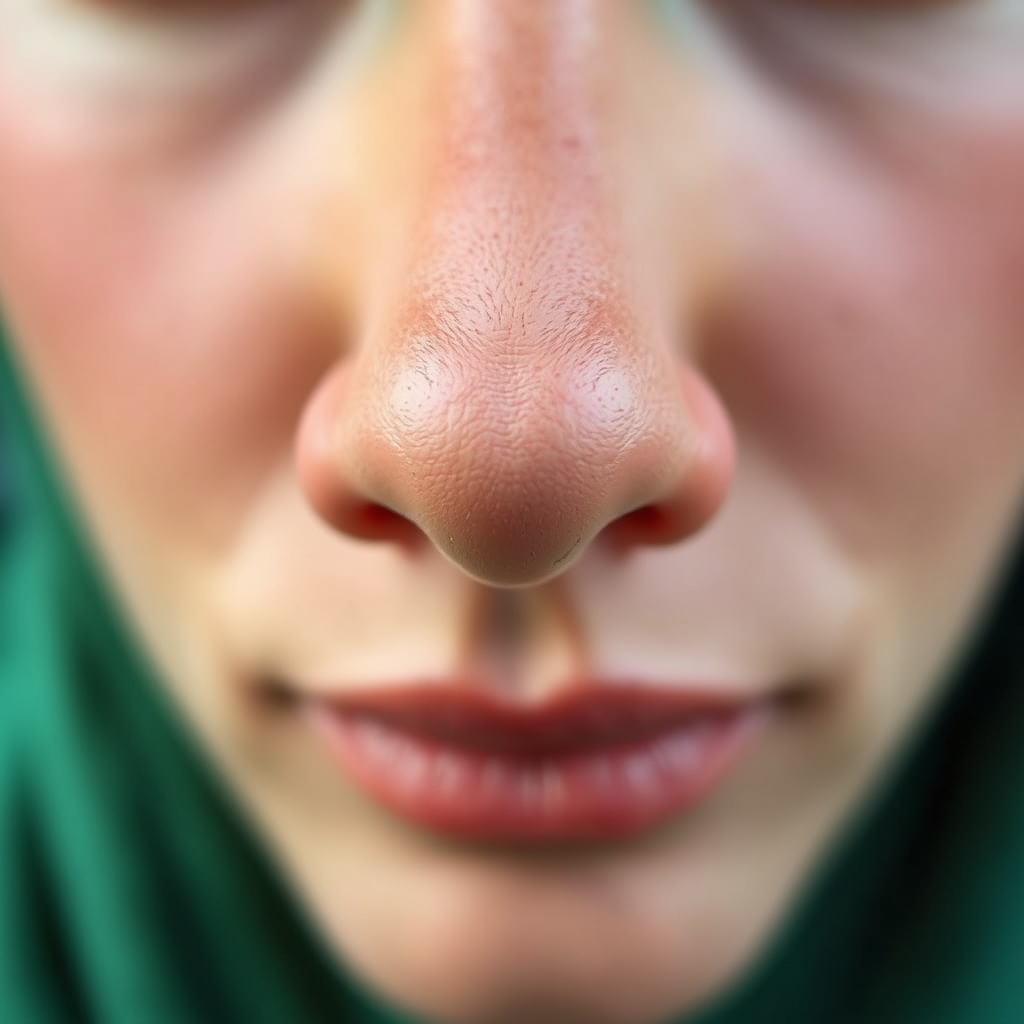
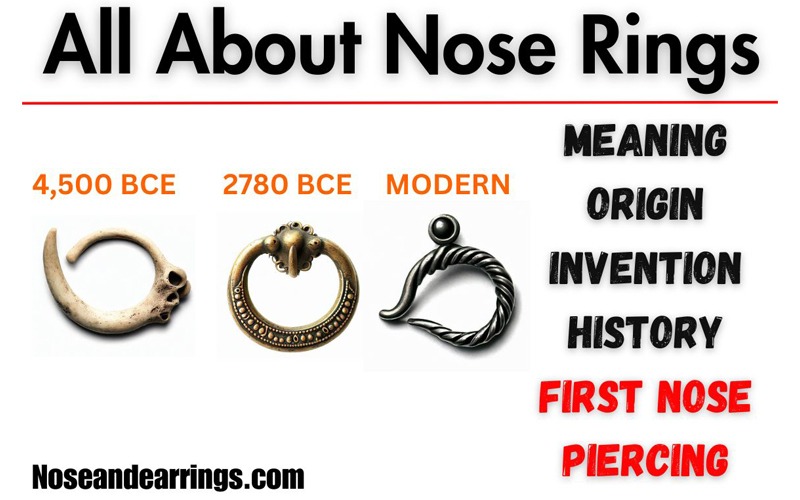
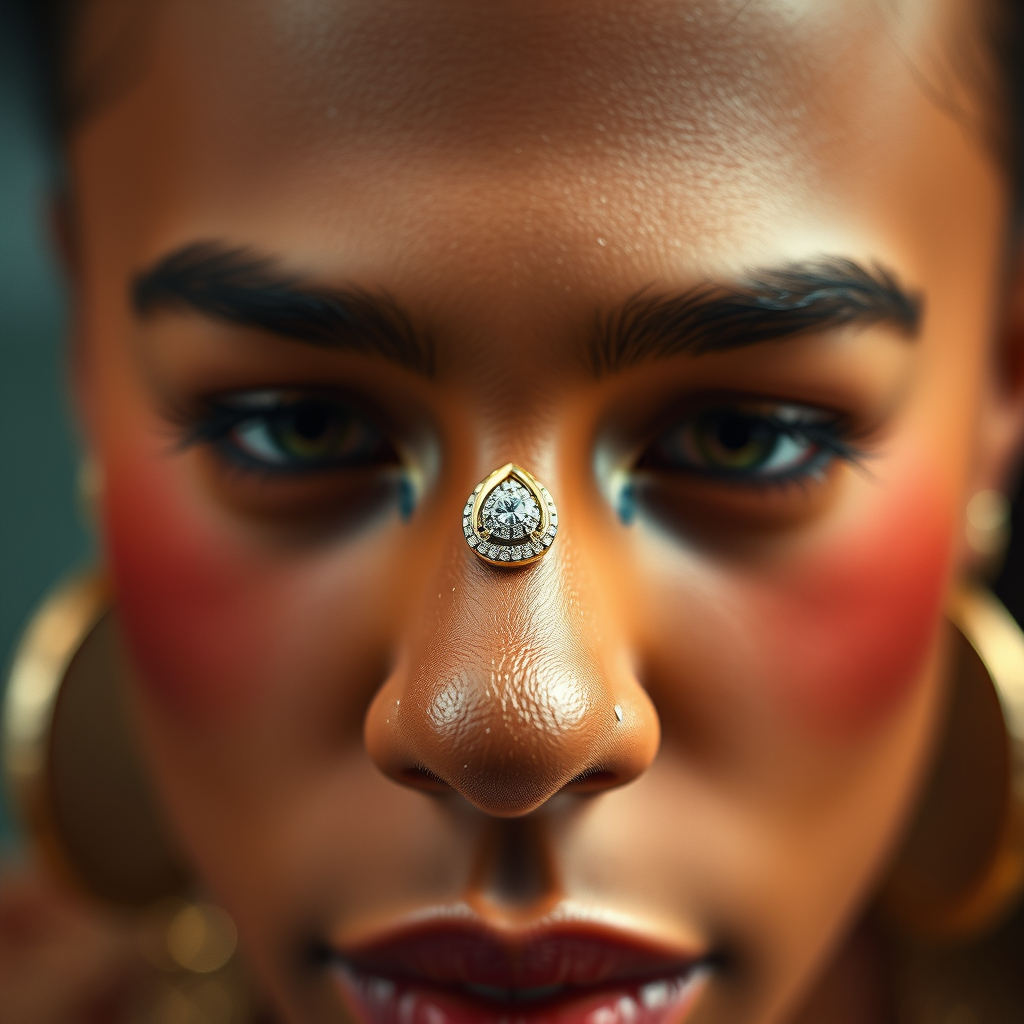
Nose rings date back thousands of years, with origins traced to ancient civilizations such as India and the Middle East. In these early societies, the practice of wearing nose rings was not merely a fashion statement but a symbol of social standing and identity. In India, for instance, nose rings, particularly the nath, have been worn by women for centuries. Traditionally, a nath was often made of gold and adorned with precious stones, symbolizing wealth and marital status. The act of piercing the nose was associated with the first rite of passage for many girls, marking their transition into womanhood.
In ancient Middle Eastern cultures, such as the Sumerians and Assyrians, nose rings were also prevalent and were often worn by both men and women. These early adornments were seen as markers of social status, with the material and size of the nose ring denoting one’s wealth and position within society. Thus, the historical context of nose rings reveals their longstanding importance as symbols of identity, social stratification, and cultural heritage.
Cultural Significance

Nose rings hold diverse meanings across various cultures, often intertwined with rites of passage, spirituality, and social status. For example, in many Indigenous cultures around the world, nose rings are part of ceremonial practices and symbolize a connection to one’s ancestry and community. In some African tribes, such as the Himba people of Namibia, nose rings are integral to their cultural identity, representing beauty and status within the community.
In Hindu culture, the nose ring is not just a piece of jewelry but a significant part of a woman’s bridal adornment, symbolizing her marriage and commitment. The placement of the nose ring can also vary in meaning; for instance, a left-side piercing is often associated with fertility and is believed to ease childbirth, while a right-side piercing may signify a more rebellious or independent spirit.
Different styles and placements can signify various meanings, depending on cultural practices. For instance, a septum ring, often seen in contemporary Western culture, may symbolize non-conformity and freedom of expression, whereas in some cultures, it retains spiritual significance.
Personal Expression and Fashion
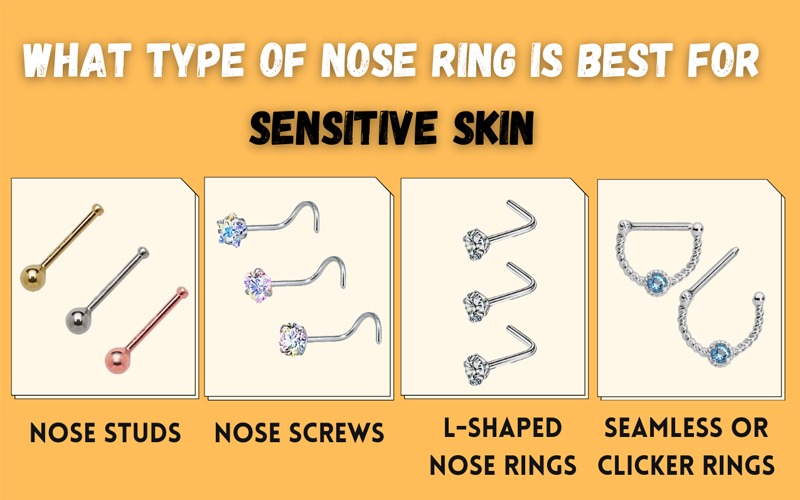
Today, nose rings are widely recognized as a form of personal expression and fashion statement. Many individuals choose to wear nose rings as a way to showcase their unique style, beliefs, and personality. The resurgence of body piercings in popular culture has led to an explosion of design options, allowing wearers to customize their adornments to fit their aesthetic.
From minimalist studs to elaborate hoops, the variety of styles available today caters to a broad range of preferences. This accessibility has transformed nose rings into a canvas for self-expression, enabling individuals to communicate their identity and values through their body art. Moreover, the mainstream acceptance of nose rings has fostered a cultural shift, where they are no longer viewed solely as symbols of rebellion but are embraced across various demographics and social strata.
Symbolism in Relationships
For some, a nose ring can symbolize commitment or partnership, similar to other body modifications such as tattoos or wedding rings. Engaging in the act of getting matching nose rings can signify a deep bond between partners, serving as a physical reminder of their connection and shared experiences. This form of body art can act as a personal emblem of love, loyalty, and mutual understanding.
Additionally, a nose ring can represent a connection to cultural heritage or family traditions. For individuals who come from backgrounds where nose rings hold historical significance, wearing one can be a powerful way to honor their ancestry and maintain a link to their roots. This personal symbolism can deepen the emotional relevance of the piercing, making it a cherished aspect of their identity.
Health and Safety Considerations
While nose rings can be a beautiful addition to one’s appearance, proper hygiene and care are essential for avoiding infections and complications. It is crucial to choose a reputable piercer who utilizes sterile equipment and follows industry standards to minimize the risk of infection. Aftercare instructions should always be followed diligently, including regular cleaning of the piercing site and avoiding unnecessary touching.
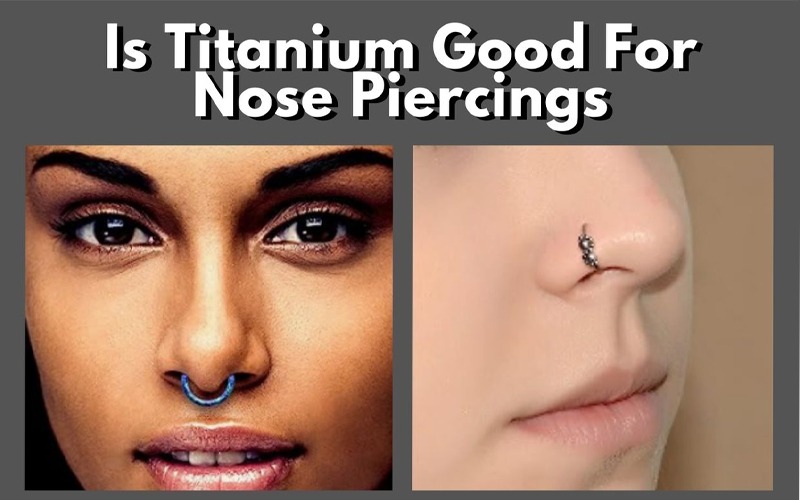
Understanding the types of materials used in nose rings is also vital for preventing allergic reactions. Hypoallergenic materials such as titanium, surgical stainless steel, and niobium are recommended for sensitive skin. In contrast, lower-quality metals may cause irritation or infections. Therefore, wearers should prioritize safety and comfort when selecting their jewelry.
Trends and Variations
The popularity of nose rings has surged in recent years, with various styles such as studs, hoops, and septum rings gaining traction among diverse populations. Social media platforms like Instagram and TikTok have played a significant role in shaping perceptions of nose rings, highlighting influencers and celebrities who sport them in creative ways. This exposure has contributed to the normalization of nose rings, making them more accepted in professional and casual settings alike.
Moreover, the rise of customizable options has led to trends such as layering multiple piercings or mixing materials and designs to create a unique look. As the fashion landscape continues to evolve, nose rings are likely to remain a prominent feature, reflecting both personal style and broader cultural movements.
Care and Maintenance
Regular cleaning and maintenance are crucial for keeping the nose ring in good condition and ensuring overall health. For new piercings, it is recommended to clean the area with saline solution or a mild saline rinse to prevent infection. Avoiding harsh chemicals or alcohol-based products is essential, as they can irritate the piercing.
Additionally, it is important to allow the piercing to heal properly before changing the jewelry. Most new piercings require several weeks to months to heal fully, during which time wearers should be cautious about bending or twisting the jewelry. Following aftercare instructions provided by the piercer can help prevent complications and ensure a positive experience with the new body art.
Nose rings are much more than mere accessories; they encapsulate rich histories, cultural stories, and personal journeys. Understanding their significance can enhance appreciation for this form of body art. Whether you’re considering getting one or already have one, reflect on what it means to you personally. Share your experience or thoughts in the comments below!
Frequently Asked Questions
What is the cultural significance of a nose ring?
Nose rings have a rich cultural significance across various societies, often symbolizing beauty, status, and even marital status. In many South Asian cultures, for instance, a nose ring is traditionally worn by brides as part of their wedding attire, signifying their transition into married life. Additionally, in indigenous cultures, nose rings can represent tribal identity and heritage, highlighting the deep connection between personal adornment and cultural expression.
How do you choose the right nose ring for your style?
Choosing the right nose ring involves considering your personal style, comfort, and the type of piercing you have. Options range from studs and hoops to septum rings, each offering a different aesthetic. It’s essential to select materials that suit your skin sensitivity, such as surgical stainless steel or titanium, and to consider the size and design that will best complement your facial features and overall look.
Why do people wear nose rings?
People wear nose rings for a variety of reasons, including self-expression, fashion, and cultural significance. For many, it’s a form of personal style that enhances their appearance and makes a statement about their individuality. Others may wear nose rings as a homage to cultural traditions or to symbolize significant life events, such as coming of age or marking a milestone.
What are the best materials for a nose ring?
The best materials for a nose ring include surgical stainless steel, titanium, and gold, as they are hypoallergenic and less likely to cause irritation. Surgical stainless steel is a popular choice for its durability and affordability, while titanium is ideal for those with sensitive skin. Gold, particularly 14k or higher, is another excellent option, combining beauty with biocompatibility, making it suitable for long-term wear.
Which type of nose ring is easiest to maintain?
The easiest type of nose ring to maintain is typically a stud or a closed hoop, as they have a simpler design that minimizes the risk of snagging or losing the piece. These styles are less prone to collecting dirt and bacteria, making them easier to clean. Regular cleaning with mild soap and water, along with occasional saline solution rinses, can help maintain hygiene and ensure that your nose ring remains in excellent condition.
References
- Nose ring
- https://www.ncbi.nlm.nih.gov/pmc/articles/PMC6462519/
- https://www.bbc.com/culture/article/20180123-why-nose-piercings-are-seen-as-controversial
- https://www.huffpost.com/entry/nose-ring-history_n_5c8c0c5be4b0f0bc3c7d8a76
- https://www.theguardian.com/fashion/2016/jun/07/nose-rings-piercings-trend-fashion-history
- https://www.psychologytoday.com/us/blog/what-would-aristotle-do/201602/the-psychology-body-piercing
- What Makes a Person Heroic? Characteristics of a Hero