Nose rings typically come in various sizes, but the most common gauge sizes are 20 gauge (0.8 mm) and 18 gauge (1.0 mm). When selecting a nose ring, it’s essential to consider both the gauge and the diameter, as these factors influence comfort and fit. This article will explore the standard sizes and additional factors to consider when choosing a nose ring.
Understanding Gauge Sizes
Common Diameter Sizes
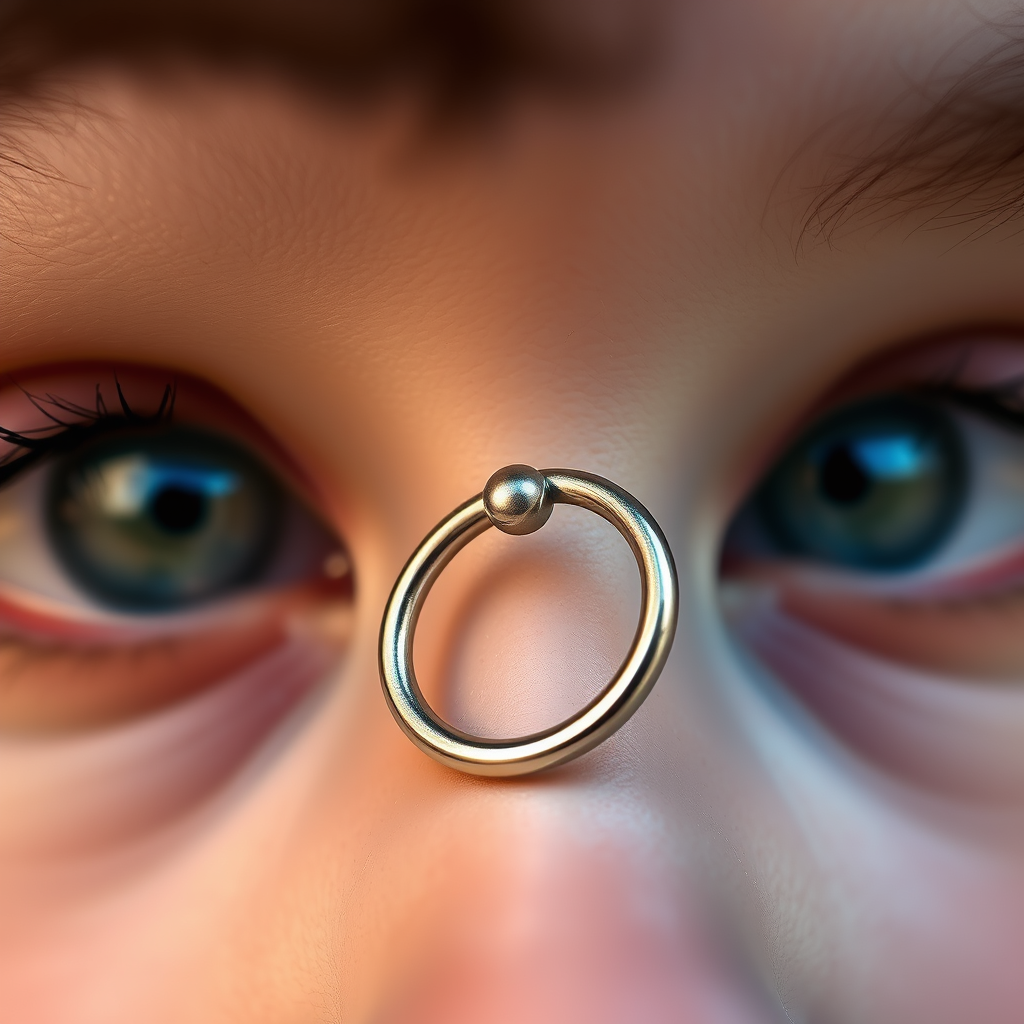
Diameter sizes typically range from 6mm to 10mm for nostril piercings. The diameter measurement refers to the circular space that the nose ring occupies, which is critical for ensuring that the ring sits comfortably in your nose without pinching or rubbing against the nostril wall. A smaller diameter, such as 6mm, might be appropriate for individuals with more petite nostrils, while larger diameters like 8mm or 10mm can accommodate broader nostrils. It is essential to choose a diameter that not only fits well but also aligns with your personal style preferences. A well-fitted nose ring enhances your overall appearance and ensures that the piercing heals correctly without complications.
Types of Nose Rings
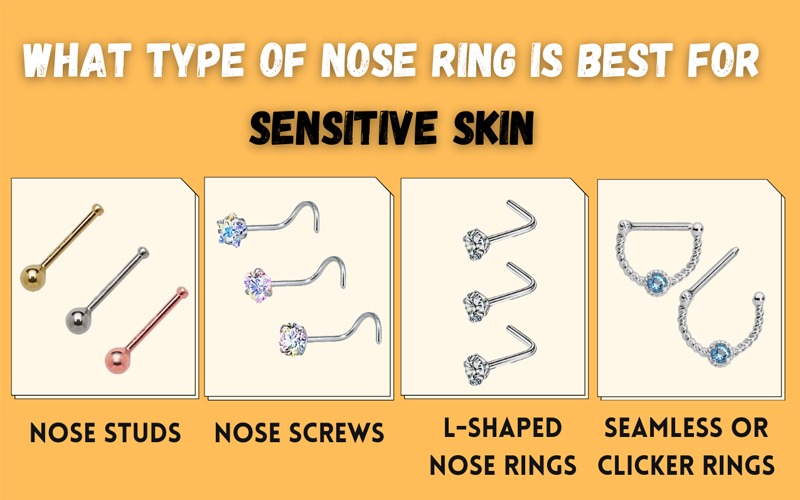
Nose rings come in various styles, including studs, hoops, and septum rings. Each type may have different standard sizes, so it’s important to know your preference before making a purchase. For example, nose studs, which typically feature a small decorative element on one end, generally come in more standardized sizes, while hoops can vary significantly in both gauge and diameter to offer different visual effects. Septum rings, which are worn through the cartilage of the septum, may also come in varying sizes and shapes, including seamless rings and clickers. Understanding the differences in types can help you select the perfect piece that matches your style while ensuring it fits correctly.
Factors Affecting Nose Ring Size
Individual anatomy can affect the ideal size, including the shape and size of your nostrils. Each person has unique features, and what works for one individual may not work for another. For instance, some people have wider nostrils that may require a larger diameter to avoid discomfort, while others may have narrower nostrils that necessitate a smaller diameter. Additionally, healing time after piercing can significantly influence the initial size choice, as swelling is common post-piercing. Swollen tissue can temporarily alter the size requirements, so it’s often recommended to choose a slightly larger diameter for new piercings to accommodate this swelling. Consulting with a professional piercer can provide insights tailored to your specific anatomy.
How to Measure for the Right Size
Use a caliper or ruler to measure your nostril’s width for an accurate fit. This step is crucial in ensuring that the chosen nose ring fits comfortably and securely. When measuring, consider the area where the ring will rest and take into account both the width of your nostril and any potential swelling post-piercing. If you are unsure about how to measure or select the right size, consulting with a professional piercer is highly advisable. They can provide personalized recommendations based on their experience with your anatomy and help you avoid common sizing pitfalls.
Choosing the Right Material
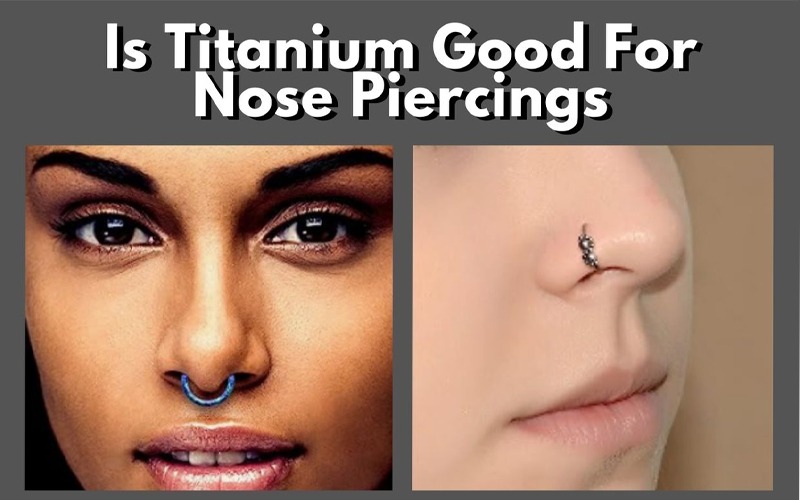
Consider hypoallergenic materials like titanium or surgical steel, especially for initial piercings. These materials are less likely to cause allergic reactions or irritation, making them ideal for new piercings that require a healing period. Other materials such as gold, silver, or acrylic can also be options, but it’s essential to ensure they are of high quality and suitable for body jewelry. Different materials can also affect the weight and comfort of the nose ring. For instance, heavier metals may feel cumbersome during the initial healing phase, while lighter materials can provide a more comfortable experience. Always prioritize quality and biocompatibility when selecting materials for your nose jewelry.
Maintenance and Care for Nose Rings
Regular cleaning with saline solution helps prevent infections and irritation. It’s crucial to maintain proper hygiene, especially during the healing phase. A saline solution can be easily made at home by mixing salt with distilled water or can be purchased at pharmacies. Additionally, avoid changing the ring too soon after piercing to allow proper healing; typically, a healing period of 4 to 6 weeks is recommended before considering a change. During this time, keeping the area clean and avoiding touching the piercing unnecessarily can promote healing and minimize complications.
Choosing the right size for your nose ring is essential for both comfort and style. By understanding gauge sizes, diameter options, and other influencing factors, you can make an informed decision. If you’re unsure, consulting with a professional piercer can help ensure you find the perfect fit for your nose jewelry. Remember, the correct size not only enhances your appearance but also plays a significant role in the health and longevity of your piercing. Proper care and attention to detail will ensure that your nose ring remains a beautiful and integral part of your personal expression.
Frequently Asked Questions
What is the standard size of a nose ring?
The standard size of a nose ring typically ranges from 20 gauge to 18 gauge, with 20 gauge being more common for nostril piercings. The diameter of a nose ring can vary, but many measure between 6mm to 10mm in hoop size, while studs often have a length of about 6mm. It’s important to choose the right size for comfort and to ensure proper healing after the piercing.
How do I know what size nose ring I need?
To determine the correct size nose ring, consider the gauge of your piercing, which is usually specified by your piercer. If you’re unsure, you can measure the thickness of your current jewelry or consult with a professional piercer. Additionally, if you’re switching to a different style, such as from a stud to a hoop, ensure that the diameter fits comfortably without pinching or stretching your nostril.
Why is it important to choose the right size for a nose ring?
Choosing the right size for a nose ring is crucial for both comfort and health. An improperly sized nose ring can lead to irritation, infection, or even rejection of the piercing. Furthermore, a well-fitted nose ring enhances your overall appearance and allows for easier cleaning and maintenance during the healing process.
What are the best materials for nose rings in standard sizes?
The best materials for nose rings, especially in standard sizes, include surgical stainless steel, titanium, and niobium, as these are hypoallergenic and less likely to cause irritation. Gold and platinum are also excellent options, but make sure they are of high purity (14k or higher) to minimize allergic reactions. Always avoid low-quality metals, as they can lead to infections or allergic reactions.
Which style of nose ring is best for beginners?
For beginners, a simple stud or a captive bead ring is often the best choice. Nose studs are easy to insert and remove, while captive bead rings provide a secure fit and can be comfortable during the healing process. It’s advisable to start with a 20 gauge stud, as it is the most common size for fresh piercings, allowing for easy access to clean and care for the area.
References
- Nose ring
- https://www.ncbi.nlm.nih.gov/pmc/articles/PMC6675543/
- https://www.verywellhealth.com/piercings-5116768
- https://www.healthline.com/health/nose-piercing-guide
- https://www.webmd.com/beauty/what-to-know-about-nose-piercings
- https://www.ncbi.nlm.nih.gov/pmc/articles/PMC7062124/