When it comes to nose rings, the most common gauge sizes are 20g to 18g, with 20g being the standard for most piercings. Understanding gauge sizes is crucial as it affects both the choice of jewelry and the comfort of wearing it. Selecting the appropriate gauge can enhance not only the aesthetic appeal of your piercing but also its healing process. In this article, we’ll explore the various gauges, their implications for piercings, and how to choose the right size for you, ensuring you make an informed decision.
Understanding Gauge Sizes

Gauge refers to the thickness of the jewelry wire used in piercings, and it plays a significant role in the overall experience of wearing a nose ring. The measurement system used for gauges is somewhat counterintuitive: the lower the gauge number, the thicker the jewelry. For instance, an 18-gauge (18g) piece of jewelry is thicker than a 20-gauge (20g) piece. This numerical representation is essential for both comfort and aesthetics. A thicker gauge may provide a sturdier feel, which some individuals prefer, while finer gauges lend themselves to more delicate, subtle appearances. When choosing a gauge, it is important to consider not only the visual aspect but also how it fits within the anatomy of your nostril and personal style.
Common Nose Ring Gauges
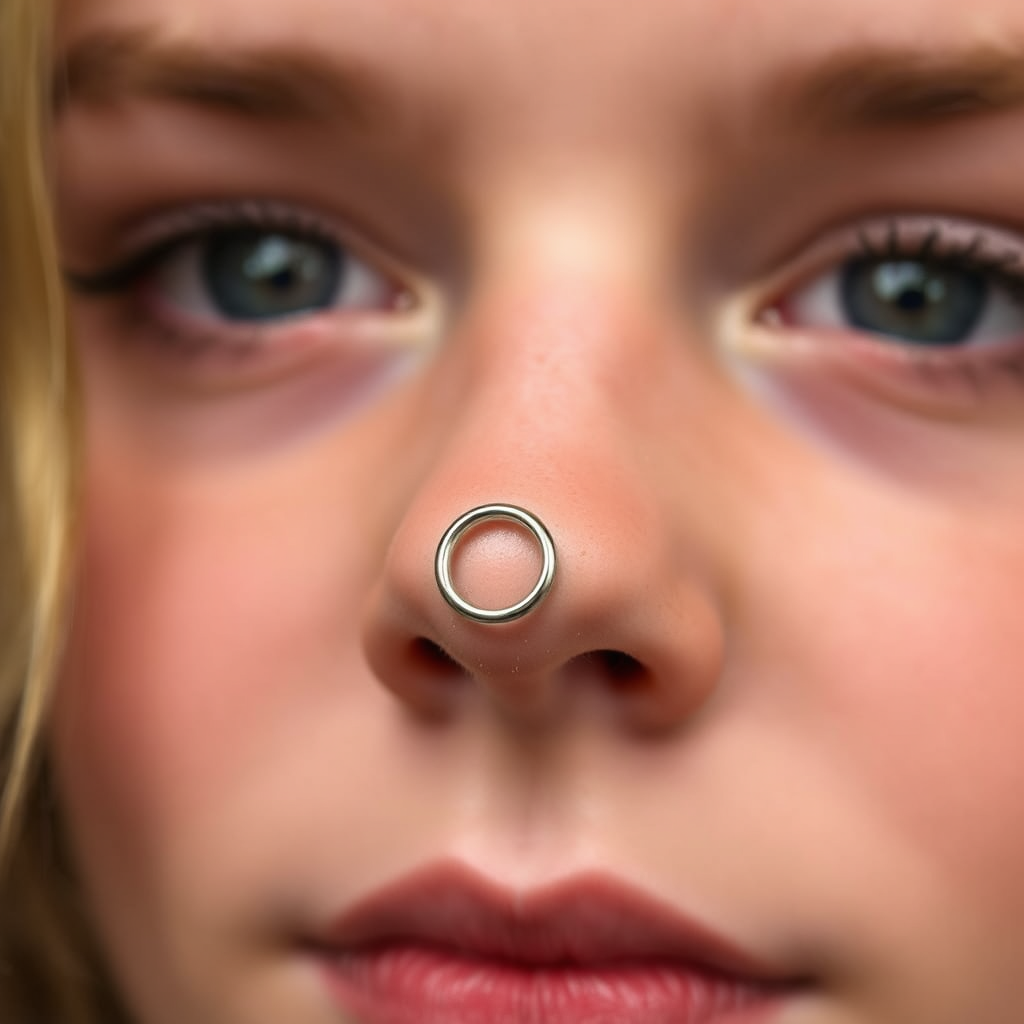
The most common nose ring gauges are 20g and 18g, each serving different preferences and needs.
– 20g: This is generally the standard size for most initial piercings. The 20g nose ring is smaller and more delicate in appearance, making it an excellent choice for those who prefer a subtle look. It is less invasive and can often be more comfortable during the healing process, especially for individuals with smaller nostrils. If you are considering your first nose piercing, a 20g is likely the recommended gauge.
– 18g: A slightly thicker option, the 18g size is ideal for those who prefer a sturdier feel or want to wear jewelry that stands out more prominently. While still relatively delicate, an 18g ring may provide a stronger hold and less risk of displacement during daily activities. This size is often chosen by individuals who have already healed from their initial piercing and want to upgrade to something a bit more robust.
Ultimately, the choice between 20g and 18g depends on personal preference, healing considerations, and individual anatomy.
Choosing the Right Gauge for You
When selecting the right gauge for your nose ring, it’s essential to consider several factors that can greatly impact your comfort and satisfaction with the piercing.
– Anatomy: Individual anatomy varies significantly. Some people have larger nostrils that may accommodate thicker jewelry more comfortably, while others may find that smaller gauges suit them better. It is advisable to consult with a professional piercer who can assess your unique anatomy and recommend an appropriate gauge.
– Jewelry Style: Different jewelry styles may only be available in specific gauges. For example, certain intricate designs may not be feasible in a smaller gauge due to structural limitations. If you have a particular style in mind, ensure that it is available in your desired gauge before making a decision.
– Comfort and Sensitivity: Some individuals may have sensitive skin or a history of allergic reactions to specific materials. Choosing a gauge that is compatible with your body chemistry is crucial. If you have previously had issues with piercings, opt for materials known for being hypoallergenic, such as titanium or surgical stainless steel.
By taking these factors into account, you can make a more informed choice that aligns with your personal preferences and health considerations.
Jewelry Materials and Their Impact
The material of your nose ring can significantly influence both the comfort and appearance of your piercing.
– Stainless Steel: One of the most popular choices for initial piercings, stainless steel is recognized for its hypoallergenic properties and durability. It is resistant to rust and tarnishing, making it an excellent option for daily wear. However, individuals with nickel allergies should ensure they are selecting surgical-grade stainless steel, which is free from nickel.
– Gold: For those seeking a more luxurious option, gold nose rings can be an appealing choice. Available in various karats, gold is less likely to cause allergic reactions compared to other metals. However, be cautious of the gold alloy; some lower-quality gold can contain nickel, which may cause irritation.
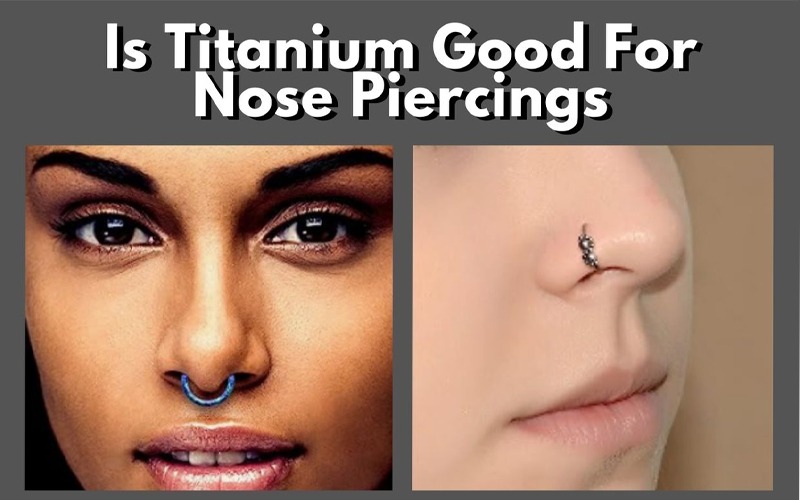
– Titanium: This is another excellent choice for sensitive skin, as titanium is known for its lightweight and hypoallergenic properties. It is also highly durable and resistant to corrosion, making it suitable for long-term wear. Like gold, titanium comes in various finishes and colors, offering ample options for personal expression.
– Plastic or Acrylic: While not as common for nose rings, some individuals prefer these materials for their lightweight and flexible properties. They may offer a comfortable alternative, especially during the healing process. However, they are generally not recommended for long-term wear due to their susceptibility to damage and lower durability.
Choosing the right material not only affects the gauge but also plays a crucial role in the overall experience of wearing a nose ring.
Caring for Your Nose Piercing
Proper aftercare is vital to ensure a healthy healing process for your nose piercing.– Cleaning Routines: Maintaining cleanliness is essential to prevent infections. Use a saline solution or a mild saline spray to gently clean the area around your piercing twice daily. Avoid using harsh substances like alcohol or hydrogen peroxide, as they can irritate the skin and delay healing.
– Avoid Switching Jewelry Too Soon: It is crucial to allow your piercing to heal fully before changing your jewelry. Switching to a different gauge too soon can lead to complications such as infection or migration of the piercing. Generally, it is recommended to wait at least 6 to 8 weeks before changing your jewelry. Consult with your piercer for personalized advice based on your healing progress.
– Avoid Touching: Refrain from touching or playing with your nose ring, as this can introduce bacteria and lead to infection. If you need to adjust it, ensure your hands are clean, and be gentle.
By adhering to these care guidelines, you can facilitate a smooth healing process and enjoy your nose ring for years to come.
When to Consult a Professional
While many nose piercings heal without complications, there are instances when it is prudent to seek professional advice.
– Excessive Pain or Swelling: If you experience significant pain, swelling, or discomfort beyond the initial healing period, it may indicate an infection or other complications. Consulting a professional piercer or healthcare provider can provide clarity and necessary treatment options.
– Discharge: Any unusual discharge, especially if it is accompanied by a foul odor, should not be ignored. This could be a sign of infection, and prompt attention is essential to prevent further issues.
– Gauge Concerns: If you are unsure about the appropriateness of your chosen gauge or experience discomfort from your current jewelry, a professional can assess your situation and recommend alternatives that better suit your anatomy and preferences.
Professional guidance is invaluable in ensuring the long-term health and aesthetic appeal of your nose piercing.
With this understanding of nose ring gauges, you’ll be better equipped to choose the right size and type of jewelry for yourself. Remember that comfort and style should go hand in hand, so take the time to explore your options and consult with professionals when needed. By making informed decisions regarding gauge, materials, and care, you can enjoy your nose piercing as a beautiful and expressive part of your identity.
Frequently Asked Questions
What gauge size is standard for a nose ring?
The standard gauge size for a nose ring is typically 20 gauge (0.8 mm) for most nostril piercings. This size provides a good balance between comfort and visibility, making it a popular choice for both initial piercings and jewelry options. Some people may choose a 22 gauge (0.6 mm) for a more delicate look, while larger gauges, like 18 gauge (1.0 mm), are also available for those who prefer a thicker appearance.
How do I choose the right gauge for my nose ring?
Choosing the right gauge for your nose ring depends on your personal style, the thickness of the jewelry you prefer, and whether you’re getting your nose pierced or switching out existing jewelry. If you’re getting pierced for the first time, consult with your piercer to determine the best gauge size for your anatomy and comfort. If you’re changing jewelry, ensure it matches the gauge of your current piercing to avoid irritation or injury.
Why does the gauge of a nose ring matter?
The gauge of a nose ring is crucial because it affects both the fit and comfort of the jewelry. A gauge that is too large can cause discomfort or damage to the piercing, while a gauge that is too small may not fit securely or could slip out. Additionally, wearing the correct gauge ensures that the piercing heals properly and reduces the risk of infection or irritation.
What is the best material for a nose ring in terms of gauge?
The best materials for a nose ring, considering gauge, are typically surgical stainless steel, titanium, and gold. Surgical stainless steel and titanium are hypoallergenic and resistant to tarnishing, making them ideal for sensitive skin and initial piercings. Gold options, particularly 14k or higher, are also safe but can be more expensive; ensure that they are nickel-free to avoid allergic reactions.
Which gauge is best for a septum piercing compared to a nostril piercing?
For a septum piercing, the most common gauge is 16 gauge (1.2 mm), although some may opt for 18 gauge (1.0 mm) depending on personal preference. In contrast, the nostril piercing is typically done at a 20 gauge (0.8 mm). The larger gauge for septum piercings allows for more robust jewelry options, while the smaller gauge for nostril piercings provides a subtler look. Always consult with a professional piercer to determine the best gauge for your desired style and comfort.
References
- Nose piercing
- https://www.ncbi.nlm.nih.gov/pmc/articles/PMC6332952/
- https://www.healthline.com/health/nose-piercing-gauge
- https://www.verywellhealth.com/nose-piercing-4178680
- https://www.americanacademyofdermatology.org/skin-care/nose-piercing-and-skin-care
- https://www.cdc.gov/nceh/lead/lead_in_piercings.htm