Changing your nose stud to a ring is typically safe after a healing period of 6 to 8 weeks, depending on individual healing rates and aftercare. This timeframe allows the tissue surrounding the piercing to adequately heal, minimizing the risk of complications such as infections or irritation. In this article, we’ll explore the factors that influence when you can make the switch, signs of healing, and tips for a smooth transition to ensure your new jewelry can be enjoyed without worry.
Understanding the Healing Process

The average healing time for a nose piercing is generally accepted to be between 6 to 8 weeks. However, this duration can vary significantly among individuals based on several factors. For example, skin type plays a crucial role; those with sensitive skin may experience longer healing times. Additionally, existing health conditions such as diabetes or autoimmune disorders can slow down the healing process.
It’s also important to note that the aftercare practices adopted during the healing period greatly influence how quickly your piercing heals. Consistent cleaning and care can facilitate faster healing, while neglecting these practices may prolong discomfort and increase the risk of complications. Understanding these variables empowers you to make informed decisions about when to change your jewelry.
Signs Your Piercing is Healed
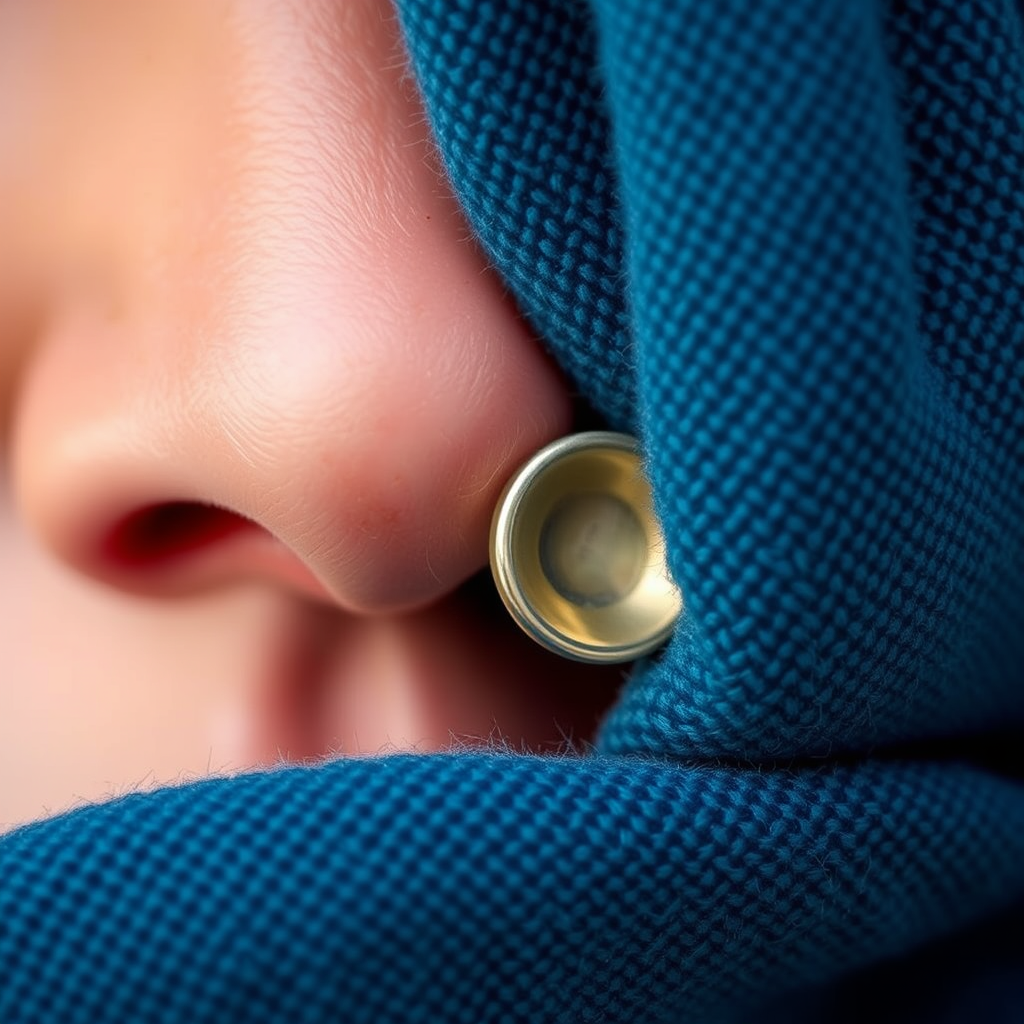
Before considering the switch from a stud to a ring, it’s essential to assess the healing status of your piercing. Key signs that indicate your piercing has healed include:
– No pain or tenderness around the piercing site: A completely healed piercing should not cause discomfort when touched or when the jewelry is gently manipulated.
– Absence of swelling or redness: Healthy tissue appears uniform and free from inflammation. If you observe persistent swelling, redness, or discharge, it may signal that your piercing is not yet fully healed.
Being attentive to these signs will help you determine the right moment for your jewelry change, ensuring that the transition is both safe and comfortable.
Aftercare Tips for a Successful Healing
To promote efficient healing and prepare for changing your nose stud to a ring, adhere to the following aftercare tips:
1. Clean the piercing regularly: Use a saline solution or an antiseptic recommended by your piercer to keep the area clean. Cleaning should be done at least twice a day to prevent infection.
2. Avoid touching or changing the jewelry too early: Resist the temptation to change your jewelry before the healing period is complete. Early changes can introduce bacteria and lead to irritation or infection.
3. Be mindful of your environment: Limit exposure to potentially harmful environments, such as swimming pools or hot tubs, until your piercing is fully healed. These settings can harbor bacteria that may complicate the healing process.
By following these aftercare practices diligently, you can significantly enhance the likelihood of a smooth transition to your new jewelry.
Choosing the Right Jewelry
When you decide to change your nose stud to a ring, selecting the right jewelry is crucial. Here are some guidelines to aid your decision:
– Opt for high-quality materials: Choose jewelry made from titanium, surgical steel, or other hypoallergenic materials. These options minimize the risk of allergic reactions and ensure a comfortable fit.
– Consider the size and style of the ring: A properly fitting ring is essential for comfort and aesthetics. Take note of your piercing’s size and choose a ring that complements your personal style while remaining functional. Rings come in various styles, including hoops and captive bead rings, so select one that resonates with your personal expression.
– Consult with your piercer: Before purchasing new jewelry, discuss your options with your piercer. They can recommend specific styles suited to your anatomy and provide insights on what would work best.
Consultation with a Professional Piercer
Engaging a professional piercer in your decision to change jewelry is a prudent step. A qualified piercer can assess the condition of your piercing and confirm whether it is ready for a jewelry change.
In addition to confirming healing, piercers can provide personalized advice tailored to your unique situation. They can address any concerns you may have about the transition process and suggest jewelry options that would be appropriate for your piercing. Moreover, seeking professional guidance can help you avoid common pitfalls associated with self-changing jewelry.
Common Mistakes to Avoid
While changing your nose stud to a ring may seem straightforward, several common mistakes can lead to complications. Here are key pitfalls to avoid:
– Changing jewelry too soon: Impatience can be detrimental to your piercing. Changing your jewelry before it has fully healed can result in infections, prolonged discomfort, and even scarring. Always wait for the full healing period before making any changes.
– Ignoring signs of irritation or discomfort: If you notice any unusual symptoms, such as prolonged redness, pain, or discharge after changing to a ring, do not ignore them. These may be signs of an infection or an allergic reaction. Addressing these issues promptly can prevent further complications and ensure a healthy piercing.
By being mindful of these common mistakes, you can safeguard your piercing and enjoy your new jewelry with confidence.
Maintaining Your New Jewelry
After successfully transitioning to a ring, ongoing maintenance is essential to ensure the longevity of both your piercing and your new jewelry. Here are some aftercare practices to consider:
1. Continue following aftercare routines: Maintain a regular cleaning schedule for your new jewelry, especially during the first few weeks after the change.
2. Monitor for signs of irritation: Even with a healed piercing, remain vigilant for any signs of discomfort or irritation. If you notice any changes in your piercing, consult with your piercer.
3. Keep your jewelry clean: Regularly clean your new ring with appropriate solutions to prevent buildup of dirt and bacteria. This practice not only keeps your piercing healthy but also maintains the jewelry’s appearance.
By incorporating these maintenance practices into your routine, you can enjoy your new nose ring without worry.
Changing your nose stud to a ring can be a delightful step in personal expression, but it’s crucial to ensure that your piercing is fully healed first. By monitoring healing signs, consulting with professionals, and taking care of your new jewelry, you can enjoy your new look confidently. If you’re unsure about the process, reach out to a professional piercer to guide you on your journey!
Frequently Asked Questions
When is the right time to change my nose stud to a ring?
The right time to change your nose stud to a ring is typically around 6 to 8 weeks after getting your initial piercing, provided that your piercing has fully healed. It’s crucial to ensure that the area is free from irritation and infection before making the switch. Always consult with your piercer for personalized advice based on your healing progress.
How can I tell if my nose piercing is healed enough for a ring?
You can assess if your nose piercing is healed enough for a ring by checking for signs of healing such as reduced redness, no discharge, and minimal tenderness. If the piercing feels comfortable and shows no signs of irritation or infection, it may be ready for a change. However, if you have any doubts, it’s best to consult with a professional piercer to avoid complications.
What type of nose ring is best for sensitive skin?
For sensitive skin, the best type of nose ring is typically made from hypoallergenic materials like titanium, surgical stainless steel, or niobium. These materials are less likely to cause allergic reactions or irritation. Look for rings that are labeled as nickel-free, as nickel is a common allergen for many people.
Why is it important to wait before changing my nose stud to a ring?
It is important to wait before changing your nose stud to a ring to ensure that your piercing is fully healed and to minimize the risk of complications. Switching prematurely can lead to irritation, infection, or even the closing of the piercing, which can be painful and require additional healing time. Patience is key to ensuring the longevity and health of your piercing.
Which nose ring styles are easiest to wear after switching from a stud?
After switching from a stud, the easiest nose ring styles to wear are hoop rings with a hinge or clicker mechanism, as they are user-friendly and can be easily opened and closed. Additionally, captive bead rings can be a good option, but they may require a bit more practice to insert. Consider your lifestyle and comfort when selecting a style that suits you best.
References
- https://www.ncbi.nlm.nih.gov/pmc/articles/PMC5051275/
- https://www.healthline.com/health/nose-piercing-care
- https://www.mayoclinic.org/healthy-lifestyle/adult-health/in-depth/piercings/art-20045576
- https://www.verywellhealth.com/nose-piercing-care-5194272
- https://www.webmd.com/beauty/nose-piercings-what-to-know
- https://www.hopkinsmedicine.org/health/wellness-and-prevention/nose-piercing-care-tips