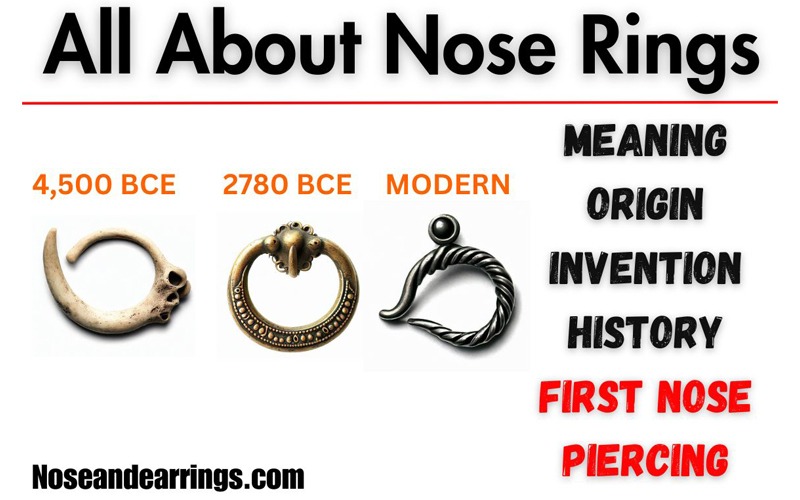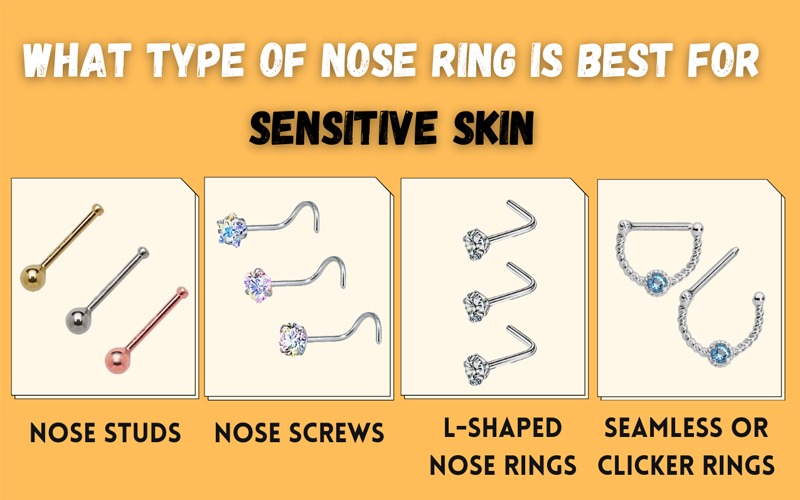
Bulls are often fitted with rings in their noses to help control their behavior and manage their strength. This practice is primarily used for safety during handling and transportation, making it easier for farmers and handlers to manage these powerful animals. By understanding the purpose, historical context, application, benefits, ethical considerations, and alternatives related to nose rings, we can gain a comprehensive view of this longstanding practice in animal husbandry.
The Purpose of Nose Rings
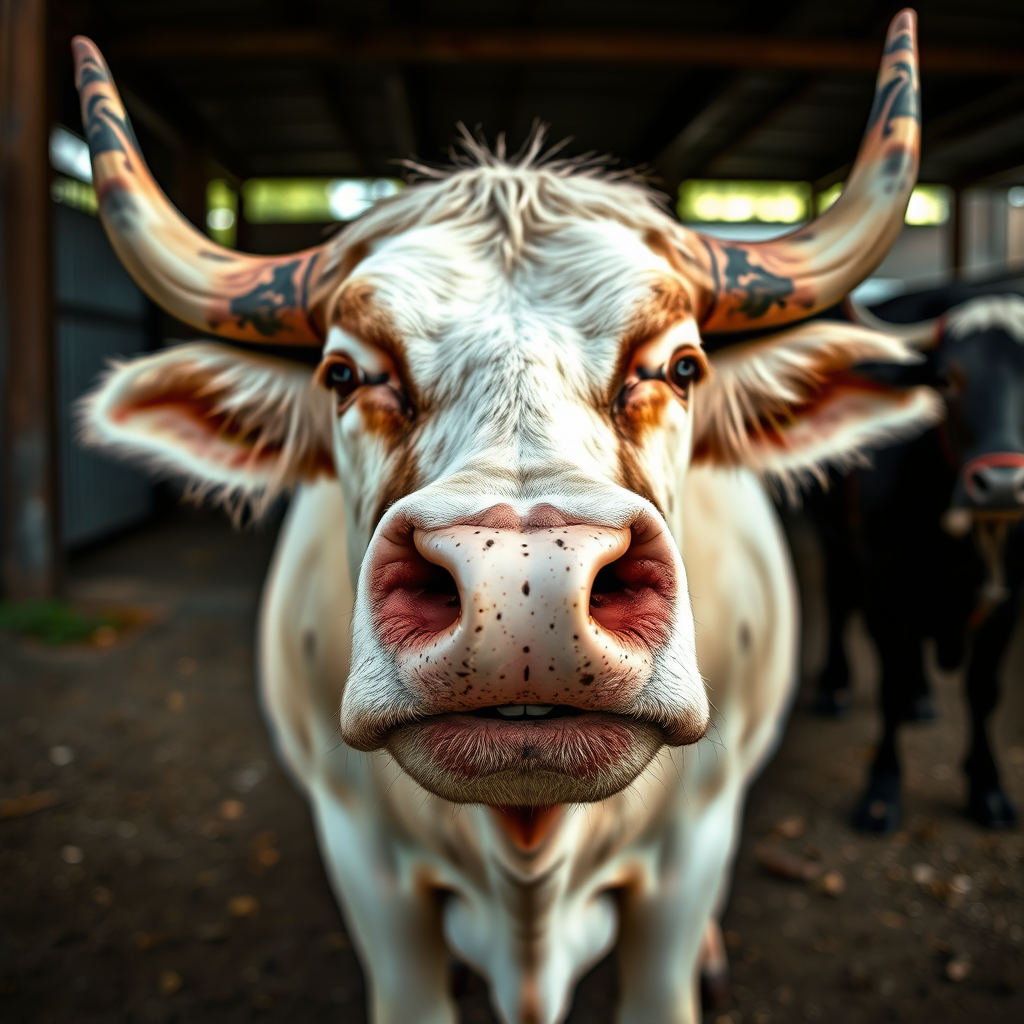
Nose rings serve multiple key purposes in bull management. Primarily, they help control a bull’s movements, allowing handlers to lead them more safely. Bulls are inherently strong and can be unpredictable; a nose ring provides a means of exerting physical leverage to guide them effectively. This is crucial during transportation or veterinary care, where a bull’s behavior can pose risks to both the animal and the handlers.
Additionally, the presence of a nose ring acts as a physical reminder for the bull to behave. Many bulls exhibit aggressive tendencies, especially when they feel threatened or confined. A nose ring can deter unwanted behaviors, helping to mitigate aggression and anxiety. The ring can be used in conjunction with training techniques to encourage compliance and reduce stress, ultimately fostering a more manageable environment.
Historical Context
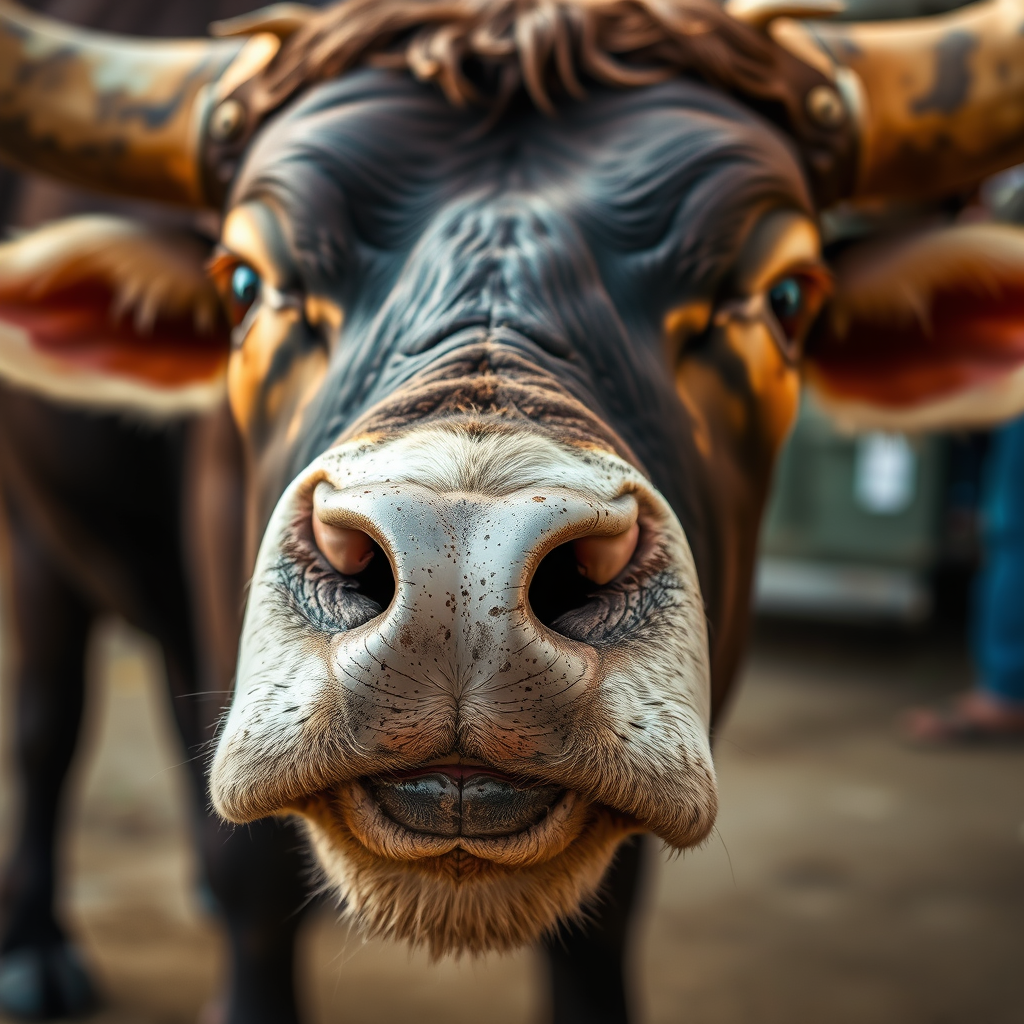
The practice of using rings in bulls’ noses is not a modern invention; it dates back centuries and is deeply rooted in traditional farming practices. Historically, farmers needed effective methods to control large livestock, and the nose ring quickly became a practical solution. Early agricultural societies recognized that managing bulls effectively was essential for both labor and safety, leading to the widespread adoption of this practice.
Understanding this historical context allows us to appreciate how animal husbandry has evolved. Over the years, advancements in veterinary medicine, animal behavior research, and farming technologies have influenced how farmers manage their livestock. While nose rings remain common, the conversation around their use has shifted, reflecting changing attitudes toward animal welfare and humane treatment.
How Nose Rings are Used
Farmers typically insert the ring in the bull’s nose during a straightforward yet careful procedure. This involves piercing the nasal septum, which is the cartilage that separates the nostrils, and inserting the ring either directly or with the assistance of a specialized tool. Once in place, a lead rope can be attached to the ring, allowing handlers to guide the bull more easily.
Different types of nose rings exist, varying in size, material, and design, tailored to the bull’s age and size. For example, younger bulls may require smaller, lighter rings, while mature bulls might need sturdier options. The choice of material—be it plastic, metal, or rubber—can also influence comfort and durability. Proper fitting and selection of the nose ring are essential for ensuring both effectiveness and animal welfare.
Benefits of Using Nose Rings
The use of nose rings provides several benefits, creating a safer working environment for both the bull and the handlers. With a nose ring in place, handlers can more easily control the bull’s movements, reducing the likelihood of injury during routine tasks such as feeding, veterinary examinations, or transport. This increased safety is especially important in commercial farming settings where large numbers of bulls are managed simultaneously.
Moreover, the presence of a nose ring can reduce stress during transport and handling. Bulls are less likely to resist or panic when they are calmly guided using a lead rope attached to their nose ring. This not only minimizes the risk of accidents but also fosters a more positive experience for the animal. A stress-free bull is more likely to adapt to new environments and situations, which is crucial for both the animal’s health and the efficiency of farming operations.
Ethical Considerations
The practice of fitting bulls with nose rings raises significant ethical considerations, particularly regarding animal welfare. Critics argue that the procedure can cause pain and distress, leading to questions about the necessity and humane treatment of these animals. As society becomes more conscious of animal rights, discussions around the use of nose rings have intensified within the agricultural community.
Many advocates urge for a reevaluation of traditional practices like nose rings, emphasizing the importance of humane treatment and the development of alternative methods of control. Farmers are increasingly encouraged to consider the psychological well-being of their livestock, seeking methods that minimize discomfort and promote natural behaviors. Ongoing dialogues surrounding animal welfare are shaping the future of livestock management, urging for more empathetic approaches.
Alternatives to Nose Rings
In response to ethical concerns and a growing emphasis on animal welfare, some farmers are exploring alternatives to nose rings. Training techniques that focus on positive reinforcement and behavioral conditioning are gaining popularity. These methods prioritize building trust between the animal and the handler, fostering cooperation without the need for physical restraints.
Additionally, innovations in animal behavior management may offer solutions that prioritize animal welfare. For instance, using low-stress handling techniques, such as low-stress stockmanship, can help manage bulls more effectively without the need for physical restraints. These approaches not only benefit the animals but also improve the overall working environment for farmers and handlers.
As research continues to advance in this field, more humane alternatives may emerge, providing safer and more compassionate options for managing livestock.
In summary, rings in bulls’ noses are primarily a safety measure used to control these powerful animals effectively. While the practice has historical significance and practical benefits, it also brings ethical considerations to the forefront. If you’re interested in learning more about humane animal management practices, consider researching alternative training methods or engaging with local animal welfare organizations. The future of livestock management may well depend on our ability to balance tradition with compassion.
Frequently Asked Questions
Why do farmers put rings in bulls’ noses?
Farmers put rings in bulls’ noses primarily to manage behavior and prevent aggressive actions. The ring allows handlers to lead and control the bull more easily, as it is a sensitive area that causes discomfort when pulled. This practice is common in cattle management to ensure safety for both the animals and the people handling them.
What are the benefits of using a nose ring on bulls?
The primary benefits of using a nose ring on bulls include improved safety and better control during handling. Bull rings help prevent aggressive behavior, making it easier for farmers to manage their livestock, especially during breeding or veterinary procedures. Additionally, it prevents bulls from rooting or damaging fences and equipment, which can lead to costly repairs.
How does a nose ring affect a bull’s behavior?
A nose ring affects a bull’s behavior by creating a physical deterrent to aggressive actions. The discomfort caused by the ring when force is applied discourages the bull from pushing or charging, which can reduce incidents of injury to handlers and other animals. Over time, bulls can learn to associate the ring with control, leading to more docile behavior during handling.
Are there alternatives to using a nose ring for bulls?
Yes, there are several alternatives to using a nose ring for controlling bulls, including halters, head gates, or training methods focused on positive reinforcement. Some farmers may opt for these options to avoid the potential pain or distress associated with a nose ring. Each method has its own advantages, and the best choice often depends on the individual animal’s temperament and the farmer’s handling practices.
Which type of nose ring is best for bulls?
The best type of nose ring for bulls typically depends on the size and breed of the animal, as well as the specific purpose for which it is used. Common options include a simple bull ring or more specialized designs like a pinch or screw-type ring. Farmers should consult with a veterinarian or an experienced livestock handler to select the most suitable type that minimizes discomfort while still providing effective control.
References
- Bull ring
- https://www.ncbi.nlm.nih.gov/pmc/articles/PMC3113178/
- https://www.theguardian.com/environment/2020/jul/06/what-does-a-nose-ring-do-for-a-bull-its-not-just-for-show
- https://extension.unl.edu/statewide/cheyenne/Beef%20Cattle%20Production%20-%20Nose%20Rings.pdf
- https://www.ag.ndsu.edu/publications/livestock/nose-rings-for-bulls-1
- https://www.alberta.ca/nose-rings-for-bulls.aspx