Healing from a nose ring piercing typically takes about 4 to 6 months, but the duration can vary based on individual factors and aftercare practices. Factors such as skin type, health conditions, and the specific type of piercing contribute to the overall healing timeline. In this article, you’ll discover the factors that influence healing time, tips for proper care, and signs of complications to watch out for, ensuring a successful healing process for your new piercing.
Factors Affecting Healing Time
The healing duration for a nose ring piercing is not a one-size-fits-all scenario. Individual healing rates can vary significantly, influenced by several key factors. One of the most prominent factors is skin type. For example, individuals with oily skin may experience a different healing process compared to those with dry skin, as oiliness can affect the overall hygiene of the piercing site. Additionally, underlying health conditions such as diabetes or autoimmune disorders can slow down the healing process, making it essential for individuals with such conditions to consult with healthcare professionals before getting pierced.
Another significant factor is the type of piercing itself. A nostril piercing, which is the most common type, generally has a healing time of 4 to 6 months. In contrast, a septum piercing may heal faster, often within 6 to 8 weeks. The anatomy of the nose can also play a role; for instance, thicker skin may take longer to heal. Understanding these variables is crucial for setting realistic expectations and timelines for your healing journey.
Aftercare Tips for Faster Healing
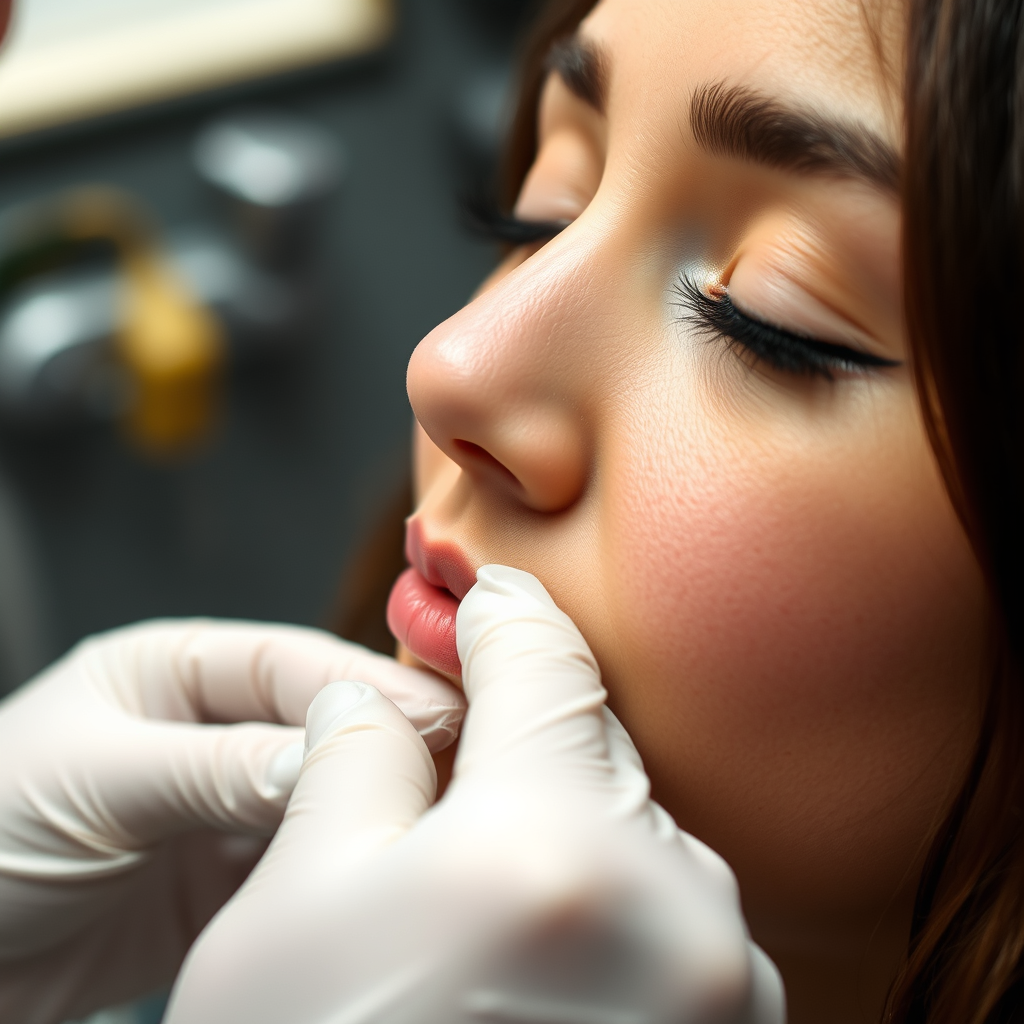
Additionally, it is vital to avoid touching the piercing with unwashed hands. This practice minimizes the risk of introducing bacteria, which can lead to infections. If you must touch the area, ensure that your hands are thoroughly washed with soap and water. Moreover, refrain from changing or removing the jewelry until the piercing is fully healed, as this can disrupt the healing process. Keeping your environment clean and avoiding swimming pools or hot tubs during the healing phase can also contribute significantly to faster recovery.
Common Healing Stages
The healing process of a nose ring piercing can be divided into several stages, each with distinct characteristics. Initially, during the first few weeks, you may experience some swelling, tenderness, and minor bleeding. These are typical responses to the piercing and usually subside within a short period. It’s essential to remain vigilant during this phase, as the body begins to form a protective layer around the piercing.
As healing progresses, you may notice that the piercing becomes less sensitive, typically around the 4 to 6-week mark. However, it is common for the area to remain tender or sensitive for several months as the body continues to heal. Even after the initial healing period, you may still feel some discomfort if you accidentally bump the piercing or if it comes into contact with irritants. Patience is critical during this stage, as rushing the process or neglecting proper care can lead to complications.
Signs of Complications
While healing, it’s crucial to be aware of potential complications that can arise. Signs of infection include persistent redness, swelling, and unusual discharge that may be yellow or green in color. If you experience these symptoms, it is essential to seek professional advice promptly. Early intervention can prevent the infection from worsening and may require antibiotics or other treatments.
Another concern is the possibility of an allergic reaction to the jewelry material. Symptoms may include persistent pain, itching, or irritation around the piercing site. If you suspect that your body is reacting adversely to the jewelry, consult a professional piercer or healthcare provider to discuss hypoallergenic alternatives. Being proactive and monitoring your healing process can help you address any issues promptly, ensuring a successful outcome.
Recommended Jewelry Materials
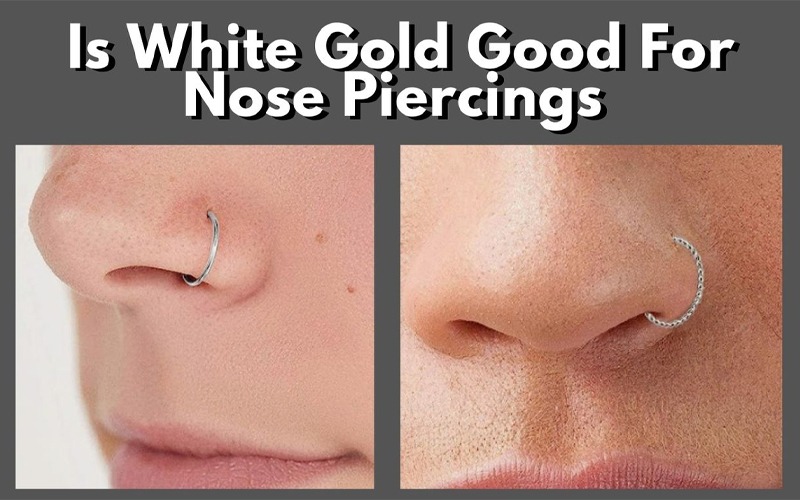
Choosing the right jewelry material is crucial for minimizing irritation and promoting healing. Hypoallergenic materials such as titanium, surgical steel, or gold (14k and above) are excellent options. These materials are less likely to cause allergic reactions, providing a comfortable fit during the healing process. Avoid using jewelry made from nickel or other reactive metals, as they can exacerbate irritation and prolong healing time.
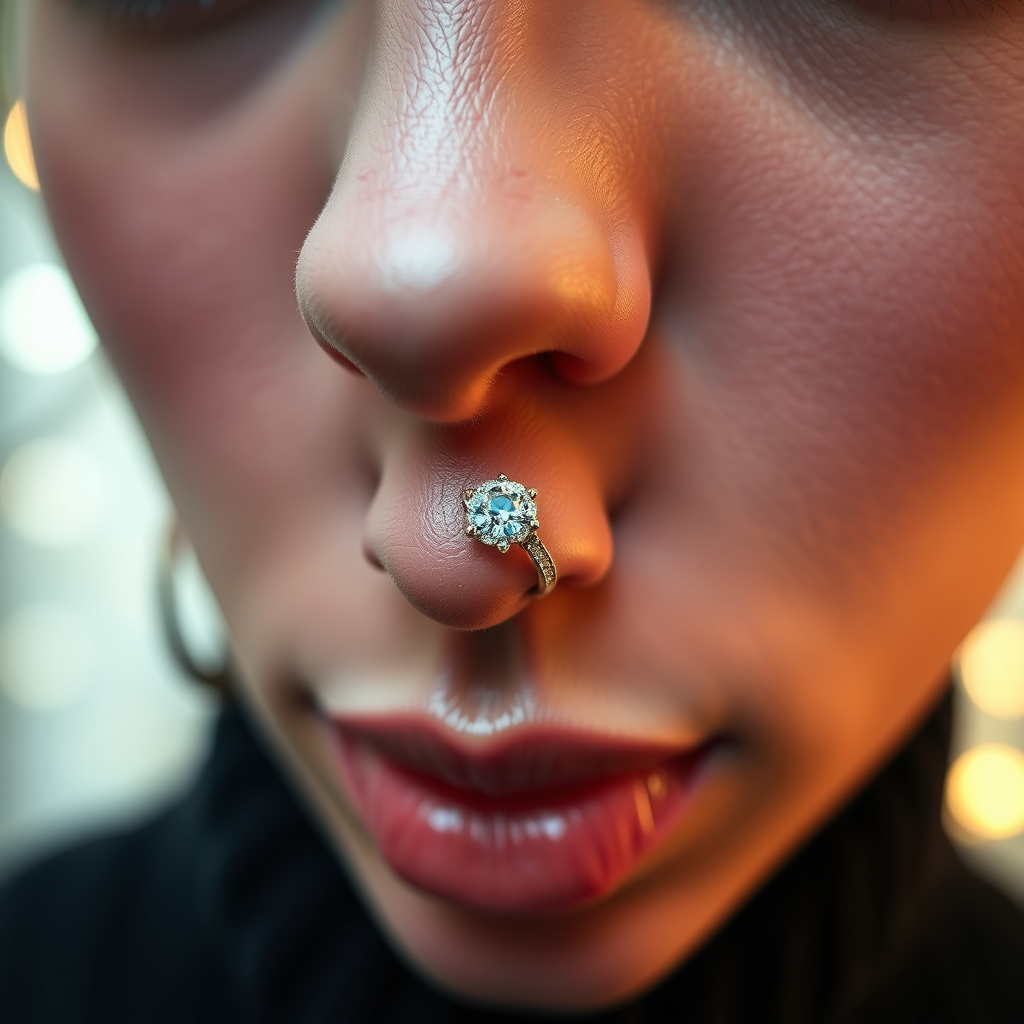
Furthermore, it is advisable to steer clear of heavy or dangling jewelry while your nose ring is healing. Lightweight studs are preferable, as they reduce the risk of pulling or snagging, which can disrupt the healing process. Once your piercing is fully healed, you can explore a wider variety of jewelry styles, but initially, opt for simplicity to ensure comfort and safety.
When to Seek Professional Help
If you notice that your nose ring piercing is not healing as expected, it may be time to seek professional help. Consulting a professional piercer or healthcare provider can provide you with valuable insights into your healing process. They can assess the situation and recommend appropriate treatments or adjustments to your aftercare routine.
Regular check-ups during the healing process can also be beneficial. A trained piercer can evaluate the condition of your piercing and offer personalized advice based on your unique situation. It’s better to err on the side of caution; if something feels off, don’t hesitate to reach out for professional guidance.
Final Thoughts on Nose Ring Healing
The healing time for a nose ring piercing is generally 4 to 6 months, but individual factors and diligent aftercare can influence this timeline. By understanding the factors that affect healing, following proper aftercare tips, and being vigilant about potential complications, you can ensure a smoother healing experience. Remember to consult professionals if you encounter any issues, and prioritize using quality jewelry materials to promote a successful healing journey. With the right practices in place, you can confidently enjoy your new piercing while minimizing any risks associated with the healing process.
Frequently Asked Questions
How long does it typically take for a nose ring to heal completely?
The healing time for a nose ring generally ranges from 4 to 8 weeks, although individual experiences may vary. Factors such as the type of piercing (nostril or septum), aftercare practices, and individual body chemistry can influence the healing process. Proper care is essential to ensure a smooth healing journey and to prevent complications like infections.
What can I do to speed up the healing process of my nose ring?
To promote faster healing of your nose ring, maintain excellent hygiene by cleaning the area with a saline solution or a mild sea salt mixture twice a day. Avoid touching or twisting the jewelry, and refrain from changing or removing the nose ring until fully healed. Additionally, a balanced diet and staying hydrated can support your body’s natural healing processes.
Why is my nose piercing taking longer to heal than expected?
There are several reasons why your nose piercing may be taking longer to heal, including improper aftercare, allergic reactions to jewelry materials, or underlying health conditions that affect healing. Environmental factors, such as exposure to irritants or friction, can also prolong the healing process. If you notice persistent discomfort or signs of infection, it’s advisable to consult with a professional piercer or healthcare provider.
Which type of nose ring is best for healing?
The best type of nose ring for healing is typically a stud made from hypoallergenic materials, such as titanium or surgical stainless steel, as these are less likely to cause irritation. Avoid using jewelry made from nickel or other reactive metals during the initial healing phase. A shorter post length is also recommended to minimize movement and friction against the piercing.
What signs indicate that my nose ring is healing properly?
Indicators of proper healing for your nose ring include minimal swelling, redness, and tenderness after the first few days, along with the absence of discharge or pus. As the healing progresses, you should notice less sensitivity and a gradual return to normal skin appearance around the piercing. If you experience any persistent or worsening symptoms, it’s important to seek advice from a healthcare professional.
References
- https://www.healthline.com/health/nose-piercing-healing-time
- https://www.medicalnewstoday.com/articles/nose-piercing-healing-time
- https://www.mayoclinic.org/healthy-lifestyle/adult-health/in-depth/piercings/art-20045670
- https://www.webmd.com/beauty/piercing-nose-care
- https://www.ncbi.nlm.nih.gov/pmc/articles/PMC4413095/
- https://www.aafp.org/pubs/afp/issues/2010/1001/p881.html