If your nose ring is infected, you may notice symptoms like redness, swelling, pus, or increased pain around the piercing. Recognizing these signs early is essential for preventing complications and ensuring the health of your piercing. In this article, we’ll delve into the key indicators of an infected nose ring, the common causes of infections, and effective care strategies to maintain your piercing’s health.
Common Symptoms of Infection

– Redness and Swelling: One of the first signs of infection is noticeable inflammation around the piercing site. This redness may appear localized or spread out depending on the severity of the infection. If you observe a significant change in skin color or an increase in swelling compared to the surrounding area, it’s crucial to take these symptoms seriously.
– Pain or Tenderness: Initially, some discomfort is expected after getting a piercing; however, an increase in pain, especially if it worsens over time, can indicate that an infection is developing. This pain may manifest as a throbbing sensation or a constant ache at the site, leading to discomfort even when not touching the area.
Recognizing these symptoms early can help mitigate the risk of a more severe infection, which may lead to complications if left untreated.
Discharge Characteristics
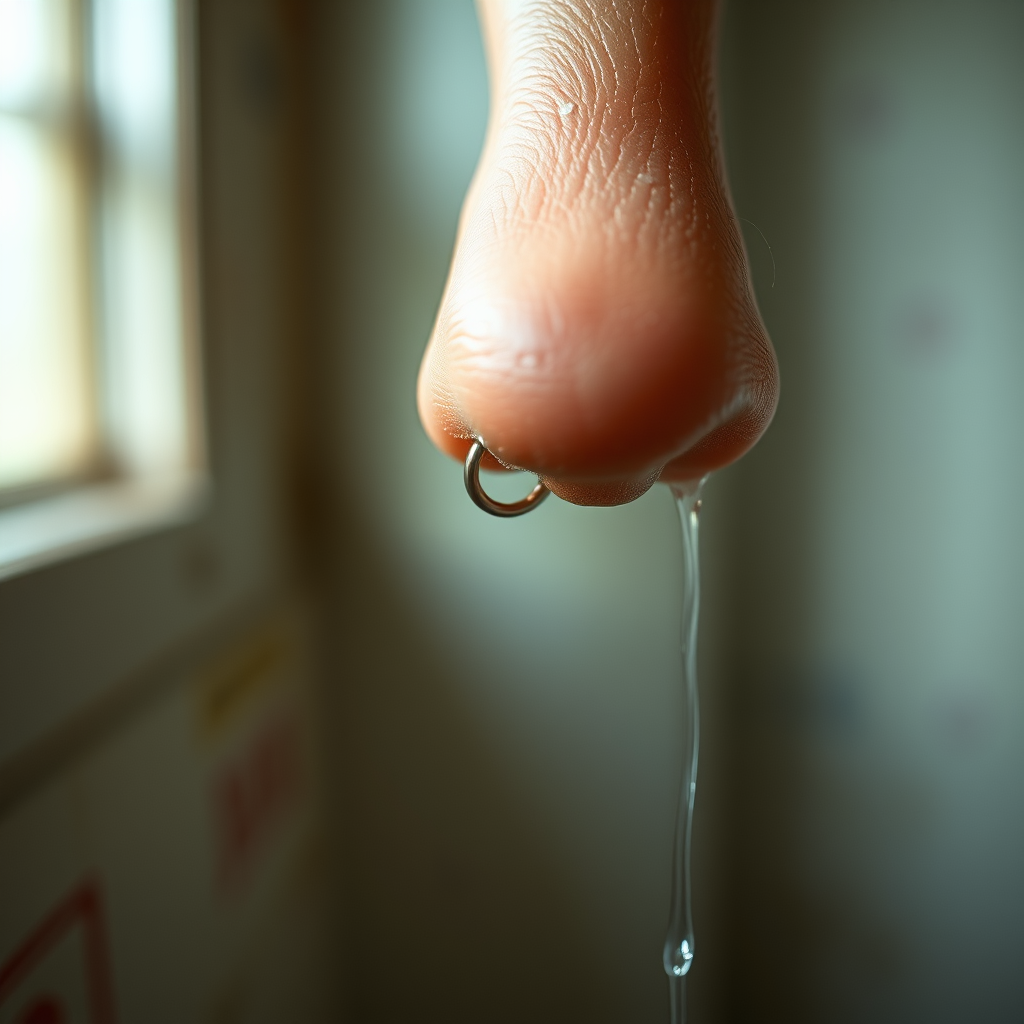
– Pus Production: The presence of pus is a strong indication of infection. This discharge may vary in color and consistency; yellow or green pus typically suggests a bacterial infection. It’s important to note the smell of the discharge as well; foul-smelling pus can indicate a more serious infection that requires immediate attention.
– Clear Discharge: While some clear fluid is normal, especially in the initial healing stages, any change to colored discharge should be monitored closely. If clear discharge begins to take on an unusual hue or if the quantity increases significantly, it could be a sign of an underlying issue that requires further investigation.
Monitoring the characteristics of discharge can provide valuable insights into the state of your nose ring and whether it may be infected.
Changes in Temperature
– Warmth Around the Piercing: Feeling warmth around the area can signal an infection. This warmth is usually a result of increased blood flow to the area as your body attempts to fight off the infection. If the warmth is accompanied by other symptoms, such as pain or swelling, it is advisable to take action.
– Fever: A fever may accompany more severe infections and should not be ignored. If you start to experience systemic symptoms such as chills, sweats, or fatigue alongside localized symptoms, it may indicate that the infection is spreading, and immediate medical intervention is necessary.
Understanding these temperature changes can help you gauge the severity of the situation and decide when to seek professional help.
Duration of Symptoms
– Persistent Symptoms: If symptoms last longer than a few days without improvement, it may be a sign of an infection. The healing process can vary, but if you find that redness, swelling, or pain persists beyond a week, it’s time to consider consulting a healthcare provider.
– Worsening Condition: If symptoms worsen rather than improve, this is a clear indicator that your body is not effectively managing the infection. Increased pain, swelling, or discharge may necessitate immediate medical attention.
Being aware of how long symptoms last can help you take proactive steps in managing your piercing health.
Risk Factors for Infection
– Poor Aftercare: One of the most significant contributors to infection is inadequate aftercare. Failing to clean the piercing regularly with saline solution or using harsh soaps can introduce bacteria, leading to infection. It is critical to follow the aftercare instructions provided by your piercer to minimize risk.
– Allergic Reactions: Allergic reactions to the metal in the jewelry can mimic infection symptoms, making it important to choose jewelry made from hypoallergenic materials such as titanium or surgical stainless steel. If you notice redness and swelling that does not improve with proper care, consider the possibility of a metal allergy.
Understanding these risk factors can help you take preventive measures to safeguard your piercing from potential infections.
Treatment Options
– Home Care: For mild symptoms, you can start with home care by cleaning the piercing with a saline solution twice a day. Avoid touching the piercing unnecessarily, as this can introduce bacteria and exacerbate the issue. Do not remove the jewelry unless advised by a healthcare professional, as this can cause the wound to close and trap the infection inside.
– Professional Help: If home care does not alleviate symptoms, it is essential to consult a healthcare provider. They may prescribe antibiotics or recommend additional treatments to address the infection effectively. In some cases, draining the area may be necessary to promote healing.
Knowing how to treat an infection in its early stages can significantly improve your chances of a quick recovery.
When to Seek Medical Attention
– Severe Symptoms: If you experience high fever, excessive pain, or spreading redness, you should seek immediate help. These symptoms can indicate that the infection is becoming systemic and could pose serious health risks.
– Systemic Symptoms: Signs of systemic infection, such as chills, fatigue, or confusion, require urgent medical intervention. These symptoms suggest that the infection is affecting your overall health, necessitating prompt action to prevent further complications.
Being aware of when to seek medical attention can help you avoid serious health issues and ensure that your piercing heals correctly.
If you suspect your nose ring is infected, it’s crucial to monitor the signs closely and take appropriate action. Understanding the symptoms, risk factors, and treatment options can empower you to manage your piercing effectively while minimizing the risk of infection. Remember, early intervention is key; if symptoms persist or worsen, don’t hesitate to consult a healthcare professional for advice or treatment.
Frequently Asked Questions
What are the initial signs of an infected nose ring?
The initial signs of an infected nose ring typically include redness, swelling, and tenderness around the piercing site. You may also notice increased warmth in the area, and the presence of pus or a yellowish discharge could indicate an infection. If these symptoms persist or worsen, it’s crucial to seek medical advice to avoid complications.
How can I differentiate between normal healing and infection in my nose piercing?
Differentiating between normal healing and infection involves observing the symptoms closely. Normal healing may include slight redness or tenderness that improves over time, while an infection often presents with intense pain, excessive swelling, and a foul odor. If you experience systemic symptoms like fever or chills, it’s essential to consult a healthcare professional.
Why does my nose ring smell, and could it be a sign of infection?
A foul smell coming from your nose ring can be a sign of infection, often due to bacteria accumulating around the piercing. This odor can also result from the buildup of dead skin cells, oil, and sweat, which is common during the healing process. However, if the smell is accompanied by other symptoms like redness, swelling, or discharge, it’s advisable to seek medical attention to rule out an infection.
What should I do if I suspect my nose ring is infected?
If you suspect your nose ring is infected, the first step is to clean the area gently with saline solution or an antiseptic recommended by a professional. Avoid removing the nose ring, as this can trap the infection inside. If symptoms persist or worsen after a few days of home care, it’s essential to consult a healthcare provider for a proper diagnosis and treatment.
Which over-the-counter treatments are effective for a mild nose ring infection?
For a mild nose ring infection, over-the-counter treatments such as antiseptic creams or ointments, like bacitracin or Neosporin, can be effective in reducing bacteria and promoting healing. Additionally, saline nasal sprays can help keep the area clean. However, it’s crucial to follow the instructions carefully and consult a healthcare professional if symptoms do not improve within a few days.
References
- https://www.ncbi.nlm.nih.gov/pmc/articles/PMC6166010/
- https://www.mayoclinic.org/healthy-lifestyle/adult-health/in-depth/piercing-care/art-20045449
- https://www.aafp.org/pubs/afp/issues/2018/0601/p754.html
- https://www.healthline.com/health/piercing-infection#symptoms
- https://www.cdc.gov/nceh/lead/lead-in-water.htm
- https://www.webmd.com/skin-problems-and-treatments/what-to-know-about-piercing-infections
- https://www.verywellhealth.com/nose-piercing-infection-5181520