To get rid of a nose ring bump, start by ensuring proper cleaning and care of the piercing. Often, bumps form due to irritation or infection, and addressing these issues promptly can alleviate the problem. This article will explore various methods and tips to effectively reduce and eliminate nose ring bumps, focusing on the importance of identifying the underlying causes, maintaining proper hygiene, and utilizing appropriate treatments.
Understanding Nose Ring Bumps
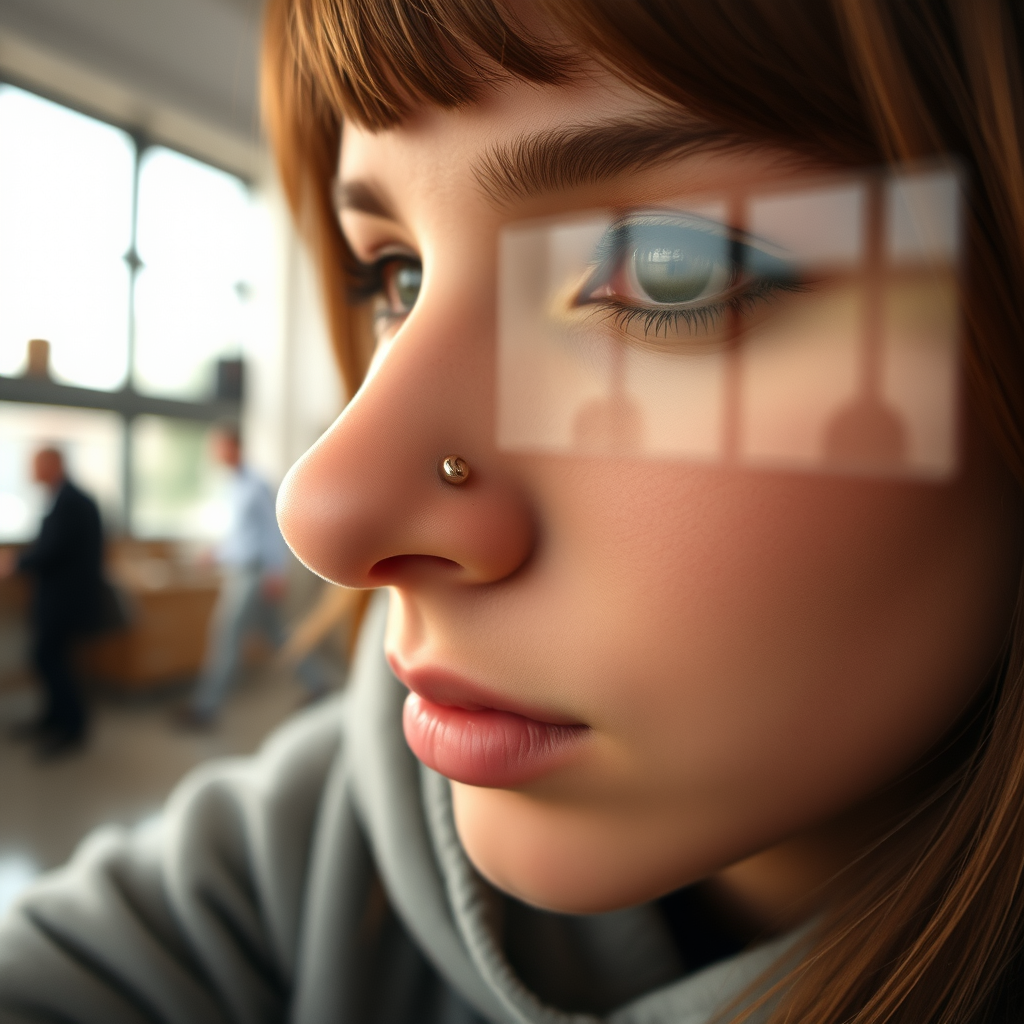
Nose ring bumps can manifest as small, red, swollen areas around the piercing site, and they can occur due to several underlying factors. The most common causes include irritation from the jewelry, infection, or the formation of keloids, which are raised scars that develop at the site of skin injury. Identifying the specific cause of the bump is crucial for effective treatment. For instance, if the bump is the result of irritation, it may respond well to changes in jewelry or cleaning techniques. Conversely, if an infection is present, more aggressive treatment may be necessary, including the use of antibiotics.
Understanding the nature of the bump can help you tailor your approach to treatment, ensuring a more effective response and promoting a quicker healing process.
Cleaning Your Piercing Properly
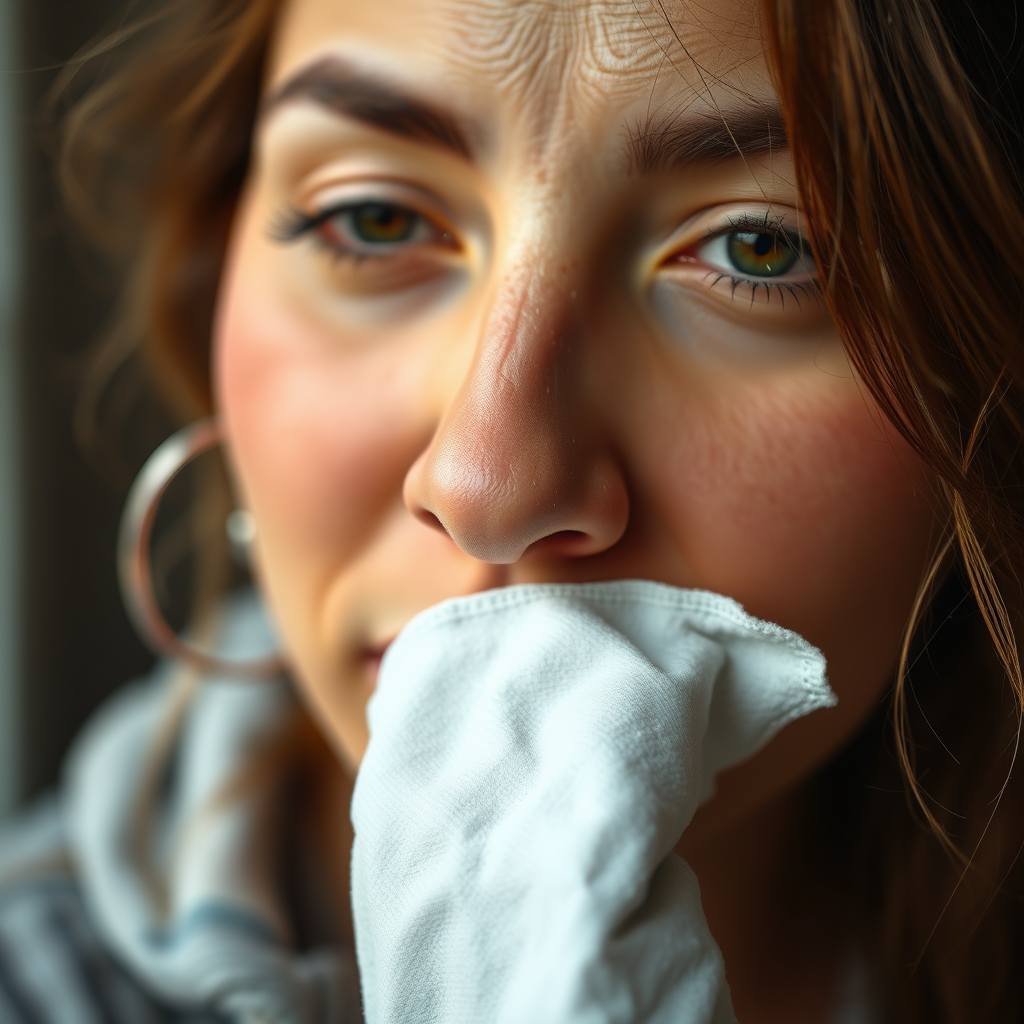
Proper hygiene is fundamental in preventing and treating nose ring bumps. To maintain a clean piercing, use a saline solution or a gentle saline rinse to clean the area twice a day. Saline solutions can be easily prepared at home by mixing 1/4 teaspoon of non-iodized sea salt with 1 cup of warm distilled water. This solution helps to cleanse the area without causing irritation.
It is essential to avoid harsh soaps or alcohol-based products, as these can strip the skin of its natural oils and exacerbate irritation. Instead, opt for gentle cleansers designed for sensitive skin. When cleaning, use a clean cotton swab or gauze pad to apply the saline solution directly to the bump, and avoid scrubbing the area too vigorously, as this can worsen inflammation.
Applying Warm Compresses
Utilizing warm compresses can significantly aid in reducing inflammation and promoting healing around the piercing. Warm compresses help to increase blood flow to the area, which can facilitate the healing process. To create a warm compress, soak a clean cloth in warm water, wring out the excess, and apply it to the bump for 10-15 minutes. This can be done several times a day.
Additionally, warm compresses can help to draw out any pus or fluid that may be trapped underneath the skin, thereby reducing the size of the bump. Be sure to use a clean cloth each time to minimize the risk of introducing new bacteria to the area.
Using Topical Treatments
Incorporating topical treatments can provide additional relief and accelerate healing. Over-the-counter creams or ointments specifically designed for reducing swelling and redness can be effective. Look for products that contain ingredients such as hydrocortisone, which can help alleviate inflammation.
Natural remedies such as tea tree oil and aloe vera are also worth considering for their soothing properties. Tea tree oil, known for its antiseptic and anti-inflammatory effects, can be diluted with a carrier oil (like coconut oil) and applied to the bump to help reduce irritation. Aloe vera, on the other hand, is renowned for its moisturizing and healing properties, making it an excellent choice for soothing inflamed skin.
However, it is crucial to perform a patch test with any new topical treatment to ensure there is no allergic reaction.
Avoiding Irritation
Minimizing irritation is key to preventing the formation of nose ring bumps. One of the most effective ways to achieve this is to refrain from touching or playing with your nose ring excessively. This can introduce bacteria and lead to irritation or infection.
Additionally, choosing jewelry made from hypoallergenic materials is advisable. Options such as titanium, surgical steel, or niobium are less likely to cause allergic reactions compared to materials like nickel or brass. If you suspect that your current jewelry may be contributing to the bump, consider switching to a higher-quality piece that is specifically designed for sensitive skin.
When to Seek Professional Help
While many nose ring bumps can be treated at home, there are instances when professional help is warranted. If the bump persists or worsens despite your efforts to treat it, consulting with a professional piercer or dermatologist is advisable. Signs of infection, such as the presence of pus, increased pain, or fever, require immediate medical attention.
A qualified professional can assess the situation more accurately, determine if an infection is present, and recommend appropriate treatments, which may include antibiotics or drainage if necessary.
Preventing Future Bumps
To prevent future nose ring bumps, maintaining a consistent aftercare routine is essential. This involves regularly cleaning the piercing, avoiding contact with irritants, and being cautious when applying skincare products around the area.
Furthermore, it’s wise to monitor any changes in your skincare products or environments that may irritate the area, such as switching to new makeup or skincare products that could clog pores or cause allergic reactions.
Establishing a habit of regular checks on your piercing can also help you catch any issues early, allowing for prompt action and minimizing the risk of bumps forming in the future.
By following these tips and techniques, you can promote a healthier, bump-free nose piercing. If you encounter persistent issues, do not hesitate to reach out for professional advice to ensure optimal healing and care.
In summary, understanding the nature of nose ring bumps and implementing proper cleaning, topical treatments, and avoidance techniques can significantly enhance your healing process. By taking proactive measures and seeking professional assistance when necessary, you can maintain a beautiful and healthy nose piercing for years to come.
Frequently Asked Questions
What causes a bump on my nose after getting a nose ring?
A bump on your nose after getting a nose ring can be caused by several factors, including irritation from the jewelry, an allergic reaction to the metal, or an infection. It’s essential to identify the root cause, as each requires a different approach for treatment. Additionally, improper aftercare or trauma to the piercing can exacerbate the issue, leading to the formation of a bump.
How can I treat a bump from my nose ring at home?
To treat a bump from your nose ring at home, start by cleaning the area gently with saline solution or a mild antibacterial soap. Applying warm compresses can help reduce swelling and promote drainage if there’s any pus. Over-the-counter topical treatments with ingredients like hydrocortisone or tea tree oil may also help to reduce inflammation and prevent infection; however, consult a healthcare professional if the bump persists.
Why does my nose ring bump keep coming back?
A recurring bump on your nose ring may indicate that your piercing is irritated or that you are allergic to the metal in your jewelry. Additionally, factors such as improper cleaning, wearing the wrong size or type of jewelry, or not allowing enough time for healing can contribute to the issue. To prevent recurrence, consider switching to hypoallergenic jewelry and ensuring proper aftercare.
Which type of jewelry is best to prevent bumps on a nose piercing?
To prevent bumps on a nose piercing, opt for jewelry made from hypoallergenic materials such as surgical stainless steel, titanium, or niobium. These materials are less likely to irritate the skin and can significantly reduce the risk of allergic reactions. Additionally, choosing jewelry with a smooth surface and avoiding overly heavy pieces can help minimize stress on the piercing.
What should I do if my nose ring bump shows signs of infection?
If your nose ring bump shows signs of infection, such as increased redness, pain, swelling, or discharge, it’s crucial to consult a healthcare professional immediately. They may prescribe antibiotics or recommend specific treatments to address the infection. In the meantime, avoid removing the jewelry, as this can trap bacteria inside the piercing and worsen the infection.
References
- https://www.healthline.com/health/nose-ring-bump
- https://www.medicalnewstoday.com/articles/nose-ring-bump
- https://www.verywellhealth.com/nose-piercing-bumps-5181288
- https://www.hopkinsmedicine.org/health/conditions-and-diseases/piercing-infections
- https://www.mayoclinic.org/healthy-lifestyle/adult-health/in-depth/piercings/art-20044070