Removing a nose ring is a straightforward process that requires a gentle touch and the right technique. To take off a nose ring safely, ensure your hands are clean and the area is well-lit. This guide will provide you with the best methods and tips to remove your nose ring without discomfort or irritation, making the process as seamless as possible.
Preparing for Removal

Before you begin the removal process, it is essential to take some preparatory steps to ensure cleanliness and comfort. Start by washing your hands thoroughly with soap and water for at least 20 seconds. This practice is crucial for preventing any potential infection, as your hands can carry bacteria that may cause complications.
Next, gather the necessary supplies. A well-lit mirror is essential to help you see what you are doing clearly. You may also want to have a pair of disposable gloves on hand, especially if you are concerned about touching your piercing with unclean hands. If you have sensitive skin or concerns about irritation, gloves can provide an added layer of protection.
Identifying the Type of Nose Ring

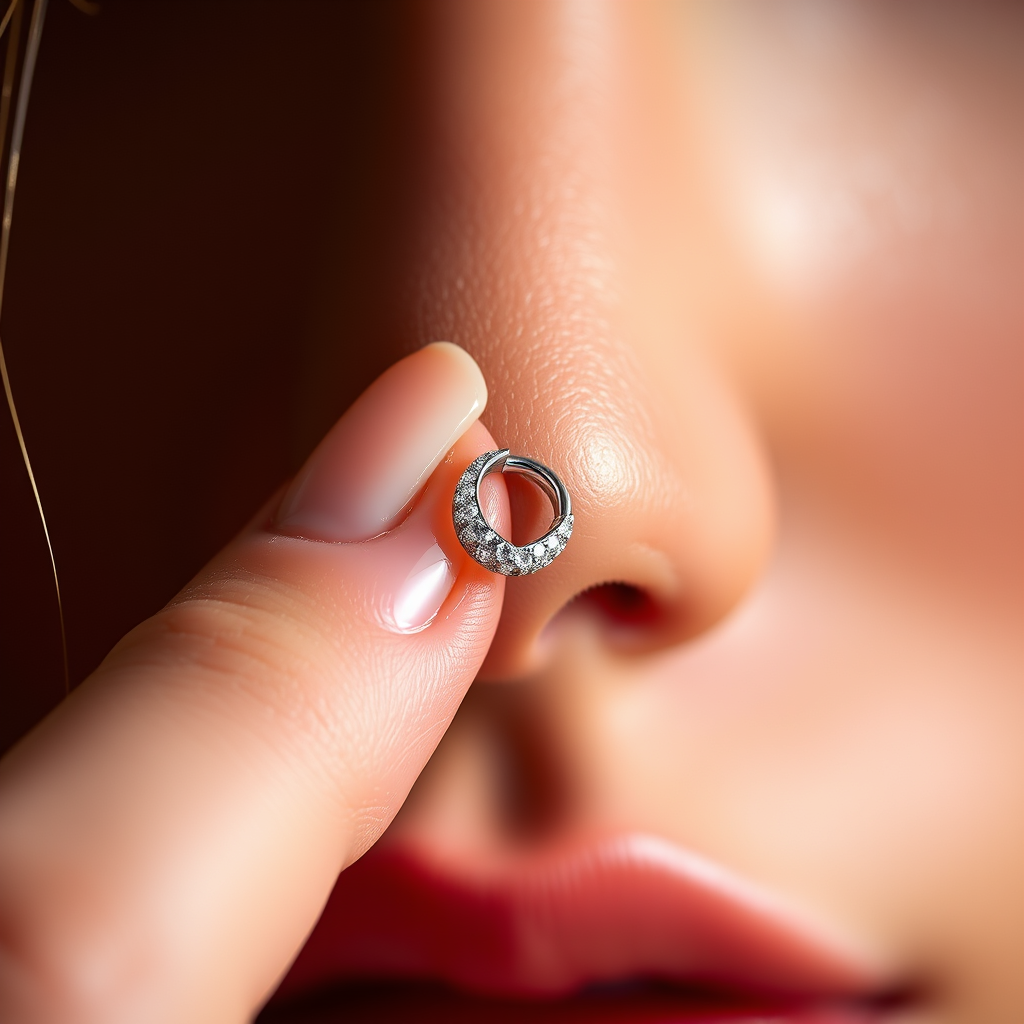
Understanding the type of nose ring you have is critical to ensuring a successful removal process. The most common types of nose rings include studs, hoops, and retainers.
– Studs typically feature a decorative end and a straight post that goes through the piercing.
– Hoops are circular and can either be continuous or feature a clasp that opens and closes.
– Retainers are often used during healing or to keep the hole open when not wearing jewelry.
Knowing the type of nose ring you are dealing with helps you determine the best removal method, reducing the risk of damage to your piercing or discomfort during the process.
Removing a Stud Nose Ring
To remove a stud nose ring, begin by gently grasping the decorative end of the stud. Pull it straight out in the direction of the piercing. Be sure to apply a gentle but firm pressure; if you feel resistance, avoid yanking it out as this can cause pain or injury. Instead, if the stud is stuck, try twisting it slightly while pulling gently to help ease it out.
If after trying this method the stud does not budge, consider applying a small amount of a water-based lubricant around the base of the stud. This can help alleviate friction and facilitate a smoother removal process. Always remember to remain calm and patient; rushing can lead to unnecessary complications.
Removing a Hoop Nose Ring
Removing a hoop nose ring requires a slightly different approach. First, locate the opening in the hoop. Depending on the design, the hoop may have a small hinge or clasp that allows you to open it easily. Gently twist or pull apart the ends of the hoop to create an opening.
If the hoop is not flexible and doesn’t have a clear opening, you may need to push one end of the hoop through the piercing first. This method requires a bit of finesse; ensure you do not apply excessive force, which can lead to discomfort. As always, if you encounter resistance, take a moment to reassess the situation and avoid forcing the jewelry out.
Cleaning the Area After Removal
After successfully removing your nose ring, it is crucial to clean the piercing site to prevent infections and promote healing. Use a saline solution or a mild soap mixed with water to cleanse the area gently. Avoid using alcohol, hydrogen peroxide, or any harsh chemicals, as these substances can irritate the skin and delay the healing process.
Once cleaned, you may apply a thin layer of a healing ointment if recommended by your piercer. This can provide additional protection and assist in the healing of the tissue around the piercing. Keeping the area clean and moisturized is essential, especially if you plan to leave the piercing empty for an extended period.
When to Seek Professional Help
While most nose ring removals go smoothly, there are circumstances that may warrant a visit to a professional piercer. If you experience significant pain, excessive bleeding, or difficulty removing the ring, it is critical to consult a professional. These symptoms can be indicative of an underlying issue, such as an infection or allergic reaction.
A professional piercer can assess the situation and provide appropriate guidance or treatment. It is always best to err on the side of caution when it comes to your health and well-being, especially with body piercings.
Tips for Future Piercings
If you are considering future piercings or are new to body jewelry, there are several tips to keep in mind to ensure a positive experience. First, consider using hypoallergenic materials, such as surgical steel or titanium, which are less likely to cause irritation or allergic reactions.
Additionally, always follow the aftercare instructions provided by your piercer. This typically involves cleaning the piercing regularly, avoiding touching it with dirty hands, and refraining from swimming in pools or hot tubs during the healing process. Taking these steps can significantly reduce the risk of complications and promote a healthy healing experience.
Properly removing a nose ring can be done safely and easily with the right approach. Remember to take your time, ensure cleanliness, and be gentle with your piercing. If you encounter any issues during the process, don’t hesitate to reach out to a professional for assistance. By following these guidelines, you can enjoy your body jewelry while minimizing any potential risks associated with removal and healing.
Frequently Asked Questions
How do I safely remove a nose ring?
To safely remove a nose ring, start by washing your hands with soap and water to avoid introducing bacteria into the piercing. Gently grasp the jewelry and either twist it counterclockwise or pull straight out, depending on the type of nose ring you have (stud, hoop, or screw). If you encounter resistance, do not force it; instead, consider applying a small amount of saline solution or lubricant to help ease the removal process.
What should I do if my nose ring is stuck?
If your nose ring is stuck, remain calm and avoid pulling on it forcefully, as this can cause pain or damage to the piercing. Instead, try to gently twist the ring or stud to see if it will budge. If it’s still stuck, soak a cotton ball in saline solution and apply it to the area to help reduce swelling or irritation. If the ring remains lodged after these attempts, consult a professional piercer for assistance.
Why does my nose ring hurt when I try to take it off?
Pain when removing a nose ring can occur for several reasons, including irritation from an allergic reaction to the metal, infection, or simply the natural sensitivity of the area. Additionally, if the piercing is still healing, the tissue may be more prone to discomfort. It’s important to ensure you are not forcing the ring out, and if the pain persists, you should seek advice from a healthcare professional or a qualified piercer.
Which type of nose ring is easiest to remove?
Generally, stud nose rings are the easiest to remove, especially those with a simple, push-in backing. Hoop nose rings can be more challenging due to the closure mechanism, while screw-type rings require a bit more dexterity to unscrew. If you’re looking for convenience, consider opting for a stud with a secure but simple attachment method for easier removal in the future.
What are the aftercare steps after removing a nose ring?
After removing a nose ring, it’s crucial to clean the area to prevent infection. Gently wash the piercing site with saline solution or a mild soap and water, avoiding harsh chemicals. Keep an eye on the area for signs of redness, swelling, or discharge, and if any of these symptoms occur, consult a healthcare professional. Additionally, if you plan to reinsert a new ring, ensure it’s made from high-quality materials to minimize irritation.