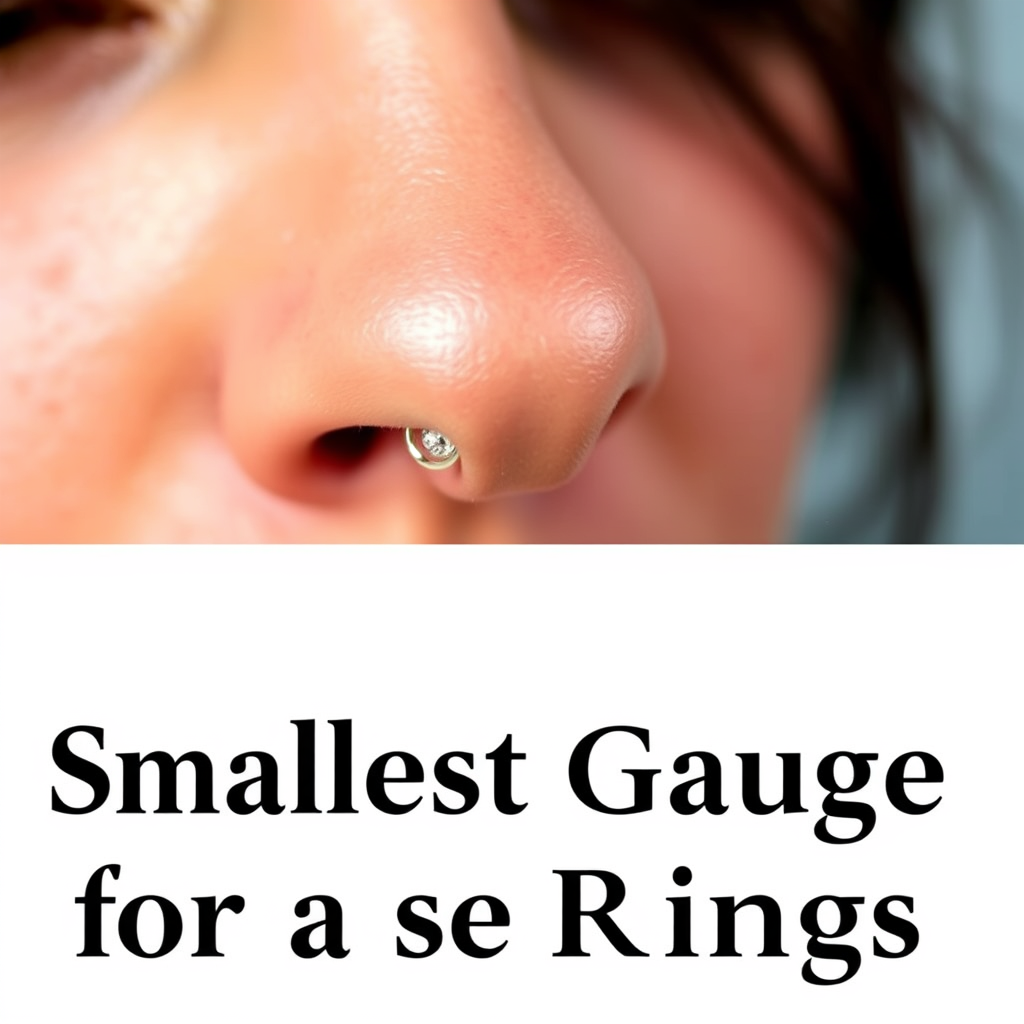
The smallest gauge for a nose ring is typically 20 gauge (0.8 mm), although some piercings may accommodate 22 gauge (0.6 mm) as well. Choosing the right gauge is crucial for ensuring comfort, aesthetic appeal, and proper healing of the piercing. This article will delve into the implications of selecting the smallest gauge, its impact on the healing process, comfort levels, and important factors to consider when choosing a nose ring.
Understanding Gauge Sizes

The Implications of Choosing a Smaller Gauge
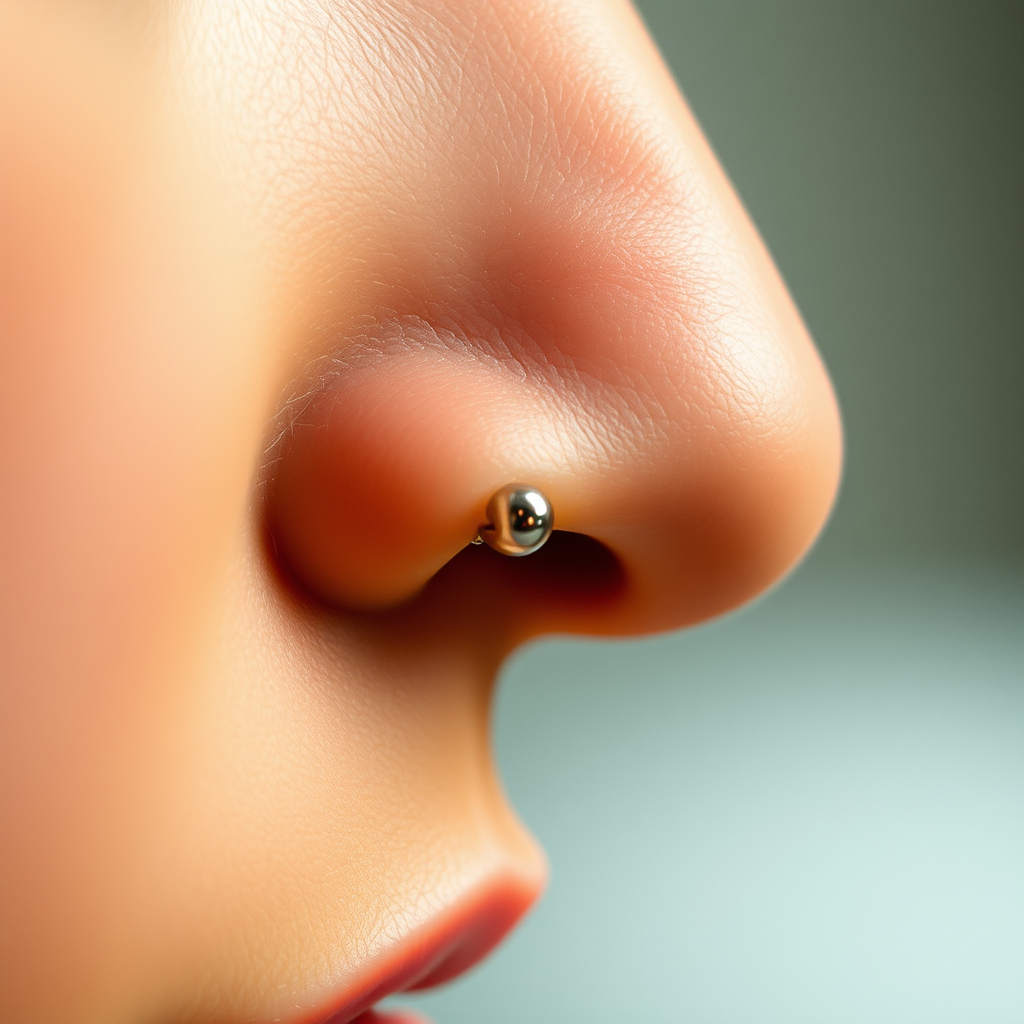
Choosing a smaller gauge can have several implications for comfort and aesthetics. Smaller gauges, like 20 or 22, generally lead to less irritation, making them a preferred choice for new piercings. This reduced thickness can create a more comfortable fit, particularly during the healing phase. However, it is important to note that using a gauge that is too small may result in jewelry that lacks stability. A less secure fit can increase the risk of the ring shifting or migrating, which can complicate the healing process. Therefore, while smaller gauges may seem appealing for comfort, it is essential to ensure that they provide adequate support for the piercing.
Healing Process and Nose Ring Gauge
The gauge size of a nose ring can significantly influence the healing process. Thinner jewelry, such as a 22 gauge, may heal more quickly due to reduced tissue trauma during the piercing. However, this smaller size can also increase the risk of migration, wherein the jewelry shifts from its original position. In contrast, 20 gauge jewelry strikes a balance between healing speed and stability. To promote optimal healing, it is crucial to adhere to aftercare guidelines, which typically include cleaning the piercing, avoiding excessive touching, and using a saline solution for cleaning. Regardless of the gauge, proper aftercare is vital to prevent infections and ensure the piercing heals correctly.
Comfort Levels with Different Gauges
Comfort is a highly subjective experience that varies from person to person. Many individuals report that 20 gauge provides a favorable balance between comfort and visual appeal. This size is thick enough to feel secure while still being lightweight enough to minimize discomfort, especially during the initial healing phase. On the other hand, some people may prefer the aesthetics of a thicker 18 gauge nose ring, which can offer a more pronounced look. Ultimately, personal preference plays a significant role; it is essential to choose a gauge that aligns with both comfort and aesthetic desires. Trying on different gauges, if possible, can help determine what feels best for each individual.
Considerations for Changing Gauges
If you are considering switching to a smaller gauge, it is crucial to ensure that your piercing has fully healed before making any changes. Transitioning too soon can lead to trauma and irritation, potentially causing complications. Gradual transitions are recommended; for example, if you currently wear a 20 gauge and wish to move to a 22 gauge, consider waiting until the piercing is stable before making the switch. Consulting with a professional piercer can provide personalized guidance and help ensure that the transition is smooth and safe.
Selecting the Right Nose Ring
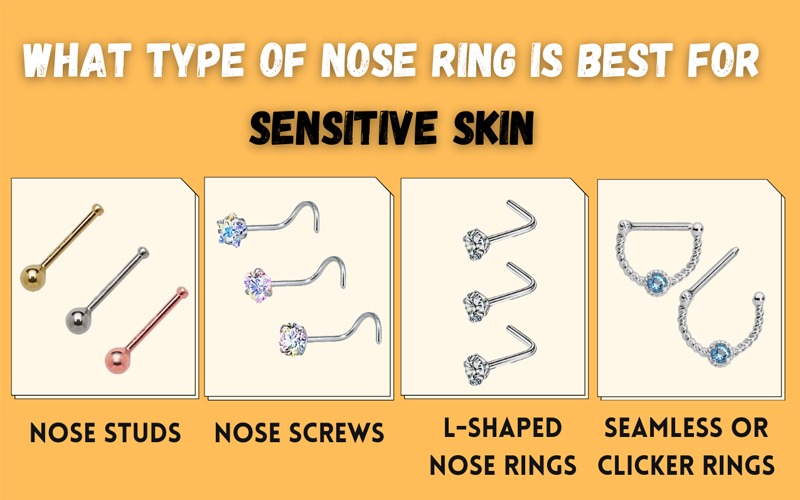
When selecting the right nose ring, several factors should be taken into account. First, consider the material; opting for hypoallergenic options, such as titanium or surgical stainless steel, can significantly reduce the risk of irritation and allergic reactions. Additionally, the style of the nose ring should align with your personal aesthetic while also ensuring comfort and fit. Rings come in various designs, from simple studs to intricate hoops, each offering a different visual impact. It is essential to choose a design that complements your face shape and personal style while maintaining a comfortable fit.
The choice of gauge for a nose ring is an important decision that affects both comfort and healing. Understanding the implications of selecting the smallest gauge, particularly 20 or even 22 gauge, will help you make an informed choice. Be sure to consider your own comfort levels and consult with a professional piercer if you have any doubts. By carefully weighing these factors and prioritizing proper aftercare, you can ensure a positive piercing experience that looks and feels great.
Frequently Asked Questions
What is the smallest gauge size for a nose ring?
The smallest gauge size commonly used for a nose ring is 20 gauge (0.8 mm). This size is popular for initial piercings as it allows for easier insertion and healing while still being suitable for a variety of styles, including studs and hoops. Some people may also opt for 22 gauge (0.6 mm), but this is less common and often used for more delicate designs.
How do I choose the right gauge for my nose ring?
Choosing the right gauge for your nose ring largely depends on whether you are getting a new piercing or changing an existing one. If you’re getting pierced, a 20 gauge is typically recommended for most initial piercings. For those with healed piercings, you can opt for smaller gauges like 22 or even 18, but ensure that your piercing has fully healed to avoid irritation or complications.
Why does nose ring gauge size matter?
The gauge size of a nose ring is crucial because it affects both comfort and healing. A smaller gauge means a thicker jewelry piece, which can provide more stability and reduce the chance of the jewelry being accidentally pulled out. Conversely, larger gauges (lower numbers) may be more comfortable for long-term wear, but can be difficult to insert into fresh piercings, potentially leading to complications during the healing process.
What are the best materials for small gauge nose rings?
The best materials for small gauge nose rings include titanium, surgical steel, and bioplast. These materials are hypoallergenic, reducing the risk of allergic reactions or irritation, which is particularly important for new piercings. Additionally, titanium is lightweight and durable, making it an excellent choice for those with sensitive skin or who are prone to infections.
Which nose ring styles are available in smaller gauges?
Smaller gauge nose rings, such as 20 gauge and 22 gauge, are available in a variety of styles including studs, hoops, and captive bead rings. Studs are especially popular for initial piercings due to their simplicity and comfort. Hoops can also be found in smaller gauges, but it’s essential to select one that fits well to avoid discomfort or pressure on the piercing. Always check the gauge size before purchasing to ensure compatibility with your piercing.
References
- Nose piercing
- https://www.ncbi.nlm.nih.gov/pmc/articles/PMC6423840/
- https://www.healthline.com/health/nose-piercing-guide
- https://www.verywellhealth.com/nose-piercing-care-5182396
- https://www.nhs.uk/conditions/body-piercing/
- https://www.medicalnewstoday.com/articles/325094
- https://www.americanacademyofdermatology.org/
- https://www.cdc.gov/nceh/lead/infants.htm