The standard nose ring size typically ranges from 20 gauge (0.8 mm) to 18 gauge (1.0 mm), with 20 gauge being the most common choice for initial piercings. Understanding these sizes is crucial for finding the right fit and ensuring comfort. Choosing the correct gauge not only affects the aesthetic appeal of your jewelry but also plays a vital role in the healing process and overall comfort. In this article, we will explore various aspects of nose ring sizes, materials, and styles to help you make an informed decision.
Understanding Nose Ring Gauges

Gauges indicate the thickness of the nose ring, with lower numbers representing thicker jewelry. The gauge system operates on a numerical scale, where each increment represents a change in thickness. For example, a 20-gauge nose ring is thinner than an 18-gauge ring. The most common gauges for nose rings are 20, 18, and occasionally 16. A 20-gauge is often preferred for new piercings due to its slender profile, which minimizes trauma to the delicate tissue during the initial healing period. As the piercing heals, some individuals may choose to switch to an 18-gauge for added durability or aesthetics. Understanding these differences can help you make educated choices when buying new jewelry or replacing existing pieces.
Choosing the Right Size for Your Piercing

When selecting a nose ring size, consulting with a professional piercer is essential for personalized recommendations. A skilled piercer will consider the anatomy of your nose, the location of the piercing, and your personal preferences. Factors such as healing time and sensitivity should also be taken into account when deciding on a size. For instance, if you have a sensitive nose or have had complications with past piercings, a 20-gauge might be more appropriate, as it is less intrusive. Additionally, some individuals may experience swelling during the healing process, making it crucial to allow for adjustments in size. Always prioritize comfort and fit over aesthetics, especially during the healing phase.
Different Styles of Nose Rings
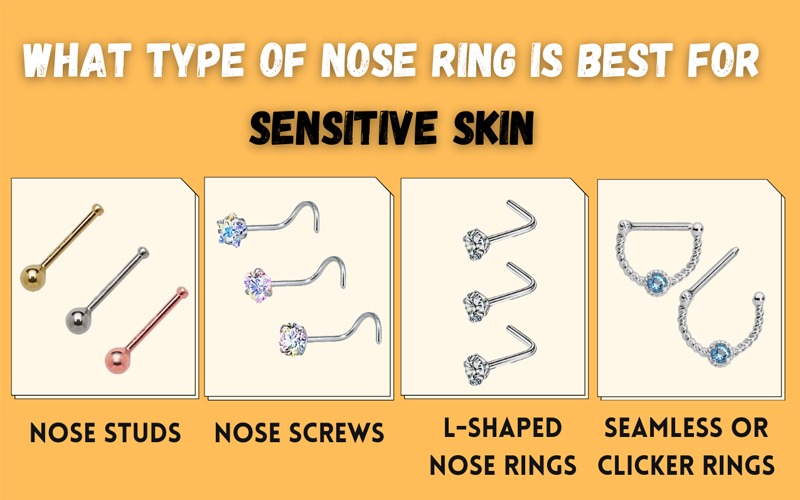
Nose rings come in various styles, each offering unique characteristics and fits. The most popular options are studs, hoops, and screws. Nose studs are typically small and sit flush against the nostril, making them a discreet option for first-time wearers. Hoops, on the other hand, can add a bolder statement to your look, but they require careful consideration of size and fit to avoid discomfort. Nose screws, which have a bent end to secure them in place, can be particularly useful for those who are active, as they are less likely to fall out. Different styles can affect how the size feels and looks once worn; for example, a larger hoop may have a different visual impact than a stud of the same gauge. Therefore, it is advisable to try on various styles to see how they align with your personal aesthetic and comfort levels.
Materials Used in Nose Rings
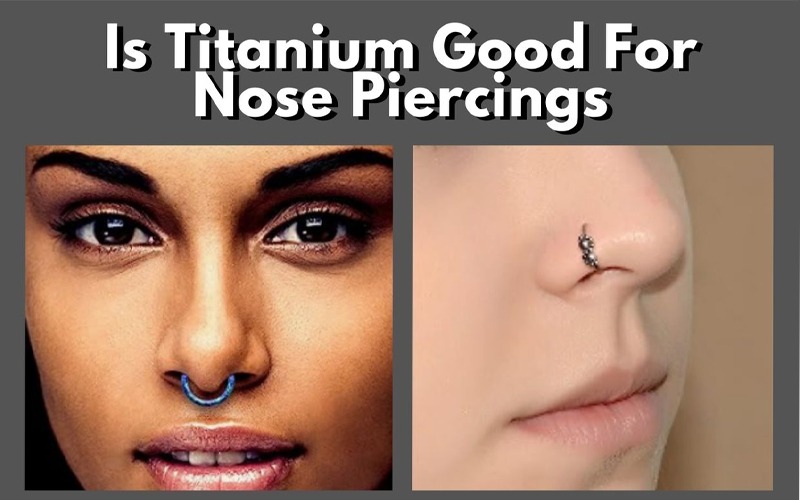
The materials used in nose rings significantly impact comfort, style, and potential allergic reactions. Common materials include surgical steel, titanium, and gold. Surgical steel is a popular choice for initial piercings due to its durability and resistance to infection. Titanium, known for its lightweight and hypoallergenic properties, is ideal for sensitive skin or those prone to allergies. Gold, whether yellow, white, or rose, offers a luxurious appearance but should be chosen carefully, as some alloys may contain nickel, which can provoke allergic reactions. For those with sensitive skin, hypoallergenic options are advisable. Choosing the right material is not just a matter of aesthetics; it also plays an essential role in ensuring that your piercing remains healthy and irritation-free.
Measuring Your Nose Ring Size
If you’re unsure about your nose ring size, measuring it accurately is crucial. You can use a caliper or a ruler to measure the thickness of your current jewelry. Simply take the measurement across the thickest part of the ring or stud to determine its gauge. If you do not have access to a measuring tool, professional piercers can help you determine the appropriate size during your appointment. They can also offer advice on transitioning to different sizes or styles if you wish to change your jewelry. Accurate measurements can help prevent discomfort and ensure that your new jewelry fits seamlessly.
Popular Trends and Customizations
The world of nose rings is continually evolving, with new trends emerging regularly. Current trends include unique shapes, such as stars or hearts, and the incorporation of gemstones, which can add a personal touch to your style. Additionally, custom options are available for those seeking a personalized flair, such as engraving or bespoke designs tailored to individual preferences. Customization can create a meaningful piece that resonates with personal experiences or milestones. Staying informed about the latest trends can help you select a nose ring that not only fits well but also reflects your individuality and enhances your overall look.
The right nose ring size is essential for comfort and style, with standard sizes generally falling between 20 and 18 gauge. By considering factors such as gauge, style, materials, and personal preference, you can find a nose ring that complements your look while ensuring a proper fit. If you’re considering getting a nose ring or upgrading your existing jewelry, be sure to consult with a professional for the best results. Making informed decisions about your nose ring size and type can enhance your overall experience and satisfaction with your piercing.
Frequently Asked Questions
What is the standard nose ring size for a nostril piercing?
The standard nose ring size for a nostril piercing is typically 20 gauge (0.8 mm) or 18 gauge (1.0 mm). However, the most common size used is 20 gauge, as it is suitable for most people and offers a balance between comfort and durability. It’s essential to consult with your piercer to determine the best gauge for your individual anatomy and jewelry preference.
How do I determine the right size for my nose ring?
To determine the right size for your nose ring, you should consider both the gauge and the length of the post. The gauge refers to the thickness of the jewelry, while the length is the distance between the bend and the end of the post. For a comfortable fit, it’s best to measure the thickness of your piercing and consult with a professional piercer who can recommend the appropriate gauge and length based on your anatomy.
Why is it important to choose the correct nose ring size?
Choosing the correct nose ring size is crucial for both comfort and healing. An improperly sized nose ring can lead to irritation, increased risk of infection, and migration of the piercing. Additionally, a well-fitted nose ring ensures it stays securely in place, reducing the chances of losing it or causing trauma to the piercing site.
What are the best materials for nose rings in standard sizes?
The best materials for nose rings, especially in standard sizes like 20 and 18 gauge, include surgical stainless steel, titanium, and gold. Surgical stainless steel is hypoallergenic and durable, making it an excellent choice for initial piercings. Titanium is even lighter and more biocompatible, while gold (at least 14k) is a safe, luxurious option for those looking for a more decorative piece.
Which style of nose ring should I choose for my standard size?
The choice of nose ring style largely depends on personal preference and comfort. Popular styles include studs, hoops, and septum rings, each available in standard sizes. If you’re new to nose piercings, a stud may be the best choice for ease of wear, while hoops can add a trendy touch. Be sure to select a style that complements your face shape and lifestyle for the best overall experience.
References
- Nose piercing
- https://www.ncbi.nlm.nih.gov/pmc/articles/PMC5820318/
- https://www.mayoclinic.org/healthy-lifestyle/adult-health/in-depth/body-piercing/art-20045340
- https://www.verywellhealth.com/nose-piercing-5194493
- https://www.hopkinsmedicine.org/health/wellness-and-prevention/nose-piercings-what-you-need-to-know