Nose rings can symbolize various meanings, ranging from cultural heritage to personal expression. Across the globe, they serve as significant markers of identity and style, often deeply rooted in tradition or individualism. Understanding the multifaceted meanings behind nose rings can enrich your appreciation of this adornment, whether you are considering getting one or simply wish to gain insight into its diverse connotations.
Cultural Significance of Nose Rings
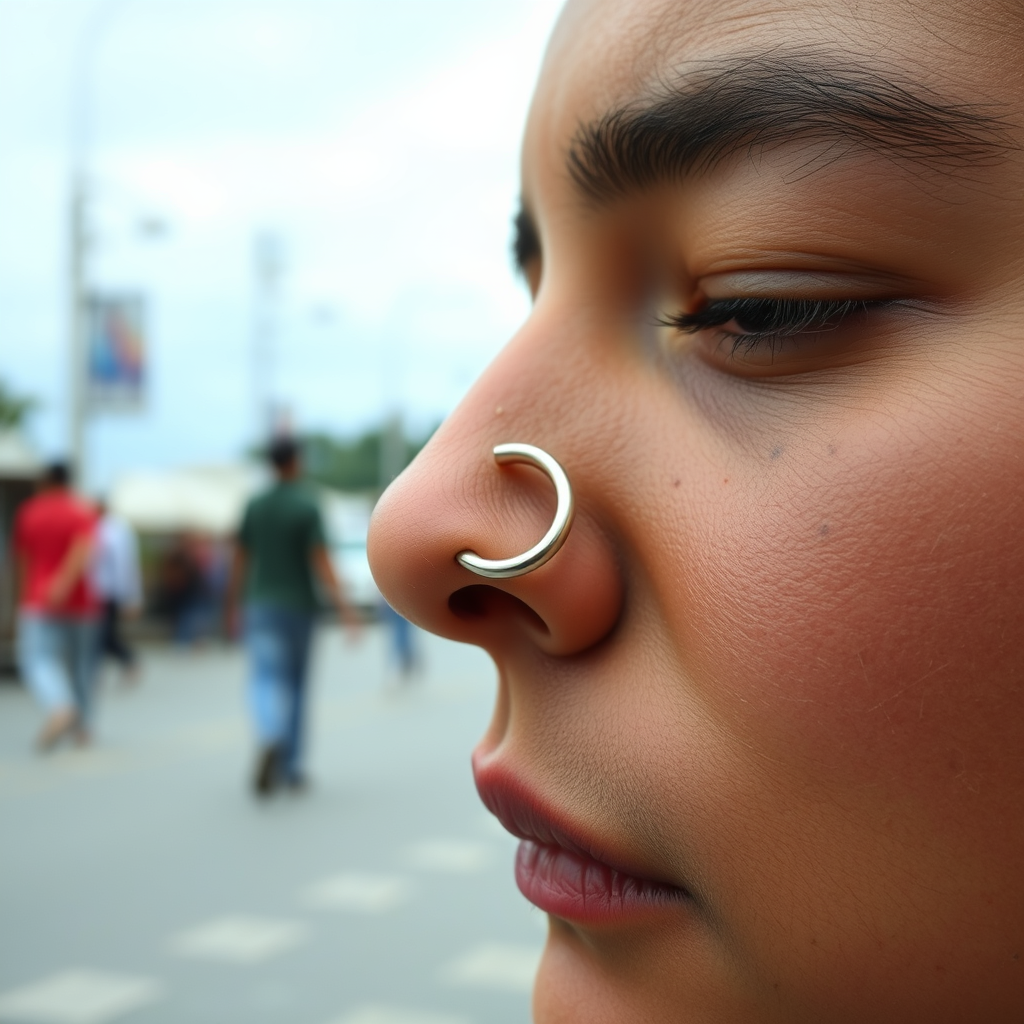
In many cultures, particularly in South Asia, nose rings are not merely pieces of jewelry but rather traditional symbols of womanhood and marital status. For instance, in countries like India, a nose ring, or “nath,” is often worn by brides as a sign of their marriage and commitment. This piece of jewelry is considered auspicious and is sometimes linked to fertility and prosperity. Moreover, among various Indigenous cultures around the world, nose rings can signify rites of passage or social status, serving to identify an individual’s role within their community.
Beyond marital and cultural markers, nose rings can also embody religious beliefs. In some communities, wearing a nose ring is viewed as a form of spiritual adornment, believed to enhance one’s connection to the divine. In certain African traditions, for example, nose rings are not only decorative but are also used in rituals and ceremonies, reflecting deeper spiritual significance. This multifaceted cultural relevance underscores that nose rings are much more than mere accessories; they are imbued with history, meaning, and identity.
Fashion and Trends
Over the years, nose rings have transcended their traditional roots to become a prominent fashion statement, embraced by various subcultures as well as the mainstream fashion industry. The evolution of nose rings showcases the intersection of cultural significance and contemporary style. In the 1990s, for instance, they became popular among punk and alternative music scenes, symbolizing rebellion and nonconformity. Today, they are widely accepted, appearing in the collections of high-end designers and on the red carpets of major events.
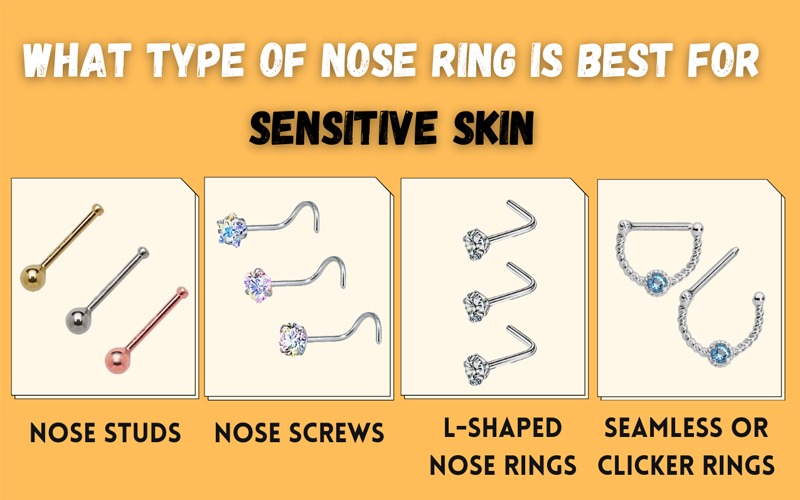
The materials and styles of nose rings have also diversified significantly, influencing their popularity and appeal. From simple studs and hoops to elaborate designs adorned with gemstones, the options are virtually limitless. The choice of material—whether gold, silver, surgical steel, or even plastic—can also impact the ring’s aesthetic and wearability. This versatility allows wearers to express their personality and sense of style, making the nose ring a dynamic element of personal fashion.
Personal Expression
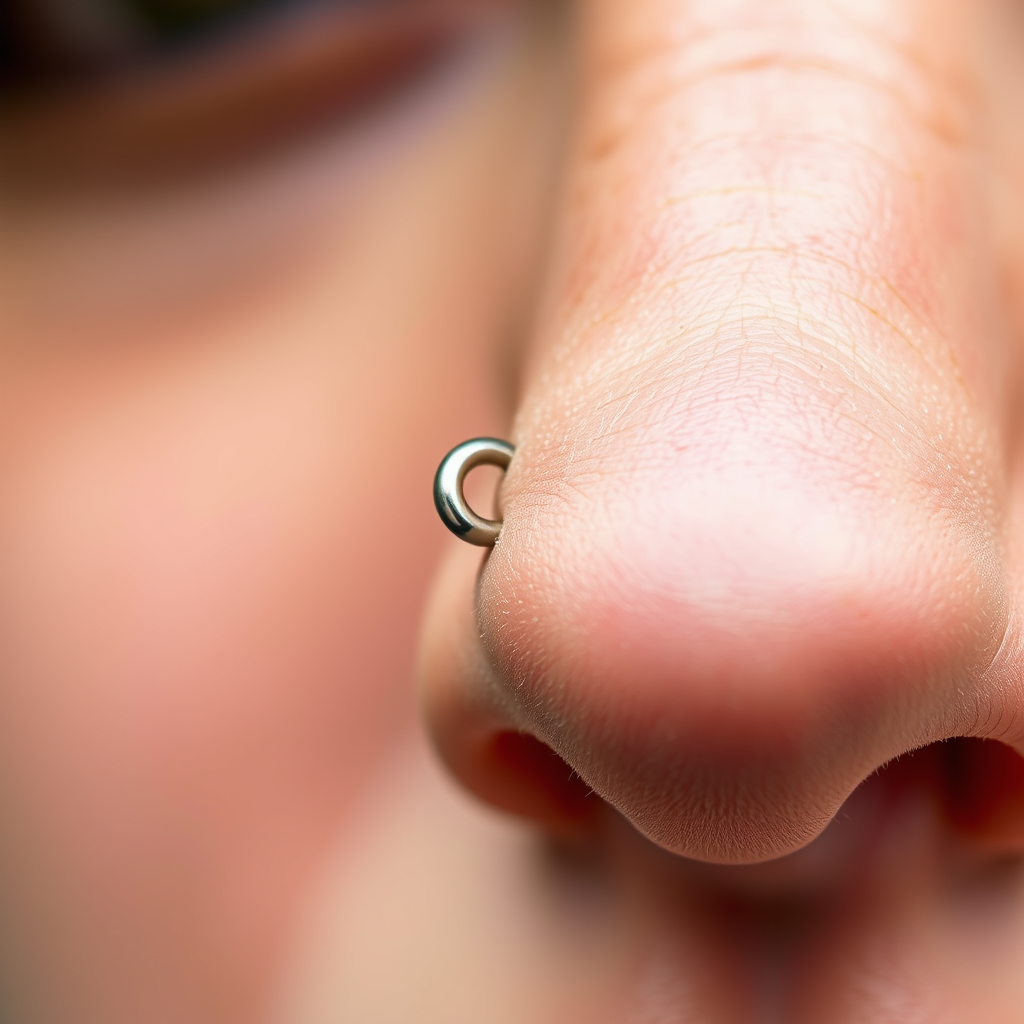
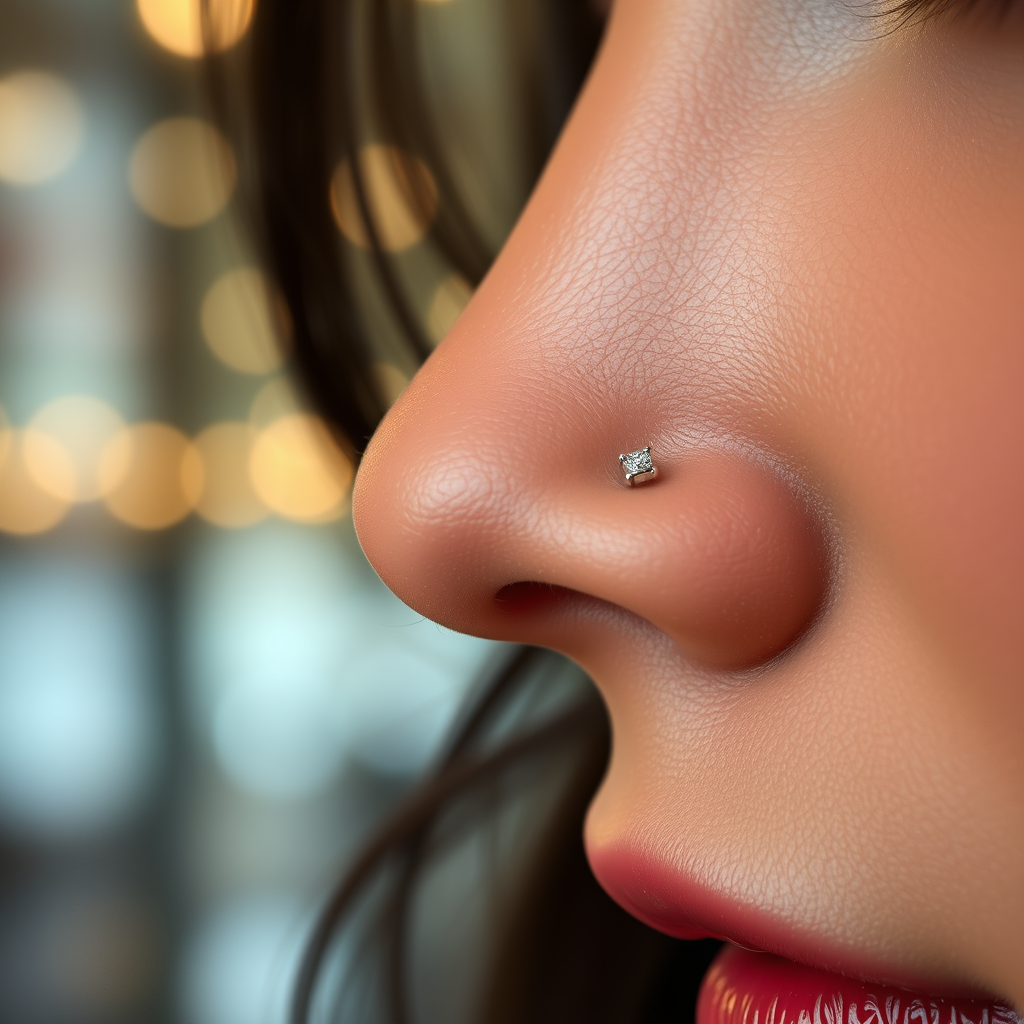
For many individuals, wearing a nose ring is a powerful form of self-expression. It can signify individuality, creativity, and a break from societal norms. Whether someone chooses a subtle stud or a more elaborate design, the decision to wear a nose ring often reflects personal beliefs, artistic inclinations, or lifestyle choices. In this way, nose rings can act as a canvas for self-identity, allowing wearers to showcase their unique personality.
Furthermore, the act of wearing a nose ring can foster a sense of community among those who share similar values or aesthetics. Social media platforms have played a significant role in this aspect, with influencers and celebrities showcasing their nose rings and inspiring others to embrace this form of personal expression. As more people adopt nose rings as part of their identity, they become symbols of solidarity and shared experience among diverse groups.
Historical Context
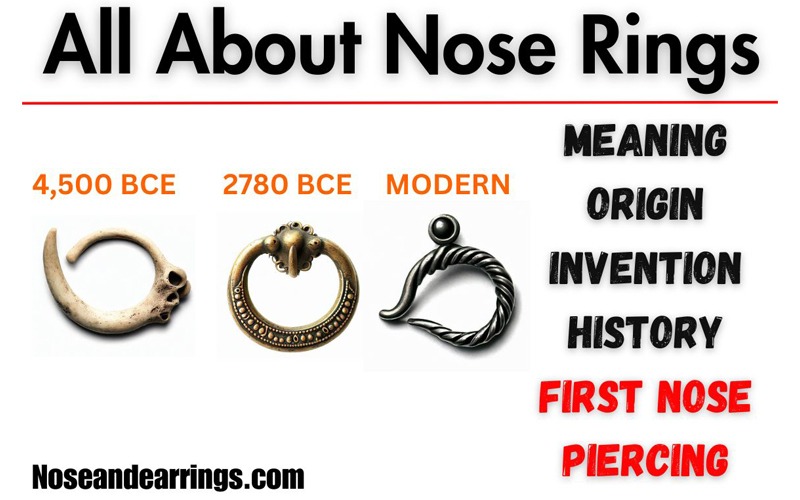
The history of nose rings can be traced back to ancient civilizations, providing context for their modern significance. Evidence suggests that nose rings were worn as far back as 4,000 years ago in the Middle East, where they were often made of materials like gold and silver. In ancient cultures, they were not only aesthetic but also functional, sometimes used as a means of trading or as a form of currency.
As we move through history, nose rings have appeared in various forms across different cultures, each time carrying its own unique symbolism. For example, in ancient India, nose rings were associated with wealth and status, while in some Native American tribes, they were worn as a sign of bravery or achievement. Understanding this historical context enriches our perspective on the nose ring’s significance in contemporary society, allowing us to appreciate its evolution from a cultural artifact to a modern fashion statement.
Common Misconceptions
Despite their rich history and diverse meanings, nose rings are often mistakenly associated solely with rebellion or nonconformity. This stereotype can overshadow the broader significance that nose rings hold for many individuals and cultures. While some may choose to wear a nose ring as a form of protest against societal norms, for others, it is simply a matter of personal taste or cultural heritage.
Exploring the diverse reasons for wearing nose rings can help dispel these misconceptions and foster a greater appreciation for this adornment. Many wearers value the aesthetic appeal of nose rings, while others cherish their cultural significance or use them as a medium for self-expression. By broadening the conversation around nose rings, we can appreciate the rich tapestry of meanings they hold for different individuals.
Care and Maintenance
Proper care is essential for nose rings to prevent infections or complications. Regular cleaning can help maintain the ring’s appearance and ensure the health of the piercing. For new piercings, it is crucial to follow aftercare instructions provided by a professional piercer. This typically includes cleaning with saline solution and avoiding touching the area with unwashed hands.
For those who already have nose rings, maintaining hygiene is equally important. Regularly cleaning the jewelry with a gentle antiseptic solution and ensuring that it is free from dirt and bacteria can help prevent irritation or infections. Additionally, monitoring the skin around the piercing for any signs of redness or swelling is advisable. By taking these straightforward steps, wearers can enhance the longevity of their nose rings while enjoying peace of mind.
Choosing the Right Nose Ring
When selecting a nose ring, several factors should be considered to ensure a comfortable and stylish fit. Size is an important consideration, as a ring that is too large may cause discomfort or irritation, while one that is too small may not be visible or may not fit properly. Additionally, the style of the nose ring should align with personal taste and lifestyle. From classic studs to intricate hoops, the variety of designs available offers something for everyone.
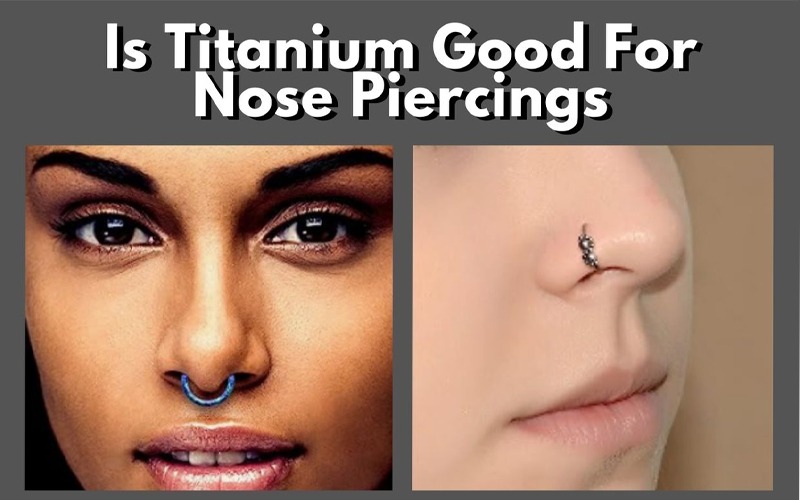
Material choice is another crucial aspect to consider. Some individuals may have sensitivities to certain metals, making hypoallergenic options like titanium or surgical steel more suitable. Understanding your personal preferences, including color and design, can help you make an informed decision. Ultimately, the right nose ring should reflect your unique style while ensuring comfort and safety.
Wearing a nose ring can hold various meanings, influenced by cultural, personal, and fashion-related factors. Whether you’re considering getting one or simply curious about their significance, understanding these aspects can enrich your appreciation for this adornment. From cultural heritage to personal expression, nose rings embody a rich history and a modern evolution that resonates with many. Explore different styles and meanings, and perhaps even find one that resonates with you!
Frequently Asked Questions
What does a nose ring symbolize in different cultures?
Nose rings have various meanings across different cultures. In some South Asian traditions, they are a symbol of marriage and femininity, often worn by brides as part of their wedding attire. In Western cultures, nose rings can represent individuality, rebellion, or a fashion statement, reflecting a person’s personal style or subculture affiliation.
How do nose rings affect professional image and workplace acceptance?
The acceptance of nose rings in professional settings varies significantly by industry and company culture. In more creative fields, nose rings might be seen as a form of self-expression, while more conservative workplaces may discourage visible piercings. It’s important to consider the norms of your specific workplace and assess whether your choice aligns with its values.
Why do people choose to wear nose rings?
People choose to wear nose rings for a variety of reasons, including personal expression, cultural significance, and aesthetic appeal. For some, it’s a form of body art that enhances their facial features, while for others, it may represent a connection to their heritage or a statement about their identity. The choice to wear a nose ring often reflects individual style and personal beliefs.
What types of nose rings are available, and which one is best for beginners?
There are several types of nose rings, including studs, hoops, and septum rings, each offering unique styles and fits. For beginners, a stud is often recommended because it is less likely to snag or move around, making it easier to manage during healing. Additionally, opting for materials like titanium or surgical steel can help reduce the risk of allergic reactions and promote healing.
Which aftercare practices are essential for maintaining a nose ring piercing?
Proper aftercare is crucial for maintaining a healthy nose ring piercing. It’s important to clean the piercing with saline solution or an antiseptic solution recommended by a professional piercer, avoiding harsh chemicals. Additionally, refrain from touching or changing the jewelry until it has fully healed, which typically takes 2 to 4 months, to prevent infection and promote optimal healing.
References
- Nose ring
- https://www.ncbi.nlm.nih.gov/pmc/articles/PMC6770775/
- https://www.bbc.com/culture/article/20191125-why-body-piercing-is-more-than-a-trend
- Why Both the Dems and the GOP Now Think Voters Prefer Female Candidates – The Atlantic
- Self-Esteem: Influences, Traits, and How to Improve It
- https://www.sciencedirect.com/science/article/pii/S1877056121000205