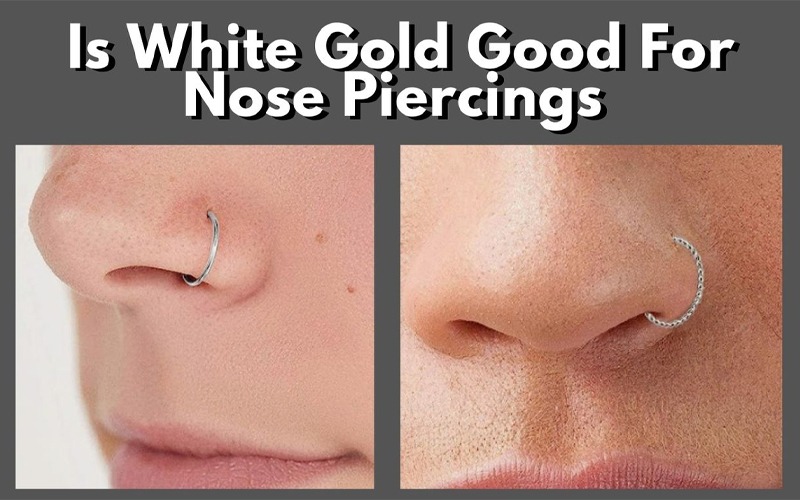
Inserting a screw nose ring can be a straightforward process if you follow the right steps. This guide will walk you through the necessary techniques to safely and effectively insert your screw nose ring, ensuring comfort and proper placement. Whether you’re a novice or someone with experience in body jewelry, understanding the nuances of inserting a screw nose ring will help you achieve a secure and pleasant fit.
Understanding Screw Nose Rings

Screw nose rings are a popular choice for piercings due to their unique design, which includes a threaded post that screws into the receiving end of the ring. This design feature not only enhances security but also minimizes the risk of the jewelry falling out during daily activities. Typically crafted from materials such as surgical steel, titanium, or gold, screw nose rings offer both durability and aesthetic appeal. It is crucial to choose the right material, as certain metals can cause allergic reactions or irritation. For instance, surgical steel is often recommended for its hypoallergenic properties and resistance to tarnishing.
Preparing for Insertion
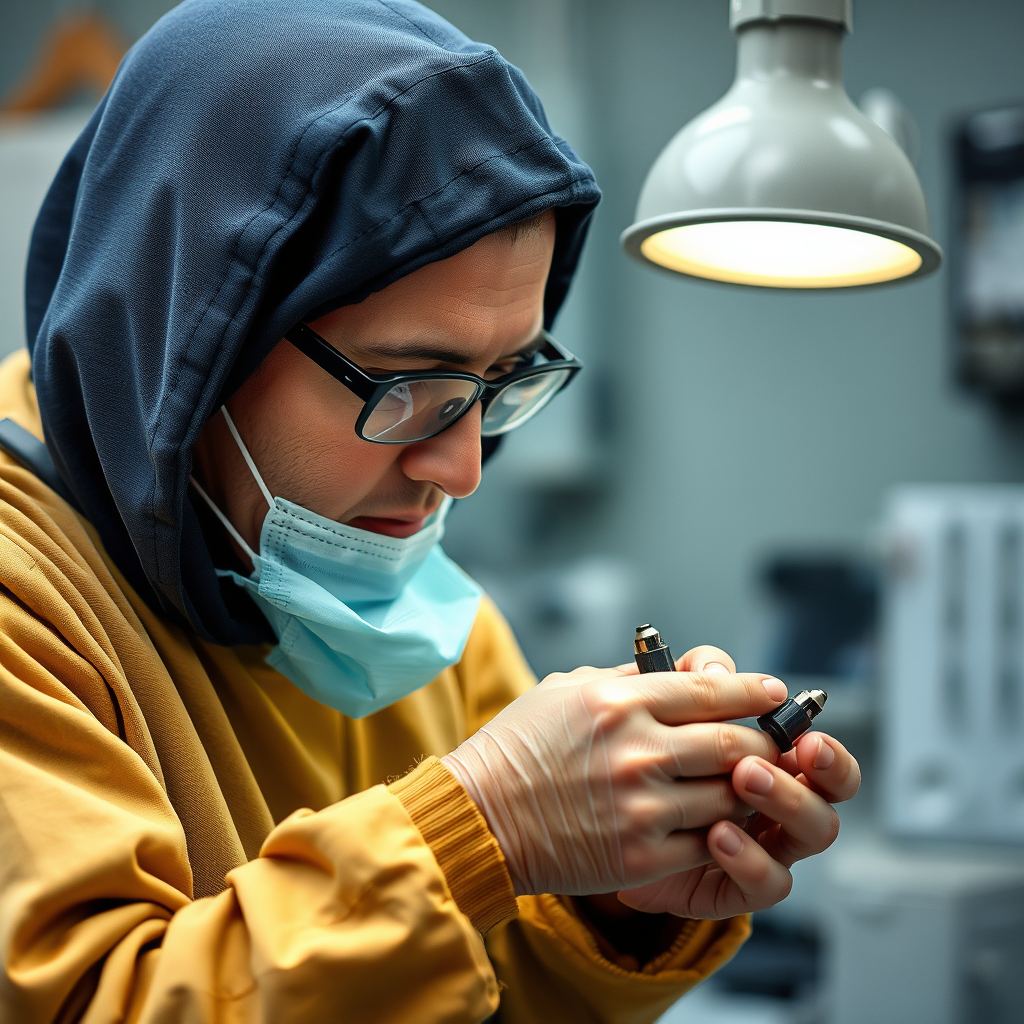
Before you attempt to insert a screw nose ring, gather the necessary tools to ensure a smooth process. You will need a clean mirror to provide a clear view of your piercing, gloves to maintain hygiene, and an antiseptic solution to clean your hands and the area around your nose. Thoroughly washing your hands and the surrounding skin reduces the risk of infection and makes the insertion process safer. Additionally, consider using a saline solution or a mild antibacterial soap to cleanse the piercing site before you begin.
Inserting the Screw Nose Ring
To insert the screw nose ring, start by aligning the ring with your piercing. Gently hold the nose ring between your fingers, ensuring that the threaded end is pointed towards the hole in your nostril. With a steady hand, insert the ring into the piercing. It may help to tilt your head slightly to get a better angle. As you push the ring into the hole, twist it gently to aid in the movement, allowing the threads to catch and secure the ring in place. It’s essential to be patient and not force the ring, as doing so can cause unnecessary pain or damage to the piercing.
Ensuring Comfort and Security
After inserting the screw nose ring, it’s important to check for any signs of irritation or discomfort. You should feel a snug fit without excessive pressure or pain. If the ring feels too tight or if you experience discomfort, you may need to adjust the screw slightly. Carefully twist the ring until it sits comfortably, ensuring that it is secure but not causing any irritation. It is normal to feel a slight pressure, but any sharp pain or persistent discomfort warrants further examination of the fitting.
Aftercare for Your Nose Piercing
Proper aftercare is essential to promote healing and prevent infection. It is advisable to clean the area twice daily with a saline solution or an antiseptic recommended for piercings. Gently dab the area without excessive rubbing to avoid irritation. Watch for signs of complications, such as persistent redness, swelling, or unusual discharge, which could indicate an infection. If you notice these symptoms, seek medical attention promptly. Remember that healing times vary; generally, nose piercings can take anywhere from 2 to 6 months to heal fully, depending on individual factors like skin type and aftercare practices.Troubleshooting Common Issues
While inserting a screw nose ring is generally straightforward, some common issues may arise. If you find that the screw is difficult to insert, it may be due to swelling or an improperly sized ring. In such cases, consider waiting a few days for the swelling to subside before attempting again. If the ring feels loose after insertion, it could mean that the threads are not properly engaged. Gently twisting the ring while pushing it deeper can help secure it in place. Additionally, if you experience irritation or an allergic reaction, switching to a different material, such as titanium or a lower gauge, may alleviate discomfort.
When to Seek Professional Help
While many individuals can successfully insert their screw nose rings at home, there are instances where professional help is necessary. If you experience excessive pain, prolonged swelling, or any signs of infection, it is crucial to visit a professional piercer or a healthcare provider. Furthermore, if you find it challenging to insert the screw ring or are uncertain about the fit, a professional can provide guidance and ensure that your piercing is correctly cared for. Seeking assistance not only resolves issues but also gives you peace of mind regarding your body jewelry.
By following these steps, you can successfully insert your screw nose ring with confidence. Remember to prioritize hygiene and listen to your body during the process. If you encounter any issues, don’t hesitate to consult a professional piercer for assistance. Happy piercing!
Frequently Asked Questions
How do I insert a screw nose ring properly?
To insert a screw nose ring, first ensure your hands and the jewelry are clean to prevent infection. Gently hold your nose and locate the piercing hole; then, with the screw end pointing towards the hole, slowly push the ring through until the thread catches inside the piercing. Once it’s in, twist the ring clockwise to secure it in place, being careful not to apply too much pressure that could cause discomfort.
What are the benefits of using a screw nose ring over other types?
Screw nose rings are often favored for their secure fit and reduced risk of falling out. Unlike other types of nose jewelry, such as studs or hoops, the screw mechanism prevents the ring from slipping out of the piercing, making it ideal for active individuals or those new to nose piercings. Additionally, the design can be more comfortable, as it minimizes sharp edges or protrusions.
Why does my screw nose ring feel tight when I try to insert it?
If your screw nose ring feels tight, it may be due to swelling in the piercing or the jewelry being slightly too thick for your piercing hole. It’s essential to ensure that your piercing is fully healed before attempting to change jewelry. If you experience discomfort, apply a saline solution to the area, and consider waiting a few more weeks for healing before trying again.
What is the best way to clean my screw nose ring before insertion?
To clean your screw nose ring, use a saline solution or a mild, fragrance-free soap diluted with water. Soak the ring for a few minutes to disinfect it, and then scrub gently with a soft cloth or a cotton swab to remove any debris. Allow it to air dry completely before insertion to ensure that no moisture or bacteria enter your piercing.
Which type of material is best for a screw nose ring to avoid irritation?
The best materials for a screw nose ring that minimize the risk of irritation include surgical stainless steel, titanium, or niobium, as these are hypoallergenic and less likely to cause adverse reactions. Avoid jewelry made from nickel or low-quality metals, as they can lead to allergies or infections. Always opt for high-quality, body-safe materials, especially if you have sensitive skin.
References
- Nose piercing
- https://www.ncbi.nlm.nih.gov/pmc/articles/PMC6136203/
- https://www.healthline.com/health/nose-piercing-care
- https://www.mayoclinic.org/healthy-lifestyle/adult-health/in-depth/piercings/art-20045113
- https://www.aafp.org/pubs/afp/issues/2015/0915/p465.html