Experiencing a bump around your nose ring is a common issue that can often be attributed to irritation or infection. These bumps can arise from various factors, including allergic reactions to the jewelry material, improper care, or even trauma to the piercing site. Understanding these underlying causes is essential for effective treatment and prevention. In this article, we will delve into the most common reasons for bumps around nose piercings and provide actionable insights for managing and preventing them.
Understanding Piercing Bumps

Piercing bumps are often a source of concern for those with new or established piercings. They can manifest as small, raised areas around the piercing and may vary in size and discomfort level. One of the primary reasons for these bumps is irritation, which can occur due to various factors such as the use of harsh cleaning products, friction from clothing or accessories, or even touching the piercing with dirty hands. Additionally, an allergic reaction to the jewelry material—often metals like nickel—can lead to localized swelling and irritation.
Another significant contributor to the development of bumps is improper aftercare. Newly pierced noses require meticulous attention to hygiene to prevent complications during the healing process. If an individual neglects proper cleaning protocols or uses unsuitable products, it can create an environment ripe for irritation and infection. Moreover, trauma to the piercing site, whether from accidental bumps or aggressive cleaning, can exacerbate the situation. Understanding these factors is crucial for maintaining the health of a nose piercing.
Types of Bumps and Their Causes

There are several types of bumps that can appear around a nose ring, each with distinct characteristics and causes.
– Keloids: These are raised scars that occur when the body overproduces collagen during the healing process. Keloids can develop in response to trauma or irritation at the piercing site. Individuals with a family history of keloid formation are more susceptible. While keloids are not harmful, they can be unsightly and may require treatment if they become bothersome.
– Infections: An infection can manifest as a painful bump that may be red and warm to the touch. Infected piercings often produce pus, which can vary in color from yellow to green, and may be accompanied by an increase in pain or swelling. Infections typically arise due to bacteria entering the piercing site, often exacerbated by poor hygiene or trauma to the area. It’s crucial to differentiate between a simple irritation bump and an infection for appropriate treatment.
Understanding these different types of bumps is essential for effective management. If you suspect an infection, it is vital to seek treatment promptly to avoid complications.
Signs of Infection vs. Irritation
Distinguishing between a bump caused by infection and one due to irritation is crucial for appropriate care.
– Signs of Infection: Common indicators of infection include the presence of pus, increased warmth around the piercing site, and severe pain that may escalate over time. The area may also appear increasingly red and swollen. If these symptoms develop, it’s important to seek medical attention as untreated infections can lead to more significant health issues.
– Irritation Bumps: In contrast, irritation bumps are generally less painful and may appear red or slightly swollen without the presence of any discharge. These bumps often arise from factors such as friction, allergic reactions, or improper cleaning. While they can be uncomfortable and unsightly, irritation bumps usually resolve on their own with proper care.
Recognizing the difference between these two types of bumps can help individuals take the necessary steps to either treat an infection or alleviate irritation.
Treatment Options for Nose Ring Bumps
If you notice a bump around your nose ring, several treatment options may help.
– Warm Compresses: Applying a warm compress to the affected area can help reduce swelling and promote healing. The heat increases blood flow, which can facilitate the body’s natural healing processes. Use a clean cloth soaked in warm water and apply it for 10-15 minutes several times a day.
– Over-the-Counter Treatments: Antiseptic solutions, such as saline sprays or antiseptic wipes, can be effective in cleaning the area and preventing further irritation. Look for products specifically designed for piercings to ensure they are safe and effective. Be cautious with products containing alcohol, as they can dry out the skin and worsen irritation.
– Avoiding Irritants: It’s crucial to avoid any products that may exacerbate the bump. This includes harsh soaps, fragrances, or makeup near the piercing site. Opt for gentle, fragrance-free cleansers to minimize the risk of irritation.
In more severe cases, especially if an infection is suspected, consulting a healthcare professional may be necessary. They may prescribe antibiotics or suggest alternative treatment options tailored to your specific needs.
Preventive Measures to Avoid Bumps
Prevention is always better than treatment when it comes to maintaining the health of your nose piercing. Here are some effective measures:
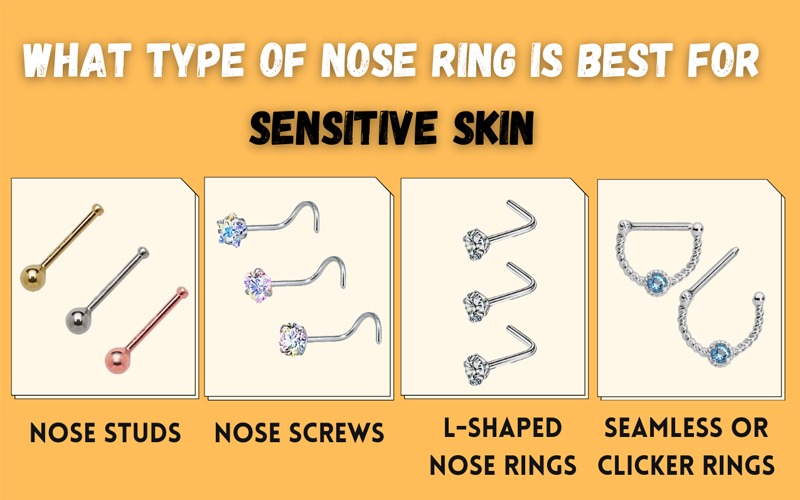
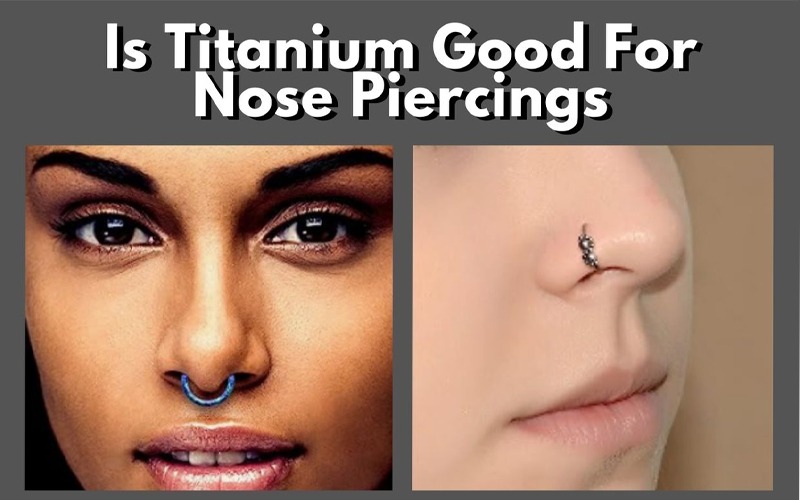
– Choose High-Quality Jewelry: Selecting jewelry made from hypoallergenic materials, such as titanium or surgical stainless steel, can significantly reduce the risk of allergic reactions. Avoid inexpensive jewelry that may contain irritating metals like nickel.
– Follow a Strict Aftercare Routine: Adhering to a consistent aftercare regimen is essential for promoting healing and preventing complications. Clean the piercing regularly with saline solution and avoid touching it with unwashed hands. Additionally, refrain from changing the jewelry too soon, as the piercing needs time to fully heal.
– Avoid Trauma: Be mindful of your surroundings to prevent accidental bumps to the piercing site. Consider avoiding activities that may put pressure on the area, such as sleeping on that side or participating in contact sports until the piercing is fully healed.
By implementing these preventive measures, you can significantly reduce the likelihood of developing bumps around your nose ring.
When to Seek Professional Help
While many bumps can be managed at home, there are instances when professional help is necessary. If you experience persistent bumps that do not improve with home treatment, it is advisable to consult a healthcare provider. Additionally, if you notice signs of infection, such as worsening redness, increasing pain, or discharge, seeking medical advice promptly is crucial to prevent complications.
Consulting a professional piercer or dermatologist can provide further assessment and tailored recommendations for treatment. They can also offer insights into proper aftercare and jewelry options to help maintain the health of your piercing in the long term.
Proper care and awareness of potential issues can significantly reduce the likelihood of developing bumps around your nose ring. If you notice unusual symptoms or if the bump persists despite your best efforts, don’t hesitate to seek professional advice. Prioritizing your piercing’s health will ensure it remains a beautiful and cherished addition to your appearance.
Frequently Asked Questions
Why do I have a bump on my nose ring piercing?
A bump on your nose ring piercing can occur for several reasons, including irritation, infection, or keloid formation. Irritation bumps often result from friction with jewelry or touching the piercing, while infections can cause redness, swelling, and pain. Keloids, which are raised scars that develop at the site of an injury, can also form as the body heals. It’s important to monitor the bump and consult a professional if it persists or worsens.
How can I treat a bump on my nose ring?
To treat a bump on your nose ring, start by cleaning the area with saline solution or a gentle saline spray to keep it free from bacteria. Avoid removing the jewelry, as this can lead to further irritation or closing of the piercing. If the bump is due to an infection, over-the-counter antibiotic ointments may help, but persistent issues should be evaluated by a healthcare professional.
What are the signs of an infected nose ring piercing?
Signs of an infected nose ring piercing include increased redness, swelling, warmth around the area, pain, and discharge that may be yellow or green. If you notice any of these symptoms, it’s crucial to seek medical attention to prevent complications. Early treatment can help manage the infection effectively and minimize scarring.
Which types of jewelry are best to prevent bumps on my nose ring?
To prevent bumps on your nose ring, opt for high-quality jewelry made from materials such as titanium, surgical steel, or gold that are less likely to cause irritation or allergic reactions. Avoid cheap, nickel-based jewelry, as it can lead to bumps and infections. Additionally, ensure the jewelry fits correctly to minimize friction and movement that can irritate the piercing.
What should I do if the bump on my nose ring doesn’t go away?
If the bump on your nose ring doesn’t go away after a few weeks of home care, or if it worsens, it’s advisable to consult a professional piercer or a healthcare provider. They can assess whether the bump is due to irritation, infection, or a keloid and recommend appropriate treatments. Ignoring a persistent bump can lead to further complications, so seeking expert advice is essential for effective management.
References
- https://www.healthline.com/health/piercing-bumps
- https://www.mayoclinic.org/diseases-conditions/piercing-infection/symptoms-causes/syc-20376216
- https://www.aafp.org/pubs/afp/issues/2009/1015/p1161.html
- https://www.ncbi.nlm.nih.gov/pmc/articles/PMC7270862/
- https://www.verywellhealth.com/piercing-bumps-5081747