Getting a nose ring can be exciting, but knowing where to put it is essential for both aesthetic and comfort reasons. The most common placements for nose rings include the nostril, septum, and bridge. Each of these options offers unique aesthetics and considerations for healing and maintenance. In this article, you’ll learn about these placements, their pros and cons, and what factors to consider to align your choice with your personal style.
Nostril Piercing

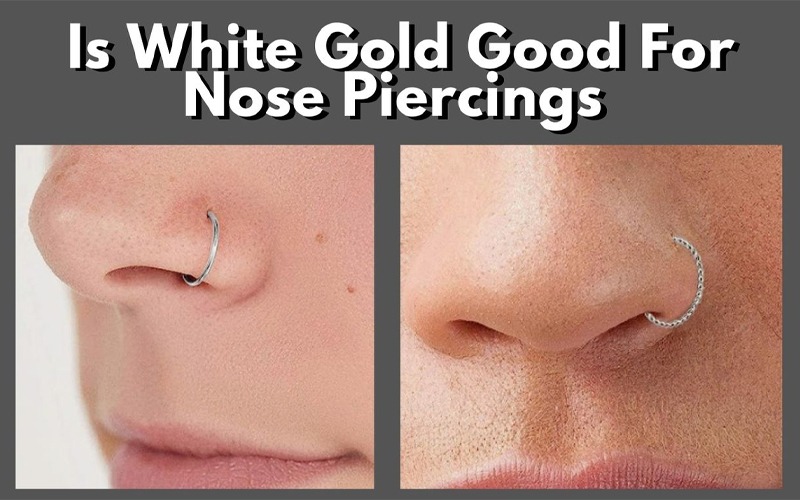
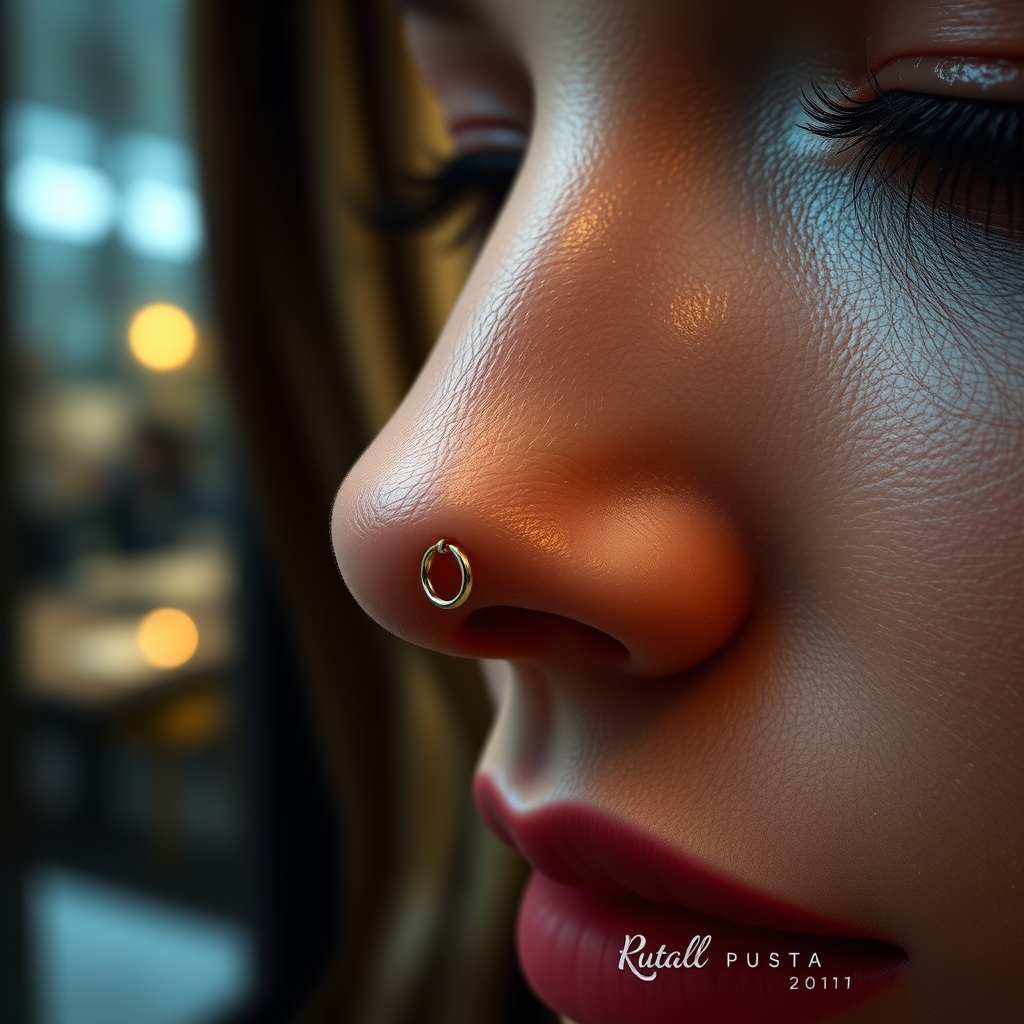
The nostril piercing is the most popular and traditional placement for nose rings. This placement is often the first choice for many individuals, as it provides a classic look that can be both subtle or bold, depending on the jewelry selected. Nostril piercings offer a variety of jewelry styles, from small studs to larger hoops, enhancing versatility to suit different fashion statements and personal preferences.
When choosing a nostril piercing, consider the placement on the left or right side of the nose; cultural significance may dictate preferences, as some cultures associate meaning with the side chosen. The healing time for nostril piercings typically ranges from 4 to 6 months, and the potential for irritation is minimal if proper care is taken. However, it is essential to choose jewelry made from high-quality materials, such as titanium or surgical steel, to avoid allergic reactions or infections.
Septum Piercing

The septum piercing is located in the cartilage between the nostrils, offering a bold and edgy look that appeals to many. This placement is favored by those wishing to make a statement, as it can be adorned with a variety of jewelry, including rings and circular barbells, transforming it into a striking focal point.
Unlike nostril piercings, septum piercings can be hidden or displayed depending on the type of jewelry worn. For instance, a seamless ring can be subtle, while a decorative piece can draw attention. The healing time for septum piercings is generally 6 to 8 weeks, which is shorter than that of a nostril piercing. However, it is essential to note that septum piercings may cause more discomfort initially due to their location; therefore, professional piercing by an experienced technician is recommended to minimize risks.
Bridge Piercing
The bridge piercing is positioned on the top of the nose, between the eyes, offering a unique alternative to the more common nostril and septum placements. While less common, bridge piercings can be visually stunning when adorned with the right jewelry, such as a simple barbell or decorative studs, enhancing one’s facial features in a distinct manner.
This type of piercing requires careful consideration, as its healing time can vary significantly, often taking anywhere from 8 to 12 weeks. The bridge piercing is more susceptible to irritation due to the movement of the skin while making facial expressions. As such, it is crucial to select jewelry that fits comfortably without putting excessive pressure on the piercing site. Additionally, individuals with a flatter nasal bridge may find this piercing less suitable, as it may not heal properly or look aesthetically pleasing.
Considerations for Nose Ring Placement
When determining the best placement for your nose ring, various factors must be taken into account. Skin type and facial structure can significantly impact the choice of placement. For instance, those with thicker skin may find that nostril or septum piercings heal more effectively, while those with thinner skin might experience more irritation or complications.
Another crucial consideration is the potential for irritation and healing time. Different placements have varying healing durations, and understanding how your body reacts to piercings is essential. Additionally, the likelihood of bumps or keloids forming around the piercing area should be considered, as these can be more prevalent in certain placements, particularly the septum and bridge.
Consulting with a professional piercer can provide valuable insights into the best placement options tailored to your unique features and lifestyle. They can also help you navigate through the potential risks and aftercare requirements specific to each piercing type.
Aftercare Tips
Proper aftercare is vital for any nose piercing to prevent complications and ensure a healthy healing process. Regularly cleaning the piercing with a saline solution is recommended to keep the area free from bacteria and infection. A saline solution can be easily made at home by mixing 1/4 teaspoon of non-iodized sea salt in 8 ounces of distilled water.It is also essential to avoid touching or changing the jewelry too soon, as this can irritate the piercing and prolong the healing time. Allow your body to heal fully before switching out jewelry or experimenting with different styles. Additionally, wearing breathable fabrics and avoiding excessive facial movements can help minimize irritation during the healing process.
Trends and Styles
The world of nose rings is constantly evolving, with trends shifting and new designs emerging regularly. Currently, there is an increased interest in unique materials such as gold, rose gold, and even ethically sourced gemstones. Combining different styles of jewelry, such as mixing studs and hoops or layering multiple piercings, is also gaining popularity, allowing for a personalized and eclectic look.
Another trend is the rise of minimalist designs that offer subtle elegance, catering to individuals who prefer a more understated aesthetic. Conversely, bold statement pieces featuring intricate designs or larger gems are also on the rise, appealing to those who wish to make a daring fashion statement.
Staying informed on the latest trends can help you select jewelry that not only complements your nose ring but also aligns with your overall style.
Choosing the Right Jewelry
When selecting the right jewelry for your nose ring, consider the size, metal type, and style that complements your face shape and personal taste. Jewelry that is too large may overwhelm your features, while pieces that are too small might not have the desired impact.
Quality materials are crucial to avoid allergies and irritation. Hypoallergenic options, such as titanium and surgical steel, are recommended for initial piercings. After the initial healing period, you can explore a wider range of materials, including gold and silver, as long as they do not provoke any adverse reactions.
It is also essential to choose a reputable jeweler who specializes in body jewelry. They can provide guidance on the best options for your specific piercing and help ensure that your choice aligns with both aesthetic preferences and health considerations.
Finding the right placement for your nose ring is crucial for achieving the look you desire while ensuring comfort and safety. By considering the different options available, from nostril to septum and bridge piercings, and following proper care techniques, you can enjoy your new accessory to its fullest. If you’re ready to enhance your style with a nose ring, consult a professional piercer to guide you through the process and help you make an informed decision tailored to your unique features and preferences.
Frequently Asked Questions
What are the different types of nose rings and where should I place them?
There are several types of nose rings, including studs, hoops, and septum rings, each suitable for different placements. A nostril piercing, commonly adorned with a stud or small hoop, is located on the side of the nose, while a septum piercing goes through the cartilage between the nostrils. For a more unique look, consider a bridge piercing, which is positioned horizontally across the top of the nose. Choosing the right type and placement depends on personal style, comfort, and how well it complements your facial features.
How do I choose the best location for my nose ring?
Choosing the best location for your nose ring involves considering both aesthetic preferences and pain tolerance. Nostril piercings are the most popular and are generally less painful, while septum piercings can offer a bolder look. It’s important to think about your lifestyle, as some placements may interfere with activities like sports or wearing glasses. Consulting with a professional piercer can also provide valuable insights into which locations might work best for your face shape and desired look.
Why is the placement of a nose ring important?
The placement of a nose ring is crucial because it can significantly affect your overall appearance and comfort. A well-placed nose ring enhances your facial features, while an ill-considered location may not complement your face shape. Furthermore, proper placement ensures that the piercing heals correctly, reducing the risk of infection or complications. Understanding the anatomy of your nose and how various placements can impact your look is essential for making an informed decision.
Which side of the nose should I choose for my piercing?
The side of the nose chosen for a piercing often depends on personal preference or cultural significance. Traditionally, some cultures associate left-side piercings with femininity and the right side with masculinity, but contemporary trends prioritize individual expression. Consider experimenting with temporary clip-on rings to see which side you prefer before committing to a permanent piercing. Ultimately, choose whichever side feels more natural and enhances your unique style.
What should I consider when selecting jewelry for my nose ring?
When selecting jewelry for your nose ring, consider materials, size, and style to ensure comfort and safety. Hypoallergenic materials like titanium, surgical steel, or gold are ideal for new piercings as they minimize irritation. The size and gauge of the jewelry should match your piercing to prevent discomfort or rejection. Additionally, choose a style that complements your face shape and personal aesthetic, whether you prefer subtle studs or statement hoops. Always consult with your piercer for recommendations tailored to your specific needs.
References
- Nose piercing
- https://www.ncbi.nlm.nih.gov/pmc/articles/PMC5837094/
- https://www.healthline.com/health/nose-piercing
- https://www.webmd.com/beauty/what-to-know-about-nose-piercings
- https://www.mayoclinic.org/healthy-lifestyle/adult-health/in-depth/piercing/art-20044768