Experiencing pain after changing your nose ring is often a common issue. This discomfort can result from various factors, including irritation from the jewelry material, improper sizing, or even the onset of an infection. Understanding the underlying causes of this pain is essential for ensuring a comfortable experience and promoting healing. In this article, we’ll explore the reasons behind this discomfort and what you can do to alleviate it.
Understanding Piercing Pain

Pain associated with nose piercings can be attributed to several factors, even long after the initial healing phase. The healing process varies for each individual, and while many piercings fully heal within a few months, some can remain sensitive for longer. When you change your nose ring, the new jewelry may introduce variables that your body must readjust to, leading to discomfort.
Additionally, the sensitivity and irritation levels can be heightened due to the introduction of new materials or jewelry designs. For instance, if you switch from a solid gold ring to a titanium or surgical steel piece, your body may react differently, especially if you have sensitive skin or a history of allergies. Changes in jewelry can also disturb the tissue around the piercing, causing inflammation and discomfort.
Common Causes of Discomfort

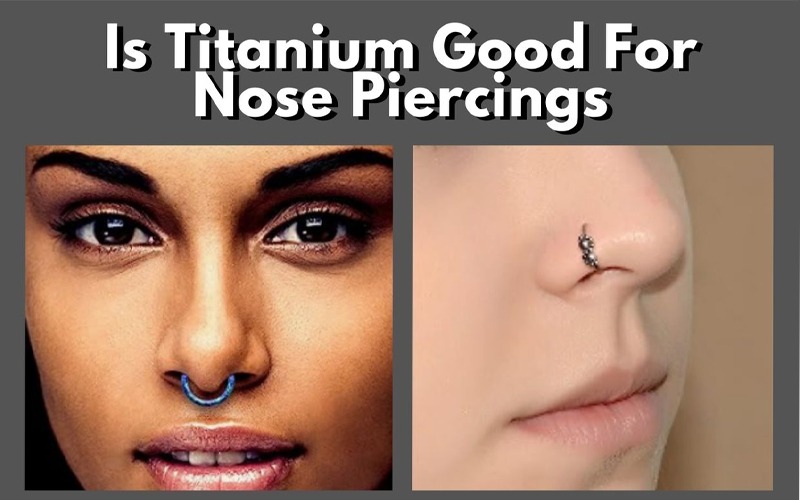
– Jewelry Material: One of the primary causes of pain after changing your nose ring is the material from which the jewelry is made. Many people experience allergic reactions to certain metals, such as nickel, which is commonly found in lower-quality jewelry. Opting for materials like titanium, surgical stainless steel, or high-quality gold (preferably 14k or higher) can minimize irritation and reduce the likelihood of allergic reactions.
– Improper Size: Another significant factor contributing to discomfort is the size of the new jewelry. A ring that is too tight can cause pressure and pinching in the piercing, while one that is too loose might move excessively, leading to irritation from constant friction. Proper sizing is crucial; ideally, a professional piercer will help you find the right gauge and fit for your nose ring when you change it.
Signs of Infection
Recognizing the signs of infection is vital for anyone who has changed their nose jewelry. Key indicators include:
– Redness and Swelling: If the area around your piercing becomes increasingly red and swollen, this could suggest an infection. Some swelling is normal immediately after changing jewelry, but persistent swelling may be a cause for concern.
– Warmth: Feeling heat radiating from the piercing site can also indicate inflammation and potential infection.
– Pus or Discharge: Any pus or unusual discharge from the piercing is a red flag. While clear fluid can be normal, yellow or green discharge, especially if accompanied by a foul odor, should not be ignored.
If you notice these signs, it’s imperative to act quickly. Infections can worsen if left untreated and may require medical intervention.
Proper Aftercare Techniques
Maintaining proper aftercare is crucial, especially after changing your nose ring. Here are some effective techniques to ensure your piercing stays healthy:
– Regular Cleaning: Clean your piercing regularly using a saline solution or an antiseptic that has been recommended by a professional piercer. Saline solutions can be made at home by dissolving non-iodized sea salt in warm distilled water. Gently applying this to the area with a cotton ball can help reduce irritation and prevent infection.
– Avoid Touching: One common mistake is touching or twisting the jewelry, which can introduce bacteria and disrupt the healing process. Always wash your hands thoroughly before handling your nose ring, and avoid fiddling with it unnecessarily.
– Monitor for Changes: Pay attention to how your body responds to the new jewelry. If you notice any changes in pain levels, swelling, or discharge, it may be necessary to reassess your aftercare routine or consult a professional.
When to Seek Professional Help
If you experience persistent pain after a week of changing your jewelry, it may indicate a deeper issue. Seeking professional help from a reputable piercer or healthcare provider is essential in such cases. They can assess the situation and provide tailored advice, which may include:
– Jewelry Replacement: Sometimes, simply switching back to your previous jewelry or opting for a different material can resolve the issue.
– Treatment for Infection: If an infection is confirmed, your healthcare provider may prescribe antibiotics or recommend specific treatments to help manage the symptoms.
– Advice on Aftercare: A professional can offer insights and recommendations on how to care for your piercing effectively, ensuring a smoother healing process moving forward.
Tips for Changing Jewelry Safely
To minimize discomfort when changing your nose ring, consider the following tips:
– Sterilization: Always wash your hands thoroughly before changing your jewelry. Using sterile tools, such as a pair of gloves or a clean pair of tweezers, can help prevent the introduction of bacteria.
– Choosing Quality Jewelry: Invest in high-quality jewelry made from hypoallergenic materials. This not only reduces the risk of allergic reactions but also ensures that the jewelry is less likely to irritate the piercing.
– Consulting Professionals: When in doubt, consult with a professional piercer for guidance on selecting the right jewelry and changing it safely. They can also assist with the change if you’re unsure.
In summary, if your nose ring hurts after changing it, consider the jewelry material, size, and aftercare routine. By following proper techniques and being mindful of your body’s responses, you can help ensure a comfortable healing process. If pain persists, don’t hesitate to reach out to a professional for guidance. Your comfort and health should always be a priority when it comes to body piercings.
Frequently Asked Questions
Why does my nose ring hurt after changing it?
It’s common to experience discomfort after changing a nose ring, especially if the piercing is still healing. Potential reasons include irritation from the new jewelry material, improper insertion technique, or trauma to the piercing site. Additionally, if the new ring is heavier or bulkier than your previous one, it can put unnecessary pressure on the piercing, leading to pain.
How can I alleviate pain from my nose ring after changing it?
To alleviate pain after changing your nose ring, you can apply a saline solution to the area to reduce inflammation and promote healing. Additionally, avoid touching or twisting the ring, as this can exacerbate irritation. If the discomfort persists, consider switching back to your original jewelry or opting for a lighter, hypoallergenic material to minimize irritation.
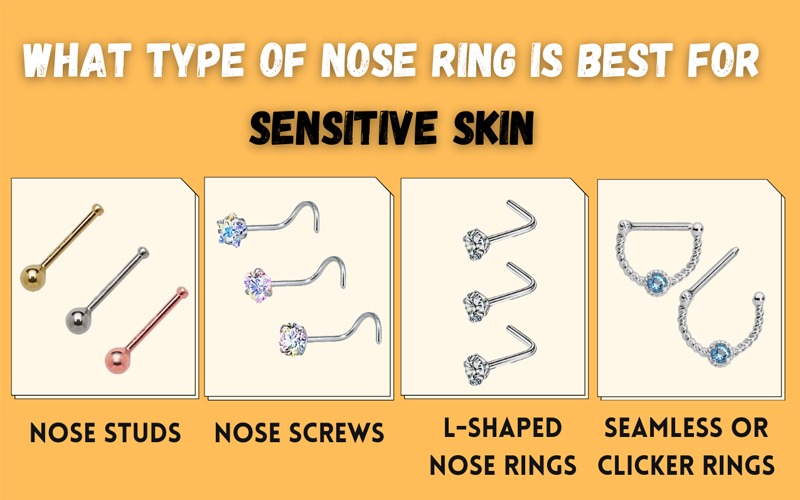
What type of nose jewelry is best for sensitive skin?
For sensitive skin, it’s best to choose nose jewelry made from materials such as titanium, surgical steel, or gold that is at least 14 karats. These materials are less likely to cause allergic reactions or irritation compared to cheaper alternatives. Always ensure that the new jewelry is properly cleaned before changing, as this can also prevent infections and pain.
Why is my nose piercing swelling after I changed my ring?
Swelling after changing your nose ring can occur due to a few reasons, including an allergic reaction to the new material, improper insertion, or an infection. If the ring was changed too soon after the initial piercing, the tissue may still be sensitive and more prone to inflammation. If swelling persists or is accompanied by severe pain or discharge, consult a professional piercer or healthcare provider for advice.
Which signs indicate that I should see a professional about my nose ring pain?
You should seek professional help if you experience severe pain that does not improve, excessive swelling, or if there’s noticeable discharge that may indicate an infection. Additionally, if you see an unusual color change in the skin around the piercing or if the jewelry seems to be embedded in the skin, it’s crucial to consult a professional piercer or healthcare provider. Early intervention can prevent more serious complications and ensure proper healing.
References
- https://www.ncbi.nlm.nih.gov/pmc/articles/PMC5644052/
- https://www.webmd.com/beauty/piercing-care
- https://www.healthline.com/health/nose-piercing-infection
- https://www.mayoclinic.org/healthy-lifestyle/adult-health/in-depth/piercing/art-20046138
- https://www.verywellhealth.com/nose-piercing-infection-5194850