Dangle nose rings can indeed be perceived as cultural appropriation, particularly because they hold significant meaning within the Indigenous and South Asian cultures from which they originate. While some may view their adoption in mainstream fashion as an expression of personal style, it is crucial to recognize the cultural contexts and histories behind these adornments. This article will delve into the nuances of cultural appropriation, explore the symbolism associated with dangle nose rings, and emphasize the importance of understanding and respecting cultural origins.
Understanding Cultural Appropriation

Cultural appropriation is defined as the adoption of elements of one culture by members of another culture, often without permission or understanding, and typically where the appropriating culture holds more power. This dynamic can lead to the commodification of cultural symbols, stripping them of their original meaning and significance. Fashion trends frequently illustrate this phenomenon; for instance, items such as Native American headdresses, bindis, or African tribal prints have been adopted by the fashion industry without acknowledgment of their deep cultural roots. These examples underscore the importance of recognizing the implications of wearing culturally significant items and understanding the power dynamics involved.
The Cultural Significance of Nose Rings

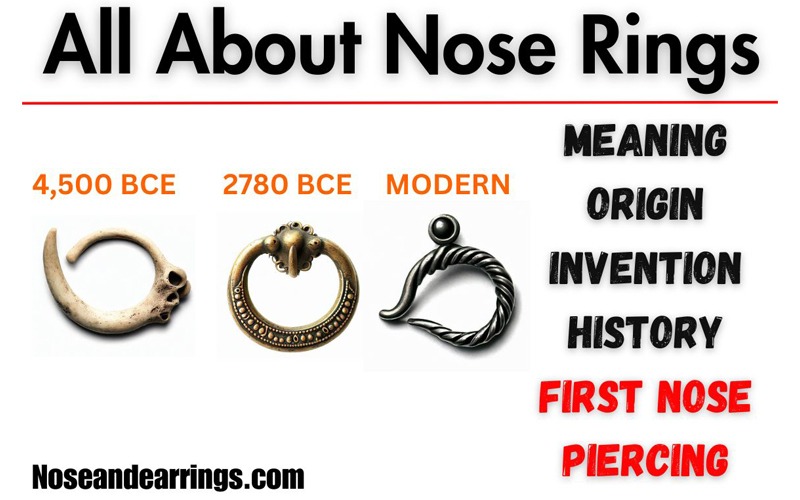
Nose rings, including dangle nose rings, have a rich historical context in various cultures. In South Asia, for example, nose rings are traditionally worn by women as a symbol of marital status and cultural identity. The practice dates back centuries and is often linked to auspiciousness and beauty. Similarly, in many Indigenous cultures, nose rings can signify various cultural and spiritual meanings, including rites of passage or tribal affiliation. The dangle variety, with its elaborate designs and symbolism, often carries additional significance, reflecting personal stories or community heritage. Understanding this background is essential to appreciate the true value of these adornments beyond their aesthetic appeal.
The Modern Fashion Trend of Dangle Nose Rings
In recent years, dangle nose rings have surged in popularity within mainstream fashion, propelled by social media and celebrity endorsements. Influencers and icons showcase these pieces in various styles, from bohemian to high fashion, often disregarding their cultural significance. This trend has led to a broader acceptance of nose rings as a fashionable accessory, yet it raises important questions about ownership and respect for the cultures from which they originate. As these adornments gain visibility, it becomes increasingly crucial for consumers to consider the implications of their fashion choices and the stories behind the items they wear.
Perspectives from Cultural Experts
Cultural anthropologists emphasize the distinction between cultural appropriation and cultural appreciation. Appropriation often involves a power imbalance, where dominant cultures exploit marginalized cultures for aesthetic gain. Conversely, appreciation entails a respectful understanding and acknowledgment of the cultural significance of the items one chooses to adopt. Interviews with individuals from cultures where dangle nose rings are significant reveal mixed feelings about their use in mainstream fashion. Some express pride in the global recognition of their traditions, while others lament the lack of understanding and respect for the deeper meanings behind these symbols. Engaging with cultural experts and community members can foster a more nuanced understanding of these issues.
For individuals considering wearing cultural items such as dangle nose rings, it is essential to approach this decision with sensitivity and respect. Here are some tips for wearing cultural symbols responsibly:
1. Educate Yourself: Take the time to learn about the cultural significance, history, and meanings associated with the item. Understanding the context can help you appreciate its value more fully.
2. Seek Permission: Whenever possible, seek permission from individuals or communities who hold the cultural item sacred. This practice shows respect and acknowledges their ownership of the cultural symbol.
3. Support Artisans: Purchase items from artisans or designers who are part of the culture, ensuring that your investment supports the community rather than appropriating its symbols.
4. Engage in Conversations: Be open to discussions about cultural symbolism and be willing to listen to the perspectives of those from the cultures you are engaging with. This dialogue can deepen your understanding and respect for their traditions.
The Role of Personal Identity in Fashion Choices
Personal identity plays a significant role in fashion choices, including the use of cultural symbols. Individuals often express their backgrounds, beliefs, and experiences through their attire. However, the intersection of personal expression and cultural respect can be complex. For instance, individuals with South Asian heritage may wear dangle nose rings as a celebration of their culture, while others without that background may unintentionally perpetuate appropriation. Reflecting on how one’s identity shapes fashion choices can help individuals navigate the delicate balance between self-expression and cultural sensitivity.
Alternatives to Avoid Cultural Appropriation
To celebrate cultural diversity without crossing into appropriation, individuals can seek alternatives that respect the origins of cultural symbols. Here are some suggestions:
1. Find Culturally Inspired Fashion: Look for fashion items that draw inspiration from various cultures but are created by designers from those cultures. This approach ensures that the design is rooted in authenticity and respect.
2. Support Local Artisans: Seek out local artisans who create culturally significant pieces. By directly supporting these craftspeople, you contribute to preserving and celebrating their heritage.
3. Choose Minimalist Designs: When opting for nose rings or other cultural items, consider simpler designs that retain elements of the original while being less tied to cultural significance. This can be a way to appreciate the style without appropriating the culture.
4. Educate Others: Share your knowledge about the cultural significance of fashion items with others. By fostering conversations around cultural awareness, you can promote a more inclusive understanding of fashion.
In summary, dangle nose rings occupy a complex space at the crossroads of fashion and cultural appropriation. To navigate this landscape thoughtfully, it is essential to educate oneself about their origins and significance. By engaging with the communities from which these symbols come, supporting artisans, and choosing alternatives that celebrate cultural heritage respectfully, individuals can contribute to a more inclusive fashion landscape that honors diversity rather than appropriates it.
Frequently Asked Questions
What are the cultural origins of dangle nose rings?
Dangle nose rings have a rich history that can be traced back to various cultures across the globe, including Indian, Middle Eastern, and some African traditions. In India, for instance, the nath or nose ring is often worn by brides as a symbol of marriage and cultural identity. Understanding these origins is essential in discussing whether wearing dangle nose rings constitutes cultural appropriation, as it highlights their significance beyond mere fashion.
Why do some people consider dangle nose rings cultural appropriation?
Dangle nose rings can be seen as cultural appropriation when individuals from outside the cultures that traditionally wear them adopt the style without understanding or respecting its significance. Critics argue that this can lead to the commodification of cultural symbols, stripping them of their meaning and reducing them to mere fashion statements. This perspective emphasizes the importance of being aware of cultural contexts and the potential impact of one’s choices in fashion.
How can I determine if wearing a dangle nose ring is respectful or appropriative?
To determine if wearing a dangle nose ring is respectful, consider the context of your use and the cultural significance behind it. Research the origins and meanings associated with the dangle nose ring in the culture from which it originates. Engaging with individuals from that culture, acknowledging their perspectives, and being open to learning can also help you make an informed decision that honors the tradition rather than appropriates it.
What are some respectful alternatives to dangle nose rings if I want to avoid cultural appropriation?
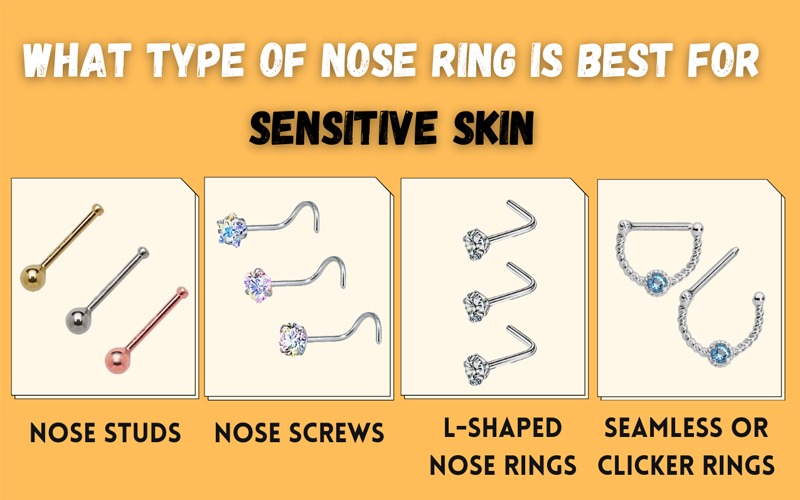
If you’re concerned about cultural appropriation but still want to express your style, consider opting for designs that are inspired by more universal or contemporary aesthetics, such as simple studs or minimalist hoops. You could also explore jewelry that represents your personal identity or heritage. Another option is to support artisans or brands that ethically source their designs from specific cultures, ensuring that creators benefit from their cultural expressions.
Which celebrities have faced backlash for wearing dangle nose rings as cultural appropriation?
Several celebrities, including fashion icons and influencers, have faced criticism for wearing dangle nose rings, often due to their lack of understanding of the cultural significance behind the jewelry. For example, some artists and public figures have been called out for adopting traditional styles without recognizing the deeper meanings or connections to specific communities. This backlash highlights the ongoing conversation about cultural sensitivity in fashion and the importance of acknowledging the origins of such accessories.
References
- https://www.theguardian.com/commentisfree/2019/aug/13/dreadlocks-cultural-appropriation-hair-race
- https://www.nytimes.com/2020/06/14/style/cultural-appropriation.html
- https://www.bbc.com/culture/article/20210630-what-is-cultural-appropriation
- https://www.huffpost.com/entry/cultural-appropriation-explained_n_5e8a0c7fc5b6b85c9f4e8ed1
- https://www.smithsonianmag.com/smart-news/cultural-appropriation-is-a-matter-of-perception-180976865/
- https://www.americanprogress.org/article/understanding-cultural-appropriation/