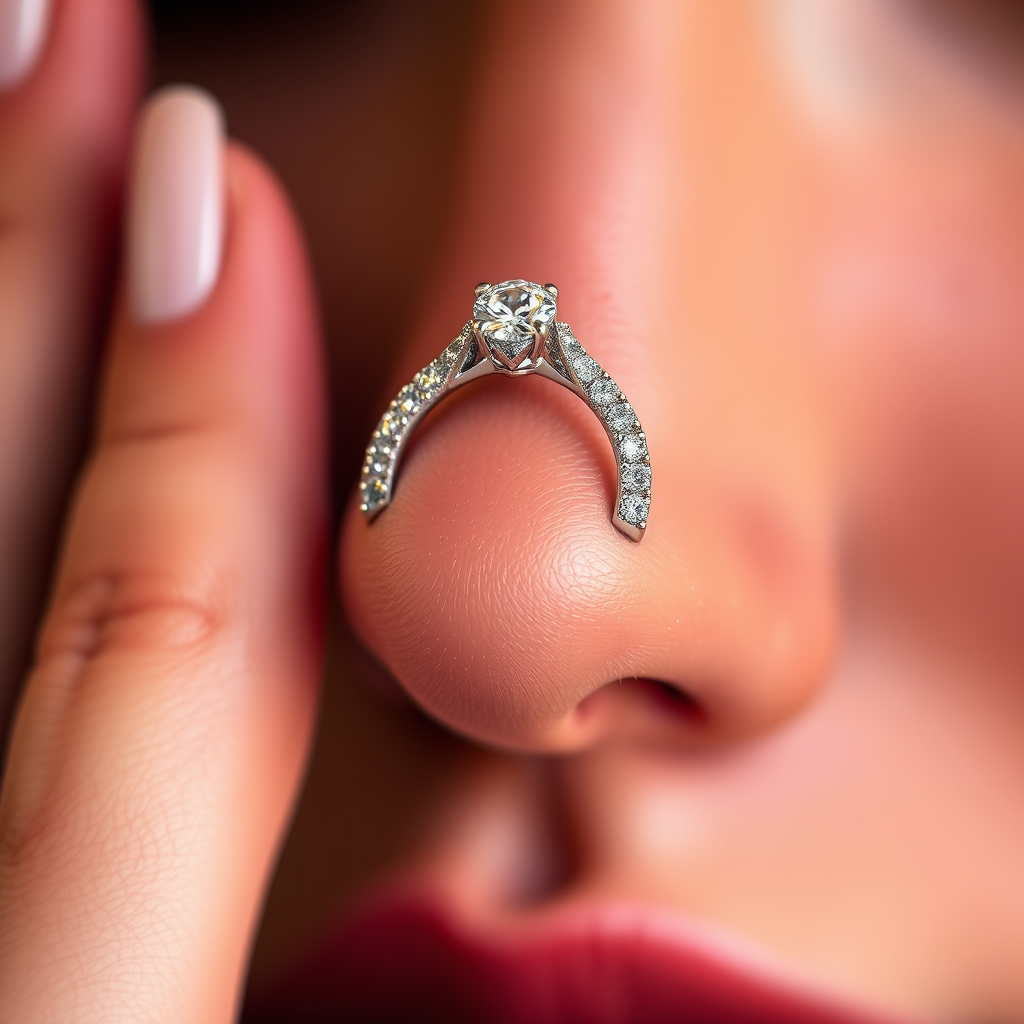
Getting a ring in a new nose piercing is generally not recommended until the piercing has fully healed. Typically, this takes about 6 to 8 weeks, depending on individual healing processes. This is because changing jewelry too soon can lead to complications such as infection and irritation. In this article, we will explore the reasons behind this recommendation, the types of jewelry suitable for new piercings, and tips for proper aftercare.
Understanding Healing Times
Healing time varies significantly from person to person. A new nose piercing usually takes about 6 to 8 weeks to heal, but it’s essential to note that individual healing times can differ based on several factors. Age, overall health, and lifestyle choices play a crucial role in how quickly your body can recover. For instance, younger individuals often heal faster due to more robust immune systems, while those with underlying health issues or compromised immune systems may experience prolonged healing times. Additionally, lifestyle factors such as smoking, high-stress levels, and poor nutrition can impede the healing process. It’s important to listen to your body and give your piercing the time it needs to heal properly before making any changes to your jewelry.
Types of Jewelry for New Piercings
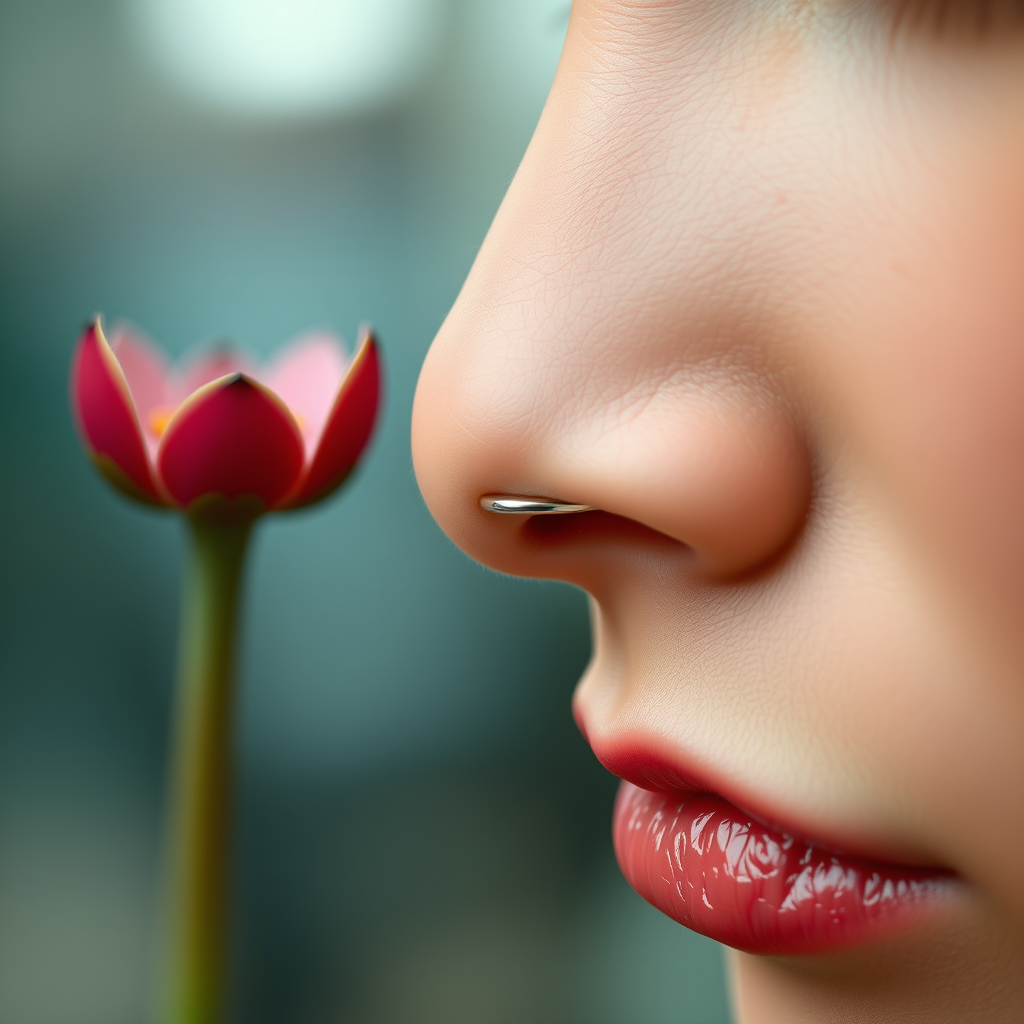
When it comes to new nose piercings, the initial jewelry you choose plays a significant role in both comfort and healing. It is advisable to start with a stud made from materials that are hypoallergenic and less likely to cause irritation. High-grade titanium, surgical stainless steel, and solid gold are all excellent options. These materials are biocompatible, which means they are less likely to trigger an allergic reaction or cause inflammation.
Avoid using rings in the initial stages of healing. Rings can be more cumbersome to clean and may rub against the piercing, increasing the risk of irritation. They can also shift more easily than studs, which can disrupt the healing process. Sticking with a simple stud allows for easier maintenance and reduces the likelihood of complications, ensuring your piercing heals optimally.
Risks of Changing Jewelry Too Soon
Changing to a ring prematurely can pose several risks, particularly the increased likelihood of infection. When you switch jewelry before the piercing has fully healed, you expose the fresh wound to bacteria that can lead to infection. This can manifest as redness, swelling, and discharge, all of which can complicate the healing process.
Moreover, if the new jewelry is not inserted correctly or if you experience swelling, it could lead to further complications such as keloids or scarring. These issues not only affect the aesthetic of the piercing but may also cause discomfort and require additional treatment. By adhering to the recommended healing timeline, you can significantly minimize these risks and ensure a smoother healing journey.
When to Change to a Ring
Determining the right time to switch to a ring involves observing the healing progress of your piercing. Signs of healing typically include the absence of redness, swelling, and tenderness around the piercing site. If the area feels comfortable, and there are no signs of irritation or infection, it may be time to consider changing your jewelry.
However, it is always best to consult a professional piercer before making any changes. A trained piercer can assess the condition of your piercing and provide personalized advice based on your specific situation. They can also assist with the jewelry change to ensure it is done safely and correctly, minimizing the risk of complications.
Aftercare Tips for New Nose Piercings
Proper aftercare is essential for the health and longevity of your new nose piercing. Keeping the area clean is paramount; use a saline solution or a specialized piercing aftercare product to cleanse the piercing regularly. This helps to flush out bacteria and prevent infection.
It is also crucial to avoid unnecessary contact with the piercing. Touching the area can introduce dirt and bacteria, increasing the risk of complications. Additionally, steer clear of harsh chemicals, such as alcohol or hydrogen peroxide, which can irritate the piercing and delay healing.
Consider using a clean, soft cloth to gently pat the area dry after cleaning. This minimizes irritation and keeps the piercing well-maintained. Remember, patience is key; allowing your body the time it needs to heal will pay off in the long run.
Consultation and Professional Help
Consulting a professional piercer is critical for anyone considering a new piercing or contemplating a change in jewelry. A skilled piercer not only provides guidance on the best types of jewelry for your piercing but also offers insights into proper aftercare techniques. They can help identify any potential issues early on, ensuring that your piercing remains healthy.
Additionally, scheduling follow-up appointments is a prudent strategy. Regular check-ins with your piercer can help monitor the healing process and address any concerns that may arise. This proactive approach can prevent complications and ensure that your piercing is well taken care of.
In summary, while it may be tempting to switch to a ring in a new nose piercing, it’s essential to wait until the piercing has fully healed to avoid complications. Be patient and prioritize your piercing’s health by following proper aftercare and seeking professional advice when necessary. If you have any questions or need further assistance, don’t hesitate to reach out to a qualified piercer. Your commitment to proper care will ensure a successful and aesthetically pleasing piercing experience.
Frequently Asked Questions
Can you put a ring in a new nose piercing right after getting it done?
It’s generally not recommended to put a ring in a new nose piercing immediately after getting it done. Most professional piercers advise leaving the initial stud in for at least 4 to 6 weeks to allow the piercing to heal properly. Changing to a ring too soon can irritate the piercing, increase the risk of infection, and prolong healing time.
How long should I wait to change my nose piercing to a ring?
You should typically wait about 4 to 6 weeks before changing your nose piercing to a ring. This timeframe allows the piercing to heal adequately, reducing the risk of complications such as irritation or infection. However, healing times can vary based on individual factors, so it’s essential to consult with your piercer for personalized advice.
Why is it important to keep the original stud in a new nose piercing?
Keeping the original stud in a new nose piercing is crucial for ensuring proper healing and minimizing the risk of complications. The stud is usually made of materials that are less likely to irritate the healing tissue. Additionally, studs typically have a flat back that minimizes movement and friction, which can help reduce the likelihood of the piercing becoming inflamed or infected.
What type of ring is best for a healed nose piercing?
Once your nose piercing has fully healed, the best type of ring to use is a seamless or captive bead ring made from hypoallergenic materials such as titanium, surgical steel, or 14k gold. These materials are less likely to cause allergic reactions and irritation. Additionally, seamless rings are easier to wear and less likely to snag on clothing, making them a practical choice for daily wear.
Which signs indicate that I should not switch to a ring in my nose piercing yet?
You should avoid switching to a ring in your nose piercing if you notice any signs of infection, such as excessive redness, swelling, discharge, or persistent pain. Other indicators that your piercing may not be ready include sensitivity or tenderness around the area. If you experience any of these symptoms, it’s best to wait until your piercing has fully healed or consult with your piercer for professional advice before making the change.
References
- Nose piercing
- https://www.ncbi.nlm.nih.gov/pmc/articles/PMC5900782/
- https://www.aafp.org/pubs/afp/issues/2013/1115/p917.html
- https://www.healthline.com/health/body-piercings
- https://www.verywellhealth.com/nose-piercings-5086120