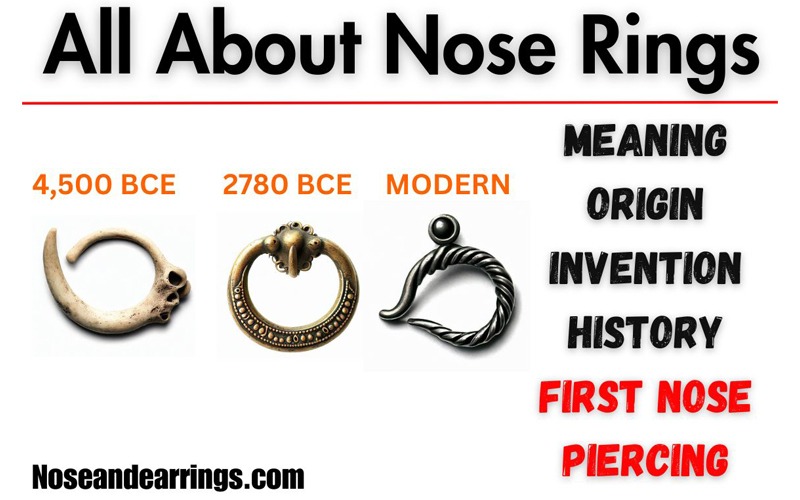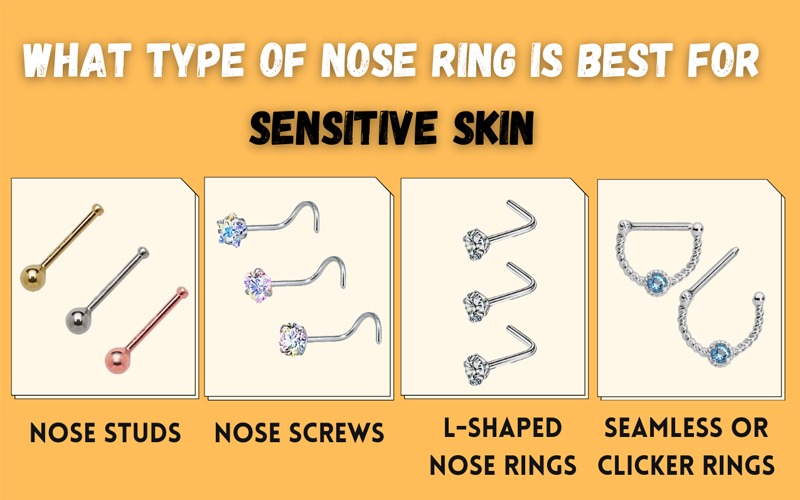
Wearing earrings as nose rings is possible, but there are important factors to consider before doing so. While earrings may physically fit into nostrils, they are not specifically designed for that purpose and can pose potential risks. This article will explore the compatibility, safety, and styling of using earrings as nose rings, ensuring that you make an informed decision if you choose to experiment with this unconventional approach.
Understanding the Differences Between Earrings and Nose Rings
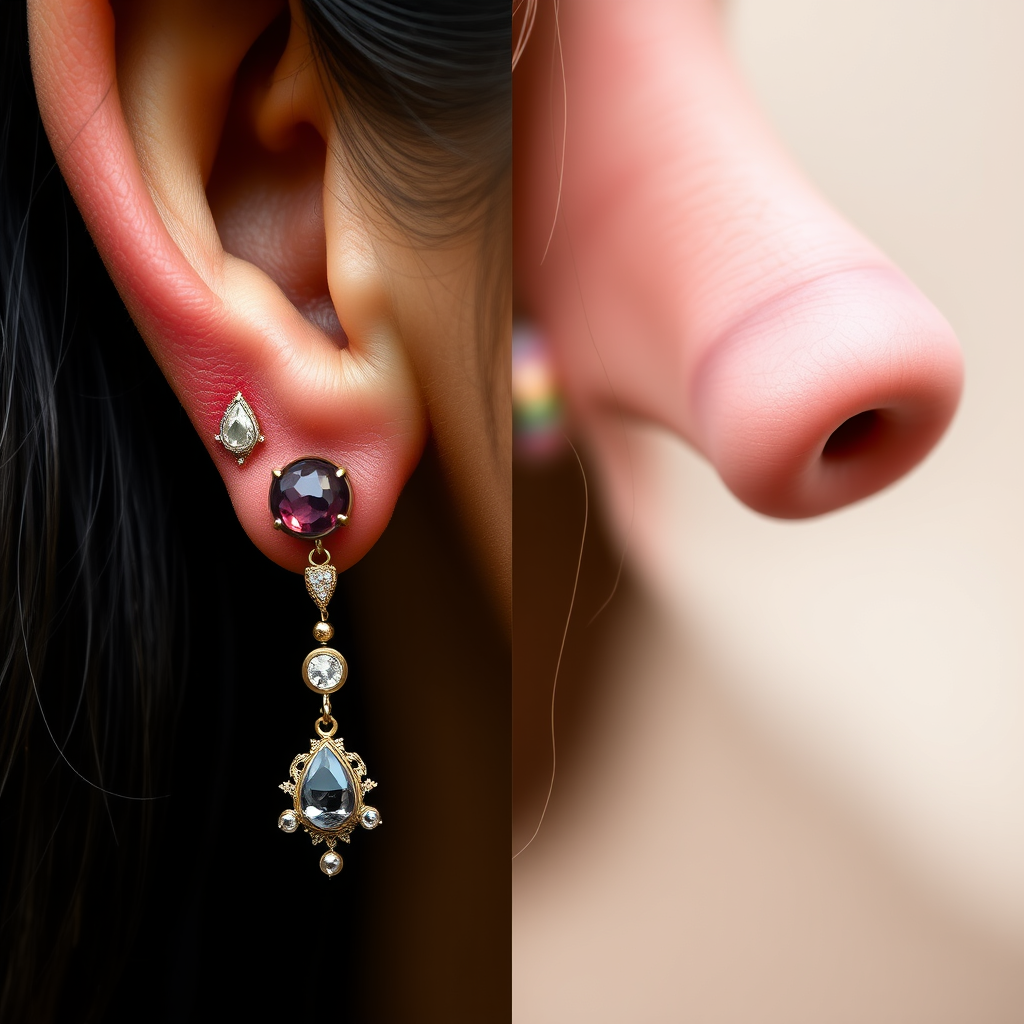
Earrings and nose rings serve distinct purposes and are crafted for different areas of the body. Earrings are typically designed to adorn the earlobe or upper ear, while nose rings are specifically made for the nostril or septum. This fundamental difference is crucial because the anatomy of the ear and nose varies significantly, influencing the design, size, and materials used in these pieces of jewelry.
From a design perspective, nose rings often feature smaller, more secure designs that prevent them from falling out or causing injury. They are also generally made to accommodate the narrower gauge size of nostril piercings compared to ear piercings. For instance, a typical nose ring might be a 20-gauge or 18-gauge, while standard earrings can range from 20-gauge to 14-gauge or larger. This discrepancy means that even if an earring fits into a nostril, it might not provide the same level of security or comfort that a dedicated nose ring would.
Additionally, the materials used in earrings and nose rings can differ significantly. Nose rings are often made from hypoallergenic metals such as titanium or surgical stainless steel to minimize the risk of irritation. In contrast, earrings may be made from a broader range of materials, including those that might not be suitable for sensitive nasal tissue. Understanding these differences is essential for anyone considering wearing earrings as nose rings.
Safety Considerations When Using Earrings as Nose Rings

When contemplating the use of earrings as nose rings, safety should be a top priority. One of the most crucial factors to consider is the material of the earring. To avoid irritation or allergic reactions, ensure that the earring is made from hypoallergenic materials. Common hypoallergenic materials include surgical stainless steel, titanium, and gold (at least 14k). Avoid earrings made from nickel or other alloys that can trigger allergic responses.
Another significant safety consideration is the gauge size. Earrings may not fit properly into existing nose piercings, leading to discomfort or even injury. If an earring is too large or too heavy, it can cause pulling on the nostril, which may lead to irritation or damage to the delicate skin in that area. Before attempting to wear an earring as a nose ring, assess the gauge of the earring and compare it with your nose piercing. It is advisable to use lightweight and appropriately sized earrings to minimize these risks.
Moreover, hygiene is paramount when using earrings as nose rings. Ensure that both the earring and the nostril are clean to reduce the risk of infection. If you notice any signs of irritation, such as redness or swelling, remove the earring immediately, and consult a healthcare professional if symptoms persist.
Creative Styling Options for Earrings as Nose Rings
If you decide to experiment with earrings as nose rings, there are various creative styling options to consider. Certain types of earrings can effectively mimic the look of nose rings, allowing you to explore different aesthetics. For example, small studs or delicate hoops can provide a similar visual effect to traditional nose rings without the need for dedicated jewelry.
Additionally, earrings with unique designs can offer an opportunity for self-expression. For instance, consider using earrings adorned with gemstones or intricate patterns that can add a touch of personality to your look. This approach allows you to experiment with different styles and showcase your individuality while maintaining a trendy appearance.
Another idea is to layer your accessories. By wearing earrings in your ears while sporting an earring as a nose ring, you can create a cohesive look that ties your style together. Mixing and matching colors and designs can make for an eye-catching ensemble, demonstrating that you have a keen sense of fashion.
Potential Risks and Downsides
While wearing earrings as nose rings can be a creative endeavor, it is important to acknowledge the potential risks and downsides associated with this practice. One of the primary concerns is the increased risk of infection. Since earrings are not designed for nasal wear, they may not be as easy to clean or maintain as traditional nose jewelry. This can lead to bacteria accumulation, heightening the chance of developing an infection.
Additionally, the weight and size of earrings can cause discomfort or pulling on the nostril. Heavy earrings may lead to unnecessary strain on the delicate tissues of the nose, resulting in irritation or pain. Furthermore, if the earring does not fit securely, it may fall out or get caught on clothing, leading to potential injuries.
Another downside is that wearing earrings as nose rings may not provide the desired aesthetic effect. Since earrings are designed with different proportions and styles, they might not complement the facial features in the same way that a dedicated nose ring would. This could result in a less cohesive look, ultimately detracting from your overall style.
Tips for Transitioning from Earrings to Nose Rings
If you are considering transitioning from earrings to nose rings or trying earrings in your nostrils, there are several tips to ensure a smooth experience. First, start with simple, lightweight earrings to gauge how they feel in the nostril. Studs or small hoops are excellent options, as they are less likely to cause discomfort.
Maintaining good hygiene is essential during this transition. Clean both the earring and the piercing area regularly to prevent any infections. Use an antibacterial soap or saline solution to clean the nostril and earring before and after use.
Additionally, pay close attention to how your skin responds to the earring. If you experience any discomfort, irritation, or allergic reactions, remove the earring immediately. Consulting with a professional piercer or dermatologist can also provide valuable insights and recommendations tailored to your specific needs.
Alternatives to Consider
If you are looking for a nose ring aesthetic but are hesitant to use earrings, consider purchasing jewelry specifically designed for nose piercings. Dedicated nose jewelry is crafted to fit comfortably in the nostril, ensuring a secure and aesthetically pleasing look. Options range from simple studs to elaborate hoops, allowing you to find the perfect piece that aligns with your style.
Another alternative to consider is temporary options, like clip-on nose rings. These can offer a similar aesthetic without the need for a piercing, making them an excellent choice for those who want to experiment with the look without commitment.
Summarizing, while you can wear earrings as nose rings, it’s essential to consider safety, comfort, and style. If you’re looking to switch up your look, ensure you choose the right materials and sizes, and always prioritize hygiene. For the best experience, consider investing in actual nose jewelry designed specifically for that purpose. This approach not only ensures safety and comfort but also enhances your overall style with pieces that are meant for the unique anatomy of your nose.
Frequently Asked Questions
Can you wear earrings as nose rings?
Yes, you can wear earrings as nose rings, provided they are the right style and made from skin-friendly materials. However, it’s essential to ensure that the earrings are small enough to fit comfortably in your nostril and do not have any sharp edges that could irritate the skin. Additionally, consider using earrings made from hypoallergenic materials such as titanium or surgical steel to minimize the risk of allergic reactions.
What types of earrings are suitable for use as nose rings?
The best types of earrings to use as nose rings are studs and small hoops that have a thin gauge. Look for earrings that mimic the design of traditional nose rings, such as those with a simple ball or flat backing. Avoid heavy or oversized earrings, as they can be uncomfortable and may cause the piercing to stretch or become irritated.
Why would someone want to wear earrings as nose rings?
People may choose to wear earrings as nose rings due to personal style preferences, cost-effectiveness, or the desire for a unique look. If someone has multiple piercings, using earrings as nose rings allows for greater versatility in their jewelry collection without the need for additional purchases. Additionally, it can be a fun way to experiment with different styles before committing to a dedicated nose ring.
How can I ensure that wearing an earring as a nose ring is safe?
To ensure safety when wearing an earring as a nose ring, first, make sure the earring is clean and sterilized to prevent infection. Always choose earrings made from safe materials that are appropriate for body jewelry, such as surgical steel, gold, or titanium. It’s also advisable to consult with a professional piercer or a dermatologist if you’re unsure about the compatibility of your earring for use as a nose ring.
Which earrings should I avoid using as nose rings?
Avoid wearing earrings with dangling elements, large hoops, or those made from materials that can cause allergic reactions, such as nickel. Additionally, steer clear of any earrings that have rough edges, excessive weight, or complicated designs, as they may irritate the nostril and cause discomfort. Always prioritize comfort and safety over style when choosing earrings to use as nose rings.
References
- Nose piercing
- https://www.ncbi.nlm.nih.gov/pmc/articles/PMC6233740/
- https://www.healthline.com/health/nose-piercing-101
- https://www.verywellhealth.com/nose-piercing-care-5191530
- https://www.medicalnewstoday.com/articles/nose-piercing-care
- https://www.aafp.org/pubs/afp/issues/2017/0515/p661.html
- https://www.cdc.gov/niosh/topics/piercings.html