Keeping your nose ring in during surgery is generally not recommended. Most healthcare professionals advise removing any body jewelry, including nose rings, to minimize the risk of infection and complications. The presence of jewelry during surgical procedures can compromise both the sterile environment required for safe operations and the effectiveness of the surgical tools used. In this article, we’ll explore the reasons behind this recommendation, what to expect if you keep it in, and alternative options to consider.
Understanding Surgical Protocols

Surgeons and medical staff adhere to strict protocols designed to maintain a sterile environment in the operating room. One of the key aspects of these protocols is the removal of body jewelry, including nose rings. Jewelry can harbor bacteria and other pathogens, increasing the risk of infection at the surgical site. Additionally, body jewelry can interfere with surgical equipment and procedures. For instance, metal jewelry may cause issues with surgical instruments, especially if they are designed to be magnetic or if they require the use of imaging equipment, such as X-rays or MRIs.
Moreover, there are strict regulations and guidelines set forth by organizations such as the American College of Surgeons that emphasize the importance of minimizing all potential sources of contamination. By removing any extraneous items, including jewelry, healthcare professionals can better focus on the surgical procedure and patient safety.
Risks of Keeping Your Nose Ring
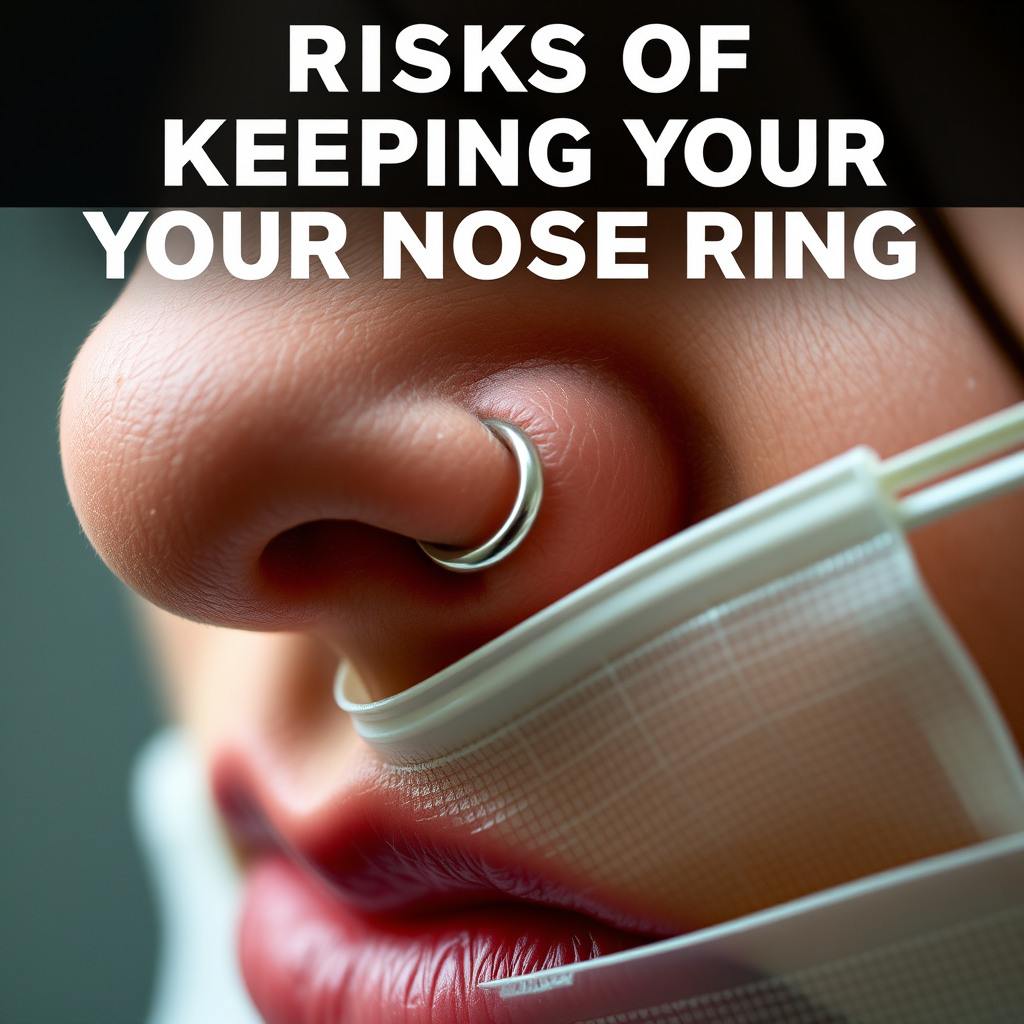
The decision to keep your nose ring during surgery can lead to several risks that should not be overlooked. First and foremost, there is an increased risk of infection at the surgical site. Bacteria can thrive on jewelry, and even the most careful surgical teams cannot completely eliminate the risk of contaminants if the jewelry remains in place. This may result in postoperative complications, prolonged recovery times, or even the need for additional medical interventions.
Another significant risk is the potential for allergic reactions to the materials used in the jewelry. Many nose rings are made from metals such as nickel or cobalt, which can trigger allergies in sensitive individuals. During surgery, the stress on the body and the use of certain medications may exacerbate allergic reactions, leading to swelling, irritation, or additional health concerns.
Furthermore, there is the concern of physical injury. In the event of an emergency or unexpected movement during surgery, the nose ring could become dislodged or pulled, resulting in injuries to the surrounding tissues or complications in the surgical area.
Types of Surgeries Most Impacted
The necessity of removing body jewelry often depends on the type of surgery being performed. General surgeries, which include major procedures such as appendectomies, gallbladder removals, and abdominal surgeries, typically require the complete removal of all body jewelry. This is primarily due to the extensive nature of these surgeries and the need for a fully sterile field throughout the operation.
Conversely, procedures involving local anesthetics may allow for exceptions. For example, during minor surgeries like skin biopsies or dental work, some surgeons may permit patients to keep small, non-intrusive jewelry in place. However, this is not a universal policy and varies by individual surgeon and specific procedure. Therefore, it is crucial to consult with your healthcare provider about the expectations for jewelry removal based on the type of surgery you will be undergoing.
Communicating with Your Surgeon
Effective communication with your surgeon is essential to ensure a smooth surgical experience. Always inform your surgeon about any body piercings, including your nose ring. This transparency allows the surgical team to consider any specific concerns or preferences you may have regarding jewelry before the procedure.
Discussing your jewelry situation in advance can help you gain insights into your surgeon’s policies regarding body jewelry and any potential implications for your surgery. It may also provide an opportunity to explore alternative options if removal is necessary. For instance, some surgeons might suggest a timeline for when you can safely reintegrate your nose ring or provide guidance on caring for your piercing post-surgery.
Being proactive in your discussions can help alleviate anxiety surrounding the procedure and ensure that you feel informed and comfortable with the surgical plan.
Alternatives to Consider
If you are concerned about the removal of your nose ring before surgery, there are alternatives worth considering. One popular option is the use of temporary retainers. These retainers are often made from flexible materials that can keep the piercing open without the risk associated with traditional metal jewelry. They can be beneficial for individuals who wish to avoid closing their piercings while adhering to surgical protocols.
Consulting with a professional piercer can also yield valuable insights into safe alternatives during surgery. A knowledgeable piercer can recommend high-quality materials that are less likely to cause allergic reactions or other complications. They can also provide advice on how to care for your piercing after surgery to ensure it remains healthy.
Ultimately, taking proactive steps to explore alternatives can help you navigate the challenges of body jewelry during surgical procedures while prioritizing your health and safety.
Aftercare for Pierced Noses Post-Surgery
Following surgery, it is crucial to adhere to your surgeon’s advice on caring for your piercing. Postoperative care is vital for preventing complications, especially if you have had to remove your nose ring. Ensure you follow all instructions regarding wound care, hygiene practices, and any prescribed medications.
Additionally, keep an eye out for signs of infection or irritation at the surgical site. Symptoms may include increased redness, swelling, or discharge from the area. If you notice any of these signs or experience unusual pain, contact your healthcare provider immediately. Timely intervention can help manage complications effectively and safeguard your health.
If you have retained your nose ring and are concerned about the healing process, monitor the piercing closely and take care to clean it regularly. This diligence will help ensure that both your surgery and piercing heal properly.
In summary, removing your nose ring before surgery is typically the best practice to ensure safety and proper healing. By understanding surgical protocols, recognizing the risks of keeping jewelry, and exploring alternatives, you can make informed decisions that prioritize your health without compromising your personal style. If you have concerns, discuss them with your surgeon and consider alternatives that can accommodate your piercing. Always prioritize your health and safety when making decisions about body jewelry during medical procedures.
Frequently Asked Questions
Can I keep my nose ring in during surgery?
Generally, it is advised to remove any body jewelry, including nose rings, before surgery. This is primarily due to safety concerns; metal jewelry can interfere with surgical equipment, create a risk of burns, or complicate the surgical field. Additionally, many healthcare facilities have policies that require patients to remove all piercings to prevent complications during anesthesia and recovery.
Why do I need to remove my nose ring for surgery?
Removing your nose ring before surgery is crucial for several reasons. First, it minimizes the risk of infection at the surgical site, as jewelry can harbor bacteria. Second, during surgery, the presence of metal can disrupt imaging technologies like MRIs or CT scans and poses a risk of injury from heat generated by surgical instruments. Lastly, removing jewelry ensures that your medical team can access the surgical area without obstruction.
What if I can’t remove my nose ring before surgery?
If you’re unable to remove your nose ring due to swelling or an embedded piercing, inform your surgical team as soon as possible. They may have alternatives, such as using a medical-grade retainer that is safer to keep in during surgery. However, be aware that the final decision will depend on the nature of the surgery and the policies of the healthcare facility.
How long after surgery can I put my nose ring back in?
The timeline for re-inserting your nose ring after surgery varies depending on the type of surgery you underwent and how your body is healing. Typically, it is recommended to wait at least 2 to 4 weeks or until your doctor gives you the green light. Always consult your healthcare provider for personalized advice to avoid complications such as infection or delayed healing.
Which type of nose jewelry is safest to use during surgery if I must keep it in?
If you absolutely must keep a nose ring in during surgery, consult with your surgeon about using a biocompatible retainer made from materials like silicone or plastic. These materials are less likely to interfere with surgical procedures and can mitigate risks associated with metal jewelry. However, removing jewelry is still the best practice for safety and hygiene during surgical procedures.
References
- https://www.ncbi.nlm.nih.gov/pmc/articles/PMC4060998/
- https://www.healthline.com/health/nose-ring-surgery
- https://www.mayoclinic.org/tests-procedures/surgery/about/pac-20395355
- Vitamin C (Ascorbic Acid) – StatPearls – NCBI Bookshelf
- https://www.plasticsurgery.org/news/blog/can-i-keep-my-piercings-in-during-surgery
- https://www.verywellhealth.com/surgery-and-piercings-5185937