If you’re considering piercing your nose with a ring, the answer is yes, but there are important factors to consider for a safe and successful process. Choosing the right type of piercing, understanding the procedure, and knowing how to care for your new jewelry are all crucial steps to ensure a positive experience. This guide will walk you through everything you need to know about the procedure, aftercare, and potential risks involved.
Understanding Nose Piercing Types

Nose piercings come in several types, with the most common being nostril and septum piercings. Nostril piercings are typically located on either side of the nose, while septum piercings go through the cartilage that separates the nostrils. Each type has its specific requirements concerning jewelry and healing.
While rings can be used in certain types of piercings—especially septum piercings—it’s important to note that the initial jewelry is often a stud. This is due to the fact that studs are less likely to irritate the piercing during the healing process, which usually lasts between 4 to 6 months for nostril piercings and 6 to 8 weeks for septum piercings. After this healing period, you can transition to a ring if you choose.
Preparing for Your Nose Piercing

Before getting your nose pierced, it’s crucial to select a professional piercer who uses sterile techniques and high-quality materials. Research local piercing studios, read reviews, and look for piercers who are certified by reputable organizations. A good piercer will not only ensure that the environment is clean, but they will also use high-grade jewelry to minimize the risk of allergic reactions and infections.
Additionally, consider your anatomy and lifestyle when preparing for a nose piercing. For example, if you have sensitive skin or a history of keloids, discuss these factors with your piercer. They can guide you on the best jewelry options and placement for your unique physiology. Furthermore, if you are active in sports or have a job that may interfere with the healing process, it’s wise to reconsider the timing of your piercing.
The Piercing Process
The actual piercing process is generally quick, typically taking only a few minutes. After marking the desired spot, the piercer will use a sterilized needle to create a hole in the designated area. This method is generally preferred over the “gun” method, as it reduces tissue damage and promotes faster healing.
Once the hole is made, the piercer will insert the chosen jewelry. For initial piercings, a stud is often recommended to help facilitate healing. During the appointment, it’s important to discuss pain levels—while most individuals report only mild discomfort, everyone’s pain threshold varies. Your piercer should also provide aftercare instructions, which are crucial for minimizing complications.
Aftercare for Your Nose Piercing
Proper aftercare is vital for a successful healing process. To keep the area clean, use a saline solution—either store-bought or homemade—twice a day. Avoid using alcohol or hydrogen peroxide, as these can irritate the piercing and delay healing. Additionally, refrain from touching or changing the jewelry too soon; it’s generally advised to wait at least 6 to 8 weeks before switching to a ring.
Monitor your piercing for signs of infection, which can include excessive redness, swelling, or discharge. If you notice any concerning symptoms, contact your piercer or a healthcare professional. Maintaining a clean environment and practicing good hygiene will greatly enhance your chances of a smooth healing process.
Potential Risks and Complications
As with any body modification, there are potential risks associated with nose piercings. These include allergic reactions to materials, infections, and the formation of keloids—raised scars that can develop at the site of the piercing. It’s essential to choose hypoallergenic materials for your jewelry, such as titanium or surgical stainless steel, particularly for your initial piercing.
Another risk is the possibility of migrating or rejecting the piercing, especially if the jewelry is too heavy or improperly placed. Understanding your body’s healing capabilities and being aware of your personal health conditions can help mitigate these risks.
Choosing the Right Jewelry
Selecting the right jewelry is crucial for both aesthetics and comfort. For initial piercings, opt for materials that are hypoallergenic and safe. Titanium, surgical stainless steel, and niobium are excellent choices as they minimize the risk of allergic reactions.
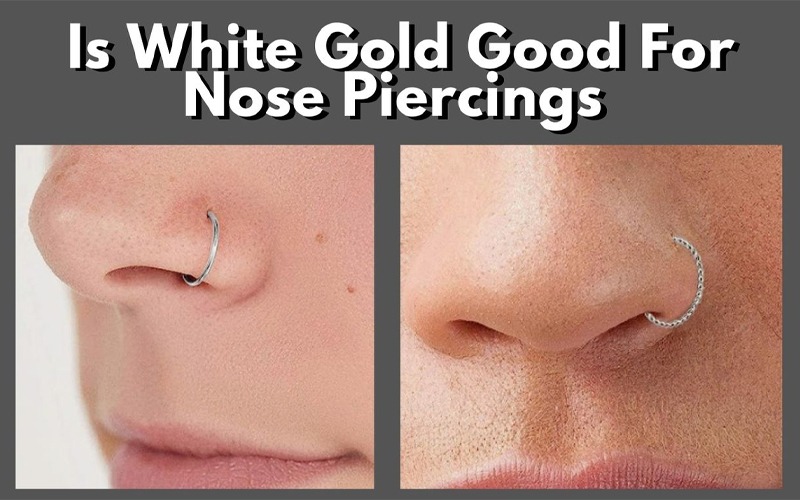
Once healing is complete, you can explore various styles and gauges of rings. Consider the thickness and diameter of the ring. A well-fitted piece will not only enhance your look but will also ensure comfort as you wear it. When choosing a design, think about your personal style and how the ring will complement your features.
When to Seek Professional Help
If you experience persistent pain, swelling, or signs of infection, do not hesitate to consult your piercer or a healthcare professional. Regular check-ins with your piercer can help ensure proper healing and allow for adjustments to your jewelry as needed, especially if you transition from a stud to a ring.
Communication with your piercer is key. They can provide guidance on what to expect during the healing process and advise you on any changes you might need to make to your aftercare routine.
Taking the time to thoroughly research and prepare for your nose piercing can enhance your experience and minimize complications. If you’re ready to take the plunge, find a reputable piercer and discuss your options to ensure you get the look and safety you desire. Remember, a well-informed decision is the first step towards enjoying your new piercing for years to come.
Frequently Asked Questions
Can I pierce my nose with a ring instead of a needle?
While it is technically possible to use a ring for a nose piercing, it is not recommended. Professional piercers typically use a needle, as it creates a cleaner hole and minimizes tissue damage. Using a ring can lead to complications, such as increased pain, bleeding, and a higher risk of infection. For the best results and safety, always opt for a needle piercing done by a certified professional.
What type of ring is best for a nose piercing?
The best type of ring for a nose piercing is typically made from hypoallergenic materials like surgical stainless steel, titanium, or niobium. These materials are less likely to cause allergic reactions and promote faster healing. Additionally, look for rings that are designed specifically for nose piercings, such as captive bead rings or seamless rings, as they provide a secure fit and comfort during the healing process.
How do I care for my nose piercing after using a ring?
After using a ring for your nose piercing, proper aftercare is essential to prevent infection and promote healing. Clean the area twice daily with a saline solution or a gentle, alcohol-free antiseptic. Avoid touching or rotating the ring, as this can irritate the piercing. Additionally, steer clear of swimming pools, hot tubs, and excessive touching for at least six weeks to ensure a successful healing process.
Why should I consult a professional before piercing my nose with a ring?
Consulting a professional piercer before attempting to pierce your nose with a ring is crucial for safety and optimal results. Professionals have the experience and knowledge to minimize pain, reduce healing time, and prevent complications such as infections or scarring. They can also guide you in selecting the right jewelry and provide personalized aftercare instructions, which is vital for a healthy healing process.
Which is safer: a nose piercing with a ring or a stud?
Generally, a nose piercing with a stud is considered safer than a ring, especially during the initial healing phase. Studs tend to stay in place more securely and are less likely to get caught on clothing or other objects, which can lead to irritation or injury. Once the piercing has fully healed, you can switch to a ring if desired, but starting with a stud is recommended to ensure a smoother healing journey.
References
- Nose piercing
- https://www.ncbi.nlm.nih.gov/pmc/articles/PMC6145122/
- https://www.aafp.org/pubs/afp/issues/2016/1101/p910.html
- https://www.mayoclinic.org/healthy-lifestyle/adult-health/in-depth/piercings/art-20045924
- https://www.healthline.com/health/nose-piercing#aftercare
- https://www.verywellhealth.com/nose-piercing-care-5071230