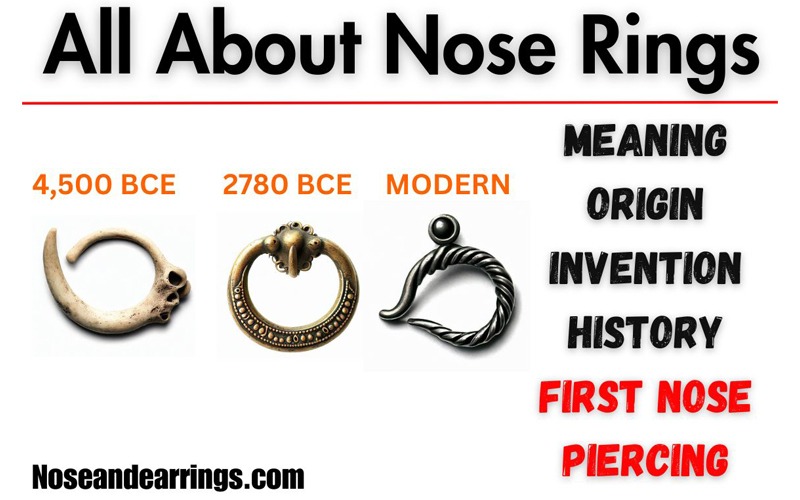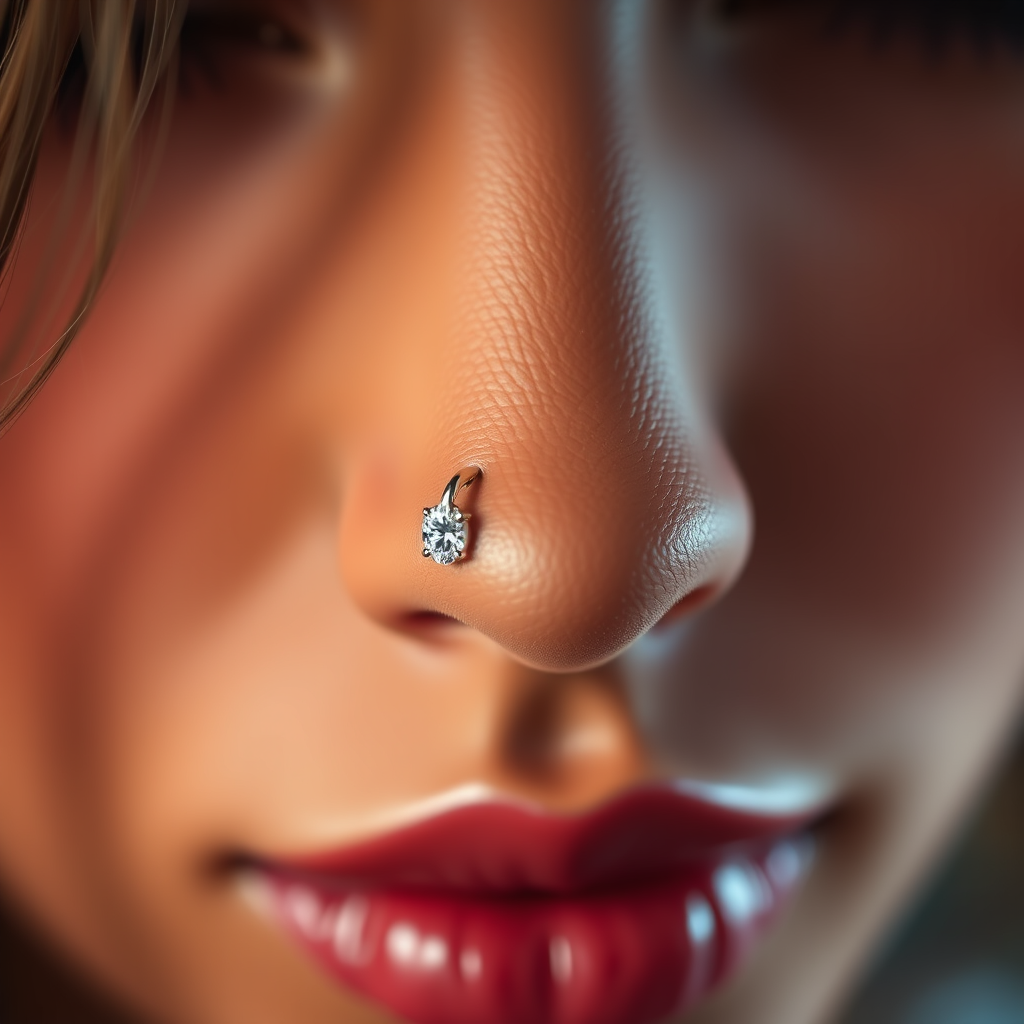
Putting on a nose ring can be done safely and effectively at home by following a few easy steps. First and foremost, ensure that both your hands and the jewelry are impeccably clean to prevent any risk of infection. The insertion process involves gently placing the nose ring into the piercing from the inside of your nostril. In this article, we will provide a comprehensive guide through the steps of putting on a nose ring, offer valuable tips for selecting the right jewelry, and discuss crucial aftercare practices to ensure a smooth and healthy experience.
Preparing for the Nose Ring Insertion

The first step in the process of putting on a nose ring is ensuring an optimal environment for insertion. Begin by thoroughly cleaning your hands with soap and water, or using a hand sanitizer with at least 60% alcohol content. This step is critical as it eliminates harmful bacteria that could lead to infections.
Next, prepare the nose ring itself. Use a saline solution or an alcohol wipe to clean the jewelry before insertion, ensuring that it is free from any contaminants. This precaution not only safeguards your health but also promotes healing for new piercings.
Additionally, gather any necessary tools that may facilitate the process. A well-lit mirror will provide you with a clear view of your nostril, allowing for precise placement. If you find it challenging to hold the jewelry steady during insertion, a pair of tweezers can be helpful, albeit with careful handling to avoid any damage to the jewelry or piercing.
Choosing the Right Nose Ring

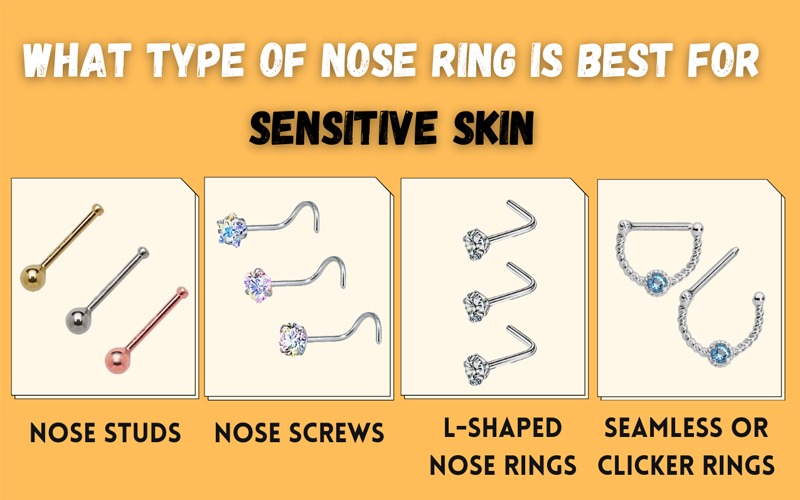
Selecting the appropriate nose ring is vital to ensure comfort and aesthetic appeal. The type of nose ring you choose can significantly affect your overall experience. Common options include stud, hoop, or screw-type rings. Each style has its distinct benefits and potential drawbacks, so consider your personal style and lifestyle when selecting.
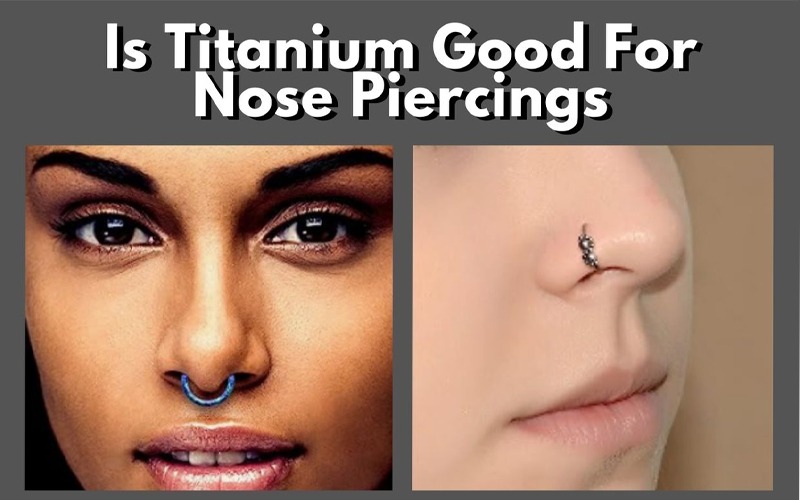
Material is another crucial factor. Opt for hypoallergenic materials such as titanium or surgical steel, especially if you have sensitive skin or a history of allergic reactions. These materials are less likely to cause irritation and are often recommended by professional piercers.
Additionally, ensure that the size and gauge of the ring match your piercing. If the ring is too small, it may not fit through the piercing properly, leading to discomfort. Conversely, a ring that is too large can become loose and susceptible to being lost. Consult with your piercer if you’re unsure of the correct gauge for your specific piercing.
Inserting the Nose Ring
Once you have prepared adequately and selected the appropriate nose ring, it’s time for insertion. Gently hold your nostril open with your fingers to obtain a clear view of the piercing. This allows for better accuracy, reducing the risk of misalignment during the process.
Position the nose ring at the entry point of the piercing. If you are using a stud or a screw-type ring, align the pointed end with the piercing hole. Carefully push the jewelry through the piercing, using a gentle twisting motion if necessary. This technique can help ease the ring through the hole and minimize discomfort.
If you encounter any resistance, do not force the ring into the piercing, as this could cause pain or damage to the tissue. Instead, withdraw the jewelry and reassess the position before trying again. It’s important to take your time during this step to ensure a smooth experience.
Securing the Nose Ring
Once the nose ring is successfully inserted, it is essential to secure it properly to prevent it from falling out. If you are using a stud, check that the backing is firmly attached to the post. This backing is crucial as it keeps the jewelry in place, especially during the healing process.
For hoop-style nose rings, ensure that the closure mechanism is secure. Some hoops come with a hinge or a clip, while others may require bending to secure them in place. Whichever style you choose, ensure it is fastened correctly to avoid losing the jewelry.
After securing the nose ring, check for any signs of discomfort or tightness. If you feel any pressure or pain, adjust the ring slightly to relieve any potential issues. It is vital to ensure that the nose ring is comfortable and fits well to promote healing and prevent complications.
Aftercare for Your Nose Ring
Proper aftercare is crucial for maintaining the health of your new piercing. Clean the area around the piercing daily with a saline solution. This can be done by mixing one-quarter teaspoon of non-iodized sea salt in a cup of distilled water or purchasing a pre-made saline solution from a pharmacy.Avoid touching the nose ring unnecessarily, as this can introduce bacteria and increase the risk of infection. Always wash your hands before touching your face or any part of your body, especially areas that may be healing.
Keep an eye out for any signs of irritation or infection, such as redness, swelling, or discharge. If you notice any concerning symptoms, consult a healthcare professional or your piercer for advice. Early intervention can prevent more severe complications down the line.
Common Mistakes to Avoid
While putting on a nose ring may seem straightforward, there are common pitfalls to be aware of. One significant mistake is inserting the ring too quickly or with excessive force, which can lead to pain and potential injury to the delicate tissue in your nostril.
Another common error is neglecting to clean the jewelry or your hands properly before insertion. This oversight can introduce harmful bacteria into the piercing, increasing the risk of infection.
Additionally, choosing the wrong size or type of ring can lead to discomfort or complications. Always consult with a professional piercer if you are uncertain about the right specifications for your piercing. Taking the time to ensure you have the correct materials and jewelry will pay off in the long run.
Taking your time during the process is essential, as is choosing the right type of ring and adhering to aftercare instructions to maintain a healthy piercing. If you have any further questions or concerns, consider reaching out to a professional piercer for personalized advice tailored to your needs.
Frequently Asked Questions
What type of nose ring is best for beginners?
For beginners, a simple stud nose ring made of surgical stainless steel, titanium, or gold is ideal as these materials are hypoallergenic and less likely to cause irritation. A stud with a flat back is often recommended for comfort and ease of use, ensuring it stays securely in place while minimizing the risk of snagging.
How do you properly clean a nose ring before putting it on?
Before putting on a nose ring, it’s essential to clean it to prevent infection. Use a saline solution or a mixture of warm water and mild soap to gently scrub the jewelry. Rinse it thoroughly and dry it with a clean paper towel; this process helps remove any dirt or bacteria that could cause irritation.
Why does my nose ring feel tight when I try to put it on?
A nose ring may feel tight if it is the wrong gauge size for your piercing or if there is swelling in the area, which can occur during the healing process. It’s important to ensure that the ring is the appropriate gauge for your nostril and to avoid forcing it in, as this can lead to pain or injury. If the issue persists, consider consulting a professional piercer for advice.
Which is easier to put on, a hoop or a stud nose ring?
Generally, a stud nose ring is easier to put on compared to a hoop. The stud typically has a simple post that can be inserted directly into the piercing, while a hoop requires a bit more maneuvering to fit properly. For beginners, starting with a stud can help build confidence before attempting to wear a hoop.
How can I make putting on a nose ring less painful?
To minimize discomfort when putting on a nose ring, try to ensure the piercing is completely healed before attempting to change jewelry. Applying a small amount of water-based lubricant can also help ease the insertion. Additionally, using a gentle twisting motion while inserting the ring can reduce friction and make the process smoother.
References
- https://en.wikipedia.org/wiki/Nose_piercing
- https://www.mayoclinic.org/healthy-lifestyle/adult-health/in-depth/piercings/art-20043988
- https://www.healthline.com/health/nose-piercing-guide
- https://www.webmd.com/beauty/what-to-know-nose-piercings
- https://www.verywellhealth.com/nose-piercing-5112640
- https://www.aafp.org/pubs/afp/issues/2014/1001/p554.html
- https://www.ncbi.nlm.nih.gov/pmc/articles/PMC6686147/