Types of Nose Rings

– Hoops vs. Studs: Understand the differences between hoop rings and studs in terms of style and comfort.
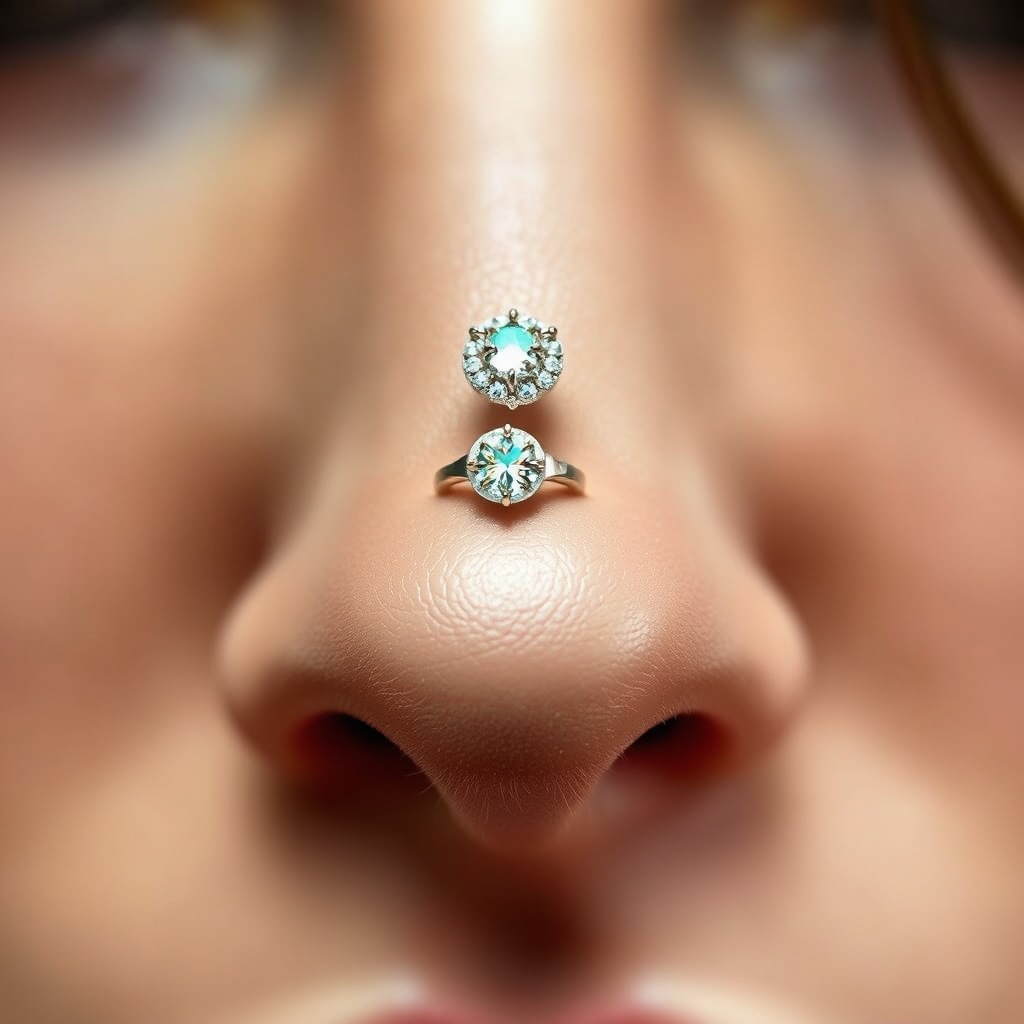
Nose rings come in various styles, but the two most common types are hoops and studs. Hoops can be circular or semi-circular and provide a more dramatic and eye-catching look, making them a preferred choice for those desiring a bolder statement. On the other hand, studs are smaller and more understated, offering a subtle yet elegant touch. Comfort is another aspect to consider; hoops may move more than studs, potentially causing irritation during the healing process. Therefore, your choice should reflect both your personal style and comfort preferences.
– Materials: Explore various materials like titanium, surgical steel, and gold, and their impact on sensitivity and healing.
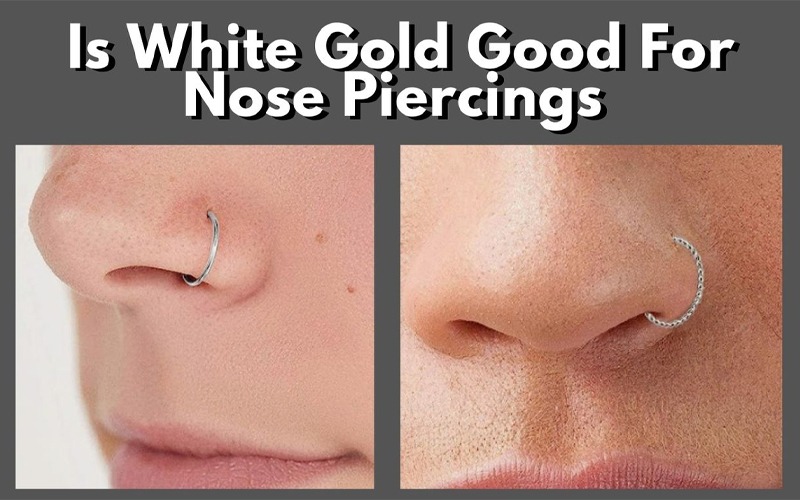
The material of your nose ring is crucial for both aesthetic appeal and sensitivity during healing. Titanium is highly recommended due to its lightweight nature and hypoallergenic properties, making it suitable for individuals with sensitive skin. Surgical steel is another popular option, known for its durability and affordability. Gold, particularly when alloyed with minimal nickel, can also be a stylish choice but may not be suitable for everyone due to potential allergic reactions. Understanding the materials can help you select a ring that minimizes the risk of irritation or infection.
The Piercing Process
– Choosing a Professional: Find a reputable piercer and what to look for in their qualifications.
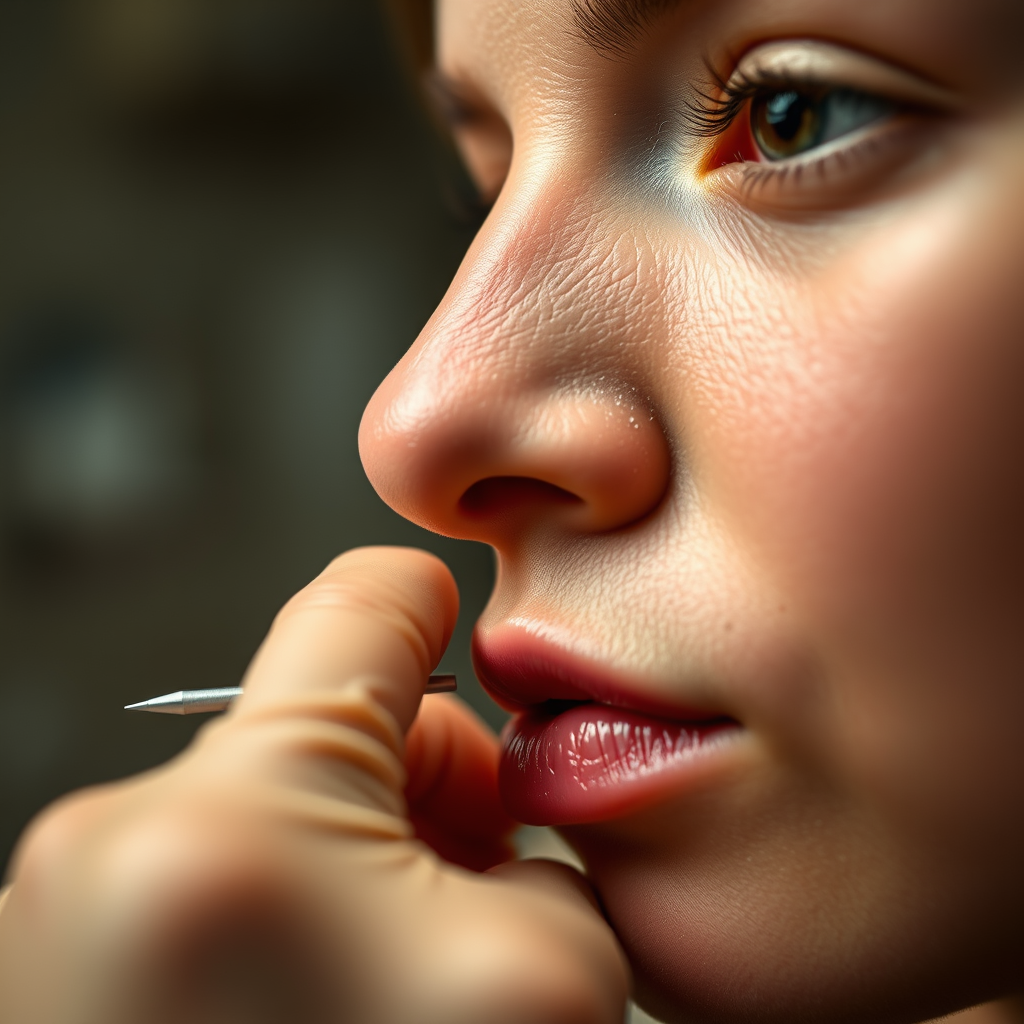
Selecting the right professional for your nose piercing is essential to ensure a safe and successful experience. Look for a piercer with a valid license, positive reviews, and a clean environment. They should use sterilized equipment and have a thorough understanding of anatomy to minimize risks. A consultation prior to the piercing can help establish a rapport and allow you to ask any questions regarding the procedure.
– Pain Levels: Discuss what to expect during the piercing process regarding pain and discomfort.
The pain level during a nose piercing is often described as a brief, sharp sensation followed by a dull ache. Typically, the level of discomfort varies from person to person, influenced by individual pain tolerance and the specific location of the piercing on the nose. Many individuals report that the anticipation is often worse than the actual piercing. Post-piercing, some tenderness and swelling are normal, and these symptoms generally subside within a few days.
Aftercare Instructions
– Cleaning Routine: Learn about the necessary cleaning regimen to avoid infections.
Proper aftercare is crucial for the healing process of a nose piercing. It is generally recommended to clean the area twice a day using a saline solution or a mild saline wound wash. This helps to remove any bacteria and debris that could lead to infection. Avoid using alcohol or hydrogen peroxide, as these can irritate the piercing. Gently pat the area dry with a clean tissue or cloth after cleaning to avoid moisture buildup.
– What to Avoid: Identify activities and products to steer clear of during the healing period.
During the healing period, it is important to avoid certain activities that could compromise the integrity of your piercing. Swimming in pools, hot tubs, or natural bodies of water should be avoided, as they can introduce bacteria. Additionally, avoid touching the piercing with unwashed hands and refrain from changing the jewelry until the piercing has fully healed. Fragrances, lotions, and makeup should also be kept away from the piercing site to prevent irritation.
Healing Timeline
– Initial Healing: Understand the typical duration of initial healing for nose piercings.
The initial healing time for a nose piercing typically ranges from 4 to 6 weeks, although complete healing can take up to 6 months or longer. During the initial healing phase, it is common for the area to be swollen, tender, or even slightly crusty. However, these symptoms should gradually diminish over time. It’s important to be patient and allow your body to heal naturally.
– Signs of Healing vs. Infection: Recognize the signs that indicate normal healing versus potential complications.
Understanding the difference between normal healing signs and potential complications is crucial. Normal healing may include slight tenderness, minor swelling, and a small amount of clear or yellowish discharge. In contrast, signs of infection may present as increased redness, severe pain, a significant amount of pus, or fever. If you suspect an infection, it is imperative to consult a healthcare professional promptly.
Styling Your Nose Ring
– Choosing the Right Size: Tips for selecting the appropriate size for comfort and aesthetics.
Selecting the right size for your nose ring is vital for both comfort and aesthetic appeal. A ring that is too tight can lead to irritation and discomfort, while one that is too loose may move excessively and become snagged. When choosing a hoop, consider the diameter; typically, a smaller hoop is more discreet, while larger ones can make a bold statement. Consult your piercer for specific measurements that will suit your nose shape.
– Changing Your Jewelry: When and how to switch from a piercing ring to a different style safely.
Changing your nose ring too early can lead to complications, so it is essential to wait until the piercing has fully healed. Once the healing process is complete, you can switch to a different style, such as a decorative stud or a different hoop. When changing your jewelry, ensure that your hands are clean, and use a saline solution to cleanse both the piercing and the new jewelry before making the switch. If you’re uncertain about how to change your jewelry, consult your piercer for guidance.
Common Questions and Concerns
– Can You Change the Ring Early?: Discuss the risks of changing your nose ring before it’s fully healed.
Changing your nose ring before it has fully healed can lead to a host of issues, including irritation, infection, and even the formation of keloids. It is crucial to resist the temptation to change jewelry before the recommended healing period has passed. If you feel that your current jewelry is uncomfortable, consult with your piercer for advice on suitable options during the healing phase.
– Allergic Reactions: What to do if you experience an allergic reaction to the metal.
Experiencing an allergic reaction to the metal in your nose ring can be distressing. Symptoms may include itching, redness, and swelling around the piercing site. If you suspect an allergy, consult your piercer or a healthcare professional immediately. They may recommend switching to a hypoallergenic material, such as titanium or surgical stainless steel, to alleviate the reaction. Always ensure to inform your piercer about any known allergies prior to getting pierced.
Maintaining a nose piercing with a ring can be an enjoyable experience when done correctly. By following proper procedures and care, you can ensure your piercing heals well and looks great. Whether you are considering your first nose ring or looking to change up your style, be sure to consult with professionals and adhere to aftercare guidelines for the best results. Understanding the types of rings, the piercing process, and aftercare will not only help you enjoy your new look but also safeguard your health and well-being.
Frequently Asked Questions
Can you get a nose piercing with a ring instead of a stud?
Yes, you can get a nose piercing with a ring, but it’s typically recommended to start with a stud for healing purposes. Studs minimize irritation during the healing process, while rings can move around more and may cause complications. Once your piercing has fully healed, you can switch to a ring if you prefer that style.
What type of ring is best for a nose piercing?
The best types of rings for a nose piercing are those made from hypoallergenic materials such as titanium or surgical stainless steel, as they reduce the risk of allergic reactions and irritation. You can choose from different styles, including captive bead rings, hoops, or seamless rings, depending on your personal preference and comfort.
How long should you wait to switch to a ring after getting a nose piercing?
It is generally advised to wait at least 6 to 8 weeks before switching to a ring after getting a nose piercing. This timeframe allows the piercing to heal properly, minimizing the risk of infection or irritation. Always consult with your professional piercer before making any changes to your jewelry to ensure proper healing.
Why do some people prefer rings over studs for nose piercings?
Many individuals prefer rings over studs for nose piercings due to their aesthetic appeal and versatility. Rings can create a bolder look and allow for more design options, such as gemstones or unique shapes. Additionally, some people find rings more comfortable to wear as they can be less restrictive than studs once fully healed.
Which aftercare tips should I follow for a nose piercing with a ring?
Aftercare for a nose piercing with a ring includes cleaning the area twice daily with a saline solution or a mild saline spray, avoiding touching or twisting the ring, and steering clear of harsh products like alcohol or hydrogen peroxide. It’s crucial to keep the piercing clean and dry to prevent infection, especially if you opt for a ring, as it may be more prone to irritation during the healing process.
References
- Nose piercing
- https://www.ncbi.nlm.nih.gov/pmc/articles/PMC5071176/
- https://www.healthline.com/health/nose-piercing-types
- https://www.mayoclinic.org/healthy-lifestyle/adult-health/in-depth/piercings-and-tattoos/art-20045750
- News: Latest Research and Trending Topics
- https://www.americanacademyofdermatology.org/health-and-beauty/cosmetic-procedures/tattoo-and-piercing-safety
- https://www.cdc.gov/nceh/ehs/docs/faq_piercings.pdf