Getting a ring for your first nose piercing is generally not recommended. Most professional piercers advise starting with a stud to ensure proper healing and minimize complications. This initial choice is crucial as it sets the foundation for a successful healing process. In this article, you’ll learn why starting with a stud is best, the types of jewelry available, and when you can switch to a ring, providing you with essential knowledge to navigate your first nose piercing experience safely.
Why Choose a Stud for Your First Nose Piercing?

Choosing a stud for your first nose piercing is a decision supported by both professional piercers and medical experts. One of the primary reasons for this recommendation is that studs minimize movement. Unlike rings, which can shift and rotate, a stud remains in place, promoting better healing by reducing trauma to the piercing site. Movement can irritate the piercing, leading to prolonged healing times or complications such as keloids and infections.
Moreover, studs tend to have a lower risk of irritation during the initial recovery phase. Jewelry that moves against the skin can cause friction, resulting in redness, swelling, and discomfort. A stud’s fixed position helps to mitigate these risks, making the healing process smoother. Additionally, studs usually have a flat back, which can prevent snagging on clothing or hair, further protecting the healing piercing. By prioritizing comfort and safety, a stud serves as an ideal choice for your first nose piercing.
Types of Jewelry for Nose Piercings
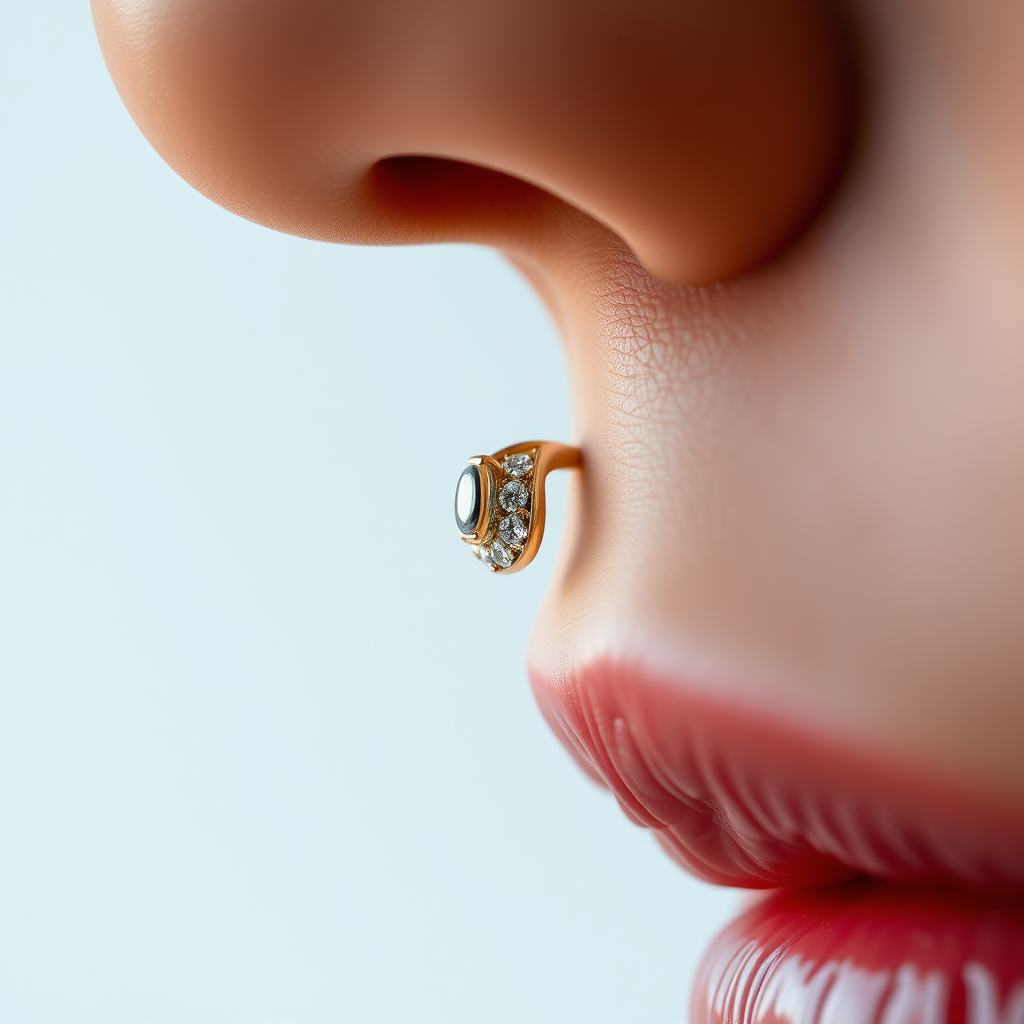
When it comes to selecting jewelry for your nose piercing, various materials are available, each with distinct properties that can influence your healing experience. Common materials include titanium, surgical steel, gold, and bioplast.
1. Titanium: Known for its biocompatibility, titanium is a favorite among professional piercers. It is lightweight, durable, and highly resistant to corrosion. Additionally, titanium is hypoallergenic, making it a suitable choice for individuals with sensitive skin.
2. Surgical Steel: Another popular option, surgical steel is made from a specific type of stainless steel that is safe for body piercings. It is strong and resistant to tarnishing, but some individuals may experience allergic reactions to nickel, which is present in certain surgical steel alloys.
3. Gold: High-quality gold (14k or 18k) is a luxurious choice for nose piercings. Gold is less likely to cause allergic reactions compared to lower-quality gold, which can be mixed with various metals that may irritate the skin. However, gold can be heavier than other materials, which might not be ideal for initial piercings.
4. Bioplast: This flexible, plastic material is increasingly popular due to its comfort and low irritation potential. Bioplast is also suitable for individuals who may have allergies to metals. It is lightweight and can be easily cut to fit.
Understanding the properties of these materials can help you make an informed decision when selecting your first piercing jewelry, ensuring both comfort and safety during the healing process.
Healing Time for Nose Piercings
The healing time for a nose piercing typically ranges from 2 to 4 months, although individual experiences may vary. Factors such as your body’s healing capabilities, aftercare practices, and lifestyle can all influence this timeline.
During the healing phase, it is critical to adhere to proper aftercare to prevent infections and other complications. This includes cleaning the piercing regularly with a saline solution or a gentle, fragrance-free cleanser. It is advisable to avoid touching the piercing with unwashed hands, as this can introduce bacteria to the area.
In addition to cleaning, be mindful of your activities. Activities that involve excessive sweating, such as rigorous exercise, should be approached with caution during the initial healing period. It’s also recommended to avoid swimming in pools or hot tubs, as these can expose your piercing to irritants and bacteria.
Monitoring the healing process is essential. Common signs of healing include reduced tenderness, swelling, and discharge. If you experience prolonged pain, excessive swelling, or pus, it may indicate an infection, and you should consult with a healthcare professional.
When to Switch to a Ring
Health professionals typically recommend waiting at least 2 to 3 months before changing your jewelry from a stud to a ring. This timeframe allows your piercing to heal adequately and minimizes the risk of complications.
Before considering a change, observe the healing process. Signs of sufficient healing include a decrease in tenderness and swelling, as well as minimal or no discharge. If your piercing feels comfortable and appears healthy, you may be ready to switch to a ring.
It’s also vital to consult with your professional piercer before making the switch. They can provide you with personalized advice based on your healing progress and may recommend specific types of rings that would be suitable for your new piercing.
Choosing the Right Ring
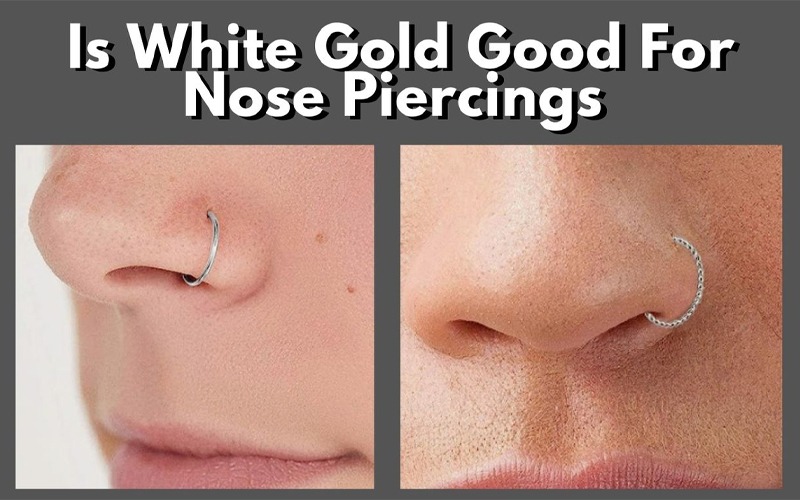
Once you determine that it’s time to switch to a ring, selecting the right type is essential to ensure comfort and style. The options vary widely, including seamless rings, captive bead rings, and hoops.
1. Seamless Rings: These rings are designed without a visible closure, offering a sleek and polished look. They are easy to insert and remove, making them a popular choice for those transitioning from studs.
2. Captive Bead Rings: Featuring a bead that holds the ring closed, captive bead rings are versatile and come in various styles. They often allow for a bit of movement while still being secure, making them an attractive option for a nose piercing.
3. Hoops: Traditional hoops can range from thin, delicate styles to thicker, more statement-making designs. While they can be aesthetically pleasing, ensure that the hoop is lightweight and fits comfortably without pinching or pulling on the piercing.
When choosing a ring, consider not only the aesthetic appeal but also the comfort and fit. The right ring should sit comfortably in your piercing without causing irritation or discomfort.
Aftercare Tips for Changing Jewelry
Proper aftercare is crucial when changing your jewelry to ensure a smooth transition and maintain the health of your piercing. Here are some essential aftercare tips:
1. Clean the Piercing Regularly: Use a saline solution or a gentle, non-irritating cleanser to clean your piercing daily. This helps remove any buildup and reduces the risk of infection.
2. Wash Your Hands: Always wash your hands thoroughly before touching your piercing or changing your jewelry. This is a simple yet effective way to prevent bacteria from entering the piercing.
3. Avoid Harsh Chemicals: Steer clear of products containing alcohol, hydrogen peroxide, or fragrances, as these can irritate the piercing and slow down the healing process.
4. Monitor for Signs of Infection: Be vigilant for any signs of infection, such as increased redness, warmth, or discharge. If you notice any concerning symptoms, consult with a healthcare professional.
5. Be Gentle: When changing jewelry, handle it with care. Avoid tugging or pulling on the piercing, and ensure that the new jewelry is inserted gently to prevent trauma.
By following these aftercare tips, you can help ensure that your new ring is comfortable and that your piercing remains healthy.
Healing properly and knowing when to switch to a ring can make a significant difference in your piercing experience. By understanding the process and taking the necessary precautions, you can enjoy your new nose piercing safely. If you’re considering your first nose piercing, consult with a professional piercer for personalized advice and recommendations. This preparation will help you navigate your piercing journey with confidence and satisfaction.
Frequently Asked Questions
Can you get a ring for your first nose piercing?
While you can technically choose a ring for your first nose piercing, it is generally recommended to start with a stud. Studs are less likely to cause irritation during the healing process and help prevent complications like migration or rejection. Once your piercing has fully healed, usually in 2 to 3 months, you can consider switching to a ring if you prefer that style.
Why should I avoid rings for my first nose piercing?
Avoiding rings for your first nose piercing is advised because rings can move around more than studs, increasing the risk of irritation and infection. Additionally, a ring can snag on clothing or other surfaces, which can be painful. Starting with a stud allows for a more secure fit and less agitation, promoting better healing conditions.
How long should I wait before switching to a ring after getting my nose pierced?
It’s best to wait at least 2 to 3 months before switching to a ring after getting your nose pierced. The healing time can vary based on individual factors like skin type and aftercare practices, so always consult with your piercer for personalized advice. Once the piercing is healed, you can transition to a ring safely.
What type of jewelry is best for a first nose piercing?
For your first nose piercing, the best type of jewelry is a simple, high-quality stud made from materials like titanium or surgical stainless steel. These materials are hypoallergenic and less likely to cause an allergic reaction or irritation. Avoid jewelry made from nickel or other potentially irritating metals during the healing phase.
Which styles of rings are suitable for a healed nose piercing?
Once your nose piercing is fully healed, you can explore various styles of rings. Options include hoop rings, captive bead rings, and seamless rings, each offering a unique aesthetic. Consider your comfort and personal style when choosing, and ensure any new jewelry is made from body-safe materials to maintain ear health.
References
- Nose piercing
- https://www.ncbi.nlm.nih.gov/pmc/articles/PMC5847169/
- https://www.aafp.org/pubs/afp/issues/2013/1201/p1006.html
- https://www.healthline.com/health/nose-piercing-care
- https://www.mayoclinic.org/healthy-lifestyle/adult-health/in-depth/piercings/art-20045271