Understanding Nose Piercing Techniques

When it comes to nose piercings, two primary methods are commonly used: needle piercing and piercing guns. Needle piercing is widely regarded as the safer and more effective technique. A professional piercer uses a hollow needle to create a clean hole, which minimizes tissue damage and reduces the risk of complications. This method allows for precise placement and is less likely to lead to scarring or infection.
On the other hand, piercing guns can cause more trauma to the surrounding tissue, potentially leading to increased pain and longer healing times. It is crucial to note that using a piercing gun for nose piercings is not generally recommended by many professional piercers and health experts.
Moreover, the choice between professional versus DIY piercing is critical. While the thought of piercing your nose at home might be tempting, it comes with significant risks. A professional piercer not only has the proper tools and experience but also follows strict hygiene protocols to prevent infections. Attempting to pierce your nose at home can lead to misplacement, excessive bleeding, and severe infections. Therefore, seeking the expertise of a qualified professional is highly advisable.
Types of Rings for Nose Piercings
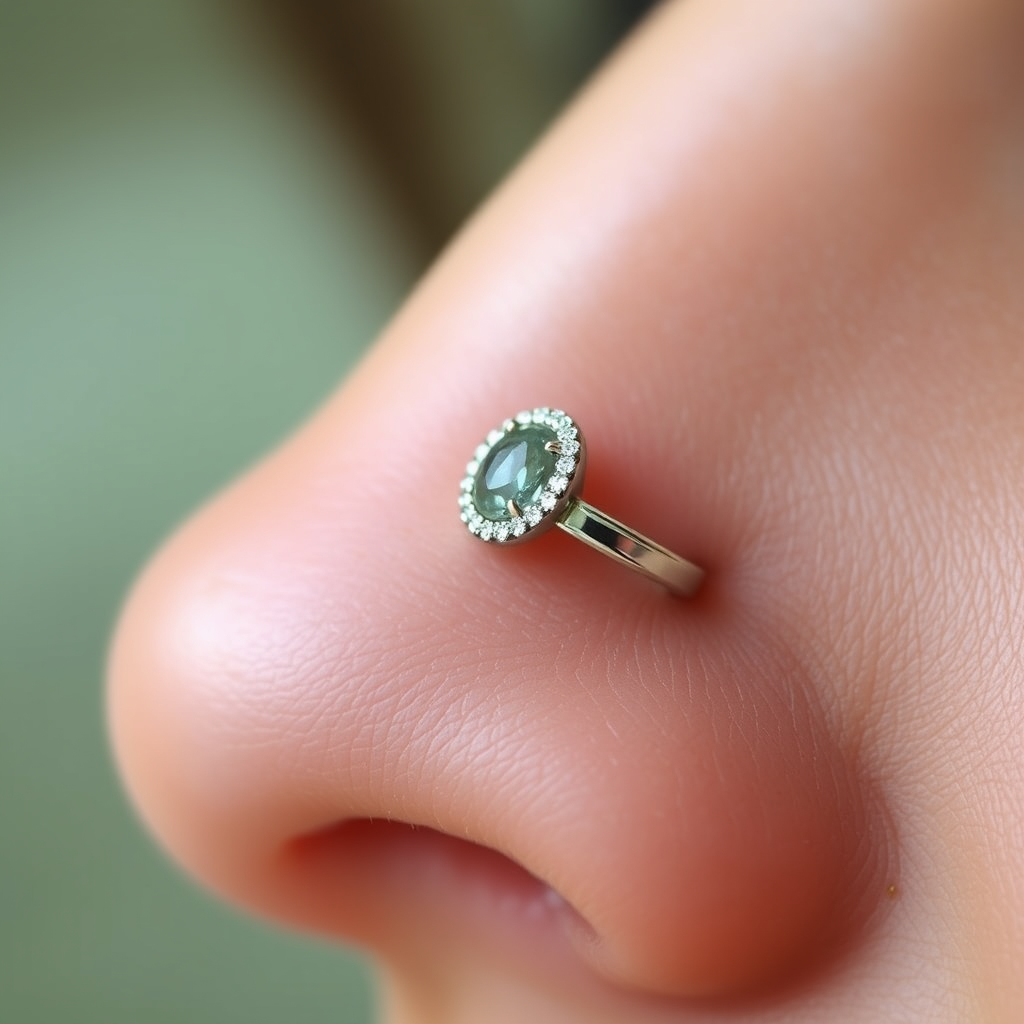
Choosing the right jewelry for your nose piercing can greatly influence both comfort and style. There are various types of rings available, including hoops, captive bead rings, and seamless rings. Each type offers a unique aesthetic, so it’s essential to select one that aligns with your personal style and comfort level.
Hoops are a popular choice for their versatility and are available in various sizes, allowing you to make a statement or keep it subtle. Captive bead rings provide a unique look with a bead that holds the ring in place, while seamless rings offer a sleek and modern appearance.
Material is another critical factor to consider when selecting jewelry for a new piercing. Opt for materials that are hypoallergenic and safe for initial wear, such as surgical stainless steel, titanium, or gold with a high purity level. These materials are less likely to cause allergic reactions and are durable enough to withstand daily wear. Avoid materials like nickel or brass, as they can lead to irritation or infections, particularly in fresh piercings.
Aftercare for Nose Piercings with Rings
Proper aftercare is essential for ensuring your nose piercing heals correctly and remains infection-free. Keeping the piercing clean is one of the most important practices. Gently clean the area around the piercing with a saline solution or a saline wound wash, which can be purchased at most drugstores. It’s essential to avoid using alcohol or hydrogen peroxide, as these can irritate the skin and delay healing.
In the first few weeks after the piercing, you should avoid touching the ring with dirty hands and refrain from changing the jewelry until the piercing has fully healed, which typically takes about 4 to 6 months. Monitor the area for signs of healing, which include minimal redness, swelling, and discharge. If you experience excessive pain, redness, or pus, it may indicate an infection, and you should seek professional advice promptly.
Potential Risks and Complications
As with any body modification, there are risks associated with nose piercings. Understanding these potential complications can help you make informed decisions. Infection is the most common risk, often resulting from improper aftercare or exposure to bacteria. Symptoms of infection include persistent swelling, redness, and discharge. If you suspect an infection, consult a healthcare professional for appropriate treatment.
Another concern is the possibility of allergic reactions to certain materials used in jewelry. Nickel allergies are prevalent, and individuals with sensitivities should opt for hypoallergenic materials like titanium or surgical steel. If you experience itching, rashes, or swelling around the piercing, it may be a sign of an allergy, and you should consider changing your jewelry to a safer material.
How to Change Your Nose Ring Safely
When it comes to changing your nose ring, timing is crucial. It is generally advisable to wait until the piercing has fully healed before switching from a stud to a ring. This healing period can vary, but it typically lasts between 4 to 6 months. Changing the jewelry too soon can lead to complications, including irritation or reopening the wound.
Once you are ready to change your nose ring, follow a step-by-step process to ensure safety and avoid injury. Begin by washing your hands thoroughly to prevent introducing bacteria. Use a saline solution to clean the area around the piercing. Gently remove your old jewelry, taking care not to pull or tug on the piercing. If the jewelry is difficult to remove, do not force it; instead, consult with a professional piercer.
Once the old jewelry is removed, insert the new ring carefully. Ensure that it is secure but not overly tight, as this can cause discomfort. After changing the ring, perform another cleaning of the area to keep it free from bacteria. Regularly monitor the piercing for any signs of irritation or infection.
Piercing your nose with a ring can be a stylish choice if done correctly. Always prioritize safety by choosing a professional piercer and following proper aftercare. If you’re considering this piercing, take the time to research and prepare to ensure a positive experience. With the right approach, you can enjoy your new look while minimizing the risks associated with nose piercings.
Frequently Asked Questions
Can you pierce your nose with a ring instead of a needle?
It is generally not recommended to pierce your nose with a ring, as traditional piercing methods usually involve a sterile needle for a clean and precise hole. Using a ring can cause unnecessary trauma to the tissue, increasing the risk of complications like infection or improper healing. For the best results, always consult a professional piercer who uses sterile equipment and techniques.
How long does it take for a nose ring piercing to heal?
The healing time for a nose ring piercing typically ranges from 2 to 4 months, depending on various factors such as your body’s healing abilities and how well you care for the piercing. Aftercare is crucial; keeping the area clean and avoiding irritation can help speed up the healing process. Always follow your piercer’s aftercare instructions to minimize the risk of complications.
Why do some people choose to pierce their nose with a ring?
Many people prefer to pierce their nose with a ring because it offers a unique aesthetic that can be more versatile than traditional studs. Nose rings can be changed out for various styles and materials, allowing for personal expression. Additionally, some believe that rings may provide a more comfortable fit, particularly if they are accustomed to wearing hoop jewelry.
What type of jewelry is best for a fresh nose ring piercing?
For a fresh nose ring piercing, it is best to use high-quality materials like surgical stainless steel, titanium, or biocompatible plastics. These materials are less likely to cause allergic reactions and promote faster healing. Avoid using cheap metals or non-sterile jewelry, as they can lead to infections and other complications during the healing process.
Which aftercare practices are essential for a nose ring piercing?
Essential aftercare practices for a nose ring piercing include cleaning the area with saline solution or a gentle saline spray, avoiding touching or twisting the jewelry, and refraining from swimming in pools or hot tubs until fully healed. Additionally, it’s important to avoid using alcohol or hydrogen peroxide on the piercing, as these can be too harsh and hinder the healing process. Always monitor for signs of infection, such as excessive redness or discharge, and consult a professional if you have any concerns.
References
- https://en.wikipedia.org/wiki/Piercing
- https://www.ncbi.nlm.nih.gov/pmc/articles/PMC6477766/
- https://www.aafp.org/pubs/afp/issues/2011/0915/p635.html
- https://www.healthline.com/health/nose-piercing-care
- https://www.mayoclinic.org/healthy-lifestyle/adult-health/expert-answers/nose-piercing/faq-20057899
- https://www.webmd.com/beauty/what-to-know-about-nose-piercing
- https://www.cdc.gov/nceh/lead/parenting/nose-piercing.htm