While it is technically possible to put a nose ring in a stud piercing, it is generally not recommended due to potential discomfort and issues with healing. Switching from a stud to a nose ring can lead to complications, especially if the piercing is new or still healing. In this article, we will explore the differences between nose rings and studs, the implications of switching jewelry types, and best practices for changing your piercing to ensure health and comfort.
Understanding Nose Rings and Studs
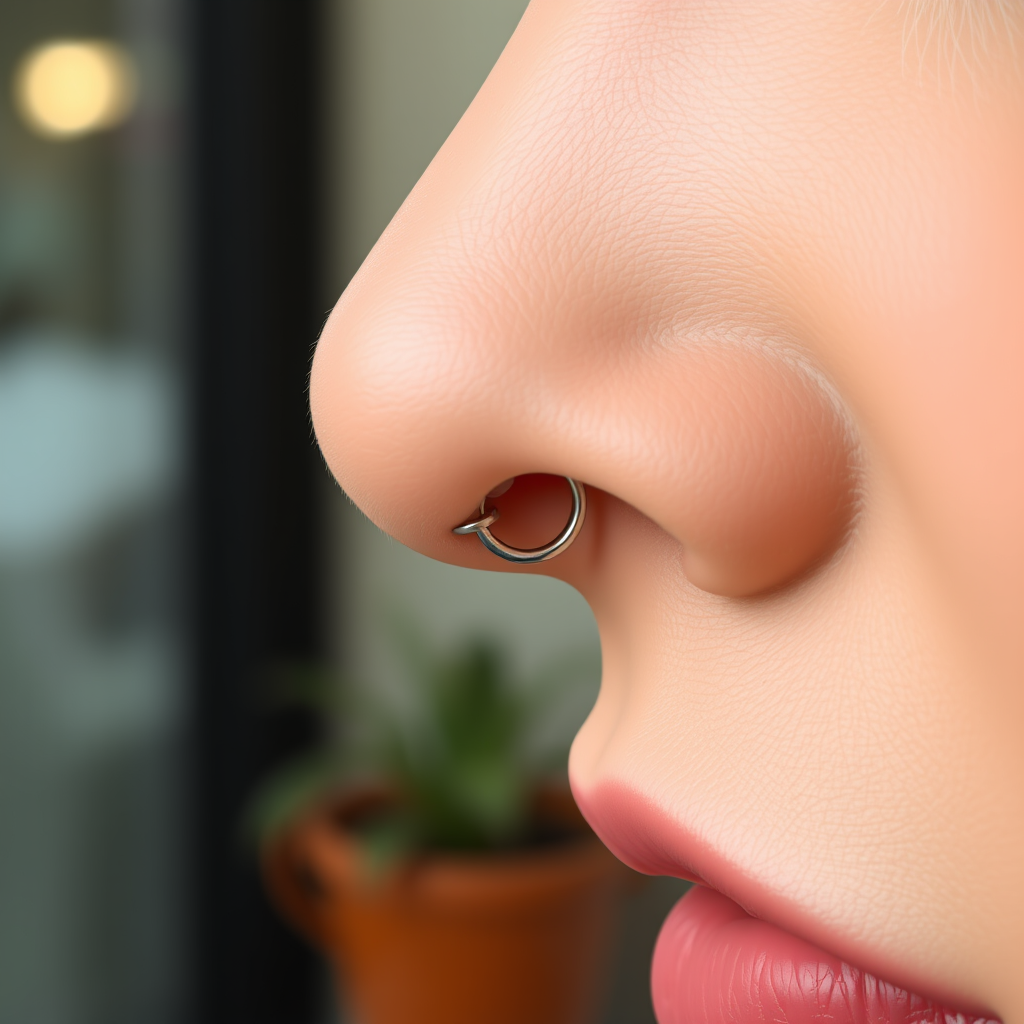
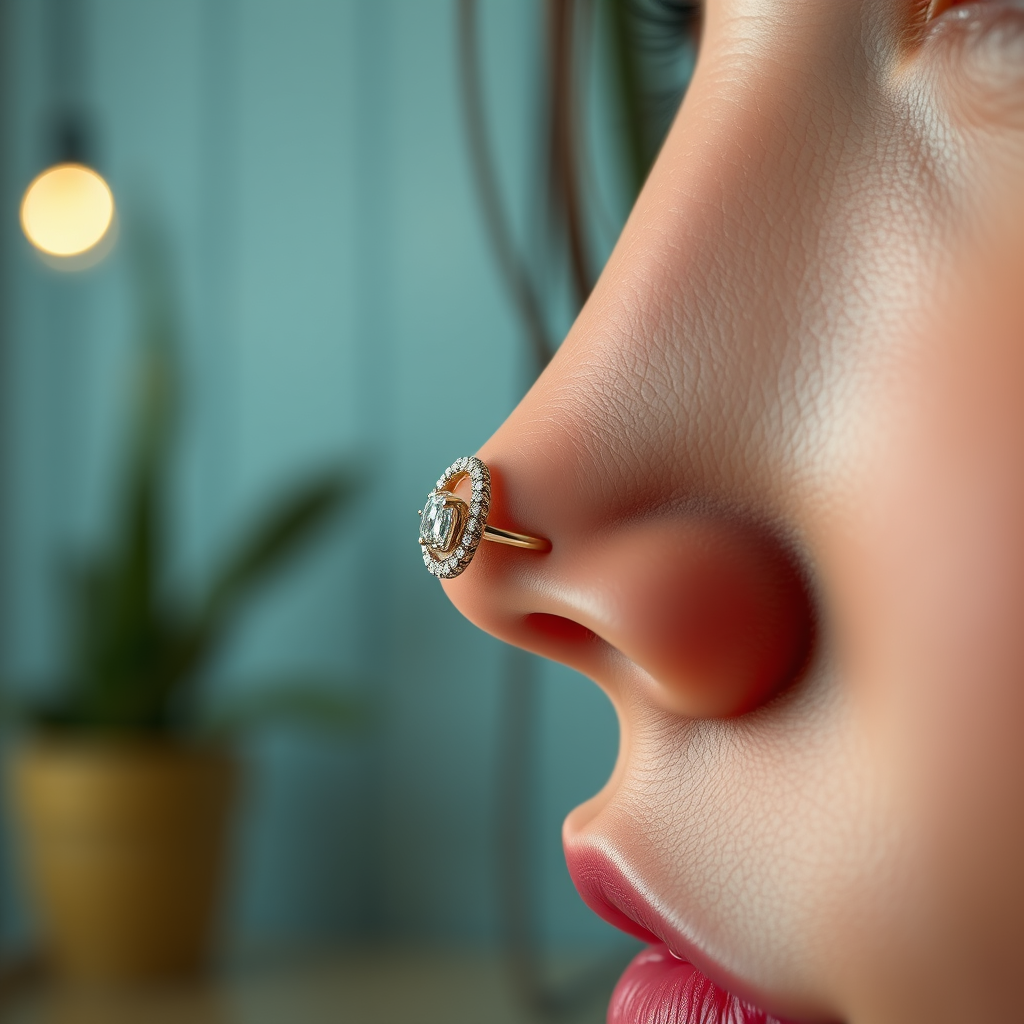
Nose rings and studs serve different aesthetic and functional purposes. Nose rings are typically hoop-shaped, with various designs that may hang or move, offering a more dynamic look. These rings can come in different styles, such as captive bead rings, seamless rings, or decorative hoops, appealing to those who prefer a more elaborate appearance. On the other hand, studs are stationary and often more subtle, consisting of a straight post with a decorative end, which can be as simple as a ball or as intricate as a gemstone setting. The stationary nature of studs means they fit snugly against the skin, making them less likely to catch on clothing or other objects. This fundamental difference in design impacts how each type of jewelry fits in a piercing and can influence the overall comfort experienced by the wearer.
Jewelry Compatibility
When considering a switch from a stud to a nose ring, compatibility is a significant factor. Not all nose rings are designed to fit well in a stud piercing due to differences in sizing and design. Most notably, nose rings come in various thicknesses (gauges), which may not align with the gauge of the stud piercing. For instance, if your stud is a standard 18-gauge, a nose ring designed for a 20-gauge piercing will be too loose, potentially leading to discomfort and irritation. Additionally, the diameter of the hoop in a nose ring can vary, affecting how it sits in the piercing. A nose ring that is too large may dangle excessively, while one that is too small might not fit at all. Therefore, it is essential to consider both the gauge and the diameter of the jewelry before attempting to switch.
Healing Considerations
One of the most critical aspects of changing jewelry in any body piercing is the healing process. Nose piercings, like any other type of body modification, require a specific healing period during which the tissue is sensitive and vulnerable to irritation. Changing jewelry too soon can result in inflammation, pain, and complications such as infection or scarring. Generally, it is recommended to wait at least 6 to 8 weeks before changing jewelry in a fresh nose piercing; however, some piercers may suggest waiting longer depending on individual healing rates and skin conditions. During this time, the piercing should be kept clean and free from irritants. If you are eager to change from a stud to a nose ring, ensure that your piercing has fully healed to avoid unnecessary complications.
Risks of Switching Jewelry
Switching from a stud to a nose ring can introduce several risks, particularly if done prematurely. Inserting a nose ring into a fresh or healing stud piercing can significantly increase the risk of infection. The movement caused by a hoop can aggravate the piercing, leading to irritation and possible rejection of the jewelry. Additionally, the open nature of some nose rings can create more opportunities for bacteria to enter the piercing, compounding the risk of infection. Furthermore, the added movement of a ring can disrupt the healing tissue, which may result in prolonged discomfort and a longer healing process. Therefore, it is vital to weigh these risks carefully before deciding to change your jewelry.
Best Practices for Changing Jewelry
If you are determined to switch your jewelry, it is essential to follow best practices to ensure the safety and integrity of your piercing. First and foremost, wait until the piercing is fully healed before making any changes. Consult with a professional piercer who can provide guidance on the best type of jewelry for your specific piercing and help you navigate the switching process safely. A professional can also assist you in ensuring that the jewelry fits correctly, minimizing the risk of irritation or complications. Additionally, when you do decide to change your jewelry, consider using jewelry made from high-quality materials such as surgical-grade stainless steel, titanium, or niobium, which are less likely to cause allergic reactions or irritation.
Aftercare Tips
Proper aftercare is crucial when changing your nose jewelry to avoid infections and ensure the health of your piercing. Start by maintaining good hygiene; always wash your hands thoroughly before touching your piercing or changing jewelry. Clean the area around the piercing with a saline solution or an antiseptic specifically designed for body piercings. Avoid using harsh chemicals, as these can irritate the skin and delay healing. After inserting the new jewelry, observe the piercing for any signs of irritation, swelling, or unusual discharge. If you experience discomfort or any negative symptoms, consult with a professional piercer or healthcare provider immediately. Following aftercare instructions specific to your piercing type will help keep it healthy and free from complications.
Seeking Professional Guidance
If you are unsure about changing your jewelry, seeking advice from a professional piercer is always a wise choice. An experienced piercer can assess the condition of your piercing and provide tailored recommendations based on your specific situation. They can help you select the right type of jewelry that fits your piercing well, ensuring both comfort and aesthetic appeal. Professional piercers often have insights into the latest trends and materials, which can enhance your experience while maintaining the health of your piercing.
Maintaining the integrity of your piercing is crucial, so always proceed with caution when considering swapping out jewelry types. If you have a stud piercing and are contemplating wearing a nose ring, it’s best to consult a professional and follow best practices to ensure your piercing remains healthy and irritation-free. By understanding the differences between jewelry types, considering compatibility, and adhering to healing and aftercare guidelines, you can enjoy a beautiful and safe piercing experience.
Frequently Asked Questions
Can you put a nose ring in a stud piercing?
Yes, you can put a nose ring in a stud piercing, but it’s important to wait until the piercing has fully healed. This typically takes about 6 to 8 weeks, depending on individual healing processes. Using a nose ring that is specifically designed for nostril piercings will ensure better comfort and reduce the risk of irritation.
How do you switch from a stud to a nose ring in a nostril piercing?
To switch from a stud to a nose ring in a nostril piercing, first ensure that your piercing is fully healed to avoid complications. Gently remove the stud by unscrewing or sliding it out, then insert the nose ring by threading it through the piercing hole. If you encounter resistance, do not force it; instead, consider using a lubricant or consulting with a professional piercer to ensure a smooth transition.
Why is it important to wait before changing a stud to a nose ring?
It is crucial to wait before changing a stud to a nose ring because the tissue around a new piercing is sensitive and can easily become irritated or infected. If you change the jewelry too soon, it may lead to complications like swelling, pain, or even scarring. Allowing the piercing to heal fully ensures that the skin and tissue are strong enough to accommodate different styles of jewelry without issues.
What type of nose ring is best for a stud piercing?
The best type of nose ring for a stud piercing is a simple hoop or a seamless ring that is made from hypoallergenic materials, such as titanium or surgical stainless steel. These materials are less likely to cause allergic reactions and are easier on healing tissue. Additionally, consider choosing a nose ring with a comfortable closure mechanism that minimizes irritation during wear.
Which jewelry size should I choose when switching to a nose ring?
When switching to a nose ring, it is essential to choose the right gauge size to match your stud piercing. Most nostril piercings use a 20-gauge or 18-gauge jewelry, but it’s best to consult your piercer for the exact size. Additionally, ensure the diameter of the hoop or the length of the ring accommodates your nostril size comfortably without being too tight or too loose, which can cause discomfort or migration of the piercing.
References
- Nose piercing
- https://www.aafp.org/pubs/afp/issues/2014/0601/p776.html
- https://www.ncbi.nlm.nih.gov/pmc/articles/PMC6044209/
- https://www.healthline.com/health/nose-piercing-care
- https://www.verywellhealth.com/nose-piercing-5183780
- https://www.medicalnewstoday.com/articles/nostril-piercings