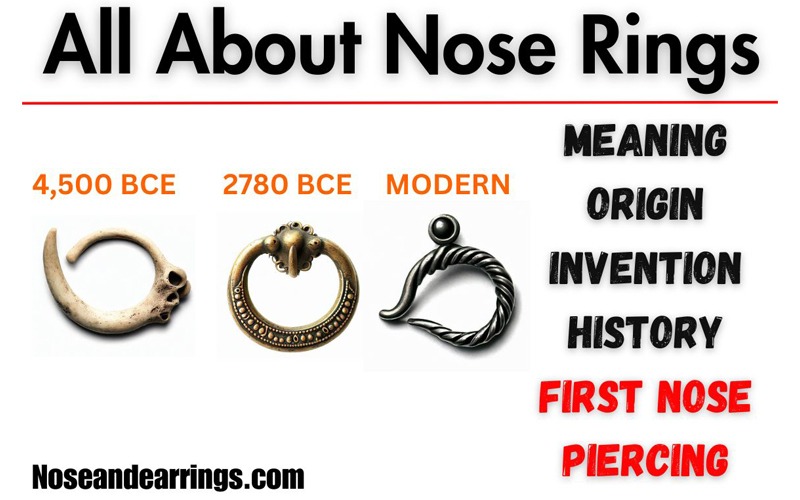
A nose ring can signify various things depending on cultural, personal, and social contexts. Often seen as a symbol of individuality and self-expression, nose rings can also represent cultural heritage, marital status, or rebellion against societal norms. This article will delve into the multifaceted meanings and implications associated with nose rings, exploring their significance across different cultures, the role they play in personal expression, their popularity in fashion, and the health considerations that accompany them.
The Cultural Significance of Nose Rings

Nose rings have a rich history embedded in various cultural traditions. In many South Asian countries, particularly India, a nose ring, or “nath,” is traditionally worn by married women as a symbol of marital status and femininity. The size and design of the nose ring can vary significantly, often signifying wealth and social status. For instance, in some regions, intricate designs adorned with precious stones are favored, while in others, simpler styles prevail.
Moreover, indigenous tribes around the world have incorporated nose rings as markers of identity and status. In certain African cultures, for example, nose rings can indicate maturity and readiness for marriage, while in some Pacific Island cultures, they might represent tribal affiliation or rank within the community. This cultural significance highlights how nose rings can transcend mere adornment, serving as vital symbols within societal narratives.
Personal Expression and Identity

Beyond their cultural implications, nose rings serve as a powerful form of personal expression for many individuals. In contemporary society, they are often embraced as a celebration of individuality and a means of asserting one’s identity. The choice of a nose ring can reflect a person’s aesthetic preferences, lifestyle, and even their emotional state.
The style, size, and placement of the nose ring can convey different messages. For example, a small stud may suggest a more understated and classic approach, while a larger hoop or elaborate design can indicate a bold and adventurous personality. This diversity allows individuals to curate their self-image through their choice of jewelry, making nose rings a versatile accessory in the realm of personal fashion.
Fashion Trends and Popularity
The resurgence of nose rings in contemporary fashion can be attributed to their association with punk and alternative cultures, which have historically embraced body modifications as a form of self-expression. In recent years, however, nose rings have expanded beyond niche subcultures and entered mainstream fashion. This shift has been significantly influenced by celebrities and social media influencers who don nose rings as part of their signature looks, thereby normalizing the accessory for wider audiences.
Notably, figures such as Rihanna, Gigi Hadid, and various music artists have been seen sporting nose rings, contributing to their rise in popularity. As a result, nose rings are no longer confined to specific demographics; they are now embraced across various age groups and style preferences. This evolution illustrates how fashion can serve as a platform for personal and collective expression, allowing individuals to connect with broader cultural narratives through their style choices.
Symbolism of Rebellion
In many conservative societies, wearing a nose ring can symbolize rebellion against traditional norms and expectations. For young people, particularly, this form of body modification often represents a desire to assert independence and challenge societal conventions. The act of piercing one’s nose and adorning it with jewelry can be seen as a statement of individuality, pushing back against the constraints imposed by conventional beauty standards.
This symbolism of rebellion is not limited to cultural contexts; it can also extend to personal experiences. Many individuals choose to wear nose rings as a declaration of their non-conformity or as a way to express beliefs that diverge from mainstream ideologies. As such, a nose ring can serve as a potent emblem of self-empowerment and personal freedom, resonating with those who seek to carve their own paths in life.
Health and Safety Considerations
While nose rings can be a beautiful form of self-expression, it is crucial to consider the health implications associated with getting a nose piercing. The risk of infection is a significant concern, particularly if the piercing is not performed under sterile conditions or if proper aftercare is not followed. It is essential to consult with a professional piercer who adheres to strict hygiene standards and uses high-quality materials.
Aftercare is equally important; keeping the piercing clean and avoiding irritants can help prevent complications. Individuals should be aware of the symptoms of infection, such as excessive redness, swelling, or pus, and seek medical attention if any issues arise. By prioritizing health and safety, individuals can enjoy the aesthetic and symbolic benefits of their nose rings while minimizing potential risks.
How to Choose the Right Nose Ring
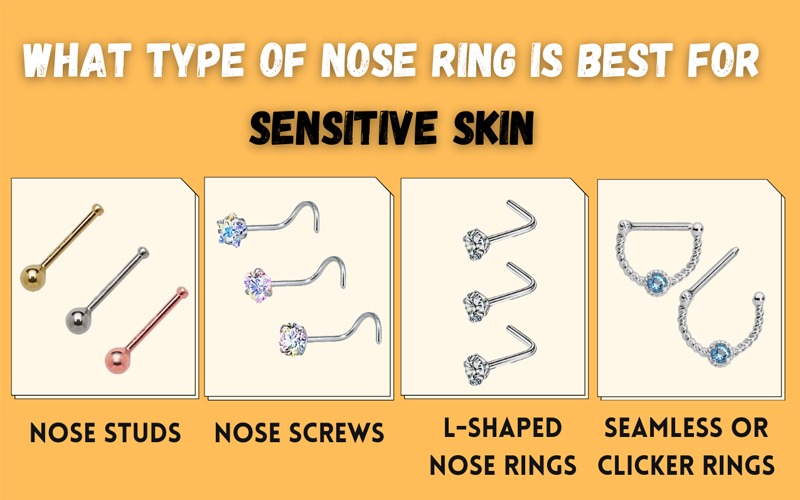
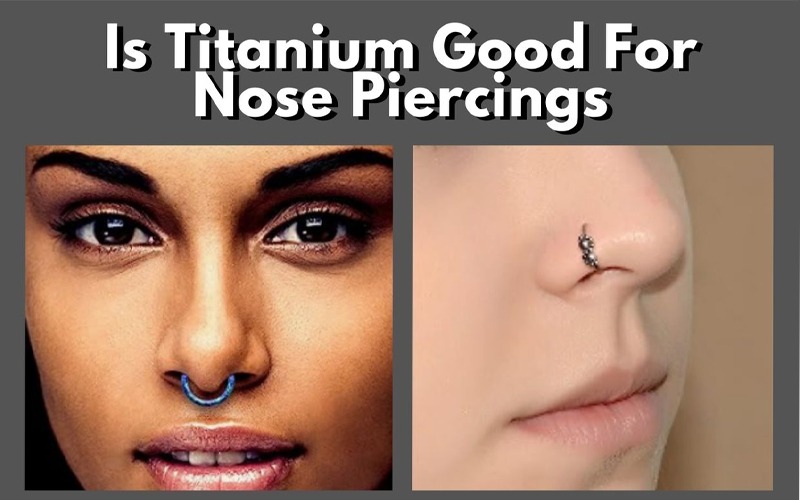
Selecting the right nose ring involves considering several factors, including metal type, style, and size. When it comes to metal, hypoallergenic options such as titanium or surgical steel are recommended, particularly for those with sensitive skin. These materials are less likely to cause allergic reactions, ensuring a more comfortable wearing experience.
In terms of style, individuals should reflect on what best complements their face shape and personal aesthetic. For instance, stud earrings may suit those with smaller facial features, while larger hoops or decorative pieces may enhance bolder features. Additionally, considering the placement of the piercing is crucial; various styles can be placed in different areas of the nostril or septum, each offering a unique look. Ultimately, the right nose ring should resonate with one’s personal style and enhance individual identity.
Nose rings hold a variety of meanings that can differ widely from one person to another. Whether viewed as a fashion statement, a cultural symbol, or an expression of rebellion, they continue to be a significant form of self-expression. If you’re considering getting a nose ring, take time to reflect on what it represents for you personally and ensure that it aligns with your identity and values. By understanding the cultural and personal implications of nose rings, you can make an informed choice that resonates with your sense of self.
Frequently Asked Questions
What does a nose ring symbolize in different cultures?
A nose ring can symbolize various meanings across different cultures. In Indian culture, it is often associated with marriage and femininity, where a nostril piercing signifies a woman’s marital status. In some African and Indigenous cultures, nose rings may represent tribal affiliation, social status, or personal identity. Understanding these cultural significances can provide deeper insights into the choice of wearing a nose ring.
Why do people choose to get a nose ring?
People choose to get a nose ring for various reasons, including personal expression, fashion, and cultural significance. For many, it is a form of self-identity and a way to showcase individuality. Additionally, some individuals may view nose rings as a form of rebellion against societal norms, while others appreciate the aesthetic appeal and the way it enhances their facial features.
How can I choose the right type of nose ring for me?
Choosing the right type of nose ring involves considering your personal style, comfort, and the anatomy of your nose. Popular types include studs, hoops, and septum rings, each offering a different aesthetic. It’s important to also factor in the material of the nose ring (such as surgical steel, gold, or titanium) to avoid allergic reactions. Visiting a professional piercer can provide personalized advice and help you select the best option.
Which side of the nose is traditionally pierced for a nose ring?
Traditionally, in many cultures, the left side of the nose is pierced for a nose ring, particularly in Indian culture, where it is believed to have health benefits related to childbirth. However, there is no strict rule about which side to pierce, and personal preference plays a significant role. Many people choose the side that feels more comfortable or aesthetically pleasing to them.
What are the potential risks and aftercare tips for nose ring piercings?
The potential risks of nose ring piercings include infection, allergic reactions, and keloid formation. To minimize these risks, it’s crucial to follow proper aftercare, which includes cleaning the area with saline solution and avoiding unnecessary touching or twisting of the jewelry. Additionally, selecting a reputable piercer who follows sterile practices can significantly reduce the chances of complications, ensuring a safe and healthy piercing experience.
References
- Nose piercing
- https://www.bbc.com/culture/article/20170404-the-history-of-nose-piercings
- https://www.huffpost.com/entry/nose-piercings-what-they_n_597b1fb8e4b0e39a8e2e5e5f
- https://www.psychologytoday.com/us/blog/the-moment-youth/201401/the-psychology-body-modifications
- LED Light Therapy Is the Key to Bright, Clear Skin
- https://www.ncbi.nlm.nih.gov/pmc/articles/PMC6836681/