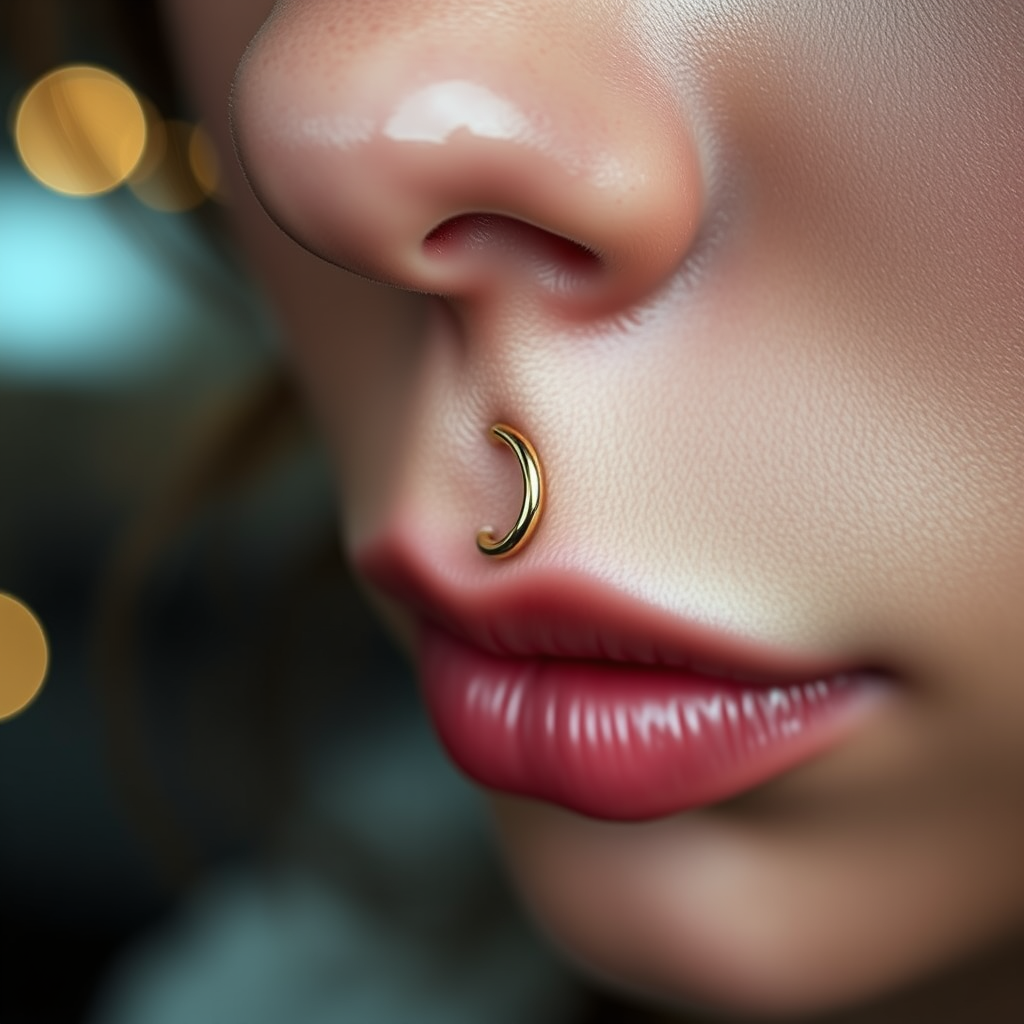
Healing a nose ring typically takes about 4 to 6 months, but this timeline can vary significantly due to individual factors such as skin type, overall health, and the aftercare practices employed during recovery. Understanding the nuances of the healing process can help you navigate this period more effectively, ensuring that your piercing heals properly and comfortably. This article will delve into the stages of healing, the factors that can influence healing time, signs of a properly healed piercing, essential aftercare tips, potential complications, and when to seek professional help.
Understanding the Healing Process
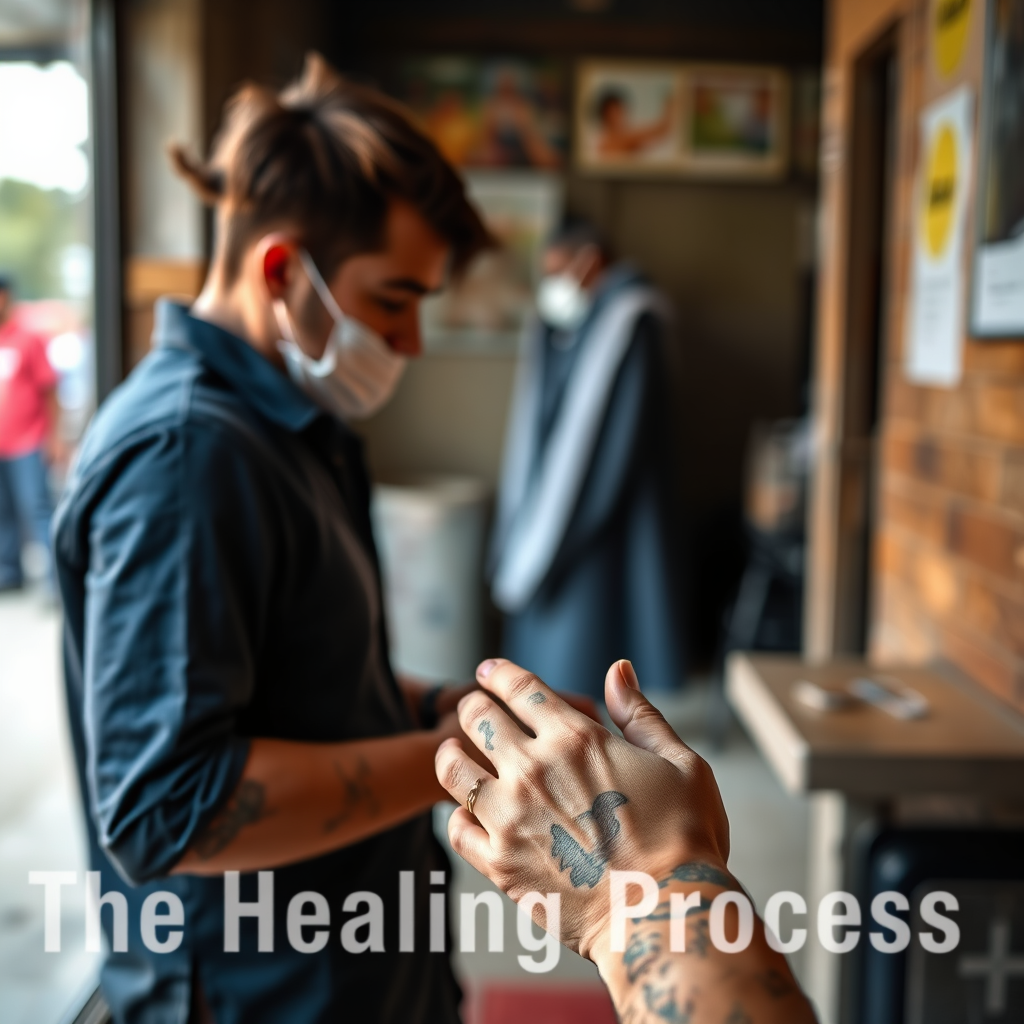
The healing process of a nose ring involves several critical stages that are essential for the formation of healthy tissue around the new piercing. Initially, the body reacts to the piercing with inflammation, which is a natural part of the healing process. During this stage, the area around the piercing may become sore, swollen, and produce discharge, which is usually a combination of blood and lymph fluid. This initial inflammatory response can last from a few days to a couple of weeks, depending on individual factors.
As healing progresses, the body begins to repair the tissue surrounding the piercing. This stage, often referred to as tissue repair, can take several weeks. You may notice that the swelling begins to subside, and the level of discomfort decreases. The final stage, known as maturation, can last for several months. During this time, the piercing site will continue to strengthen and become more resilient, eventually forming a stable fistula around the jewelry. Understanding these stages can help you set realistic expectations for your healing journey.
Factors Influencing Healing Time
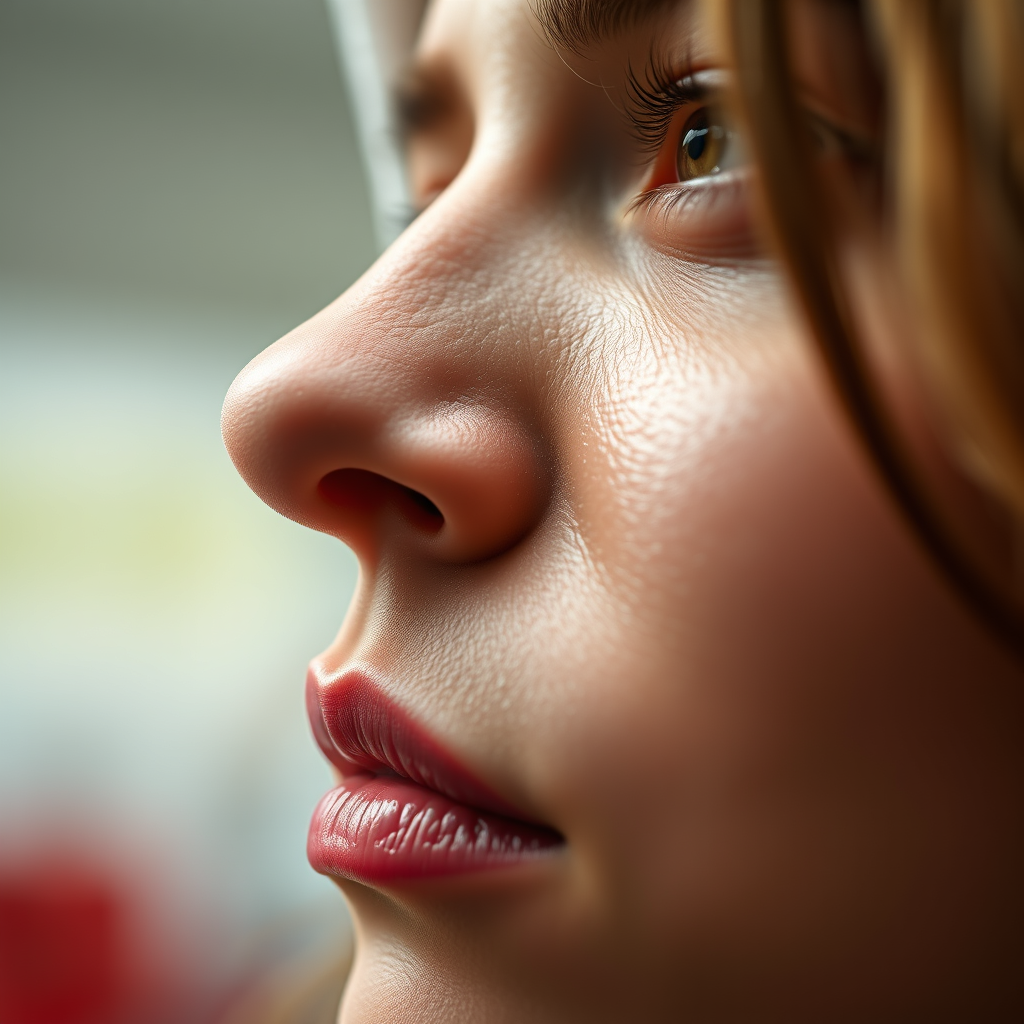
Several individual factors can significantly affect how long it takes for a nose ring to heal. One of the primary influences is your overall health; individuals with compromised immune systems or underlying health conditions may experience prolonged healing times. Additionally, skin type plays a crucial role; those with sensitive skin or conditions like eczema may find that their piercings take longer to heal or are more susceptible to irritation.
Aftercare practices are equally important in determining healing duration. Proper cleaning routines, such as using saline solutions or antibacterial cleansers, can help prevent infection and promote healing. Conversely, neglecting aftercare or using harsh chemicals can lead to complications, extending the healing timeline. Moreover, lifestyle factors such as diet, hydration, and stress levels can indirectly impact healing. A well-balanced diet rich in vitamins and minerals, for instance, can support tissue repair and overall health.
Signs of Proper Healing
Monitoring the healing progress of your nose ring is crucial to ensure that it is healing correctly. One of the most significant signs of proper healing is a gradual decrease in redness and swelling. Initially, the area may appear inflamed, but as healing progresses, you should notice a marked improvement. A well-healed piercing will feel less sensitive to touch and will not produce any discharge.
Additionally, you may observe a slight change in the color of the tissue surrounding the piercing, moving from a raw appearance to a more natural skin tone. If you notice persistent symptoms such as excessive redness, swelling, or discharge, it may indicate a problem that requires attention. Being aware of these signs can help you assess the health of your piercing and take appropriate action if necessary.
Aftercare Tips for Nose Ring Healing
Proper aftercare is essential for ensuring a smooth recovery for your nose ring. Begin by cleaning your piercing regularly with a saline solution or a gentle antibacterial solution, which can help remove any buildup of bacteria and promote healing. It’s important to avoid using alcohol or hydrogen peroxide, as these can be too harsh and may irritate the skin.Additionally, resist the temptation to touch, twist, or change your jewelry during the healing period. Friction can disrupt the healing process and introduce bacteria into the piercing. If you must touch your piercing, ensure that your hands are clean and that you handle the jewelry only as needed. Also, be mindful of your environment; avoid exposure to irritants such as smoke, strong fragrances, and harsh weather conditions that can exacerbate irritation.
Common Complications and How to Avoid Them
While most nose ring piercings heal without complications, issues such as infection or keloids can arise, potentially extending the healing time. Signs of infection include increased redness, warmth, swelling, and the presence of pus or other unusual discharge. If you notice these symptoms, it’s crucial to seek professional help promptly to prevent the infection from worsening.
Keloids, which are raised scars that can form around a piercing, may occur in individuals with a predisposition to scarring. To minimize the risk of keloid formation, avoid unnecessary irritation to the piercing site, and follow proper aftercare practices diligently. Additionally, steering clear of swimming pools, hot tubs, and natural bodies of water during the healing period can significantly reduce the risk of complications, as these environments can introduce bacteria that may lead to infection.
When to Seek Professional Help
It’s essential to know when to consult a professional regarding your nose ring healing process. If you experience persistent pain, excessive swelling, or unusual discharge that does not improve after following proper aftercare, it may be time to seek advice from a professional piercer or a healthcare provider. They can assess your piercing and recommend appropriate treatment options, which could include antibiotics or adjustments to your aftercare routine.
Regular check-ins with your piercer can also be beneficial. They can provide personalized advice and ensure that your piercing is healing correctly. Establishing a good relationship with your piercer can enhance your overall experience and give you peace of mind throughout the healing process.
In summary, healing a nose ring generally takes 4 to 6 months and is influenced by various factors, including individual health and aftercare practices. By following the right aftercare tips and being mindful of potential complications, you can promote a healthy healing process. If you have any concerns or questions about your piercing, don’t hesitate to reach out to a professional for guidance. Taking proactive steps will not only enhance your experience but also contribute to the successful healing of your nose ring.
Frequently Asked Questions
How long does it typically take for a nose ring to heal completely?
The healing time for a nose ring can vary depending on the type of piercing and individual healing processes. Generally, a nostril piercing takes about 4 to 6 months to heal fully, while a septum piercing usually heals within 6 to 8 weeks. It’s important to follow aftercare instructions to promote optimal healing and prevent infections.
What factors can affect the healing time of a nose ring?
Several factors can influence the healing time of a nose ring, including your overall health, age, and lifestyle habits like smoking or excessive alcohol consumption. Additionally, the type of jewelry used and the placement of the piercing can also impact healing. Proper aftercare and hygiene are crucial to minimize complications and ensure a smoother healing process.
Why is my nose ring still sore after several weeks of healing?
Persistent soreness around a nose ring after several weeks may be due to several reasons, including irritation from jewelry, improper aftercare, or an allergic reaction to the metal. If the soreness persists, it’s essential to consult a professional piercer or healthcare provider to rule out an infection or other complications, and to discuss suitable jewelry materials, such as surgical stainless steel or titanium.
What is the best aftercare routine for a healing nose ring?
The best aftercare routine for a healing nose ring includes cleaning the area with a saline solution or a mild, fragrance-free soap twice a day. Avoid touching or twisting the ring unnecessarily, and refrain from swimming in pools or hot tubs during the initial healing period. Additionally, it’s advisable to avoid makeup near the piercing site until it has healed completely to prevent irritation.
Which type of jewelry is best for a new nose piercing?
The best type of jewelry for a new nose piercing is typically made of biocompatible materials, such as surgical stainless steel, titanium, or gold that is at least 14k. These materials are less likely to cause allergic reactions or irritation. It’s important to choose jewelry that is appropriately sized and designed for initial piercings to facilitate proper healing.
References
- https://www.ncbi.nlm.nih.gov/pmc/articles/PMC6908967/
- https://www.healthline.com/health/nose-piercing-healing-time
- AAFP News: AFP Edition | AAFP
- https://www.mayoclinic.org/diseases-conditions/piercing-care/symptoms-causes/syc-20391173
- https://www.webmd.com/skin-problems-and-treatments/guide/body-piercing-care
- https://www.piercing.org/faq/
- https://www.nhs.uk/conditions/body-piercing/
- https://www.verywellhealth.com/nose-piercings-5117008