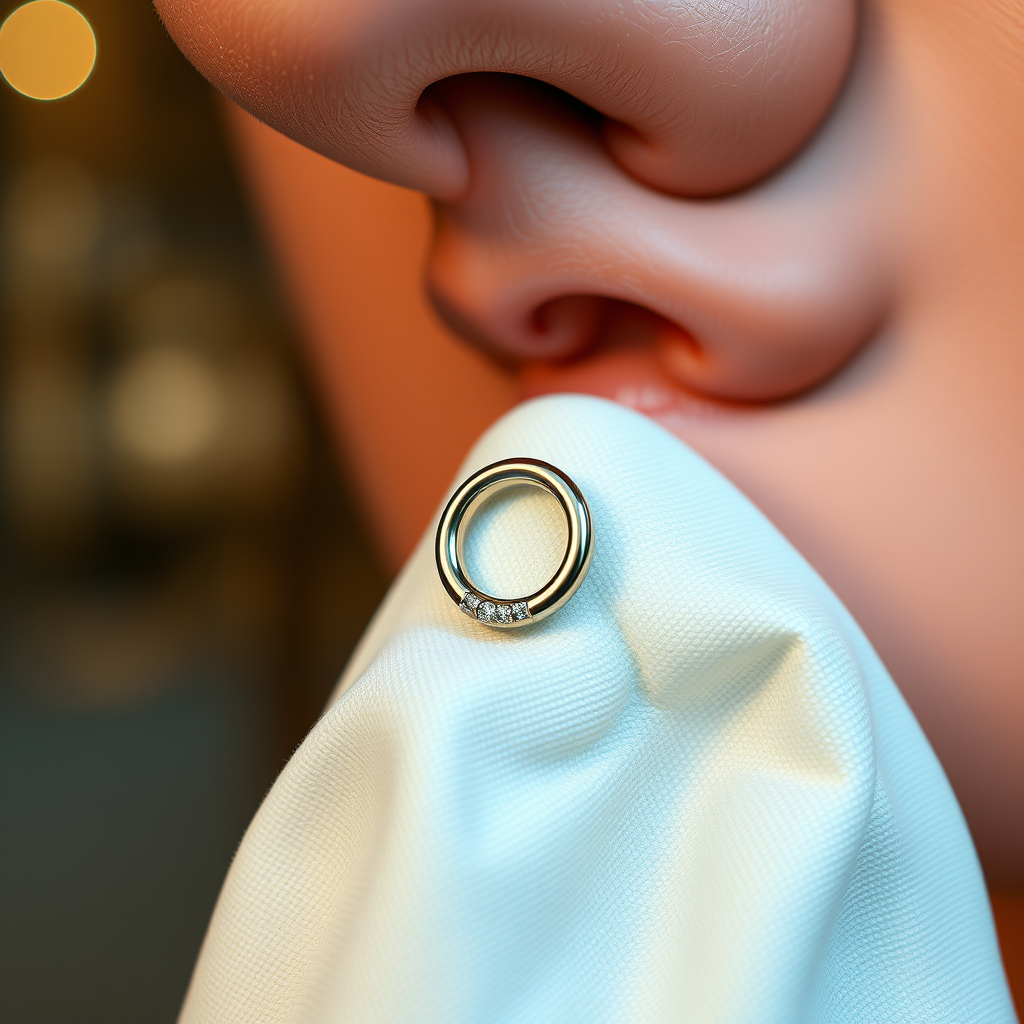
Inserting a corkscrew nose ring can be a straightforward process if done correctly. This guide will help you navigate the steps involved, ensuring that you can comfortably and securely place your corkscrew nose ring in your piercing. With the right techniques and a bit of preparation, you’ll be able to enhance your look with confidence.
Understanding the Corkscrew Nose Ring Design
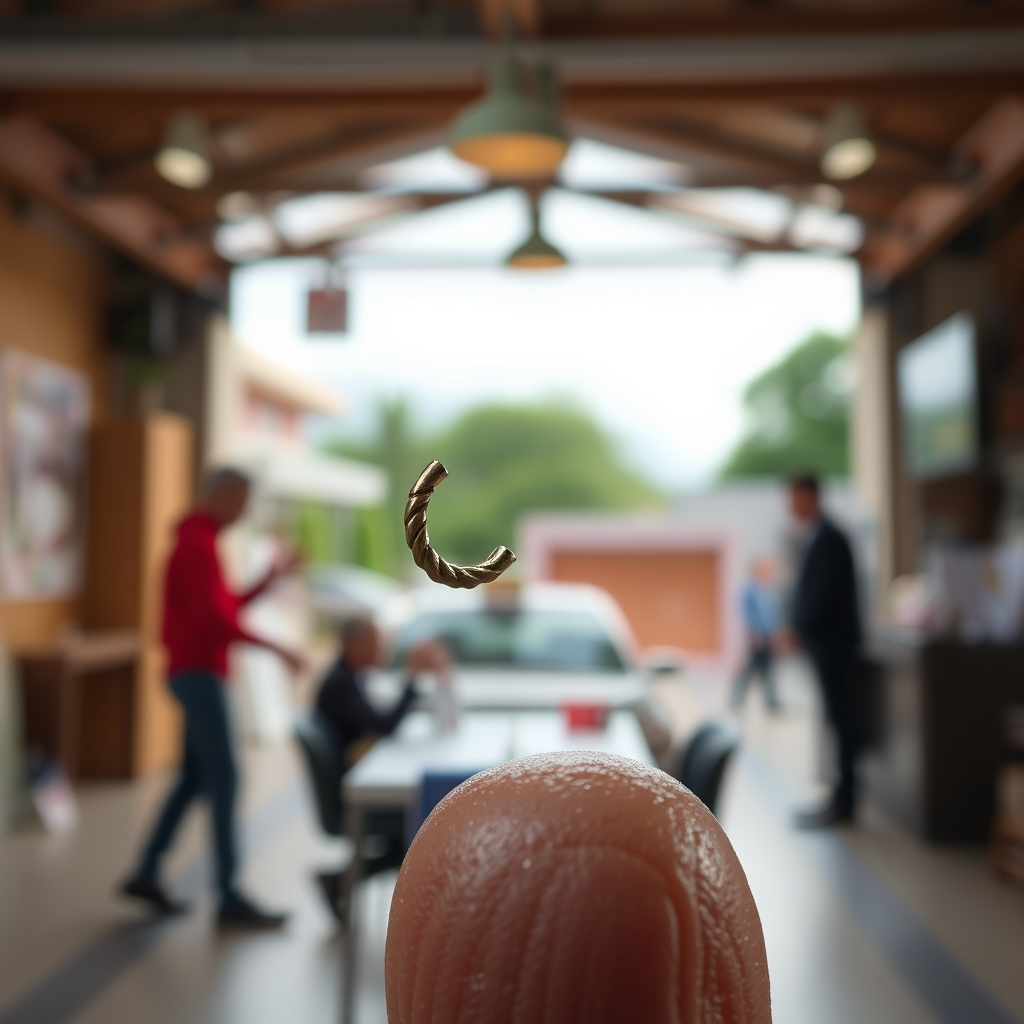
Corkscrew nose rings are uniquely shaped for a secure fit, which is one of their primary advantages. The spiral design features a pointed end that easily penetrates the piercing, while the corkscrew section holds the ring in place without the need for additional closures or clasps. This design minimizes the likelihood of losing the nose ring, making it particularly suitable for those new to nose piercings. Furthermore, the curvature of the corkscrew allows for a snug fit that can conform to the natural shape of your nostril, providing both aesthetic appeal and comfort.
Preparing for Insertion

Before you begin inserting your corkscrew nose ring, it’s essential to prepare adequately to prevent infection and ensure a smooth process. Start by washing your hands thoroughly with an antiseptic soap to eliminate any bacteria. Next, clean the corkscrew nose ring itself using an antiseptic solution or rubbing alcohol. This step is critical as it helps reduce the risk of introducing harmful germs into your piercing.
Once your hands and the ring are clean, find a well-lit area and use a mirror for better visibility. This setup will allow you to see exactly what you’re doing, which is especially important for ensuring that you insert the ring correctly into the piercing.
Inserting the Corkscrew Nose Ring
To begin the insertion process, gently hold your nostril to create an opening. This step is crucial as it helps to stretch the skin slightly, making it easier for the ring to pass through. Once you have a good grip, take the pointed end of the corkscrew nose ring and carefully insert it into the piercing hole.
When inserting the ring, it’s important to do so with a gentle, steady motion. Avoid forcing the ring, as this could cause pain or irritation. If you encounter resistance, pause, and ensure that the piercing is aligned properly with the corkscrew’s angle. The goal is to have the pointed end enter smoothly, following the natural curvature of your nostril.
Securing the Corkscrew Nose Ring
After successfully inserting the corkscrew nose ring, the next step is to secure it. Gently twist the ring to ensure it sits snugly against your nose. The corkscrew design should nestle comfortably within the piercing, providing both security and stability.
It’s essential to check that the corkscrew end is fully inside the piercing to prevent the ring from slipping out. If it feels loose, you may need to adjust the angle or depth of the insertion. A properly secured corkscrew nose ring should feel comfortable and not cause any pain or excessive pressure.
Caring for Your New Nose Ring
Once your corkscrew nose ring is in place, proper care is vital for ensuring a smooth healing process. For the first few weeks, minimize touching the ring to reduce irritation and the risk of infection. Instead, focus on maintaining cleanliness around the area.
Cleaning the piercing daily with a saline solution is highly recommended. You can create a saline solution by mixing a quarter teaspoon of non-iodized sea salt with eight ounces of warm distilled water. Soak a clean cotton ball in the solution and gently dab around the piercing site. This practice promotes healing and helps keep the area free from bacteria.
Troubleshooting Common Issues
While inserting a corkscrew nose ring is generally a straightforward process, you may encounter some common issues. If you experience pain or discomfort after insertion, it may be a sign that the ring is too tight. In this case, you can gently adjust the angle or position of the ring to relieve pressure.
If you find it difficult to insert the corkscrew nose ring, a small amount of lubricant, like petroleum jelly, can help ease the process. Apply a tiny amount to the pointed end of the corkscrew before insertion. This will allow it to slide more easily into the piercing without causing irritation.
Knowing When to Seek Help
While most corkscrew nose ring insertions go smoothly, there are instances when you should seek professional assistance. If you notice excessive redness, swelling, or discharge that persists for more than a few days, these could be signs of an infection. In such cases, it’s advisable to consult a professional piercer or a healthcare provider who can assess the situation and provide appropriate treatment.
Additionally, regular check-ups with your piercer can ensure that your piercing is healing correctly. They can offer guidance on proper aftercare and address any concerns you may have about your new nose ring.
By following these steps, you can successfully insert a corkscrew nose ring with confidence. Remember to take your time and prioritize hygiene for the best experience. Don’t hesitate to reach out to a professional if you encounter any issues along the way. With careful attention to detail and proper care, your corkscrew nose ring can enhance your style while ensuring a healthy healing process.
Frequently Asked Questions
How do I insert a corkscrew nose ring properly?
To insert a corkscrew nose ring, start by ensuring your hands and the jewelry are clean to prevent infection. Hold the corkscrew end and gently insert it through the piercing from the inside of your nostril, angling it slightly to follow the natural curve of your nostril. Once the tip emerges from the outside, gently push it all the way through until the corkscrew shape sits snugly against your nose.
What should I do if my corkscrew nose ring won’t go in?
If your corkscrew nose ring won’t go in, first check to ensure your piercing is completely healed. If it’s still tender or inflamed, give it more time to heal. You can also try using a water-based lubricant to ease the insertion. If you still encounter resistance, it’s best to consult a professional piercer who can assist you without causing damage to your piercing.
Why is my corkscrew nose ring painful to insert?
Pain during the insertion of a corkscrew nose ring can be caused by several factors, such as an unhealed piercing, swelling, or improper technique. If your piercing is still fresh, it may be sensitive, and forcing the ring could cause irritation. Always ensure you are using clean hands and jewelry, and consider waiting until the piercing is fully healed or seeking help from a professional piercer.
What is the best way to clean my corkscrew nose ring?
The best way to clean your corkscrew nose ring is to use a saline solution or a gentle, alcohol-free antiseptic. Soak a clean cotton swab or pad in the solution and gently clean the area around the piercing and the jewelry itself. Avoid using harsh chemicals or alcohol, as they can irritate the skin and the piercing, especially if it’s new.
Which materials are best for corkscrew nose rings?
The best materials for corkscrew nose rings include surgical stainless steel, titanium, and gold, as these materials are less likely to cause allergic reactions. Surgical stainless steel is hypoallergenic and durable, making it a popular choice for new piercings. Titanium is lightweight and corrosion-resistant, while gold (14k or higher) is a great option for those with sensitive skin, providing both aesthetics and comfort.
References
- Nose piercing
- https://www.ncbi.nlm.nih.gov/pmc/articles/PMC5669500/
- https://www.healthline.com/health/nose-piercing-care
- https://www.verywellhealth.com/nose-piercing-5114119
- https://www.mayoclinic.org/healthy-lifestyle/adult-health/in-depth/piercings/art-20044588
- https://www.americanacademyofdermatology.org/publications/journal-of-the-american-academy-of-dermatology
- https://www.aad.org/public/diseases/a-z/nose-piercing-safety-tips
- https://www.cdc.gov/nceh/lead/lead_in_piercings.html