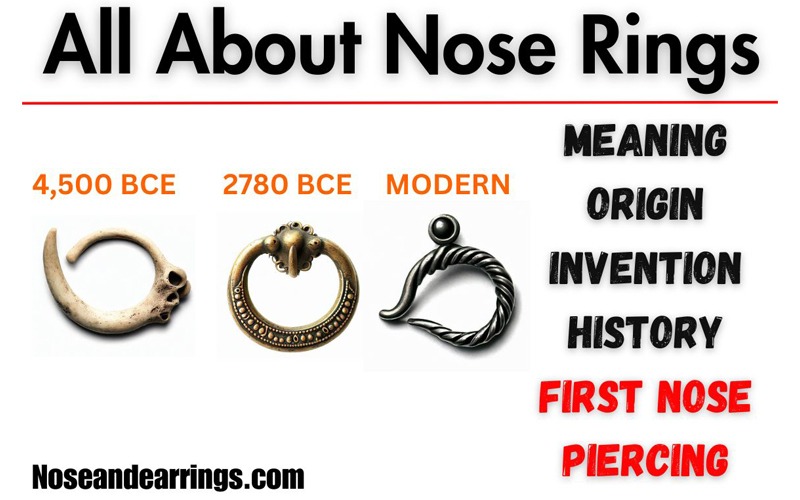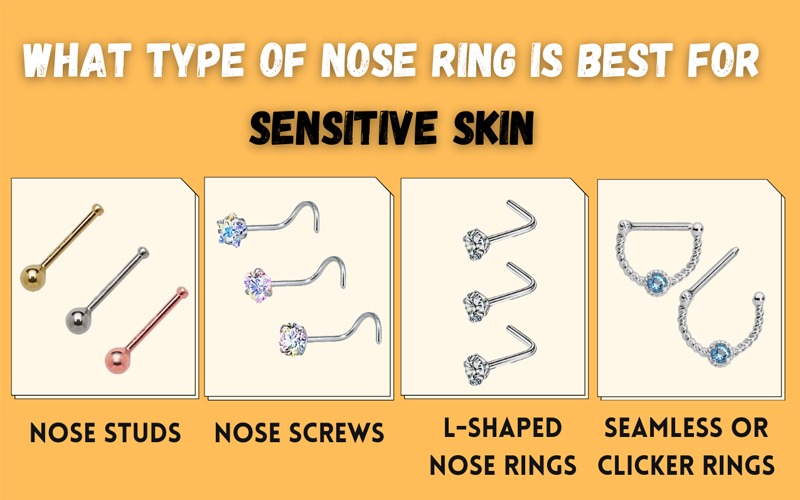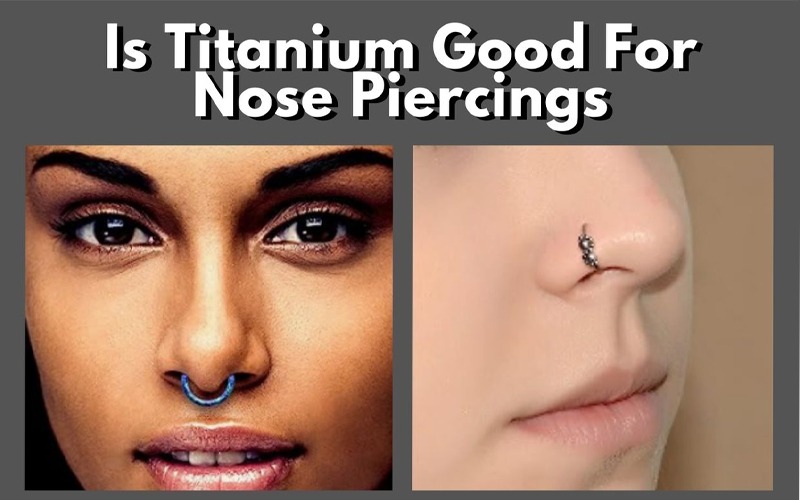
If your nose ring is causing discomfort or unusual symptoms, it may be infected. Recognizing the signs of an infection early can help prevent complications. In this article, you’ll learn the common symptoms of an infected nose ring and what steps to take if you suspect an issue. Prompt attention to these signs can not only alleviate discomfort but also safeguard your health, ensuring that minor irritations do not escalate into more severe problems.
Common Symptoms of an Infected Nose Ring
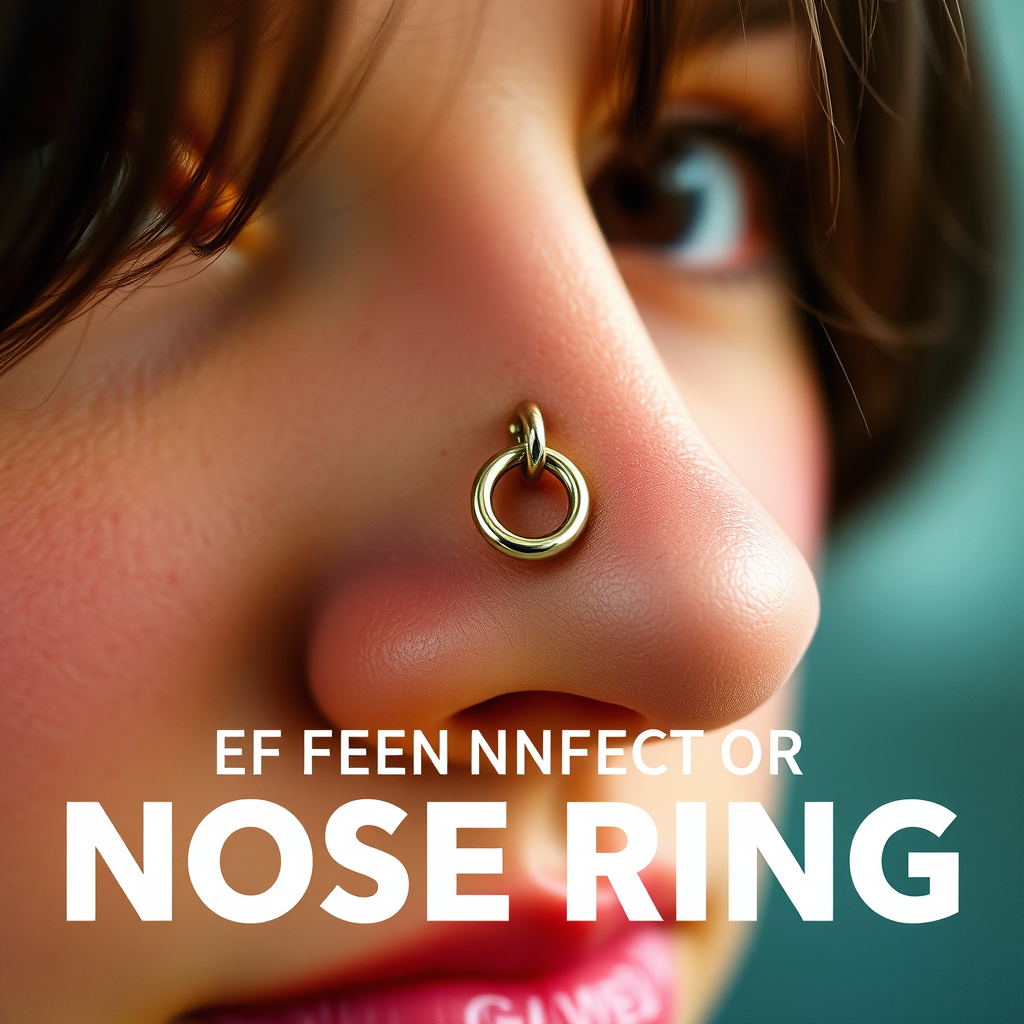
The initial indicators of an infection around a nose ring can often be subtle but are crucial to recognize. One of the most common symptoms includes redness and swelling around the piercing site. This inflammation occurs as the body responds to perceived threats from bacteria or foreign substances. Additionally, you may notice pus or discharge that may be yellow or green in color. This discharge is a result of the body’s immune response to combat infection, and its presence is a telltale sign that medical attention may be required.
It’s important to differentiate between normal healing and infection. While some redness can be expected during the healing process, pronounced redness, swelling, and discharge that varies from clear to cloudy or colored can indicate an underlying issue. If you observe these symptoms, it is advisable to monitor the situation closely.
Pain and Sensitivity
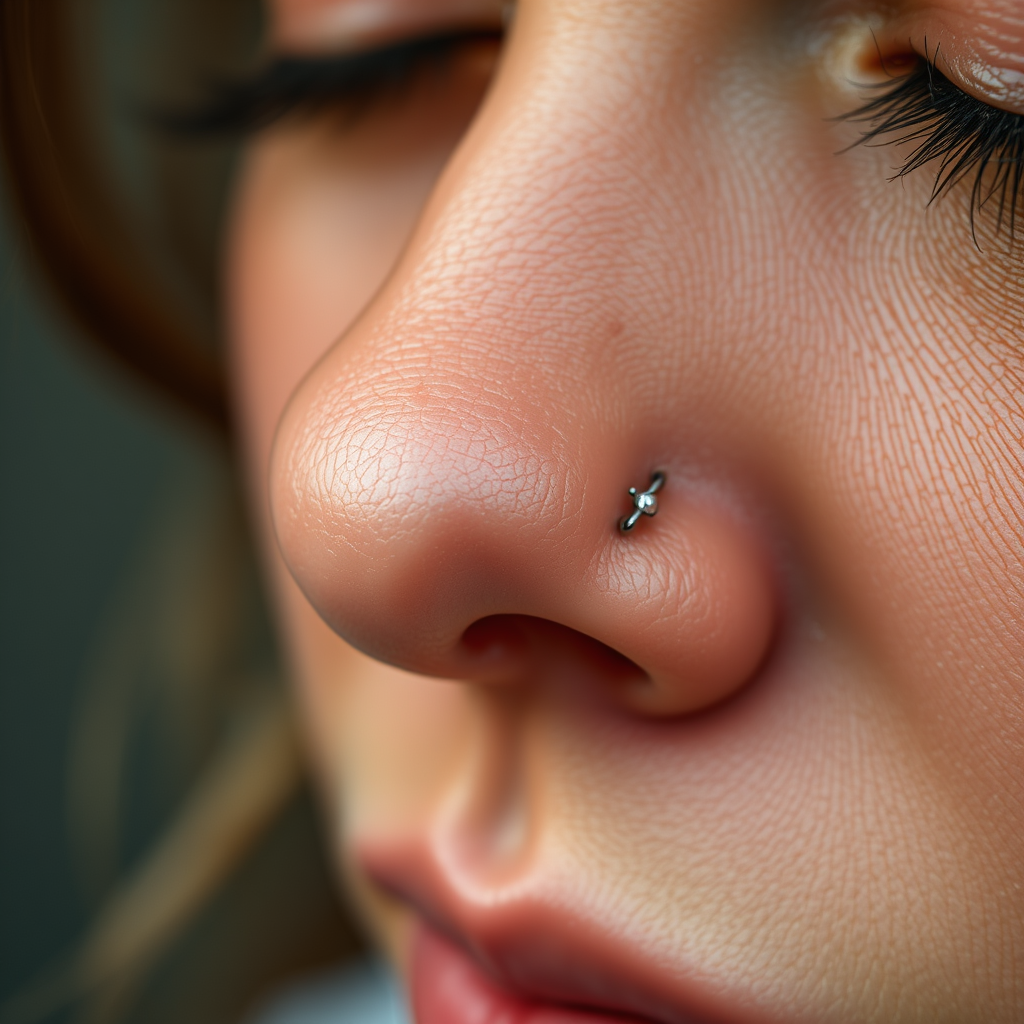
Infection often leads to increased pain or tenderness when touching the pierced area. If you find that the pain escalates, especially during regular activities such as brushing your teeth or applying skin care products, this could signal an infection. A throbbing sensation that doesn’t subside is another concerning indicator. Unlike typical discomfort experienced during the initial healing phase, pain associated with an infection tends to intensify and persist.
Moreover, if the piercing site becomes hypersensitive, even a light touch can cause significant discomfort. This increased sensitivity is a sign that inflammation and irritation are present, warranting further observation and possibly intervention.
Changes in Piercing Appearance
The appearance of your nose piercing can provide valuable insights into its health. One common sign of infection is the formation of a crust or scab on or around the ring. While some scabbing can occur as part of the healing process, excessive crusting may indicate that something is wrong. Pay attention to the texture and color of any scabs or crust—if they appear unusually thick or discolored, this may be a cause for concern.
Additionally, an unusual odor emanating from the piercing site should not be ignored. A foul smell can point to the presence of bacteria and infection. This odor may accompany other symptoms such as redness or discharge, indicating that the infection could be worsening. Regularly inspecting your piercing can help you catch these changes early, allowing for timely action.
Fever and Systemic Symptoms
In more severe cases, localized symptoms may be accompanied by systemic symptoms such as fever. The development of a fever, particularly if it exceeds 100.4°F (38°C), may indicate that the infection has spread beyond the immediate area of the piercing. Fever is a sign that the body is actively fighting an infection, and it should be taken seriously.
Coinciding with fever, you may experience general malaise or a feeling of unwellness. This includes fatigue, chills, or other flu-like symptoms. If you find yourself feeling unusually tired, achy, or experiencing other systemic symptoms alongside local signs of infection, it’s essential to seek medical advice promptly.
Self-Care Tips for an Infected Nose Ring
If you suspect that your nose ring may be infected, implementing effective self-care measures can be beneficial. Start by cleaning the area gently with a saline solution or antiseptic recommended by a professional. Saline solution can help flush out irritants while facilitating a clean environment for healing. Avoid using alcohol or hydrogen peroxide, as these can be too harsh and may exacerbate irritation.
Importantly, do not remove the jewelry. While it may seem intuitive to take it out in order to clean the area more thoroughly, doing so can trap the infection inside the wound and complicate the healing process. Instead, keep the jewelry in place and manage the infection from the outside. Additionally, avoid touching or playing with the piercing, as this can further irritate the area and introduce more bacteria.
When to Seek Professional Help
While self-care can often alleviate mild symptoms, there are times when seeking professional help is essential. If you experience persistent symptoms that do not improve within a few days, it’s crucial to consult a healthcare professional. This is particularly important if you notice severe pain or spreading redness, both of which could indicate a deeper infection requiring medical intervention.
In some cases, antibiotics may be necessary to treat the infection effectively. A healthcare provider can also assess the piercing, determine the severity of the infection, and provide guidance on the next steps. If you have any underlying health conditions that could complicate the healing process, such as diabetes or a compromised immune system, it’s wise to be proactive in seeking medical advice.
Recognizing the signs and symptoms of an infected nose ring is crucial for your health and well-being. By monitoring your piercing closely and taking timely action, you can effectively manage any potential infections. Remember to consult a healthcare professional if you are unsure or if symptoms worsen, as they can provide expert guidance tailored to your specific situation. Taking care of your piercing will help ensure that it heals properly, allowing you to enjoy your body art without complications.
Frequently Asked Questions
What are the signs that my nose ring might be infected?
Common signs of an infected nose ring include increased redness and swelling around the piercing site, persistent pain or tenderness, discharge of yellow or green pus, and a warm sensation on the skin. If you notice any of these symptoms, it’s important to monitor the area closely, as these can be indicators of infection requiring prompt attention.
How can I tell the difference between an allergic reaction and an infection in my nose piercing?
An allergic reaction typically presents with itching, rash, and inflammation, often occurring shortly after getting the piercing or changing jewelry, especially if it’s made from non-hypoallergenic materials. In contrast, an infection will usually involve more severe symptoms like pus, warmth, and increased pain. If you’re unsure, consulting a professional piercer or healthcare provider is advisable for a proper diagnosis.
Why is my nose piercing oozing clear fluid, and should I be concerned?
Oozing clear fluid can be a normal part of the healing process, especially in the first few weeks after getting the piercing. However, if the fluid is excessive, accompanied by redness, swelling, or a foul odor, it may indicate an infection. In such cases, it’s best to seek advice from a medical professional to determine the appropriate treatment.
What should I do if I suspect my nose ring is infected?
If you suspect your nose ring is infected, the first step is to clean the area gently with saline solution or a mild antiseptic recommended for piercings. Avoid removing the jewelry, as this can trap bacteria inside. If the symptoms persist or worsen, consult with a healthcare provider for potential antibiotics or further care to prevent complications.
Which types of jewelry are best to avoid if I have a sensitive nose piercing?
To minimize the risk of infection or allergic reactions, it’s best to avoid jewelry made from nickel, brass, or other non-hypoallergenic materials. Opt for high-quality options like surgical stainless steel, titanium, or gold that are less likely to cause irritation. Always ensure that your jewelry is specifically designed for body piercings to promote healing and reduce complications.
References
- https://www.healthline.com/health/nose-piercing-infection
- https://www.ncbi.nlm.nih.gov/pmc/articles/PMC5851325/
- https://www.mayoclinic.org/diseases-conditions/piercing-infection/symptoms-causes/syc-20366340
- https://www.cdc.gov/niosh/topics/piercing/
- https://www.webmd.com/beauty/nose-piercing-infection-symptoms-treatment
- https://www.aafp.org/pubs/afp/issues/2002/1101/p1703.html