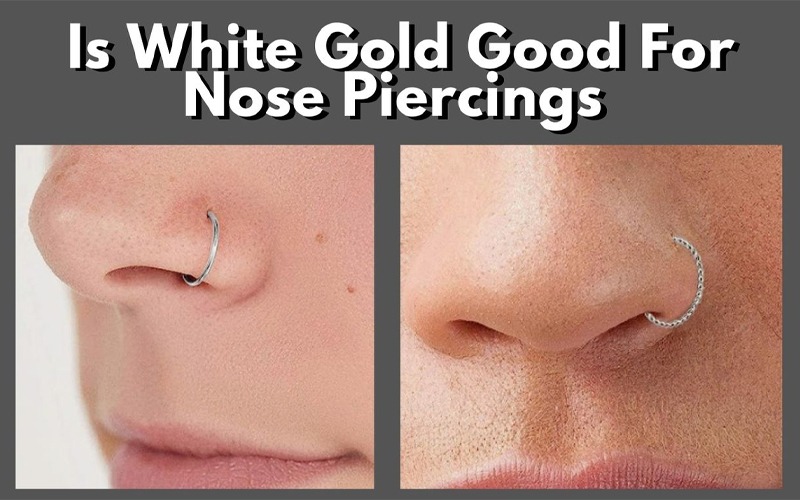
Putting in a twisted nose ring can be a bit challenging, but with the right technique, you can do it easily and safely. This guide will provide you with detailed, step-by-step instructions to ensure you insert your nose ring correctly and comfortably, minimizing any risk of irritation or injury.
Choosing the Right Twisted Nose Ring

The foundation of a successful nose ring insertion begins with selecting the right piece of jewelry. First, consider the size and gauge of the ring relevant to your piercing. Typically, nose rings are available in gauges ranging from 20 to 18, with 20 being thinner than 18. If you’re unsure about your piercing’s gauge, consult with your piercer for accurate measurements.
Next, the material of the nose ring is crucial, especially for individuals with sensitive skin. Opt for hypoallergenic materials such as surgical steel, titanium, or niobium, which are less likely to cause allergic reactions. Avoid jewelry made from nickel, as it can lead to irritations and discomfort. Your choice of material not only affects comfort but also the longevity and aesthetic appeal of your nose ring.
Preparing for Insertion

Preparation is key to a smooth insertion process. Begin by washing your hands thoroughly with soap and water to eliminate any potential bacteria that could lead to infection. This step is non-negotiable, as cleanliness is paramount when handling body piercings.
Once your hands are clean, it’s essential to sanitize the nose ring itself. Use alcohol wipes or a saline solution to clean the twisted nose ring. This will ensure that any contaminants on the jewelry are removed, significantly reducing the risk of infection when you insert it. Allow the ring to dry completely before proceeding to the next step.
Inserting the Twisted Nose Ring
Now that you are properly prepared, it’s time to insert the twisted nose ring. Begin by holding the nose ring in one hand. With your other hand, gently pinch your nostril to open the piercing. This action will create a larger opening, making it easier to align and insert the jewelry.
Carefully align the twisted end of the ring with the piercing hole. With a gentle push, insert the twisted end through the hole until it feels secure. Be mindful not to force it; if you encounter resistance, pause and check the alignment. Forcing the ring can lead to pain or injury, so patience is essential during this step.
Adjusting the Ring
After successfully inserting the nose ring, it’s time to adjust it for comfort and style. Gently rotate the ring slightly to ensure it sits comfortably in your nostril. A properly positioned ring should not cause discomfort or irritation.
Make sure the twisted part of the ring is facing outward, as this not only enhances the visual appeal but also allows for easy cleaning. Adjusting the ring properly can also help in minimizing any potential snagging on clothes or other surfaces, further protecting your piercing during the healing process.
Caring for Your Piercing
Caring for your new piercing is crucial in preventing complications. Clean the area around your nose piercing daily using saline solution or a mild, non-alcoholic antiseptic. This routine helps to remove any bacteria or debris that can accumulate and cause irritation or infection.
It’s important to avoid touching or playing with the nose ring during the healing process. Not only can touching introduce bacteria, but it can also disrupt the healing tissue. Be mindful to avoid sleeping on the side of your piercing and refrain from using harsh cosmetics or facial products around the area until it has fully healed.
Troubleshooting Common Issues
Even with the best preparation and care, some issues may arise when inserting or wearing a twisted nose ring. Common problems include pain or swelling, which could indicate that the ring is too tight or that there is an underlying infection. If you experience persistent pain or swelling, consider removing the ring and consulting a professional piercer for advice.
Additionally, check to ensure that your nose ring is not too loose, as this can lead to it falling out or getting caught on clothing. A well-fitted nose ring should be snug but not overly tight. Regularly assess the fit and adjust as necessary to maintain comfort.
When to Seek Professional Help
If you find yourself struggling with inserting the ring or encounter signs of infection, such as redness, pus, or increased pain, it’s essential to seek professional help. A qualified piercer can provide assistance and guidance tailored to your specific situation, ensuring that you do not inadvertently cause further harm to your piercing.
Consulting a professional is also advisable if you’re uncertain about the insertion process or how to care for your new jewelry. Their expertise can help alleviate any concerns and provide you with the confidence to manage your piercing safely.
Successfully putting in a twisted nose ring requires attention to detail and adherence to proper hygiene practices. By following the outlined steps carefully, you can enjoy a smooth and safe experience. Remember to maintain proper care for your piercing to avoid complications and keep it looking its best. If you have any concerns or questions, don’t hesitate to reach out to a professional piercer for assistance.
Frequently Asked Questions
How do I properly insert a twisted nose ring without causing pain?
To insert a twisted nose ring comfortably, begin by washing your hands thoroughly and ensuring the nose ring is clean. Hold the twisted ring by the ends and gently slide the straight end into the piercing, angling it slightly to follow the natural curve of your nostril. If you experience resistance or pain, stop and ensure the piercing is clear of any blockage or crusting; using a saline solution can help ease the process.
What is the best technique for putting in a twisted nose ring?
The best technique for putting in a twisted nose ring involves first aligning the ring with your piercing. Grip the ring firmly and twist it slightly while inserting it into the hole, as this can help accommodate the ring’s shape. Additionally, it may be beneficial to use a lubricant like saline solution to reduce friction and make the insertion smoother.
Why is my twisted nose ring difficult to insert?
A twisted nose ring may be difficult to insert for several reasons, including swelling, healing tissue, or improper ring size. If your piercing is still healing, it can be sensitive and swollen, making insertion harder. Consider waiting until your piercing is fully healed before attempting to change the jewelry, and ensure that the ring is the correct gauge for your piercing.
Which type of twisted nose ring is easiest to put in?
The easiest type of twisted nose ring to put in is typically a seamless ring or one with a flexible design. Seamless rings have a smooth edge that minimizes irritation during insertion, while flexible designs can slightly adjust to fit the shape of your piercing, making the process more comfortable. Always choose jewelry made from high-quality materials like titanium or surgical steel to reduce the risk of allergic reactions.
What should I do if my twisted nose ring won’t go in?
If your twisted nose ring won’t go in, first ensure that your hands and the jewelry are clean to prevent infection. Try gently rotating the ring while applying a small amount of saline solution to lubricate the piercing. If the ring still won’t fit, avoid forcing it; instead, consult a professional piercer to assess the situation and ensure your piercing is healthy and accommodating to the jewelry.
References
- https://www.wikihow.com/Put-in-a-Nose-Ring
- https://www.ncbi.nlm.nih.gov/pmc/articles/PMC3998251/
- https://www.healthline.com/health/nose-piercing-care
- https://www.mayoclinic.org/healthy-lifestyle/adult-health/in-depth/body-piercing/art-20045320
- https://www.verywellhealth.com/nose-piercing-5180662