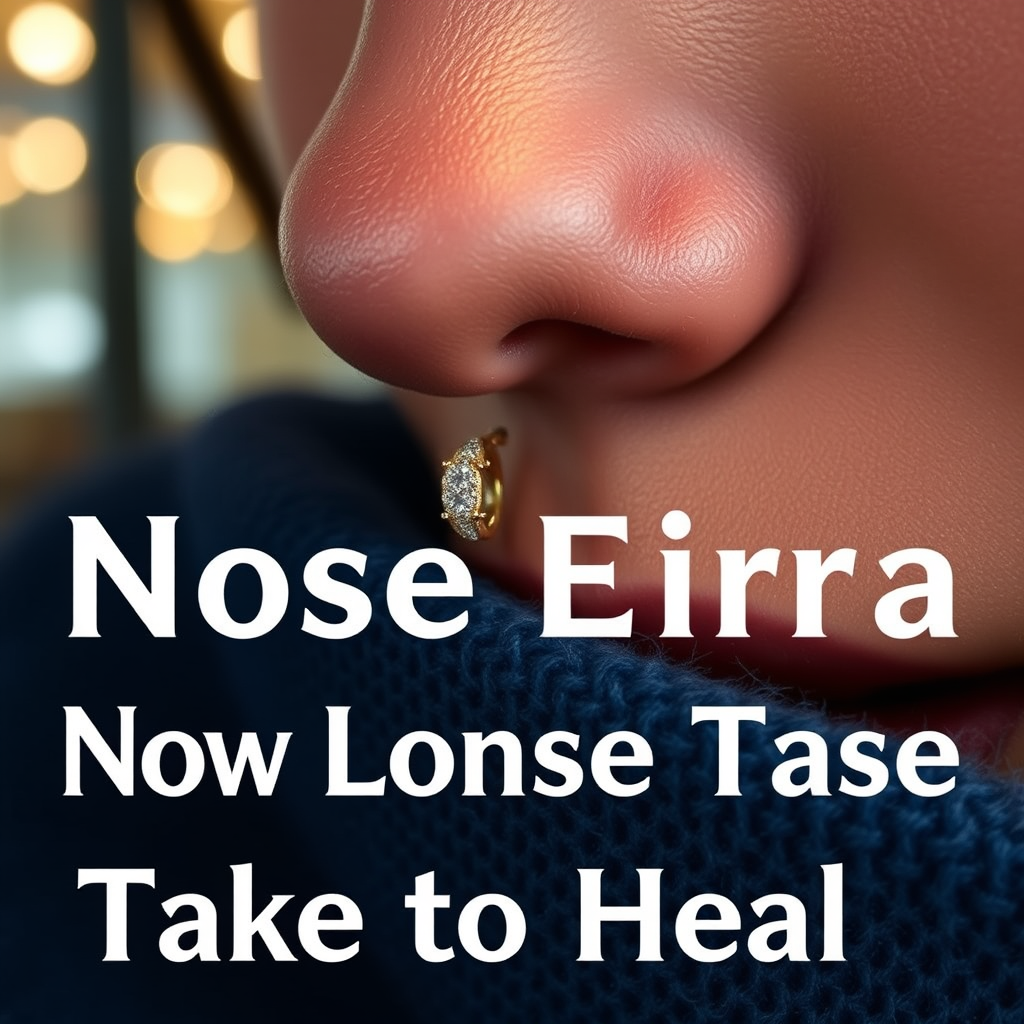
Healing time for a nose ring typically ranges from 4 to 6 months, depending on various factors such as the individual’s skin type, aftercare practices, and jewelry material. Understanding this timeline is crucial for anyone considering a nose piercing, as it can influence decisions regarding aftercare and jewelry choices. In this article, you’ll learn about the healing process, factors that influence healing time, and best practices for ensuring a smooth recovery.
Understanding the Healing Process

The body undergoes a natural healing response after a piercing, which includes initial swelling and tenderness around the area. This is part of the body’s defense mechanism, where blood flow increases to the site of injury to aid in recovery. Typically, the healing process for a nose ring can be divided into several stages: inflammation, proliferation, and maturation.
During the inflammation stage, which lasts from a few days to a week, the area may appear red and feel warm. Swelling and tenderness are common, and it’s critical to avoid unnecessary manipulation of the jewelry during this time. Following this, the proliferation phase begins, where new tissue starts to form, usually taking several weeks. The final maturation phase can last several months, where the piercing fully heals and the skin strengthens around it.
Also, different types of nose piercings—such as nostril or septum piercings—may have varying healing durations. For instance, septum piercings may heal slightly faster due to their location in the cartilage rather than soft tissue.
Factors Influencing Healing Time
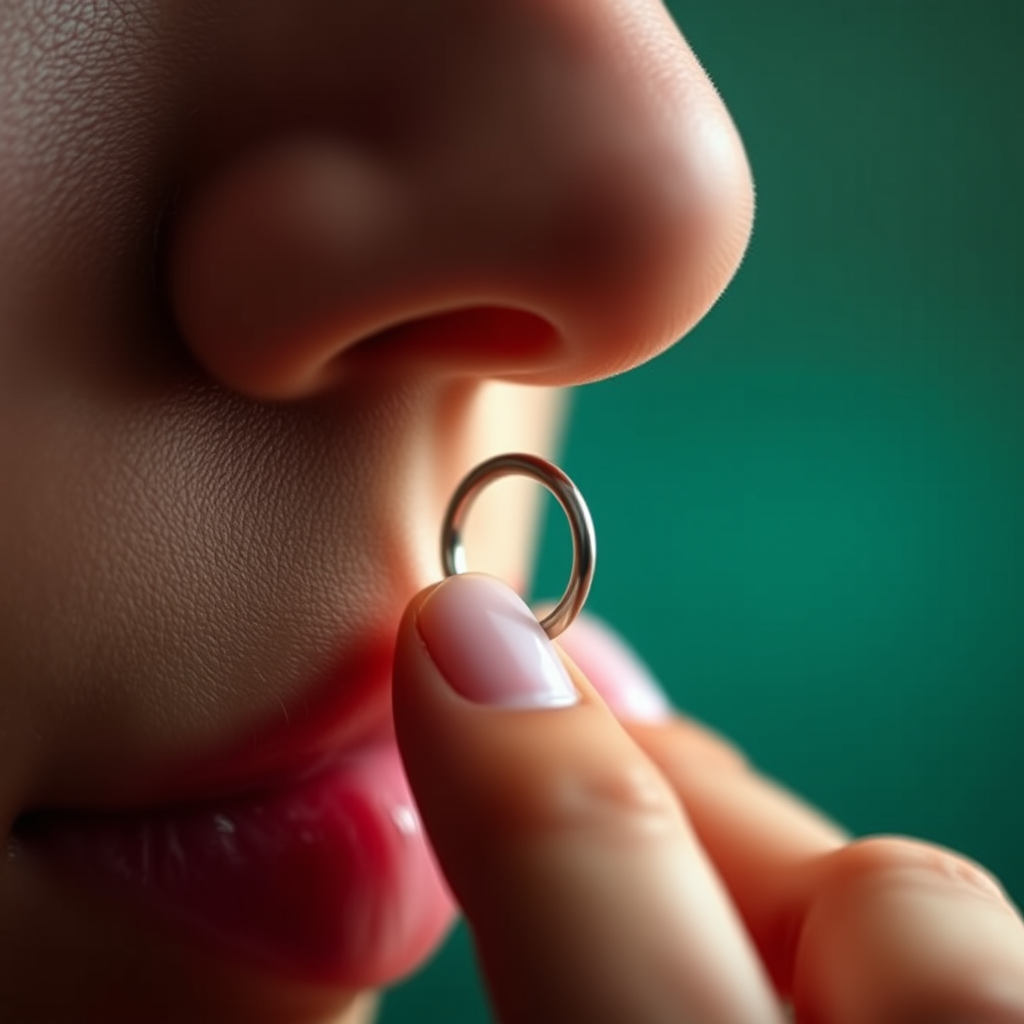
Several individual factors can significantly influence how long it takes for a nose ring to fully heal. Skin type plays a crucial role; individuals with oily or sensitive skin may experience longer healing times due to increased irritation or acne formation around the piercing. Age is another factor, as younger individuals generally have more robust healing capabilities. Overall health also affects healing; those with compromised immune systems or chronic conditions may find their healing process slower than average.
The material of the jewelry is equally important. Hypoallergenic materials such as titanium or surgical stainless steel are less likely to cause allergic reactions compared to cheaper metals, which can contain nickel and other allergens that may irritate the piercing. Opting for high-quality jewelry not only promotes faster healing but also minimizes the risk of complications.
Signs of Healing vs. Infection
Recognizing the difference between normal healing signs and signs of infection is paramount for anyone with a new nose piercing. Normal healing may present as slight redness and tenderness, but these symptoms should gradually diminish over time. A slight discharge may also occur, which is typically clear or light yellow in color and normal during the healing process.
In contrast, signs of infection can include increased pain, swelling that does not subside, pus or other unusual discharge, and persistent redness that spreads beyond the initial site. If you experience fever or chills along with these symptoms, it is essential to seek medical attention immediately. Being aware of these indicators can help you act quickly and avoid serious complications.
Best Aftercare Practices
Proper aftercare is essential for ensuring a smooth healing process for your nose ring. Regular cleaning of the piercing is crucial; using a saline solution made from a mixture of non-iodized sea salt and distilled water is often recommended. Cleaning should be done once or twice a day, with gentle application to avoid excessive irritation.Additionally, it is vital to avoid touching or changing the jewelry until the piercing is fully healed. Excessive handling can introduce bacteria and lead to infection, while changing jewelry too early may cause trauma to the healing tissue. If you feel the need to adjust the jewelry, consult with a professional piercer who can provide guidance.
Common Mistakes to Avoid
While it is essential to maintain cleanliness, over-cleaning your piercing can disrupt the natural healing process. Many people mistakenly believe that more frequent cleaning will speed up recovery, but this can lead to dryness and irritation. Instead, follow a regular schedule and allow your body to do its work.
Using harsh chemicals such as alcohol or hydrogen peroxide should also be avoided, as these can dry out the skin and delay healing. Stick to gentle, recommended cleaning solutions, and avoid abrasive materials that may irritate the piercing site.
When to Consult a Professional
If you notice symptoms of infection or if your healing time extends beyond the expected timeframe of 4 to 6 months, it is crucial to seek advice from a professional piercer or healthcare provider. Regular check-ins with your piercer can be invaluable; they can assess the healing progress, provide personalized aftercare tips, and address any concerns you may have.
Additionally, if you experience persistent pain or any unusual symptoms, do not hesitate to contact a medical professional who can evaluate the situation and offer appropriate treatment options.
Understanding the healing time for a nose ring is essential for a successful piercing experience. By following proper aftercare and being aware of potential issues, you can ensure your nose ring heals effectively. Remember to consult a professional if you have any concerns, and enjoy your new look!
Frequently Asked Questions
How long does it typically take for a nose ring to heal?
The healing time for a nose ring generally ranges from 2 to 4 months, depending on individual factors such as skin type, aftercare practices, and the specific location of the piercing. During this period, it’s crucial to maintain proper hygiene and follow your piercer’s aftercare instructions to ensure a smooth healing process and minimize the risk of infections.
What factors can affect the healing time of a nose ring?
Several factors can influence the healing time of a nose ring, including the type of jewelry used, your overall health, and your body’s natural healing abilities. Additionally, exposure to irritants like makeup or harsh skincare products, as well as activities that may cause trauma to the piercing (like sleeping positions or sports), can prolong the healing process.
How can I speed up the healing process of my nose ring?
To expedite the healing process of your nose ring, ensure you clean the area regularly with saline solution or a gentle saline spray recommended by your piercer. Avoid touching or twisting the jewelry unnecessarily, and steer clear of swimming pools, hot tubs, or any other water sources that can introduce bacteria. Maintaining a healthy diet and staying hydrated can also support your body’s healing efforts.
Why is my nose ring still sore after several weeks?
If your nose ring remains sore after several weeks, it could be a sign of irritation or infection. Common causes include using non-hypoallergenic jewelry, excessive touching or cleaning of the piercing, or not following proper aftercare. If the soreness persists or is accompanied by other symptoms like redness or discharge, it’s advisable to consult your piercer or a healthcare professional for guidance.
What type of jewelry is best for a new nose ring?
For a new nose ring, it’s best to choose jewelry made from high-quality materials such as titanium, surgical stainless steel, or niobium, as these are hypoallergenic and less likely to cause irritation during the healing process. Avoid materials like gold plating or acrylic, as they can harbor bacteria and increase the risk of complications. Always consult with your professional piercer to select the most suitable jewelry for your needs.
References
- Body piercing
- https://www.ncbi.nlm.nih.gov/pmc/articles/PMC6111020/
- Fewer Major Bleeds with Edoxaban Than with Warfarin, but Treatment Benefit Unclear | AAFP
- https://www.healthline.com/health/body-piercing-healing-time
- Eye Piercings: Types, Risks, and Care
- https://www.webmd.com/beauty/body-piercing-healing-time
- https://www.mayoclinic.org/diseases-conditions/piercing-infection/symptoms-causes/syc-20407440