Changing your nose stud to a ring is typically safe after 6 to 8 weeks of healing, but it’s essential to ensure that your piercing is fully healed before making the switch. This transition is a common consideration for many individuals who want to refresh their look or try a different style. However, understanding the nuances of healing times, recognizing signs of readiness, and knowing how to choose and care for your new jewelry is crucial for a smooth and successful change.
Understanding Healing Times

Most nose piercings take about 6 to 8 weeks to heal, but this timeframe can vary significantly depending on several factors. Individual healing can be influenced by skin type, aftercare practices, and lifestyle choices. For instance, individuals with sensitive skin may require a longer healing period due to potential reactions to the jewelry or environmental factors.
Moreover, the aftercare routine plays a pivotal role in the healing process. Proper aftercare, which includes cleaning the piercing regularly with saline solutions and avoiding irritants, can expedite healing. Lifestyle factors such as smoking, excessive alcohol consumption, or exposure to irritants can also prolong healing times. Therefore, it is essential to consider these variables and consult with a professional piercer if you have any concerns regarding your specific healing timeline.
Signs Your Piercing is Healed
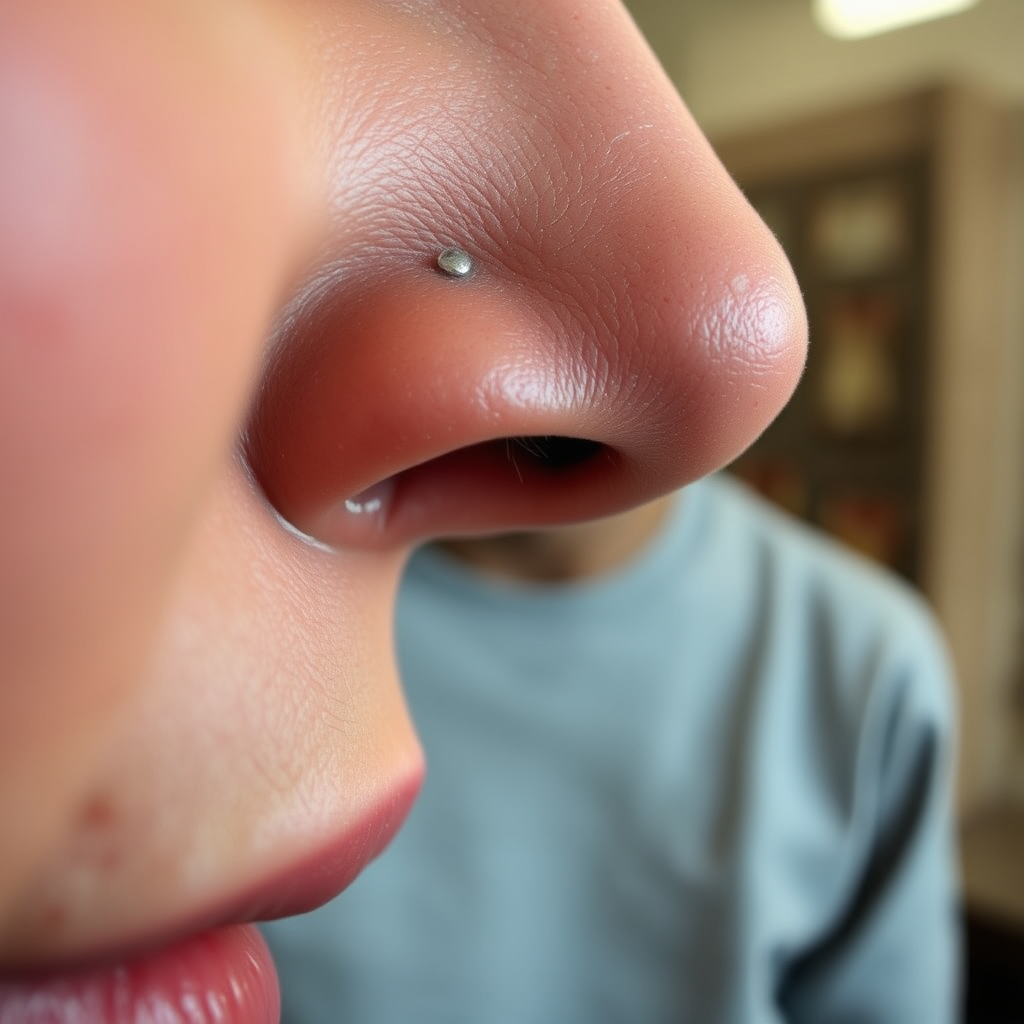
Before changing your nose stud to a ring, it is imperative to confirm that your piercing is fully healed. Look for a reduction in swelling and redness; an ideal healed piercing should exhibit minimal to no inflammation. Additionally, the absence of discharge or irritation around the piercing site is a positive indicator.
Other signs of a healed piercing include the formation of a smooth hole with no crusting or scabbing. If you experience any persistent pain, unusual discharge, or significant changes in color, it’s crucial to refrain from changing your jewelry and seek advice from a professional piercer or healthcare provider. Listening to your body is essential throughout this process to avoid complications.
Choosing the Right Type of Ring
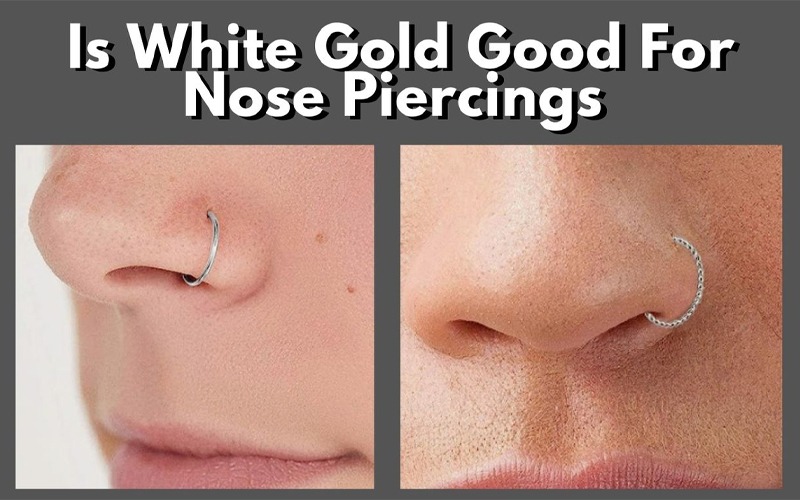
When selecting a ring to replace your nose stud, it is essential to consider the material and style to avoid allergic reactions and ensure comfort. High-quality materials such as surgical steel, titanium, and gold are preferred, as they are less likely to cause irritation or allergies.
In terms of style, you can choose from various options, including hoop rings, captive bead rings, or seamless rings. Each style has its unique aesthetic and practical considerations. For example, hoop rings can offer a bold look, while captive bead rings are versatile and easy to wear. Consider your personal style and comfort level when selecting the perfect ring, as this will influence how often you wear it and how satisfied you will be with the change.
Steps to Change Your Nose Stud to a Ring
Changing your nose stud to a ring should be done with care to ensure the process is smooth and hygienic. Begin by cleaning the area thoroughly with a saline solution or antiseptic to minimize the risk of infection.
Next, gently remove the stud by unscrewing or gently pulling it out, depending on its design. It’s crucial to be gentle to avoid damaging the piercing. After removing the stud, take the new ring and ensure it is aligned properly before inserting it into the piercing. If your ring has a closure mechanism, ensure it is secure once inserted.
If you encounter resistance while inserting the ring, do not force it, as this could cause trauma to the piercing. Instead, take a moment to relax and ensure you are not experiencing any swelling or irritation before proceeding.
Aftercare Tips Post-Change
Post-change aftercare is vital to ensure that your new jewelry settles properly and to prevent infection. Continue cleaning the area daily with saline solution or an antiseptic, as you would have done during the initial healing period.
It’s also important to avoid touching or playing with the jewelry, as this can introduce bacteria and cause irritation. If you feel any discomfort or notice changes such as redness or swelling, consult with a professional to address any potential issues promptly. Regularly check the fit of the ring and ensure it remains secure without being too tight, as this can impact healing and comfort.
Common Mistakes to Avoid
One significant mistake to avoid is changing your jewelry too early. Patience is key; swapping out your stud for a ring before the piercing is fully healed can lead to complications such as infections or prolonged healing times.
Another common mistake is using jewelry made from inappropriate materials. Always prioritize high-quality, hypoallergenic materials to prevent allergic reactions or irritation. Additionally, not following proper aftercare protocols post-change can lead to issues that could have otherwise been easily avoided.
Maintaining proper care and being patient during the healing process is key to successfully changing your nose stud to a ring. If you’re unsure about your piercing’s readiness, consult with a professional piercer. Enjoy your new look and express your style with confidence!
Frequently Asked Questions
When is the right time to change my nose stud to a ring?
The ideal time to change your nose stud to a ring is typically after your piercing has fully healed, which usually takes about 6 to 8 weeks for nostril piercings. However, healing times can vary based on individual factors such as skin type and aftercare practices, so it’s essential to ensure there is no pain, redness, or discharge before making the switch. Consulting with your piercer can provide personalized guidance based on your healing progress.
How do I know if my nose piercing is healed enough to switch to a ring?
To determine if your nose piercing is healed enough to switch to a ring, look for signs of complete healing, such as the absence of swelling, redness, and tenderness. If the piercing feels comfortable, and there are no signs of infection, you can consider changing to a ring. It’s best to consult your professional piercer, who can assess the healing and advise you on the transition.
What type of nose ring is best for sensitive skin?
For sensitive skin, the best type of nose ring is made from hypoallergenic materials like titanium, surgical stainless steel, or niobium. These materials are less likely to cause allergic reactions and are generally more suitable for healing piercings. Avoid inexpensive jewelry made from nickel or other irritants, as they can lead to inflammation or allergic responses.
Why is it important to wait before changing from a stud to a ring?
Waiting before changing from a stud to a ring is crucial because premature changes can disrupt the healing process, leading to complications such as infections or piercing migration. A nose stud typically stabilizes the piercing during healing, while a ring can move more freely, increasing irritation. Allowing sufficient time for healing ensures that your body has adequately formed tissue around the piercing, reducing the risk of issues.
Which aftercare steps should I follow before and after changing to a nose ring?
Before changing to a nose ring, ensure your piercing is fully healed and clean. Clean the area with a saline solution or antiseptic, and wash your hands thoroughly. After changing to the ring, continue to care for your piercing by cleaning it daily with saline solution, avoiding harsh chemicals, and refraining from touching or twisting the jewelry. Monitoring for any signs of irritation or infection is also essential during this transition period.
References
- https://www.ncbi.nlm.nih.gov/pmc/articles/PMC6610215/
- https://www.healthline.com/health/nose-piercing-care
- https://www.medicalnewstoday.com/articles/nose-piercing-care-tips
- https://www.mayoclinic.org/healthy-lifestyle/adult-health/in-depth/piercings/art-20046367
- https://www.verywellhealth.com/nose-piercing-care-5082048