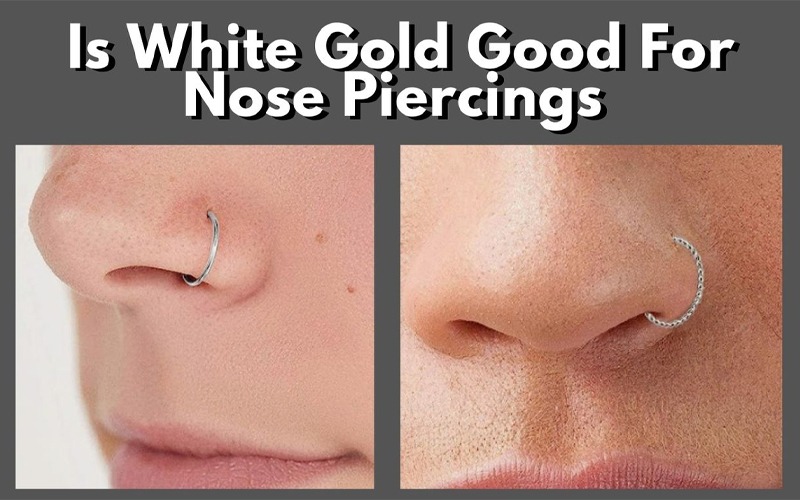
Putting in a nose ring stud is relatively straightforward if you follow the right steps and take the necessary precautions. This guide will walk you through the process, ensuring that you can safely and comfortably insert your nose ring stud without complications. By understanding the anatomy of your piercing, choosing the right materials, and adhering to proper hygiene protocols, you’ll be on your way to successfully wearing your new jewelry with confidence.
Understanding Your Nose Piercing
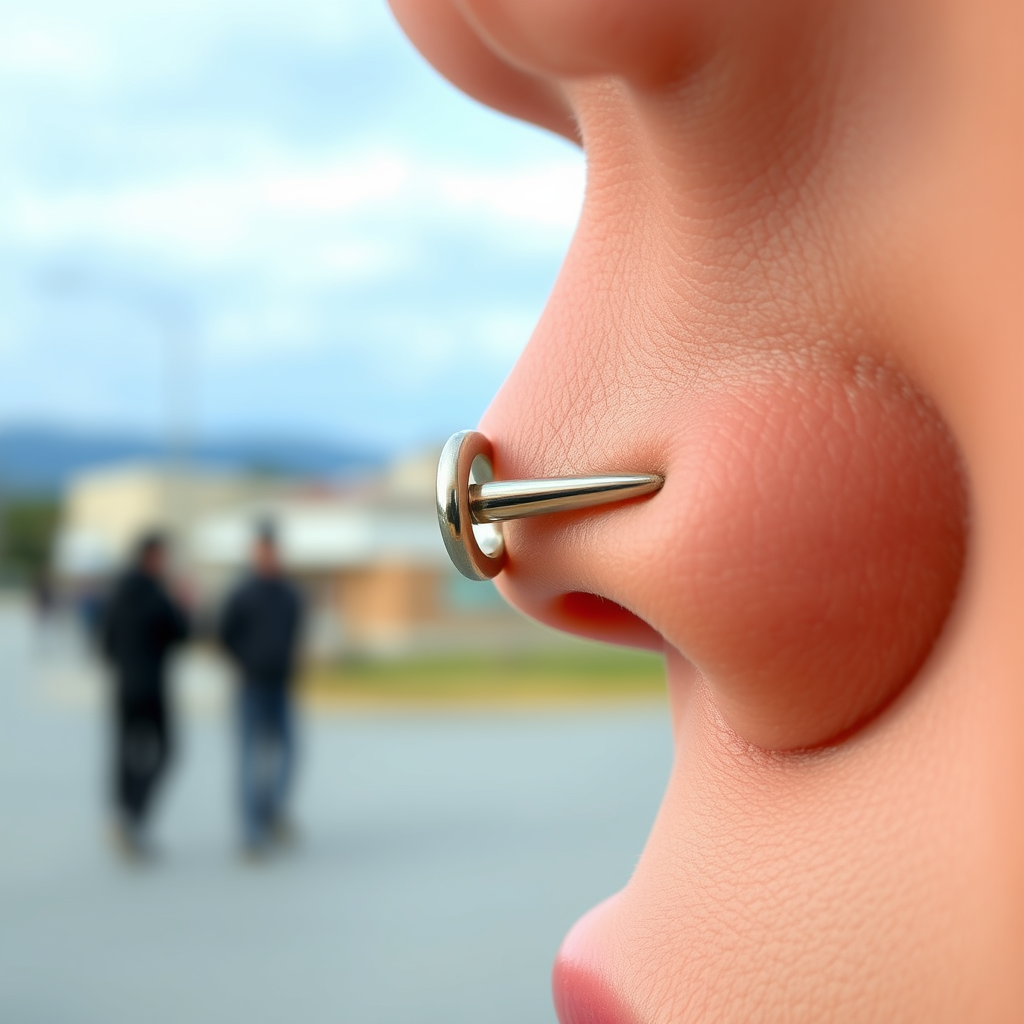
Before attempting to insert a nose ring stud, it’s crucial to understand the anatomy of your nose piercing. The nostril is composed of delicate skin and cartilage, which means sensitivity and proper care are paramount. Familiarizing yourself with the location and healing process of your piercing can help you avoid discomfort. Typically, nostril piercings take anywhere from 4 to 6 months to fully heal. Attempting to change your jewelry before the piercing is completely healed can lead to irritation, infection, or even the piercing closing up. Always wait until your piercing is free of redness, swelling, and discharge before moving on to the next step.
Choosing the Right Nose Ring Stud

Selecting the right nose ring stud is essential for comfort and long-term wear. Opt for materials that are hypoallergenic, such as titanium or surgical stainless steel, which minimize the risk of allergic reactions and skin irritation. Additionally, consider the design of the stud; a simple stud with a flat back or a screw end can help secure it in place and prevent it from falling out. Another key factor is the gauge size, which refers to the thickness of the jewelry. For nostril piercings, a gauge size of 20 to 18 is typically standard. Make sure to consult with your piercer if you are uncertain about the appropriate size.
Preparing for Insertion
Proper preparation is vital in ensuring a smooth insertion process. Begin by washing your hands thoroughly with soap and water to prevent introducing bacteria into your piercing. Next, clean the area around your nose and the nose ring stud with a saline solution or an alcohol wipe. This step is crucial as it helps to eliminate germs and reduces the risk of infection. Additionally, you might want to have a mirror in front of you for better visibility during the insertion process. Having everything ready will help the process go more smoothly and efficiently.
Inserting the Nose Ring Stud
Once you’ve prepared adequately, it’s time to insert the stud. Gently hold your nose steady with one hand to minimize movement. With your other hand, take the stud and position it at the back of the piercing, aiming to push it through from the back to the front. It’s essential to be gentle and not force the stud, as doing so can cause pain or damage to the piercing. If you encounter any resistance, stop and assess the situation; re-evaluating your approach is better than risking injury. Once the stud is through, ensure that the ball or screw end is secure and not loose, as this can lead to the jewelry falling out.
Aftercare Tips
After successfully inserting your nose ring stud, proper aftercare is vital to promote healing and prevent complications. Avoid touching your new piercing with dirty hands, as this can introduce bacteria and lead to infections. Clean your nose piercing regularly, ideally twice a day, with a saline solution. Avoid using harsh chemicals or alcohol as they can dry out the piercing and cause irritation. It’s also advisable to refrain from swimming in pools or hot tubs until your piercing is fully healed, as these environments can harbor bacteria that may infect your piercing.
Troubleshooting Common Issues
During the initial period after inserting your nose ring stud, you may encounter some common issues. If you experience excessive pain or swelling, it’s important to seek advice from a professional piercer. They can assess the situation and provide guidance on whether you need to remove the stud or if there are any underlying issues that need addressing. If your stud feels loose, check the secure fitting and make necessary adjustments. It’s important to ensure that your jewelry is not too tight or too loose, as this can lead to complications.
When to Seek Professional Help
While many individuals successfully insert their nose ring studs without complications, there are times when it’s prudent to seek professional assistance. Recognizing the signs of infection is crucial; these may include increased redness, swelling, warmth around the piercing, or unusual discharge. If you notice any of these symptoms, consult a healthcare provider or your piercer for advice. Additionally, if you find yourself uncomfortable with inserting the stud, do not hesitate to visit a professional piercer for help. Their expertise can provide peace of mind and ensure that your piercing remains healthy.
To successfully put in a nose ring stud, it’s essential to follow these steps carefully, ensuring proper hygiene and aftercare. With the right preparation and technique, you can easily achieve a new look while keeping your piercing healthy. Remember to choose the appropriate materials, maintain cleanliness, and monitor for any potential issues. If you have any uncertainties or concerns, don’t hesitate to reach out to a professional for guidance. This approach will not only enhance your experience but also contribute to the longevity and health of your nose piercing.
Frequently Asked Questions
How do I prepare for putting in a nose ring stud?
Before putting in a nose ring stud, it’s important to ensure your hands and the jewelry are clean to prevent infection. Gather your tools, such as a mirror, saline solution, and possibly a pair of gloves. If your piercing is new, make sure it’s fully healed, which typically takes 2-4 months for nostril piercings. Using a saline solution can help cleanse the area and reduce irritation.
What is the best technique for inserting a nose ring stud?
To insert a nose ring stud, start by holding the stud by its base to avoid touching the tip. Gently push the stud through the piercing hole at a slight angle, aiming to follow the natural path of the piercing. Once the end of the stud emerges from the other side, you can push it through completely and secure it with the backing. If you feel resistance, don’t force it; instead, try to gently rotate the stud or re-lubricate the area with saline.
Why does my nose ring stud hurt when I try to put it in?
If your nose ring stud hurts when inserting it, it could be due to several factors. First, the piercing might not be fully healed, causing sensitivity and pain. Additionally, you might be attempting to insert a stud that is too thick for your piercing or using excessive force. Ensure that you are using jewelry specifically designed for your piercing type and size, and consider consulting a professional piercer if pain persists.
Which type of nose ring stud is best for beginners?
For beginners, a simple stud with a flat disc backing is often the best choice as it is easy to insert and less likely to get caught or snagged. Materials like surgical stainless steel or titanium are recommended due to their hypoallergenic properties and durability. Avoid using jewelry made from cheap metals, as they can cause allergic reactions and complications during the healing process.
How can I make the process of putting in a nose ring stud easier?
To make the process of putting in a nose ring stud easier, consider using a small amount of water-based lubricant on the stud to help it glide through the piercing more smoothly. Additionally, you might want to use a mirror to get a clear view of the piercing angle, and ensure you’re in a well-lit area. If you’re struggling, don’t hesitate to seek help from a professional piercer who can provide guidance and assistance.
References
- Nose piercing
- https://www.healthline.com/health/nose-piercing-care
- https://www.webmd.com/beauty/features/piercing-your-nose-what-to-know
- https://www.mayoclinic.org/healthy-lifestyle/adult-health/in-depth/piercing/art-20046501
- https://www.verywellhealth.com/nose-piercing-5110410