Getting your nose pierced with a ring first is possible, but it may not be the most recommended option by professionals. Many experts suggest using a stud for initial healing to minimize complications. The primary reason for this guidance is that rings can create more movement and irritation during the crucial healing phase, potentially leading to various complications. In this article, we’ll explore why choosing a ring initially can be a concern and what alternatives might be better for a successful healing process.
Understanding Nose Piercing Basics

Nose piercings typically use studs for initial healing due to their design and functionality. A stud consists of a post that is secured with a backing, which keeps it in place against the skin. This stability is crucial during the early stages post-piercing when the tissue is sensitive and more prone to irritation. Rings, while aesthetically appealing to many, can complicate the healing process. Their circular shape allows for more movement, which can lead to friction against the piercing site, increasing the risk of irritation and infection. Additionally, the weight and movement associated with rings can disrupt the healing tissue, leading to prolonged recovery times or complications.
Why Professionals Prefer Studs for Initial Piercings
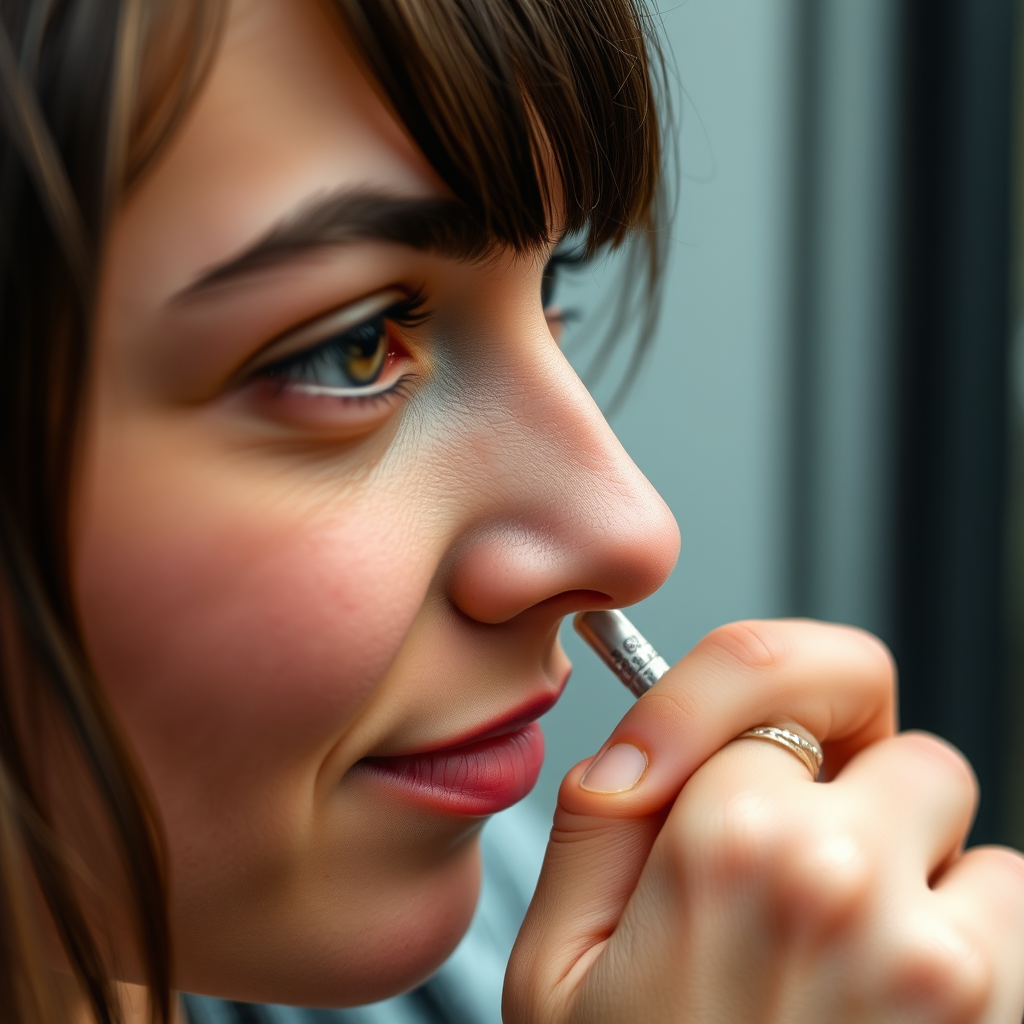
Professionals in the body modification field emphasize the importance of using studs for initial piercings because they substantially reduce the risk of infection. A stud’s fixed position minimizes the chances of it catching on clothing or other objects, which can happen with rings. This reduced friction and movement help to ensure that the healing process proceeds smoothly. Furthermore, studs allow for better airflow around the piercing, which can be beneficial in preventing moisture buildup that might foster bacterial growth. By starting with a stud, individuals can enhance their chances of a clean and uncomplicated healing experience.
Potential Risks of Starting with a Ring
Starting with a ring for a nose piercing carries several potential risks that should not be overlooked. One significant concern is the increased likelihood of developing keloids or scarring from excessive movement. Keloids are raised scars that can develop when the skin heals too aggressively, often exacerbated by irritation. Rings can also cause the piercing to close up or become irritated more easily than studs, leading to complications that may require additional medical intervention. Furthermore, if the piercing becomes infected, the healing process can be delayed, resulting in discomfort and even permanent damage to the tissue.
Choosing the Right Jewelry Material
When considering a nose piercing, the choice of jewelry material is just as important as the type of jewelry. It is essential to opt for high-quality materials such as surgical steel, titanium, or gold to minimize allergic reactions and ensure safety. Surgical steel is commonly recommended due to its durability and resistance to tarnishing, while titanium is known for being lightweight and hypoallergenic. Gold options should ideally be at least 14 karats to reduce the risk of allergic reactions. For individuals with sensitive skin, hypoallergenic materials are vital in preventing irritation and promoting a smooth healing process. Discussing these options with a professional piercer can also provide tailored recommendations based on individual needs.
Healing Process and Aftercare Tips
The healing process for a nose piercing typically takes between 6 to 8 weeks, during which proper aftercare is crucial for successful recovery. It is essential to follow the aftercare instructions provided by your piercer meticulously. This may include cleaning the piercing with saline solution, avoiding touching the area with unwashed hands, and steering clear of makeup or skincare products near the piercing site. It is also critical to avoid changing your jewelry too soon; waiting at least 6-8 weeks allows the tissue to heal properly before introducing new jewelry. Regular check-ins with your piercer can help monitor the healing process and address any concerns that may arise.
When to Switch to a Ring
If you initially chose to get your nose pierced with a stud, congratulations on prioritizing your healing! However, if you are eager to switch to a ring, it’s vital to consult with a professional piercer about the best timing. Signs of complete healing include reduced tenderness, no discharge, and a stable appearance of the piercing. Once you’ve determined that the piercing has healed adequately, you can confidently discuss transitioning to a ring. A professional can help you choose the right style and material for your new jewelry, ensuring that you maintain the health of your piercing throughout the process.
While it is possible to get your nose pierced with a ring first, it is advisable to start with a stud for optimal healing. The risks associated with using a ring initially can outweigh the aesthetic benefits and lead to complications that may hinder the healing process. If you’re considering a nose piercing, consult with a professional piercer for personalized advice tailored to your individual circumstances. Remember to prioritize your health and safety by following proper aftercare procedures to ensure a successful and enjoyable piercing experience.
Frequently Asked Questions
Can you get a nose piercing with a ring instead of a stud?
Yes, you can get a nose piercing with a ring instead of a stud, but it’s generally recommended to start with a stud for initial healing. A stud is less likely to irritate the piercing during the healing process, while rings can move around and potentially cause complications. Once the piercing has fully healed, typically in 6-8 weeks, you can switch to a ring if desired.
Why do piercers prefer using studs over rings for initial nose piercings?
Piercers typically prefer using studs for initial nose piercings because they are more stable and less likely to cause trauma to the piercing site. Studs minimize the risk of snagging or movement, which can lead to irritation or infection. Additionally, studs help the piercing heal in a straight position, reducing the likelihood of complications during the early healing stages.
What types of rings can be used for nose piercings after healing?
Once your nose piercing has fully healed, you can choose from various types of rings, such as hoop earrings, captive bead rings, and septum rings. Each type offers a unique style and look, allowing you to express your personal taste. It’s essential to select high-quality materials, like surgical stainless steel or titanium, to avoid allergic reactions or irritation.
How long should you wait to switch from a stud to a ring after getting a nose piercing?
It is generally recommended to wait at least 6-8 weeks before switching from a stud to a ring after getting a nose piercing. This waiting period allows your piercing to heal adequately, reducing the risk of infection or complications. Always consult with your piercer before making the switch to ensure that the piercing is fully healed and ready for a ring.
Which are the best materials for nose rings after the initial healing period?
The best materials for nose rings after the initial healing period include surgical stainless steel, titanium, and niobium, as these are hypoallergenic and less likely to cause irritation. Gold can also be a safe option, provided it is at least 14k to prevent reactions. Always avoid inexpensive or plated metals, as they can cause allergic reactions or infections due to lower quality.
References
- Nose piercing
- https://www.ncbi.nlm.nih.gov/pmc/articles/PMC5778040/
- https://www.healthline.com/health/nose-piercing-healing-process
- https://www.aafp.org/pubs/afp/issues/2009/1001/p1009.html
- https://www.mayoclinic.org/healthy-lifestyle/adult-health/in-depth/piercings/art-20044968