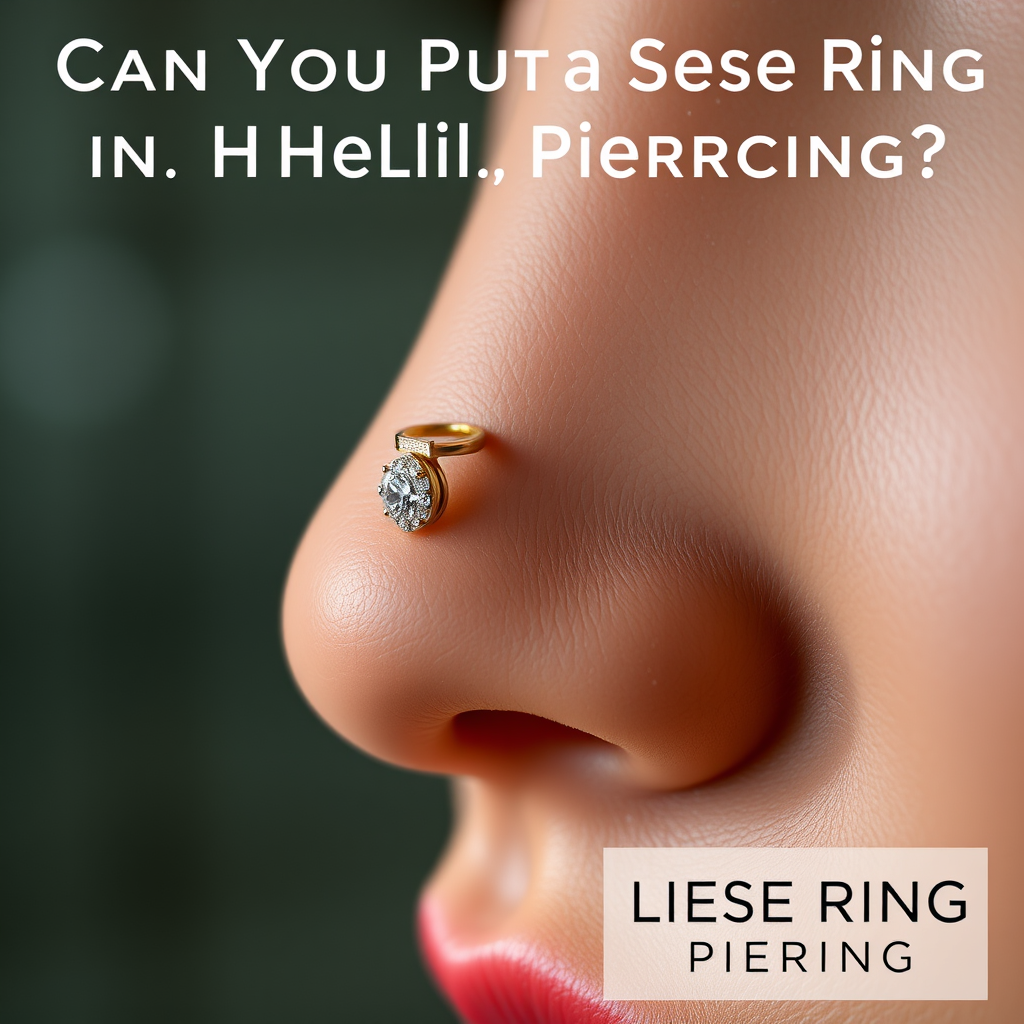
Yes, you can put a nose ring in a helix piercing, but there are important considerations to keep in mind. While the physical dimensions of some nose rings may fit a helix piercing, the style, size, and material are crucial factors that can affect comfort and safety. In this article, we will delve into the compatibility of nose rings for helix piercings, the risks involved, and the best practices to ensure that your jewelry transition is both stylish and safe.
Understanding Helix Piercings
Helix piercings are located on the upper cartilage of the ear, specifically along the outer rim. This type of piercing has gained popularity due to its aesthetic appeal and versatility in terms of jewelry options. Helix piercings typically require specific types of jewelry that are designed for cartilage, such as hoops or studs that have a curved post to accommodate the unique shape of the ear. The jewelry must be lightweight and made from materials that minimize the risk of irritation, as cartilage is more sensitive than soft tissue. When considering different jewelry pieces, one must ensure that they are specifically made for cartilage piercings to avoid complications.
Nose Rings: Types and Styles
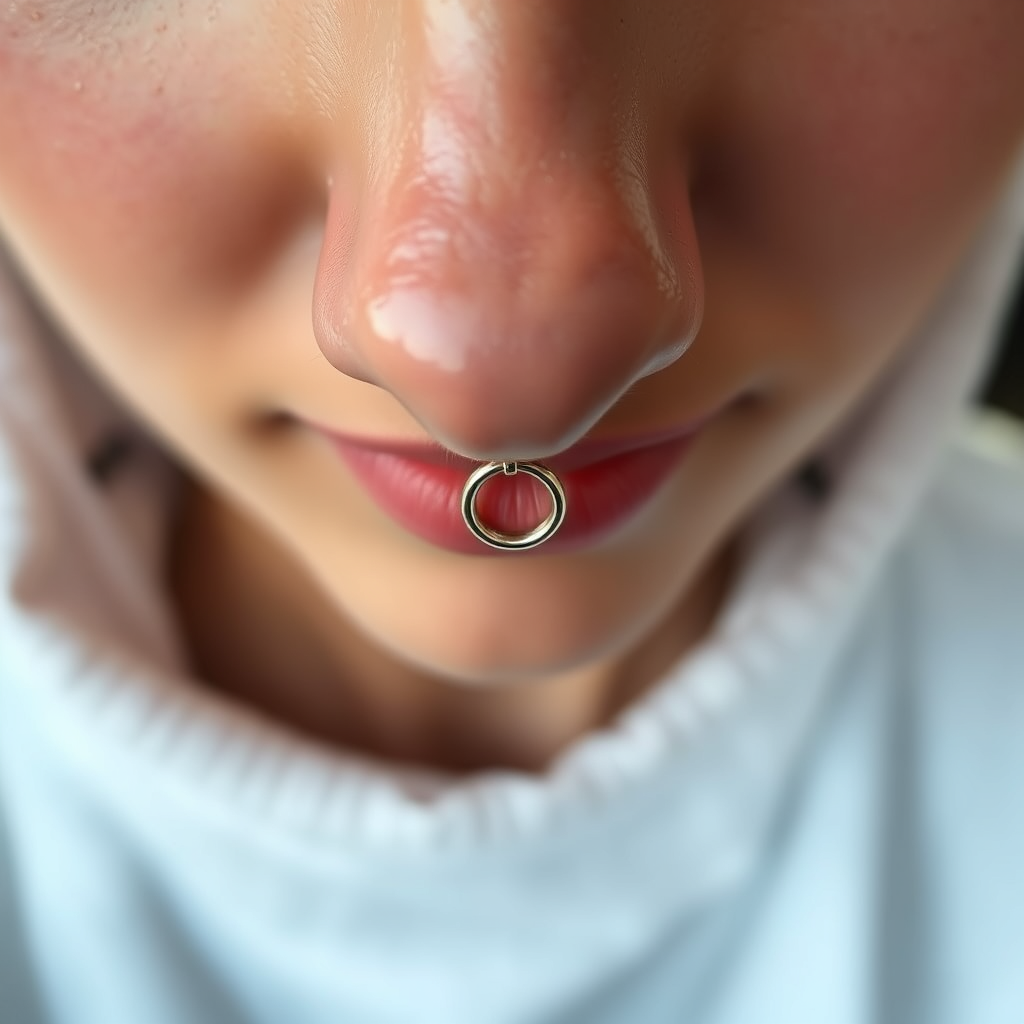
Nose rings come in various styles, including hoops, studs, and septum rings, each offering diverse looks and levels of comfort. The most common types of nose rings are L-shaped studs, screw-in studs, and hoops. However, it’s imperative to note that not all nose rings are suitable for helix piercings. When selecting a nose ring for a helix, factors such as gauge (the thickness of the jewelry) and metal type must be considered. For example, a standard nose ring with a smaller gauge may not provide the necessary stability in a helix piercing, which could lead to discomfort. Additionally, materials such as surgical steel, titanium, and biocompatible plastics are preferable, as they reduce the chances of allergic reactions or irritation.
Compatibility of Nose Rings in Helix Piercings
While some nose rings may physically fit in a helix piercing, comfort should be a primary concern. The anatomy of the ear can affect how certain styles sit within the cartilage. For instance, a hoop nose ring might hang lower than expected, potentially leading to snagging or pressure on the cartilage, which can be painful. Moreover, if the hoop is too tight, it may cause swelling or discomfort. It’s essential to ensure that the jewelry does not cause irritation or pressure on the cartilage, as this can lead to complications in the healing process or even damage to the cartilage itself. Therefore, while the transition may be possible, careful selection is critical.
Risks of Using Nose Rings in Helix Piercings
Inserting a nose ring into a helix piercing can increase the risk of infection or other complications. If the jewelry is not designed for cartilage, it may not fit properly, leading to irritation and inflammation. Additionally, misfitting jewelry can result in keloids or hypertrophic scarring, where excessive tissue grows around the piercing site due to irritation. It’s crucial to understand that cartilage piercings, like helix piercings, take longer to heal than standard lobe piercings, which means that any complications can prolong discomfort and healing time. Therefore, it’s vital to be cautious and informed when considering this kind of jewelry switch.
Best Practices for Transitioning Jewelry
If you decide to switch from traditional helix jewelry to a nose ring, always consult with a professional piercer before attempting to change the jewelry. A trained piercer can provide guidance on the best types of jewelry suitable for your piercing and ensure that the gauge size matches your existing helix piercing. Opting for high-quality materials that are hypoallergenic and appropriate for cartilage is essential to prevent complications. Additionally, make sure the jewelry is the correct gauge size to fit comfortably without causing pressure or irritation. If you’re unsure, it’s best to stick with jewelry specifically designed for helix piercings.
Aftercare Tips for Helix Piercings
Maintaining proper hygiene is critical when changing jewelry to avoid infections. After transitioning to a nose ring, clean the area regularly with saline solution or a gentle, non-alcoholic antiseptic. Avoid touching the piercing with unwashed hands, and be cautious when styling your hair or wearing hats, as these activities can irritate the piercing. Follow aftercare instructions provided by your piercer to ensure healing and comfort after switching to a nose ring. Keeping an eye out for signs of infection, such as excessive redness, swelling, or discharge, can help you address any issues before they escalate.
When to Avoid Using a Nose Ring
If your helix piercing is still healing, it’s advisable to avoid changing jewelry, as this could interrupt the healing process and lead to complications. A typical cartilage piercing takes anywhere from 3 to 12 months to heal fully. If you experience discomfort, swelling, or any signs of infection, consult with a professional piercer immediately. They can provide insight into the best course of action and whether a jewelry switch is advisable at that time.
In summary, while it is possible to put a nose ring in a helix piercing, careful consideration of the type of jewelry and the potential risks is essential. Prioritize comfort and safety when making changes to your piercings, and always consult with a professional piercer for guidance. By following best practices and aftercare tips, you can ensure that your transition to a new style is both successful and stylish.
Frequently Asked Questions
Can you put a nose ring in a helix piercing?
While it is technically possible to wear a nose ring in a helix piercing, it is not advisable. Helix piercings are located in the upper cartilage of the ear, while nose rings are designed for the softer tissue of the nostrils. Using a nose ring in a helix piercing could lead to discomfort, irritation, and potential infection due to the different anatomy and jewelry design. It’s best to use jewelry specifically designed for helix piercings to ensure proper fit and healing.
What type of jewelry is best for a helix piercing?
The best type of jewelry for a helix piercing is typically either a helix barbell or a captive bead ring made from high-quality materials like titanium or surgical stainless steel. These materials are hypoallergenic and reduce the risk of irritation or infection during the healing process. It’s important to choose jewelry with a suitable gauge size for your piercing, usually 16 or 18 gauge, to ensure a comfortable and secure fit.
How long should I wait before changing my helix piercing jewelry?
It is recommended to wait at least 3 to 6 months before changing the jewelry in a helix piercing. This timeframe allows the piercing to fully heal, minimizing the risk of complications like infection or migration. Always consult with your professional piercer for personalized advice based on your healing progress and any signs of irritation or discomfort.
Why does my helix piercing hurt when I try to change the jewelry?
Pain when changing jewelry in a helix piercing can occur due to a few reasons. The piercing may still be healing, leading to sensitivity and discomfort, especially if the tissue is not fully matured. Additionally, if the jewelry is too tight or not the correct size, it can cause pressure and irritation. It’s advisable to consult with a professional piercer if you experience pain, as they can provide guidance and assistance in changing your jewelry safely.
Which jewelry styles are most popular for helix piercings?
Popular jewelry styles for helix piercings include hoop earrings, stud earrings, and cartilage barbells. Captive bead rings are also a trendy choice, allowing for a unique look while being comfortable to wear. When selecting jewelry, consider your personal style, as well as the thickness and material, to ensure it complements both your aesthetic and the healing process of your piercing.
References
- https://en.wikipedia.org/wiki/Piercing
- https://www.ncbi.nlm.nih.gov/pmc/articles/PMC3882198/
- https://www.healthline.com/health/helix-piercing
- https://www.verywellhealth.com/helix-piercing-5183701
- https://www.piercingbodymod.com/helix-piercing-care-guide
- https://www.thepiercing.com/faq/helix-piercing-faqs
- https://www.medicalnewstoday.com/articles/helix-piercing-what-to-know