Sleeping with a hoop nose ring is generally not recommended, especially in the early stages after getting pierced. The movement during sleep can irritate the piercing, increase the risk of infection, and lead to discomfort. Understanding the potential risks and taking appropriate precautions can help you navigate the healing process effectively. In this article, we’ll explore the reasons why you might want to avoid sleeping with a hoop nose ring and offer some tips for managing your piercing.
Understanding the Risks of Sleeping with a Hoop Nose Ring

One of the primary concerns with sleeping while wearing a hoop nose ring is the movement that occurs during sleep. This movement can cause irritation to the freshly pierced area, which may lead to prolonged discomfort or even complications. When you roll over or shift positions, the hoop can rub against the piercing, causing trauma to the healing tissue. This irritation not only contributes to discomfort but can also provoke an inflammatory response that may hinder the healing process.
Furthermore, sleeping with a hoop nose ring raises the risk of infection. During sleep, bacteria from your bedding or pillowcase can be transferred to the piercing site. Even the cleanest linens can harbor bacteria, and when they come into contact with an open wound, the risk of infection increases significantly. Signs of infection can include redness, swelling, pus, and a persistent throbbing sensation around the piercing, which can be uncomfortable and may require medical intervention.
When Is It Safe to Sleep with a Nose Ring?

The timeline for when it is safe to sleep with a hoop nose ring largely depends on the healing process. For nostril piercings, the initial healing period typically ranges from 6 to 8 weeks. During this time, the piercing is particularly vulnerable to irritation and infection, making it advisable to avoid sleeping with any jewelry in place, including hoops.
After the initial healing period, many individuals may feel more comfortable sleeping with their jewelry. However, this varies by person and depends on the specific healing progress. To ensure that you are ready to sleep with your hoop, it is best to consult with your piercer. They can assess your healing and provide personalized advice based on your individual circumstances.
Tips for Sleeping Comfortably with a Nose Ring
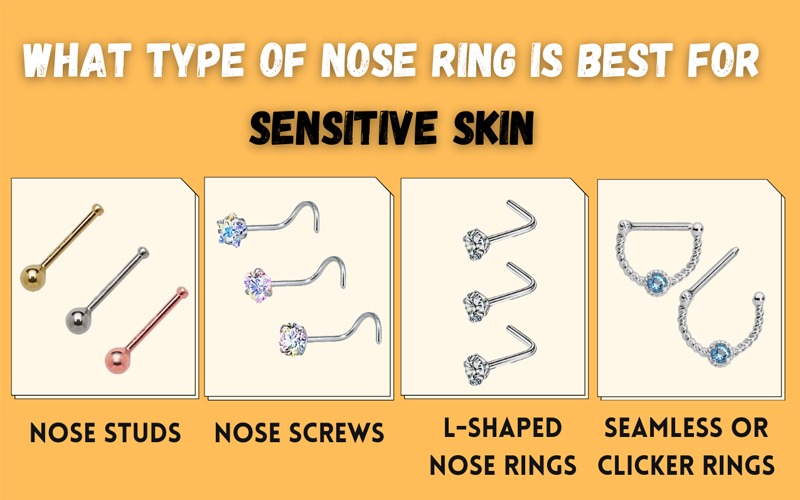
If you choose to keep your hoop nose ring in while sleeping, there are several strategies you can employ to minimize irritation. One of the most effective methods is to switch to a flat back stud for nighttime use. Flat back studs are less likely to catch on bedding or be subjected to pressure, reducing the risk of irritation during sleep.
Another helpful tip is to use a travel pillow or sleep on your back. A travel pillow offers support while minimizing contact with the face, which can help alleviate pressure on the piercing. Additionally, sleeping on your back is the least likely position to disturb the healing process, allowing the piercing to remain undisturbed.
If you must sleep on your side, consider creating a barrier using a soft cloth or a specialized piercing pillow that provides cushioning and protection for your nose.
How to Care for Your Nose Piercing During Healing
Proper care is crucial for maintaining the health of your nose piercing during the healing process. Cleaning the area regularly with saline solution is one of the best ways to prevent infection. Saline solution can be easily made at home by mixing 1/4 teaspoon of non-iodized sea salt with 8 ounces of distilled water. Gently dab the solution onto the piercing using a clean cotton ball or gauze pad.
Avoid touching or changing the jewelry frequently during the healing process. Your hands can transfer bacteria to the piercing, which may lead to complications. If you feel the need to change your jewelry, wait until the piercing is fully healed, and always consult with your piercer for guidance on safe practices.
Additionally, avoid swimming in pools, hot tubs, or natural bodies of water during the healing phase, as these environments can introduce bacteria to the piercing.
Alternatives to Sleeping with a Hoop Nose Ring
If you find that sleeping with a hoop nose ring is uncomfortable or risky, there are several alternatives to consider. Hypoallergenic jewelry options, such as titanium or surgical stainless steel, are less likely to cause irritation and can be a good choice for sensitive skin. These materials are also more durable and resistant to corrosion, which can further enhance their safety during the healing process.
Another option is to remove the hoop temporarily before bed. If you choose to do this, ensure that you have a safe place to store your jewelry and that you can reinsert it easily in the morning. Just be aware that removing your jewelry may lead to the piercing closing up if done too frequently, particularly in the early stages of healing.
Signs of Complications to Watch For
Being vigilant about potential complications is key to ensuring a healthy healing process for your nose piercing. Some common signs of complications include:
– Redness, swelling, or pus around the piercing, which may indicate an infection.
– Increased pain or discomfort that does not subside after a few days.
– A fever or general malaise, which could suggest a systemic infection.
If you notice any of these symptoms, it is essential to consult a healthcare professional or your piercer immediately. Early intervention can prevent further complications and ensure that your piercing heals properly.
In summary, while it may be possible to sleep with a hoop nose ring after the healing period, it’s important to consider the risks involved, especially during the early stages. If you decide to keep your hoop in while sleeping, take precautions to minimize irritation and maintain hygiene. If you have any concerns about your piercing, consult a professional piercer for personalized advice. Understanding and respecting your body’s healing process will help ensure that your nose piercing remains a beautiful and safe addition to your personal style.
Frequently Asked Questions
Can you sleep with a hoop nose ring in?
Yes, you can sleep with a hoop nose ring in, but it’s essential to ensure that the piercing is fully healed before doing so. Sleeping on your side may cause irritation or discomfort, so consider using a travel pillow or adjusting your sleeping position to avoid pressure on the piercing. Additionally, choose a smooth and comfortable hoop made of hypoallergenic materials to minimize the risk of irritation.
What should I do if my hoop nose ring is uncomfortable while sleeping?
If your hoop nose ring is uncomfortable while sleeping, you can try switching to a smaller or lighter hoop to reduce irritation. Additionally, consider using a nose ring retainer made of soft silicone or plastic, which can be more comfortable and less likely to catch on bedding. If discomfort persists, consult a professional piercer for advice on the best options for your specific situation.
How long should I wait before sleeping with a hoop nose ring?
It is recommended to wait at least 6 to 8 weeks before sleeping with a hoop nose ring, depending on the healing process of your nose piercing. Healing times can vary based on individual factors, so it’s crucial to pay attention to your body and ensure the piercing is free of redness, swelling, or discharge. Always follow your piercer’s aftercare instructions for the best results.
Why is it important to choose the right material for a hoop nose ring?
Choosing the right material for a hoop nose ring is crucial to avoid allergic reactions and irritation, especially when sleeping with it in. Materials such as titanium, surgical steel, or gold are hypoallergenic and less likely to cause issues. Opting for high-quality materials can promote healing and ensure that your piercing remains comfortable during sleep.
Which type of hoop nose ring is best for sleeping?
The best type of hoop nose ring for sleeping is one that is lightweight, small, and made from hypoallergenic materials. A seamless hoop or a clicker style can be ideal since they have smooth edges and reduce the risk of snagging on bedding. Ensure that the hoop is not too tight to allow for some movement and airflow around the piercing for optimal comfort.
References
- https://www.healthline.com/health/nose-piercing-care
- https://www.medicalnewstoday.com/articles/nose-piercing-what-to-know
- https://www.ncbi.nlm.nih.gov/pmc/articles/PMC4128900/
- https://www.mayoclinic.org/healthy-lifestyle/adult-health/expert-answers/nose-piercing/faq-20058631
- https://www.webmd.com/beauty/nose-piercing-care
- https://www.verywellhealth.com/nose-piercing-care-5112550