If you remove your nose ring, it can close up quite quickly, especially if the piercing is new. The speed at which a nose piercing may close largely depends on the age of the piercing and individual healing factors. Understanding these elements is crucial for anyone considering or currently managing a nose piercing. In this article, we’ll delve into the various factors that influence the closing of nose piercings and provide insights on what to expect based on your specific circumstances.
Factors Influencing Closure
– Age of the Piercing: The age of your nose piercing is a primary determinant in how quickly it may close. Newly pierced noses are particularly vulnerable to closure due to the fresh tissue and lack of established healing. Typically, a nose piercing can be considered “new” if it is less than six months old. During this time, the body is still in the process of healing, and any disturbance, such as removing the jewelry, can lead to rapid closure. In contrast, piercings that have been in place for over a year tend to be more stable, as the tissue has had ample time to adapt and solidify around the jewelry.
– Individual Healing: Each person’s body responds differently to piercings, which can significantly impact the closure rate. Factors like overall health, nutrition, and even skin type play crucial roles in how quickly the body heals from a piercing. For instance, someone with a robust immune system may experience slower closure rates compared to someone with underlying health issues. Additionally, lifestyle choices, such as smoking, can adversely affect healing and contribute to faster closure.
Timeframe for Closure

– Fresh Piercings: If you remove a fresh nose ring shortly after the piercing, you may notice that the hole can begin to close within just a few hours. This rapid closure is due to the body’s natural healing processes, which aim to seal off any foreign objects. In some cases, the skin may start to knit together almost immediately, making it imperative to keep the jewelry in place until the healing process is sufficiently complete.
– Healed Piercings: For those with healed piercings, the timeframe for closure may differ significantly. Once the piercing has fully matured—typically after six months to a year—it can take days or even weeks for the hole to close completely after the jewelry is removed. However, some individuals report that their piercings remain open for months or longer, allowing them to switch jewelry frequently without concern. The variability is mainly due to the individual’s unique healing and skin characteristics.
Signs of Closing
– Decreased Size: One of the first signs that your nose piercing is beginning to close is a noticeable shrinking of the hole. Over time, you may observe that the diameter of the piercing becomes significantly smaller. This shrinking can be particularly pronounced in freshly healed piercings, where the body is actively working to close the wound.
– Skin Changes: The surrounding skin around the piercing may also exhibit changes as it begins to close. You might notice that the skin appears tighter, with reduced elasticity around the area. In some cases, the skin may even become slightly discolored or inflamed as it reacts to the absence of the jewelry, signaling that the closure process is underway.
What to Do if You Want to Keep the Piercing
– Use Retainers: If you wish to maintain your piercing while removing the jewelry temporarily, using clear or skin-colored retainers can be a great solution. These retainers are designed to keep the piercing open without being overly visible, making them an excellent choice for professional settings or situations where jewelry is not permitted.
– Regular Maintenance: Keeping the area clean and moisturized is crucial in preventing excessive closure. Regularly cleaning the piercing with saline solution can help maintain the integrity of the hole, while applying a gentle moisturizer can keep the skin supple and reduce the likelihood of the piercing closing up.
Risks of Closure
– Infection: One of the significant risks associated with removing a nose ring is the potential for infection. When the jewelry is taken out, the exposed piercing can be vulnerable to pathogens. If proper aftercare is not maintained, bacteria can enter the newly exposed area, leading to infection. It’s essential to keep the area clean and monitor for any signs of redness, swelling, or pus.
– Scarring: If a piercing closes too quickly, it can leave behind scars or even keloids, which are raised areas of scar tissue. These can be particularly bothersome for individuals who desire to repierce the area later. Preventive care, such as maintaining the piercing’s openness and cleanliness, can help mitigate the risk of scarring.
Alternatives to Traditional Nose Rings
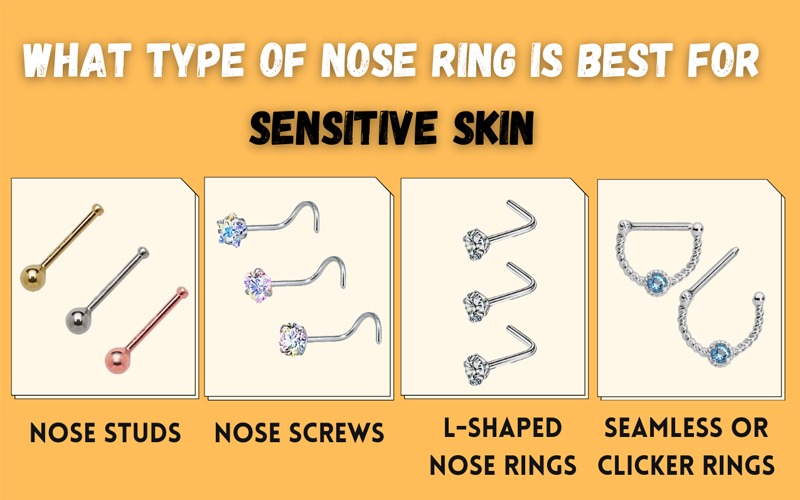
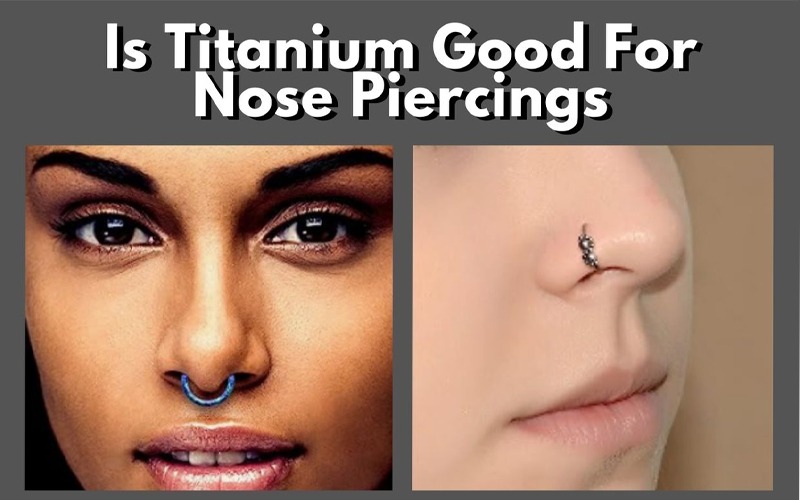
– Studs and Hoops: If you’re looking for variety while keeping your piercing intact, consider exploring different styles, such as studs and hoops. These alternatives not only enhance your personal style but also allow you to maintain the health of your piercing. Choosing high-quality materials, such as surgical steel or titanium, can also help reduce irritation and promote healing.
– Temporary Jewelry: For those who want to accessorize without risking closure, temporary jewelry options like clip-ons can provide a fashionable solution. These styles allow you to express your individuality without the commitment of a permanent piercing, making them ideal for special occasions or events.
Nose rings can indeed close up, especially if they are removed shortly after piercing or if they have not been properly maintained. Understanding the various factors that influence closure, including the age of the piercing and individual healing processes, is essential for anyone considering a nose piercing or managing an existing one. By being proactive with care and exploring alternatives, you can enjoy your piercing while minimizing the risks associated with closure. Always consult with a professional piercer for tailored advice and recommendations specific to your situation.
Frequently Asked Questions
Can nose rings close up if I remove them?
Yes, nose rings can close up if removed, especially if the piercing is new. Generally, if a nose piercing is less than six months old, it is more likely to close quickly, sometimes within hours. However, older piercings, which have fully healed, can take longer to close, with the potential for the hole to remain visible even after extended periods without jewelry.
How long does it take for a nose ring to close up?
The time it takes for a nose ring to close up varies based on how long the piercing has been in place. For fresh piercings, closure can happen within hours to a few days. For those that have been healed for over a year, it may take weeks or even months for the hole to fully close, but it is common for the piercing to still remain visible.
Why does my nose ring feel loose after removing it for a while?
A nose ring may feel loose after removing it because the skin around the piercing can begin to shrink or contract when the jewelry is absent. This can lead to changes in the shape of the piercing hole, making it less snug. To maintain the fit, it’s advisable to wear jewelry regularly, particularly for new piercings.
What should I do if my nose piercing starts to close?
If you notice that your nose piercing is beginning to close, you should consider reinserting a piece of jewelry as soon as possible to prevent full closure. If the hole has tightened significantly, gently pushing a sterilized earring or retainer through can help keep it open. If you experience pain or signs of infection, consult with a professional piercer or healthcare provider for advice.
Which type of nose ring is best for preventing closure?
The best type of nose ring for preventing closure is a small, lightweight stud or hoop that fits snugly in the piercing. Options like surgical steel or titanium are ideal, as they are less likely to irritate the skin and promote healing. Additionally, using retainers made from clear silicone can help maintain the hole without drawing attention while ensuring it remains open.
References
- https://www.ncbi.nlm.nih.gov/pmc/articles/PMC7603917/
- https://www.healthline.com/health/nose-piercing-care
- https://www.verywellhealth.com/nose-piercing-healing-5195229
- Heart disease: Types, causes, and treatments
- https://www.mayoclinic.org/healthy-lifestyle/adult-health/expert-answers/piercings/faq-20058007