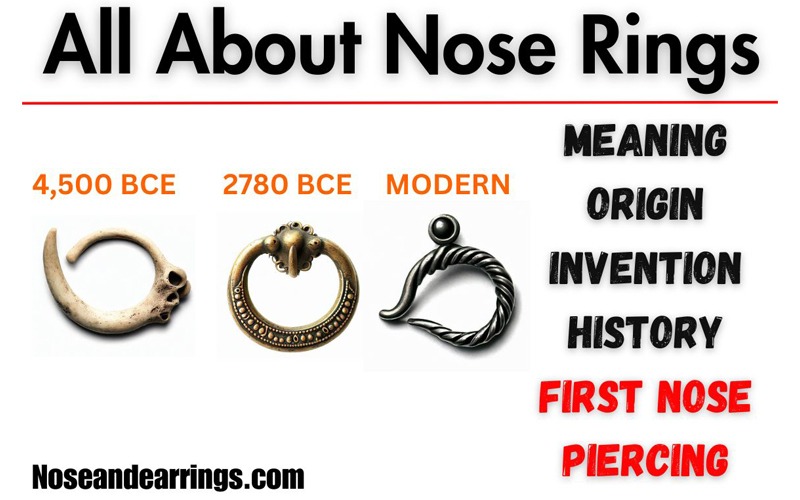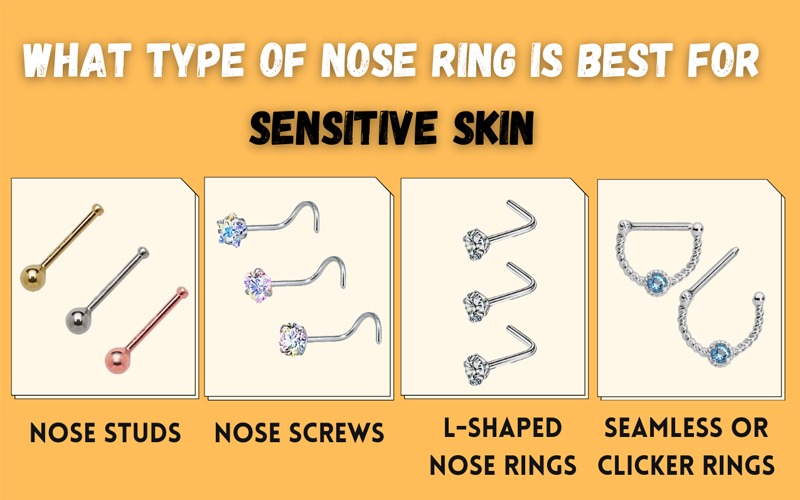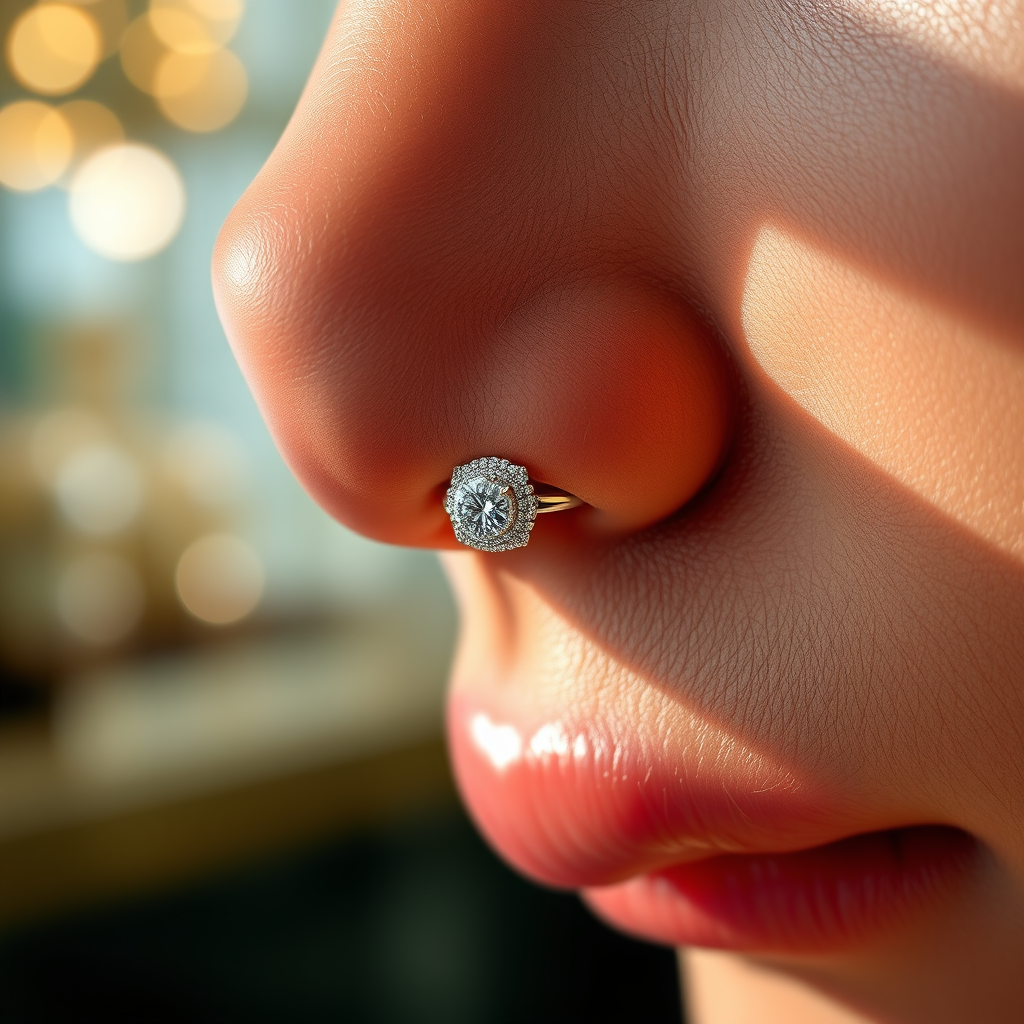
Nose rings themselves do not have the ability to smell. However, they can trap odors from the surrounding environment or from the body, which may lead to a noticeable scent. Understanding how nose rings interact with smells is crucial for maintaining hygiene and enjoying body jewelry without embarrassment. In this article, we will explore how nose rings can interact with smells, what affects this, and how to maintain them to minimize any odor-related issues.
How Nose Rings Interact with Odors

Nose rings can absorb and retain smells from various sources, including food, smoke, and environmental factors. When you eat aromatic foods or spend time in smoky environments, the molecules responsible for these scents can cling to the surfaces of your nose ring. Additionally, the material of the nose ring plays a significant role in how odors are absorbed. For instance, porous materials like certain plastics or resin can absorb odors more readily than non-porous metals like titanium or surgical steel. Over time, these absorbed smells can become more pronounced, especially if proper care is neglected.
Furthermore, the temperature and humidity of the environment can influence how odors are trapped. Warmer, more humid conditions can lead to increased sweat production, which can interact with the nose ring’s material and contribute to odor retention. Thus, understanding the interaction between nose rings and odors is vital for effective maintenance and hygiene practices.
Factors That Contribute to Nose Ring Smells
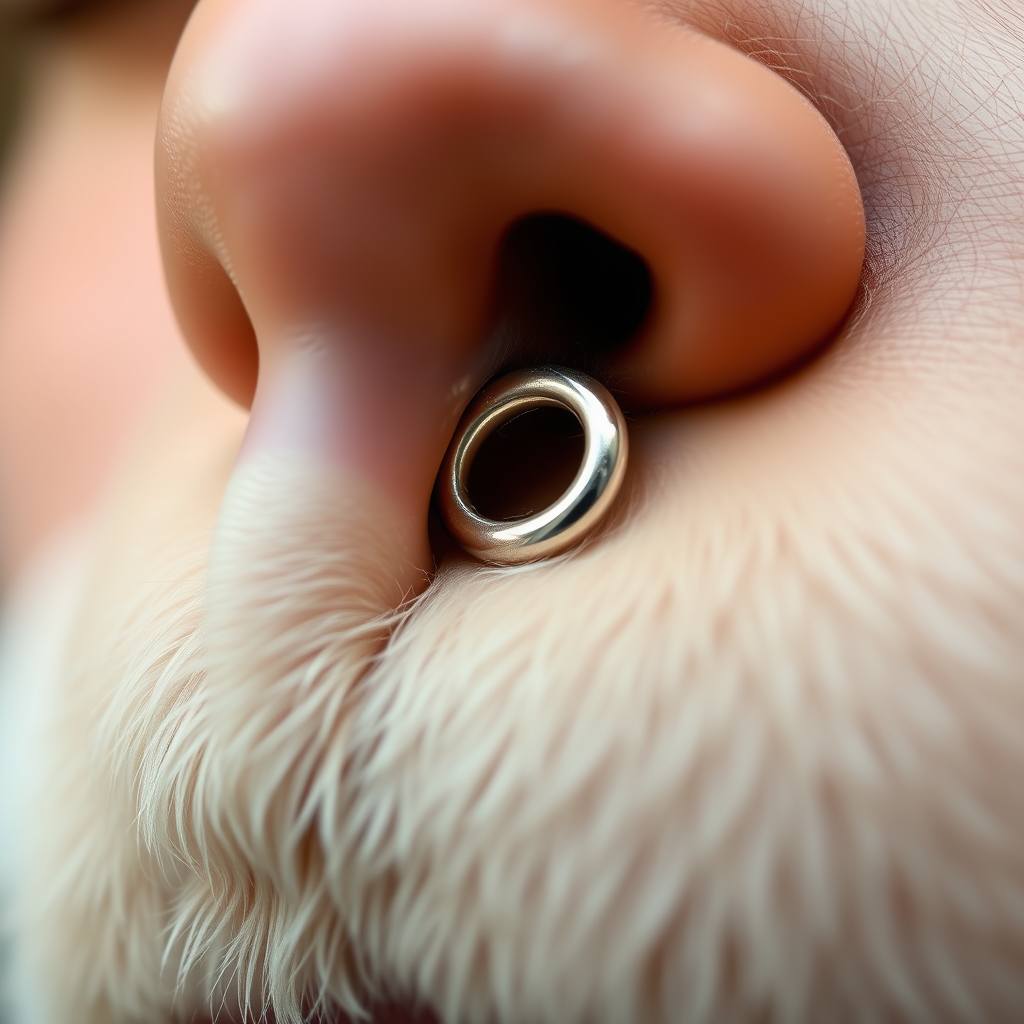
Several factors contribute to the development of odors associated with nose rings. One of the primary culprits is the natural oils and sweat produced by the skin. When these substances come into contact with the nose ring, they can mix and create an unpleasant scent. Skin oils serve as a breeding ground for bacteria, which can further exacerbate odor issues.
Moreover, the hygiene practices of the wearer significantly affect whether smells develop. If a person neglects regular cleaning of their nose ring, the buildup of dirt, oils, and bacteria can lead to persistent odors. It’s also important to consider lifestyle factors, such as smoking or consuming strong-smelling foods, which can further contribute to the scent trapped in the jewelry. Therefore, maintaining a consistent hygiene routine is essential for minimizing odor-related issues.
Cleaning and Maintenance Tips
To prevent odor buildup, regular cleaning of your nose ring is paramount. One effective method is to use mild soap and warm water. Gently cleaning the area surrounding the piercing and the jewelry itself can help remove oils and debris that accumulate over time. It is advisable to perform this cleaning routine at least once a week, or more frequently if you engage in activities that may contribute to odor, such as exercise or exposure to strong scents.
In addition to soap and water, consider investing in specialized jewelry cleaners designed specifically for body piercings. These products are formulated to effectively remove bacteria and odors without damaging the materials. When cleaning, avoid harsh chemicals or abrasive materials that could scratch the surface of the nose ring or irritate the skin. Proper cleaning and maintenance can significantly reduce the risk of developing unpleasant odors.
Signs Your Nose Ring Has an Odor
Detecting odors associated with your nose ring can often be a matter of awareness. Common signs that your nose ring may have an odor include noticeable smells in close proximity to the nose, especially when you touch or adjust the jewelry. You might also observe discoloration or buildup around the piercing site. This buildup can be a mix of dead skin cells, oils, and other debris, indicating that the jewelry requires cleaning.
If you notice any unusual changes, such as increased redness, swelling, or discharge, it may be a sign of infection rather than just an odor issue. In such cases, it’s important to seek professional advice to prevent further complications.
How to Choose Odor-Resistant Nose Rings
When selecting a nose ring, the material is a critical factor in odor resistance. High-quality materials such as titanium, surgical steel, or gold are recommended, as they are less likely to absorb odors compared to cheaper, porous alternatives. Titanium, in particular, is known for its durability, hypoallergenic properties, and ability to resist tarnishing and smells.
Avoiding porous materials like certain plastics or low-quality metals can reduce the likelihood of odors developing over time. Additionally, consider the design of the nose ring; simpler designs without intricate details may be easier to clean and maintain. Opting for high-quality, odor-resistant materials ensures a more pleasant experience with your body jewelry over the long term.
When to Consult a Professional
While regular cleaning and maintenance can often resolve odor issues, there are instances where consulting a professional is advisable. If you experience persistent odors despite a diligent cleaning regimen, it may be a sign of an underlying infection. Symptoms such as increased irritation, unusual discharge, or a fever warrant immediate consultation with a piercer or healthcare professional.
A qualified piercer can provide guidance on proper care and determine whether the jewelry needs to be replaced or if further medical intervention is necessary. Ignoring these signs could lead to more serious complications, so it’s essential to prioritize your health and well-being.
Maintaining your nose ring properly will help minimize any odors associated with it. By following the cleaning tips and understanding how different factors contribute to smells, you can enjoy your nose ring without worry. If you suspect a problem, don’t hesitate to reach out to a professional for guidance. Through careful attention and proactive care, you can keep your nose ring looking and smelling fresh.
Frequently Asked Questions
Can nose rings develop an unpleasant smell?
Yes, nose rings can develop an unpleasant smell due to a combination of factors, including the accumulation of natural oils, sweat, and bacteria around the piercing. If the jewelry is made from non-hypoallergenic materials, it can also contribute to irritation and odor. Regular cleaning and maintenance of the nose ring and the surrounding area can help prevent this issue.
How can I prevent my nose ring from smelling bad?
To prevent your nose ring from smelling bad, it is essential to clean it regularly with a saline solution or a gentle antiseptic designed for piercings. Additionally, avoid touching your nose ring with dirty hands and ensure that you dry the area thoroughly after washing your face. Maintaining good hygiene and choosing high-quality jewelry made from materials like titanium or surgical steel can also help minimize odors.
Why does my nose ring smell even after cleaning?
If your nose ring smells even after cleaning, it could be due to trapped bacteria or dead skin cells that haven’t been fully removed from the piercing site. Additionally, if your body is reacting to the metal in the jewelry, it may lead to inflammation and odor. Consider consulting a professional piercer or a dermatologist to determine if there is an underlying infection or if you need to switch to hypoallergenic materials.
What is the best way to clean a nose ring to avoid odor?
The best way to clean a nose ring is to use a saline solution made from 1/4 teaspoon of non-iodized sea salt mixed with 8 ounces of distilled water. Soak a clean cotton ball in the solution and gently clean around the piercing. It’s important to do this twice a day during the healing process and to avoid using harsh chemicals or alcohol, which can irritate the skin and cause more odor.
Which materials are least likely to cause odor in nose rings?
Nose rings made from high-quality materials such as surgical stainless steel, titanium, and gold (at least 14 karats) are least likely to cause odor. These materials are hypoallergenic and do not react with the skin, reducing the risk of irritation and subsequent smells. It is advisable to avoid plated jewelry or those made from lower-quality metals, as they can corrode and trap bacteria, leading to unpleasant odors.
References
- Nose ring
- https://www.ncbi.nlm.nih.gov/pmc/articles/PMC6140892/
- https://www.healthline.com/health/nose-ring-care
- https://www.mayoclinic.org/healthy-lifestyle/adult-health/in-depth/piercing-and-tattoos/art-20045464
- https://www.aafp.org/pubs/afp/issues/2019/0901/p252.html