Nurses can wear nose rings, but whether they are permitted depends on the specific hospital or healthcare facility’s dress code policies. Many institutions have strict guidelines aimed at maintaining professionalism and hygiene, which can significantly influence the acceptability of body piercings. This article will delve into the factors that determine if nurses can wear nose rings, including dress code policies, professionalism, health and safety considerations, cultural and generational perspectives, and offer practical tips for nurses contemplating this form of self-expression.
Understanding Dress Code Policies

In the nursing profession, dress code policies are paramount, as they reflect the institution’s values and expectations regarding employee appearance. Each healthcare facility has its own dress code, which may vary widely based on a multitude of factors, including the type of care provided, the patient population served, and the overall culture of the organization. Policies often address personal adornments, including jewelry and piercings, specifying what is considered appropriate attire for clinical settings.
For example, larger healthcare systems like the Mayo Clinic or Cleveland Clinic typically have comprehensive dress code policies that may restrict visible body piercings, including nose rings, to ensure a standardized professional appearance. On the other hand, smaller clinics or progressive environments might adopt a more lenient approach, allowing nurses to express themselves through their appearance. Therefore, it’s crucial for nurses to familiarize themselves with their specific facility’s dress code, as it serves as the primary guideline governing their professional appearance.
Professionalism in Nursing

Professionalism in nursing extends beyond clinical skills; it encompasses the entire demeanor and appearance of nurses. Nurses are expected to project a professional image that instills confidence in patients and colleagues alike. This expectation can influence clothing choices, hairstyles, and accessories, including body piercings. While some healthcare facilities may view visible piercings as unprofessional, others adopt a more progressive stance, recognizing that personal expression can coexist with professionalism.
For instance, hospitals in urban areas with diverse populations may be more accepting of body piercings, perceiving them as a reflection of modern societal norms. Conversely, conservative institutions may maintain a stricter interpretation of professionalism, discouraging visible piercings to foster an environment of traditional values. This dichotomy illustrates the importance of understanding the cultural context of the workplace and how it shapes perceptions of professionalism in nursing.
Health and Safety Considerations
Health and safety considerations are critical in healthcare environments, often prioritizing hygiene and patient safety above all else. Piercings, including nose rings, can pose potential risks in clinical settings, especially in surgical or critical care areas where cleanliness and sterility are paramount. For instance, dangling jewelry can become entangled in medical equipment or inadvertently cause injury during patient care.
Moreover, certain types of jewelry may harbor bacteria, which can lead to infections, particularly in high-risk settings. Consequently, healthcare facilities may impose restrictions on visible piercings to mitigate these risks. Nurses should also consider the practicality of wearing a nose ring while performing clinical duties, as the demands of the job may necessitate a focus on safety and hygiene over personal expression.
Cultural and Generational Perspectives
Attitudes towards body piercings can vary significantly based on cultural and generational perspectives. In many cultures, body modifications, including piercings, are celebrated as forms of self-expression and identity. However, in more traditional settings, such adornments may be viewed with skepticism or disapproval. As the nursing workforce increasingly incorporates younger generations, the acceptance of body piercings may evolve, leading to more inclusive policies.
Some healthcare institutions may actively embrace modern expressions of individuality, reflecting the changing social landscape and the diverse backgrounds of their staff. This shift presents an opportunity for dialogue about the appropriateness of body piercings in nursing. Engaging with leadership about the potential for more flexible dress code policies can foster an inclusive environment that respects personal expression while maintaining professional standards.
Tips for Nurses Considering Nose Rings
For nurses contemplating wearing a nose ring, it is essential to navigate the landscape of workplace policies thoughtfully. Here are some practical tips:
1. Review Your Facility’s Dress Code Policy: Before making a decision, thoroughly check your healthcare facility’s dress code policy. Understanding the specific guidelines will inform you about what is permitted.
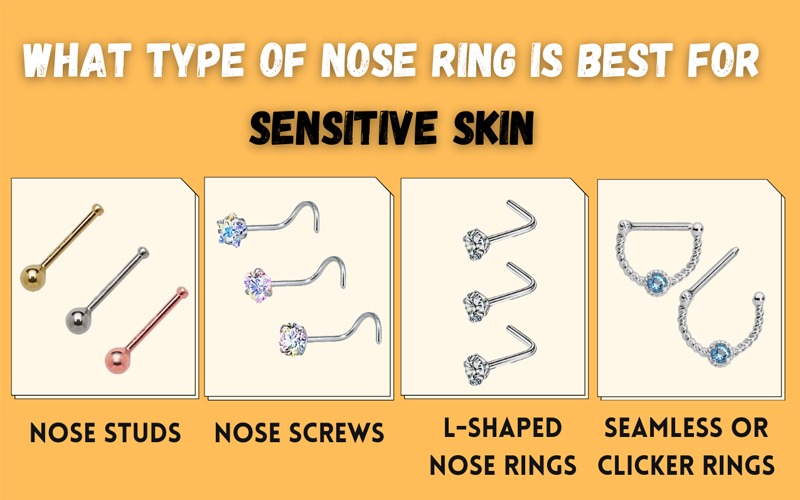
2. Consider Clear or Small Stud Options: If you decide to wear a nose ring, consider opting for clear or small stud options that may be more acceptable in professional settings. These options are less conspicuous and may align better with conservative dress codes while still allowing for personal expression.
3. Engage in Open Dialogue: If you have concerns about the dress code’s restrictions on piercings, consider initiating a conversation with your supervisors or human resources. Expressing your desire for more flexible policies can lead to a broader discussion about professionalism and personal expression in the workplace.
4. Be Mindful of Hygiene: Regardless of your choice to wear a nose ring, prioritize hygiene by ensuring your piercing is clean and well-maintained. This consideration is crucial in a healthcare setting where cleanliness is imperative.
Alternatives to Nose Rings
For nurses who may face restrictions on wearing nose rings or are seeking other ways to express their individuality, there are several alternatives to consider. Exploring other forms of self-expression that might align better with workplace guidelines can be fulfilling. For example, tattoos can serve as an alternative, provided they are not visible while in uniform. Some healthcare facilities may have more lenient policies regarding tattoos, allowing for a broader range of personal expression.
Additionally, consider accessorizing with non-intrusive jewelry that complies with dress codes while still allowing you to showcase your personal style. Simple earrings or bracelets can be tasteful and professional, offering a way to express individuality without contravening workplace policies.
In conclusion, while nurses can wear nose rings, the permissibility is contingent upon the specific dress code policies of their healthcare facility. Understanding these policies, the importance of professionalism, health and safety considerations, and cultural perspectives is crucial for nurses wishing to express themselves through body piercings. Nurses should review their workplace guidelines carefully and consider how they can balance personal expression with the expectations of their profession. Engaging in conversations about dress code policies may lead to more inclusive practices that respect individuality while maintaining the high standards of professionalism expected in nursing.
Frequently Asked Questions
Can nurses wear nose rings while on duty?
Whether nurses can wear nose rings while on duty largely depends on the hospital or healthcare facility’s dress code policy. Many institutions have specific guidelines regarding body piercings to maintain a professional appearance and ensure safety and hygiene. It’s best for nurses to check their employer’s policy manual or speak with a supervisor for clarity on this issue.
What are the reasons for restrictions on nose rings for nurses?
Restrictions on nose rings for nurses commonly stem from concerns about hygiene and professionalism. In clinical settings, jewelry can harbor bacteria, and facial piercings might pose a safety risk in emergency situations. Additionally, some healthcare facilities aim to maintain a uniform appearance among staff to promote a professional environment, which might exclude visible piercings like nose rings.
How can nurses express their individuality if nose rings are not allowed?
If nose rings are not permitted, nurses can express their individuality through other means such as choosing unique scrubs, wearing colorful or patterned accessories, or using makeup in a professional manner. Additionally, personal branding can be showcased through their attitude, communication style, and patient interactions, allowing nurses to maintain professionalism while still being unique.
Which types of jewelry are typically acceptable for nurses to wear?
Acceptable jewelry for nurses often includes stud earrings, watches, and simple necklaces that do not interfere with patient care. Many healthcare facilities encourage minimalist jewelry to reduce the risk of entanglement or injury and to promote hygiene. It’s advisable for nurses to consult their facility’s policy to ensure compliance with the dress code.
Why is it important for nurses to adhere to dress code policies regarding piercings?
Adhering to dress code policies regarding piercings is essential for nurses to ensure a safe and professional environment for both patients and staff. Compliance helps minimize the risk of infection, maintains a sterile atmosphere, and promotes trust and confidence in patients. By following these guidelines, nurses can focus on delivering high-quality care while upholding the integrity of their profession.
References
- https://www.wiseword.com/nurse-attire-policies
- 404 | RN.com
- https://www.ncbi.nlm.nih.gov/pmc/articles/PMC7148625/
- https://www.ama-assn.org/delivering-care/public-health/jewelry-hygiene-what-physicians-need-know
- https://www.aacn.org/nursing-excellence/nursing-practice/standards-for-nursing-practice
- https://www.nursingworld.org/news/news-releases/2021/nurses-and-their-appearance/